
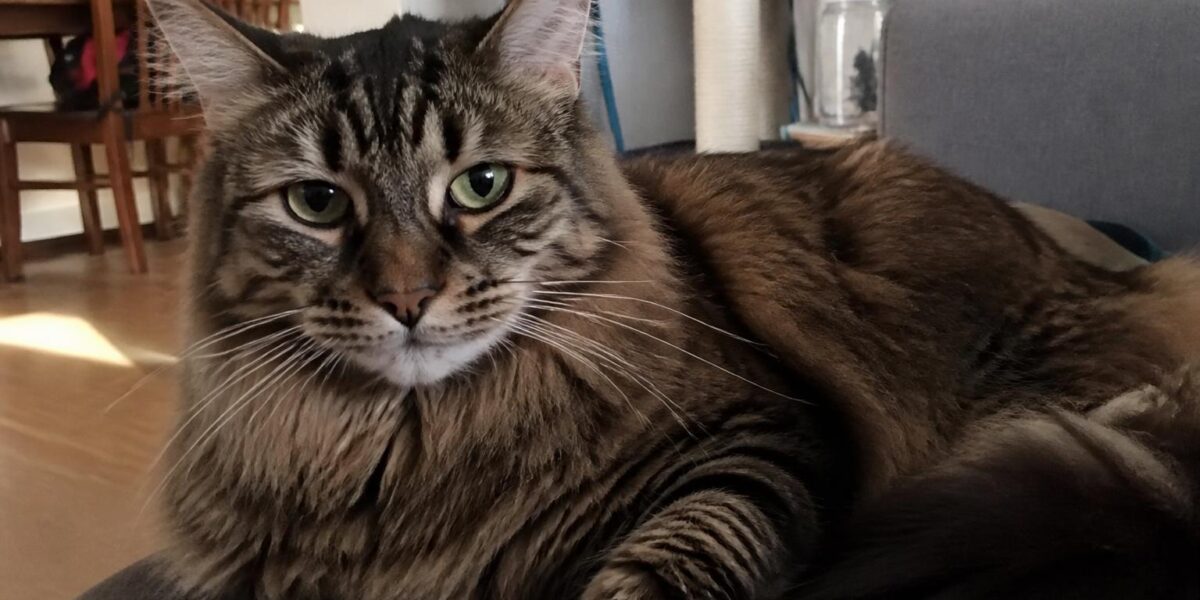
Understanding Food Allergies in Cats
Building a cat food allergies diet starts with knowing what a food allergy is and is not. A true food allergy is an immune-system reaction to a specific ingredient — nearly always a protein — in which the body treats that protein as a threat. It is different from a food intolerance, which is a purely digestive reaction that does not involve the immune system. Both can upset your cat, but they call for different approaches.
In this article
Cats most often react to proteins they have eaten regularly, such as beef, fish, chicken, and dairy. Grain is an uncommon trigger, despite the marketing on so many bags. Because cats are obligate carnivores — they require animal protein and certain nutrients like taurine that only come from meat — you can never solve a feline food allergy by removing meat or switching to a plant-based diet. The fix is finding the right animal protein, not eliminating animal protein.
Food allergies can appear at any age, including to a food your cat has eaten for years. The immune system can become sensitized over time, so a long history with a food does not guarantee it is safe now. When symptoms appear or worsen, the current diet always deserves a fresh look from your vet.
It also helps to separate a true allergy from a simple food intolerance, because they call for different levels of strictness. A true allergy requires removing the offending protein completely and permanently — even trace amounts can keep the immune system fired up — while an intolerance is often more forgiving. With cats, who are masters at finding stray food, that distinction matters a great deal: an allergic cat needs an environment where the trigger protein is genuinely absent, not merely reduced.
Cat-Specific Signs to Watch For
Food allergies in cats tend to show up on the skin, in the gut, or both. The skin signs are often striking: intense itching around the head, face, and neck, scabby bumps (sometimes called miliary dermatitis), overgrooming that leaves bald patches, and recurrent ear problems. A cat that grooms itself raw or pulls out fur in tidy strips is sending a real signal, not just being fussy.
On the digestive side, you may see chronic vomiting, soft or frequent stools, or both. Frequent vomiting in particular is worth taking seriously rather than writing off as normal cat behavior. If your cat vomits often, our guide on feeding a cat that vomits frequently explains how to sort dietary causes from medical ones with your vet.
These signs overlap heavily with environmental allergies, parasites, inflammatory bowel disease, and other conditions, so symptoms alone cannot diagnose a food allergy. The first step is always a veterinary exam to rule out fleas, mites, infections, and other causes before food gets the blame.
One behavior owners often misread is overgrooming. A cat that licks a patch of belly or leg bald is frequently assumed to be anxious or simply “fastidious,” when the real driver may be the itch of a food allergy. Cats tend to groom away the evidence in private, so you may notice the thinning fur before you ever catch the cat scratching. If your cat is suddenly pulling out fur, developing scabs, or grooming to the point of bare skin, mention it to your vet rather than dismissing it as a quirk — it is a symptom worth investigating.
Diagnosis: The Elimination Diet
There is no reliable blood or saliva test for food allergies in cats. The panels marketed for this purpose routinely flag foods your cat tolerates fine, and acting on them tends to lead you astray. The only dependable diagnosis is a strict, vet-supervised elimination diet.
Your vet will choose either a novel protein your cat has never eaten or a hydrolyzed diet in which proteins are broken into fragments too small to trigger the immune system. Your cat eats that food and nothing else — no treats, no second cat’s kibble, no flavored medications, no lickable snacks — for roughly eight to twelve weeks. If signs resolve, a controlled rechallenge with the old food confirms the allergy.
The challenge with cats is honesty about exposure. A cat that hunts, raids another pet’s bowl, or gets a daily dental treat is not on a true elimination trial. Success depends on absolute strictness for the whole window, which is why your vet’s structure and your discipline matter as much as the food itself.
Set your expectations for the timeline before you begin. An elimination trial for a cat is a commitment of two to three months, not a quick experiment, and the improvement is usually gradual rather than dramatic. Owners who understand this from the start tend to follow through; those expecting a fast turnaround often quit just as the diet would have begun working. Keeping a simple weekly note of your cat’s itch level, coat condition, vomiting, and stool gives you and your vet an objective record to judge progress by, instead of relying on the impression of any single day.
Hydrolyzed and Novel-Protein Veterinary Diets
The core of a cat food allergies diet is usually a veterinary therapeutic food. Hydrolyzed diets chemically reduce proteins to pieces the immune system no longer recognizes. Novel-protein diets use a meat the cat has truly never had, such as rabbit or venison, paired with a novel carbohydrate.
You might ask why you cannot just grab a store “limited ingredient” cat food. The issue is cross-contamination: testing has repeatedly found over-the-counter limited-ingredient diets containing trace proteins not on the label, picked up in shared manufacturing. For a genuinely allergic cat, even traces can keep symptoms simmering. Veterinary diets are produced under tighter controls to prevent this. For the bigger picture on this category, see understanding pet food ingredient lists, which explains how proteins hide under vague names.
Let your vet pick the type and the specific formula. Cycling through retail bags on your own usually clouds the diagnosis without bringing relief.
These diets also do double duty. During the trial, the therapeutic food is the diagnostic instrument that reveals whether food is the culprit. Afterward, the same type of diet frequently becomes your cat’s permanent maintenance food — the everyday meal that keeps the skin calm and the gut settled. Because the food is doing genuine medical work, your vet will not want you swapping it out casually once you have found one that controls the signs.
Strict Compliance Is Everything
With cats, compliance is the make-or-break factor, and it is harder than with dogs because cats are independent and often have outdoor access. A single source of the offending protein can keep the immune system activated and undo weeks of careful feeding.
To keep a feline allergy trial honest:
- Cut out every treat, lickable snack, and flavored supplement unless your vet approves it.
- Feed a multi-cat household separately and pick up bowls promptly so the allergic cat cannot snack from another’s dish.
- Keep an allergic cat indoors during the trial so hunting cannot reintroduce a protein.
- Switch to unflavored or compatible medications — many feline meds come in flavored bases that sneak proteins back in.
- Tell everyone in the home that “no extras” is a hard rule for the whole trial.
If your cat’s gut signs are prominent, the management overlaps with inflammatory bowel disease, and the two can coexist. Our guide on feeding a cat with IBD is a helpful companion when digestive symptoms lead the picture.
Feeding the Obligate Carnivore Long-Term
Once your vet confirms the trigger, many cats thrive long-term on a single well-chosen therapeutic diet. Because cats are obligate carnivores, the maintenance food must still deliver complete animal-based nutrition, including taurine and adequate moisture — wet food often helps here, supporting both hydration and the higher protein cats need.
If you ever want to home-cook for an allergic cat, do it only with a recipe formulated by a board-certified veterinary nutritionist. Cats are especially unforgiving of dietary imbalance; a homemade diet that merely avoids the trigger but lacks taurine or proper mineral balance can cause serious harm. Professional formulation is the safe path, never an online recipe.
Treat the cat food allergies diet as an ongoing conversation with your vet. New overgrooming, recurrent ear infections, renewed vomiting, or any refusal to eat should prompt a call rather than another impulse purchase. Allergies can shift over time, and the cats who do best have owners who keep their veterinary team in the loop.
Pay special attention to appetite. If an allergic cat stops eating — whether because it dislikes the new diet or because it feels unwell — that is not a problem to wait out. Cats that go without food for more than a day or two are at real risk of hepatic lipidosis, a serious and potentially life-threatening liver condition. So if your cat turns up its nose at the prescription food, the answer is to call your vet for a more palatable option or a feeding strategy, never to simply let the cat go hungry until it gives in.
Frequently Asked Questions
How long does a cat food allergy trial take to show results?
Plan for the full eight to twelve weeks. Skin signs in particular heal slowly, so improvement is often gradual. Digestive signs may ease sooner, but the trial should run its complete length under your vet’s guidance.
Can my cat be allergic to fish or chicken even though they’ve eaten it for years?
Yes. Cats most commonly react to proteins they have eaten the most, and sensitization can develop over time. A long history with a food does not rule it out as the trigger.
Is a grain-free cat food the answer to allergies?
Usually not. Grain is an uncommon feline allergen; most cats react to an animal protein instead. Grain-free marketing rarely targets the real trigger, so let your vet guide the choice.
Can I feed my allergic cat a vegetarian diet to avoid meat triggers?
No. Cats are obligate carnivores and need animal protein and nutrients like taurine to survive. The solution is a different, safe animal protein chosen with your vet, not removing meat.
My cat won’t eat the prescription food. What should I do?
Tell your vet rather than abandoning the plan. A cat that stops eating for more than a day or two is at real risk, and your vet can suggest a more palatable option, a warming trick, or a different texture while keeping the trial valid.


