
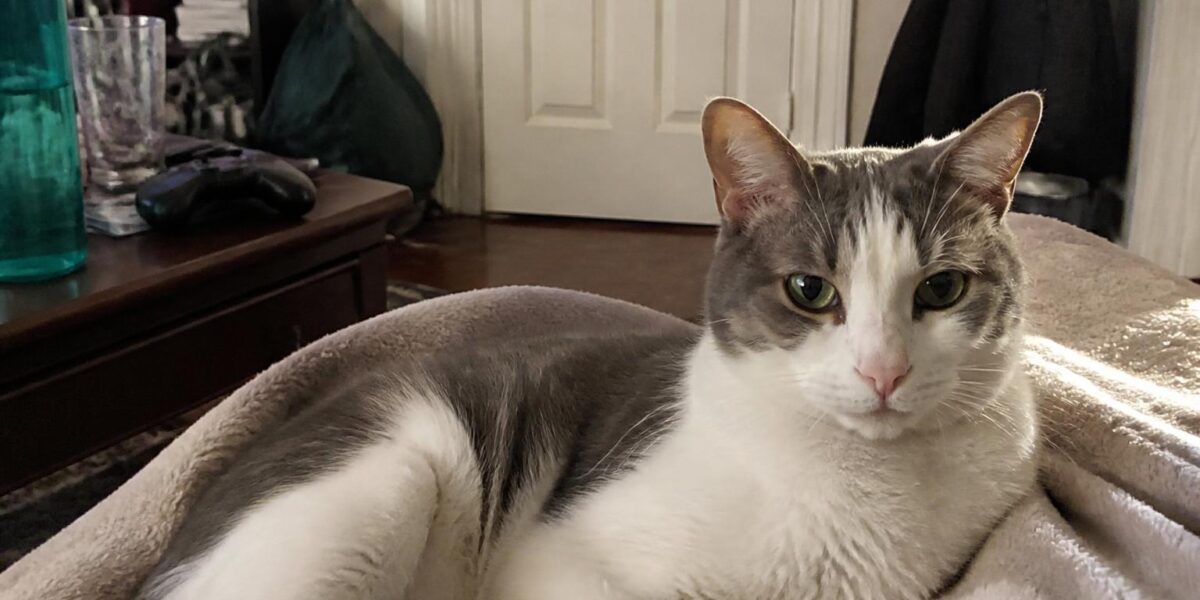
Diet Is a Primary Therapy for Feline IBD
Inflammatory bowel disease (IBD) is a chronic inflammation of a cat’s digestive tract that causes ongoing vomiting, diarrhea, weight loss, or appetite changes. What surprises many owners is that diet is not a side note in IBD management — it is one of the primary therapies. Feeding a cat with IBD is a deliberate, vet-led process, and for some cats the right diet alone makes a dramatic difference; for others it works hand in hand with medication.
In this article
The reason food matters so much is that the gut is constantly exposed to whatever the cat eats. If a component of the diet is driving the inflammation, changing the diet can calm the gut directly. That is why your vet will often use a structured diet trial as both a treatment and a diagnostic step. For the medical picture of the condition, see our overview of cat inflammatory bowel disease.
Throughout this process, your veterinarian leads. They confirm the diagnosis, choose the diet type, decide whether medication is needed, and interpret how your cat responds. Your part is to follow the plan with the strictness it requires, because IBD diets only work when they are followed exactly.
It is worth knowing how IBD is actually diagnosed, because it is not a simple test. The signs of IBD overlap with many other conditions, so vets generally reach the diagnosis by ruling out other causes — parasites, infections, hyperthyroidism, kidney disease — and often by confirming inflammation with biopsies of the intestinal lining. That work-up matters: starting an IBD diet without knowing whether your cat truly has IBD, a food-responsive condition, or something else entirely means you may be solving the wrong problem. The diet is powerful, but only when it is aimed at the right target.
IBD Versus Food-Responsive Enteropathy
One of the first things your vet sorts out is whether your cat has true IBD or a food-responsive condition — sometimes called food-responsive enteropathy or chronic enteropathy. These conditions look identical from the outside: the same vomiting, diarrhea, and weight changes. The difference is that food-responsive cases improve fully on a diet change alone, while true IBD often needs diet plus medication.
Because they overlap so much, vets frequently start with a diet trial precisely to see whether the problem is food-responsive — a structured approach much like the one described in our guide to the elimination diet for pet food allergies. A cat that improves on a carefully chosen diet may have had a food-responsive condition all along, which is good news because it can often be managed with diet alone. Our guide on chronic enteropathy in cats explains how these related conditions sit on a spectrum.
This is also why feeding a cat with IBD overlaps heavily with feeding a cat for food allergy — the two share diagnostic and dietary tools. If allergy is on the table, our guide on feeding a cat with food allergies covers the closely related approach.
The Diet Options: Novel Protein, Hydrolyzed, or Fiber
There is no single IBD diet; your vet chooses from a few strategies based on your cat. Novel-protein diets use a protein the cat has never eaten, removing a familiar trigger the immune system may be reacting to. Hydrolyzed diets break proteins into fragments too small to provoke the gut. Higher-fiber diets can help certain cats, particularly when the large intestine is involved, by supporting the gut and firming stool.
Which one your vet selects depends on your cat’s symptoms, history, and how previous foods have gone. Because cats are obligate carnivores, every option must still deliver complete, animal-based nutrition with adequate protein, taurine, and moisture — IBD management never means cutting cats off from animal protein. Many of these are veterinary therapeutic diets formulated for digestibility and consistency, which is part of why they outperform guessing with retail foods.
If your vet ever recommends a home-cooked diet for a complex IBD case, it must be formulated by a board-certified veterinary nutritionist. An improvised recipe can be unbalanced in ways that harm a cat over time, and IBD cats are already vulnerable, so professional formulation is essential rather than optional.
The wet-versus-dry question comes up often with IBD cats. Many vets lean toward wet food for these patients because the added moisture supports hydration and a cat’s natural low-thirst drive, and because it tends to be higher in protein and lower in carbohydrate, which suits an obligate carnivore. That said, the most important factor is which food controls your individual cat’s symptoms and which one your cat will reliably eat. A perfectly chosen diet does no good in the bowl, so palatability and consistent intake weigh into your vet’s recommendation alongside the formulation itself.
The Trial-and-Error Process Takes Patience
Finding the right diet for an IBD cat is often a process of trial and error, and managing your expectations helps. Your vet may start with one diet type, give it a fair trial of several weeks, and reassess. If the response is incomplete, the next step might be a different protein, a hydrolyzed option, or adding medication. This is normal — it does not mean the plan is failing.
Each trial needs enough time to show its effect, typically several weeks, because the gut heals gradually. Switching diets every few days out of impatience guarantees you will never know what works. Transition each new food gradually, over about a week, so the change itself does not trigger an upset that confuses the picture.
Keep a simple log of vomiting, stool quality, appetite, energy, and weight through each trial. This record lets you and your vet judge progress objectively rather than by impression, and it makes the next decision clearer. Patience plus good records is what eventually lands on the diet your cat thrives on.
It helps to think of a relapse as information rather than failure. If your cat does well for a stretch and then symptoms return, that does not mean the diet stopped working — it may mean something slipped into the diet, that the disease has shifted, or that medication needs adjusting. Bring the details to your vet rather than abandoning the plan in frustration. IBD is a chronic condition that tends to be managed rather than cured, so occasional adjustments over your cat’s life are normal and expected, not a sign that you are doing something wrong.
Strict Single-Diet Compliance
An IBD diet only works if it is the only thing your cat eats. A single off-diet item — a treat, a lick of another pet’s food, a flavored medication, a scrap from the counter — can reintroduce the trigger and undo weeks of careful feeding. Strictness is not fussiness here; it is the whole strategy.
To keep compliance tight:
- Eliminate all treats and table foods unless your vet specifically approves them.
- Feed cats separately in multi-cat homes and pick up bowls so there is no cross-snacking.
- Switch flavored medications and supplements to unflavored or vet-approved versions.
- Keep an IBD cat indoors so hunting cannot slip an off-diet protein into the mix.
- Tell everyone in the household that the prescribed diet is the only food, full stop.
It can feel harsh to cut out every treat, but the payoff is a comfortable cat. Once the diet is established and your vet agrees, there may be room for compatible treats, but during a trial the rule is simple: nothing else.
Medication, Hydration, and Long-Term Monitoring
For many cats, diet works alongside medication your vet prescribes to control inflammation. Diet is the foundation, but it is not always the whole treatment, and following the medication plan is just as important as following the diet. Do not stop or adjust medications on your own, even if your cat looks better.
Hydration deserves attention because IBD cats can lose fluids through vomiting and diarrhea, and cats are prone to dehydration generally. Wet food supports both moisture intake and the higher protein cats need, and offering fresh water or a fountain encourages drinking. Watch weight closely too — ongoing weight loss is a red flag that the current plan needs revisiting with your vet.
Cobalamin, or vitamin B12, is one detail your vet may bring up that surprises owners. Cats with chronic intestinal disease sometimes cannot absorb B12 properly, and a deficiency can worsen how they feel and slow recovery. Your vet may test for it and supplement if needed — another reminder that managing IBD well goes beyond the food bowl and benefits from regular veterinary monitoring rather than diet alone.
Finally, treat feeding a cat with IBD as a long-term partnership. Schedule the recheck visits your vet recommends, report any return of symptoms, and resist the urge to change the diet on your own once you find one that works. With the right diet, consistent compliance, and steady veterinary guidance, most cats with IBD can live comfortable, stable lives.
Frequently Asked Questions
Can diet alone control my cat’s IBD?
Sometimes. Cats with food-responsive disease may do well on diet alone, while true IBD often needs diet plus medication. Your vet uses a diet trial partly to find out which applies to your cat.
How long until I know if an IBD diet is working?
Give each diet a fair trial of several weeks, since the gut heals gradually. Switching foods every few days prevents you from ever knowing what works. Patience and good symptom records make the process much smoother.
Why can’t I give my IBD cat any treats?
A single off-diet item can reintroduce the trigger and undo weeks of progress. During a diet trial, the prescribed food must be the only thing your cat eats. Once stable, your vet may approve compatible treats.
Is IBD the same as a food allergy?
They are related and use similar diets, but not identical. Food allergy is a specific immune reaction to an ingredient, while IBD is broader gut inflammation. They overlap enough that your vet often uses the same diagnostic diet trials for both.
My IBD cat keeps losing weight. What should I do?
Tell your vet promptly. Ongoing weight loss signals the current plan is not controlling the disease well enough, and it can put a cat at risk. Your vet may adjust the diet, add or change medication, or look for other complications.


