
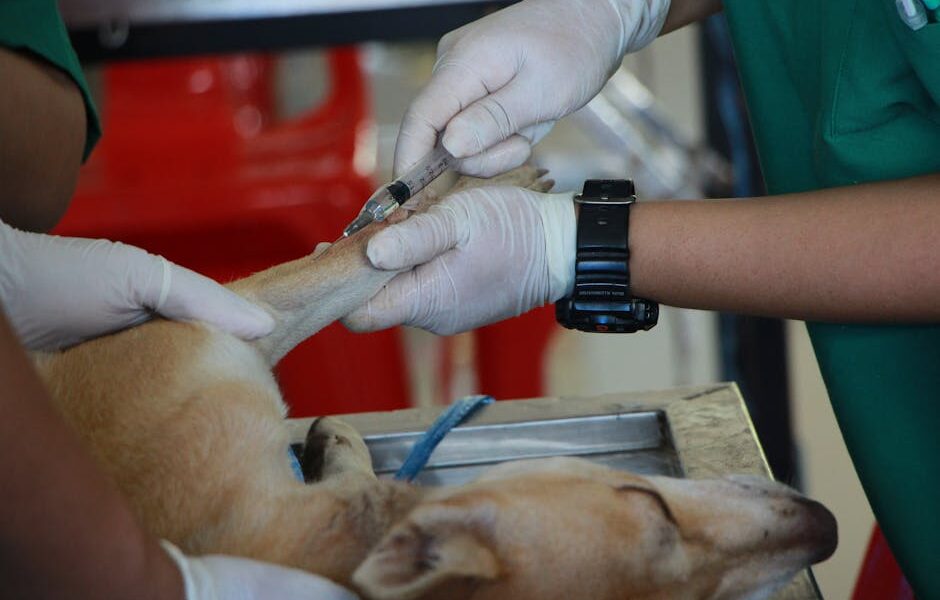
The Two Vaccines Every Ferret Needs
The ferret vaccination schedule is short and focused. Two vaccines matter: canine distemper virus and rabies. Both are essential, both are typically annual after the initial kit series, and both require species-appropriate products administered by a veterinarian experienced with ferrets. Feline vaccines (FeLV, feline panleukopenia, feline calicivirus) are not used in ferrets. Canine combination vaccines that include parvovirus or other components are inappropriate and can cause reactions.
In this article
- The Two Vaccines Every Ferret Needs
- Kit Series: First Eight to Sixteen Weeks
- Adult Annual Boosters
- Vaccine Brand Availability
- Vaccine Reactions: What to Expect
- Managing Reaction-Prone Ferrets
- Special Populations and Timing
- Routine Wellness Beyond Vaccines
- Practical Vaccine-Appointment Tips
- Frequently Asked Questions
Skipping vaccination is not a defensible cost-saving choice. Ferret canine distemper virus is universally fatal in unvaccinated ferrets. Rabies vaccination is also required by law in most US states and many other countries for legally owned ferrets, and unvaccinated ferrets that bite face dramatically different — and often grim — outcomes from local animal control.
This is exotic-medicine territory because vaccine reaction risk in ferrets is higher than in dogs, brand availability shifts over time, and ferret-specific dosing matters. An exotic-experienced veterinarian, ideally with ABVP-Exotic Companion Mammal training, should manage every ferret vaccine appointment. The Association of Exotic Mammal Veterinarians (AEMV) maintains practical clinical guidance that informs current standards.
The full vaccination plan also creates a recurring touch point where your vet examines your ferret thoroughly, palpates for the very common adrenal and pancreatic disease, and updates the rest of the preventive plan.
Kit Series: First Eight to Sixteen Weeks
Healthy ferret kits begin distemper vaccination at six to eight weeks of age, with boosters at three- to four-week intervals through twelve to sixteen weeks. The exact timing depends on the vaccine brand available and your veterinarian’s local protocol. Three doses in the kit series is typical; some practices give four. The series staggers around the natural decline of maternal antibody, ensuring at least one dose lands when the kit can mount an effective response of its own.
The first rabies vaccine is usually given at twelve weeks or older, separated by two to three weeks from a distemper dose to reduce the risk of overlapping vaccine reactions. Combining rabies and distemper in the same visit is generally avoided in ferrets because individual reactions are harder to attribute when multiple vaccines are given together.
Routine preventive bloodwork, fecal parasitology, and a thorough physical exam belong in the kit-series visits as well. Early-life screening establishes baselines for later comparison and catches congenital or early-life conditions before they advance. Many ferrets receive their first microchip during this window, which is essential for identification if they escape and for legal compliance with local rabies regulations.
Kit-series vaccination costs typically run a few hundred dollars total across the three or four visits, including the exam fees, vaccines, and routine screening.
Adult Annual Boosters
After the kit series, annual boosters for both distemper and rabies are standard for most pet ferrets. Some clinicians separate the two vaccines by two to three weeks each year, particularly for ferrets with any prior reaction history. Other practices administer both at the same visit in well-tolerated patients with observation in clinic after.
Adult ferrets adopted with unknown vaccination history are treated as unvaccinated. Two doses of distemper three to four weeks apart, then a rabies dose two to three weeks after the second distemper, establishes the immune foundation. Annual boosters follow. Adoption from shelters or rescues sometimes includes a starter vaccine that needs follow-up by the new owner; verify what was given and when.
Annual rabies vaccination is standard in ferrets even where dog and cat protocols use triennial vaccines. The current USDA-licensed ferret rabies vaccine is approved for one-year duration of immunity, and state laws frequently require annual rabies in ferrets — see ferret rabies vaccine laws for jurisdiction-specific framing.
Schedule the annual visit in the same month each year as a routine. A consistent month makes it easy to remember and easy to spot when a lapse is approaching.
Vaccine Brand Availability
Ferret distemper vaccine availability has fluctuated across decades. Brands have been licensed, discontinued, and reformulated. Your exotic vet uses the currently USDA-licensed or country-licensed ferret-specific product at the time of your appointment. In regions or periods where no ferret-licensed product is available, off-label use of certain canine distemper vaccines may be discussed with appropriate caveats — only under exotic-vet direction, and not all canine products are appropriate for ferrets.
Multivalent canine vaccines containing parvovirus, adenovirus, parainfluenza, or leptospira are inappropriate for ferrets. Only single-component or appropriate ferret-licensed distemper products should be used. Talk to your exotic vet about current brand availability and any local sourcing constraints. International ferret owners face their own brand-availability landscape; consult a local exotic-experienced veterinarian for region-appropriate options.
The USDA-licensed ferret rabies vaccine is the standard rabies product. Use of non-licensed rabies vaccines (a canine or feline-only product) is inappropriate and may not satisfy state requirements for rabies vaccination. Keep the rabies certificate that documents the specific product, lot, and expiration as part of your ferret’s permanent record.
Brand and product details on the certificate matter for legal purposes after any bite incident or for travel documentation.
Vaccine Reactions: What to Expect
Mild post-vaccination reactions are common in ferrets — transient lethargy, decreased appetite, mild fever, soreness at the injection site, and sometimes vomiting or soft stool for a day. These typically resolve within twenty-four to forty-eight hours and do not require treatment beyond supportive care and monitoring.
Moderate reactions include facial swelling, urticaria, persistent vomiting, or prolonged anorexia beyond two days. Call your exotic vet for guidance — antihistamines or short-course steroids may be appropriate, and the reaction is documented for future vaccine planning. Phone triage with photos of any visible swelling helps your vet decide whether home observation or in-clinic evaluation is appropriate.
Severe reactions — anaphylaxis with collapse, severe respiratory distress, hypotensive shock — are medical emergencies. Most occur within thirty minutes of vaccination, which is why exotic practices typically hold ferrets in clinic for thirty to sixty minutes after vaccine administration. Emergency epinephrine, fluid therapy, and oxygen are kept ready in the building. Severe reactions are uncommon but the preparation matters.
Document every reaction, however mild, in your ferret’s medical record. Patterns over years inform future protocol selection.
Managing Reaction-Prone Ferrets
Ferrets with any history of vaccine reaction need a tailored future protocol. Options include pre-treatment with antihistamine thirty to sixty minutes before vaccination, pre-treatment with a short-acting corticosteroid, separating vaccines by two to three weeks rather than co-administering, longer post-vaccine observation in clinic, and titer testing (where available) to assess remaining immunity before re-vaccinating.
Vaccine titer testing for distemper is emerging as an option in some markets. A positive titer indicating adequate immunity may allow a year of skipped re-vaccination in a reaction-prone ferret. Titer testing for rabies is more complex because legal requirements often mandate vaccination regardless of titer.
Discuss pre-treatment, brand selection, and titer testing with your exotic vet rather than skipping vaccination outright. Even reaction-prone ferrets benefit from continued immune coverage against catastrophic disease. The risk-benefit math nearly always favors continued vaccination with appropriate precautions over no vaccination.
Some practices invest in epinephrine-prefilled syringes scaled for small mammal use, ready at every vaccine appointment for reaction-prone ferrets.
Special Populations and Timing
Pregnant or lactating jills are typically not vaccinated unless absolutely necessary. Kits born to vaccinated dams receive passive immunity that interferes with vaccine response for the first six to eight weeks, which is why kit series timing begins at six to eight weeks of age.
Ferrets with concurrent disease — active infection, recent surgery, severe stress — may have vaccination postponed until they recover. Ferrets undergoing chemotherapy for ferret lymphoma may have live vaccines deferred and inactivated rabies vaccine continued; your exotic vet decides timing based on the protocol and the ferret’s overall status.
Ferrets with active ferret adrenal disease, ferret insulinoma, or ferret cardiomyopathy can usually continue routine vaccination, but the visit becomes an opportunity to assess overall stability and coordinate care. Pre-anesthetic considerations matter if any sedation is needed for vaccination in a fractious or fragile ferret.
Geriatric ferrets — five years and older — typically continue annual vaccination. Discuss titer testing as an alternative with your exotic vet if reaction history or extreme frailty argue against repeat dosing.
Routine Wellness Beyond Vaccines
Annual vet visits are about more than vaccines. The exam should include weight, body condition score, dental check, abdominal palpation for masses (the high prevalence of adrenal and insulinoma makes this critical), heart and lung auscultation, and skin and coat assessment. Bloodwork at least every two years in adult ferrets — annually after three years of age — catches early disease before clinical signs.
Senior ferrets (four years and older) benefit from more frequent visits, every six months ideally, with screening bloodwork, fasting glucose checks for insulinoma, and palpation of adrenal glands. Echocardiographic screening for cardiomyopathy is reasonable in middle-aged-and-older ferrets, particularly before any planned anesthetic procedure.
Year-round heartworm prevention belongs in the same annual conversation. Parasite control, dental health, and dietary review round out the annual wellness package. Microchip verification — making sure the chip is still detectable and the registration is current — is a useful annual habit.
A consistent annual visit creates the foundation that catches problems while they are still treatable rather than when they become emergencies.
Practical Vaccine-Appointment Tips
Travel the ferret in a secure carrier with familiar bedding. Bring a list of current medications and any prior vaccine reaction history. Schedule appointments early in the day so any reaction develops while the clinic is still open. Plan a quiet afternoon at home after the visit — most ferrets nap heavily for several hours post-vaccination.
Keep a written vaccine record. The rabies certificate in particular has legal significance and should be filed where you can retrieve it on demand. Many states require physical or digital proof of rabies vaccination for licensing and for handling bite incidents.
Ask the exotic vet to explain reaction signs you should watch for at home and emergency contact information in case of post-vaccine concern outside of normal clinic hours. Save the after-hours emergency number in your phone before you need it.
If the appointment is also a senior-wellness visit, ask whether bloodwork should be drawn before vaccination so that vaccine-related changes do not confound interpretation.
Frequently Asked Questions
Are ferret vaccines really annual? Why not every three years like dogs?
The currently licensed ferret distemper and rabies products are approved for one-year duration of immunity. Annual is the standard until extended-duration ferret-specific licensing changes.
What if no ferret-licensed distemper vaccine is currently available in my area?
Discuss options with your exotic vet. Off-label use of select canine distemper products may be considered with careful selection — only under exotic-vet direction.
Is it safe to give distemper and rabies the same day?
For well-tolerated ferrets with no reaction history, many practices co-administer with observation. For reaction-prone ferrets, separating by two to three weeks is the safer approach.
Can I skip vaccines if my ferret stays indoors?
No. Indirect exposure to distemper and rabies through humans, other animals, and environmental contact is real. Indoor-only is not a meaningful exposure reduction for these viruses.
How long is my ferret protected after vaccination?
Approximately one year from each annual booster, which is why annual re-vaccination is standard. Titer testing may extend intervals in select reaction-prone cases — discuss with your exotic vet.


