
Last updated: May 6, 2026
In this article
Why Fleas Explode in Humid Weather
Flea control in humid climates is harder than in temperate countries because the factors that limit fleas elsewhere simply do not exist here. Fleas thrive in warm, humid environments, and a constant seventy to ninety percent relative humidity with temperatures in the upper twenties Celsius is close to a perfect breeding environment. Eggs hatch faster, larvae develop faster, and generations overlap so rapidly that a single missed dose of prevention can trigger a household infestation within weeks.
The most common flea on dogs and cats in tropical Asia is Ctenocephalides felis, the cat flea, which despite its name parasitizes both species. Adult fleas live on the host, feed on blood, and mate within hours of the first meal. A female flea can lay up to fifty eggs a day, which fall off the host into carpets, bedding, crevices, and upholstery. The eggs hatch into larvae that feed on organic debris including adult flea feces, progress to pupae inside protective cocoons, and emerge as new adults when they sense a host nearby. The whole cycle can be as short as two weeks.
Only about five percent of the total flea population in an infested home lives on the pet at any given time. The other ninety-five percent are eggs, larvae, and pupae hiding in the environment. That math is what makes flea problems so frustrating: you can treat the dog successfully and still see new fleas appearing for weeks as pupae mature and emerge. Effective control addresses both the host and the environment.
Recognizing a Flea Problem Early
Many owners do not notice fleas until the infestation is well established. Early signs include a dog or cat scratching more than usual, chewing at the tail base or belly, or licking one spot repeatedly. You may also see tiny dark specks in the fur, which can be confirmed as flea dirt by placing them on a wet paper towel and watching for a red halo as digested blood rehydrates.
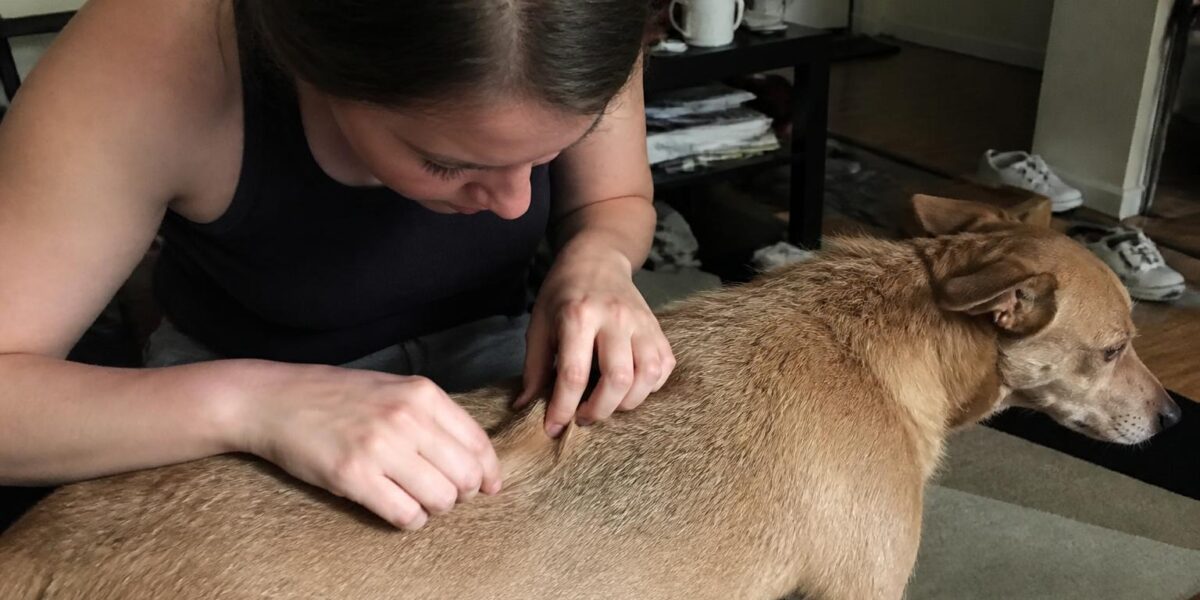
A flea comb pulled through the coat, particularly along the spine, belly, and inner thighs, will often trap adult fleas or flea dirt even before you see any on the skin. For cats especially, check around the base of the tail, the lower back, and the neck, since these are common hotspots.
Some pets develop flea allergy dermatitis, where a single flea bite triggers intense itching, redness, and hair loss out of proportion to the actual flea burden. If your dog has bald patches on the lower back and tail base with crusty skin, flea allergy is likely even if you only see one or two fleas on him. Flea allergy dogs are the canaries in the coal mine because they react so severely that they alert you to infestations you would otherwise miss.
The Three Layers of Flea Control
Effective flea control in a humid climate rests on three coordinated layers: an adulticide to kill fleas on the pet, an insect growth regulator to stop eggs and larvae developing, and environmental cleaning to remove the bulk of the reservoir. Missing any layer leaves a gap the fleas will exploit.
Modern oral and topical products often handle the first two layers in a single product. Isoxazoline chewables like afoxolaner, fluralaner, sarolaner, and lotilaner kill adult fleas rapidly after they bite. Topicals containing fipronil, imidacloprid, or selamectin kill adults and in some formulations include an insect growth regulator like pyriproxyfen or methoprene that sterilizes eggs and prevents larval development. Long-acting collars combining imidacloprid and flumethrin also offer adult and developmental stage coverage.
The third layer is where owners often fall short. Vacuuming thoroughly, washing pet bedding in hot water, and treating carpets and upholstery with a pet-safe insect growth regulator spray removes or sterilizes the vast majority of developing fleas hiding off the pet.
Choosing the Right Product
Product choice depends on your pet’s species, age, weight, lifestyle, and any health issues. For dogs, isoxazoline chewables are popular because they work fast and survive swimming and bathing. Topical fipronil or imidacloprid spot-ons are good for pets who cannot take oral medication. Long-acting collars suit owners who struggle with monthly dosing routines.
For cats, choose feline-labeled products specifically. Some dog flea products, particularly those containing permethrin, are toxic to cats and can be fatal. Safe options for cats include fipronil spot-ons, selamectin, imidacloprid combinations, and certain isoxazolines formulated and tested for feline use.
For multi-pet households, make sure every pet is on protection simultaneously. Treating only the dog while leaving the cat untreated creates a reservoir that reinfests the whole home. Combination products that handle fleas, ticks, heartworm, and intestinal worms in a single monthly dose simplify compliance dramatically.
Treating a Full-Blown Infestation
If you already have an active infestation with fleas visible in the home, a full treatment protocol takes about three months to fully clear, because pupae can remain dormant for weeks before emerging. Plan for the long haul and do not give up after two weeks.
Start by treating all pets on the same day with a fast-acting adulticide. Oral nitenpyram provides near-immediate knockdown of existing adult fleas within hours, useful for heavy burdens. Follow with a long-acting product for ongoing coverage. Then focus on the environment. Vacuum daily for the first week, including under furniture, along baseboards, and in pet bedding areas. Empty the vacuum canister outside into a sealed bag each time. Wash all pet bedding and any blankets your pet lies on in hot water and dry on high heat.
Treat carpets, upholstery, and flooring cracks with a pet-safe flea spray or fogger containing an adulticide plus an insect growth regulator. Follow label directions for ventilation and pet re-entry. Outdoor areas where pets spend time, such as balconies and patios, may also need treatment. Continue the program for at least twelve weeks, during which emerging fleas will encounter the environmental treatment and the pets will remain on protection, eventually starving the cycle.
Flea Allergy Management
Pets with flea allergy dermatitis need ironclad prevention and sometimes additional symptomatic care. Even a single flea bite can trigger days of intense itching, scratching, and secondary skin infection. Keep these pets on a rapid-acting flea killer year-round without any gaps. Wash bedding more frequently and treat the environment more aggressively than you would for a non-allergic pet.
Secondary bacterial and yeast infections from constant scratching often need veterinary treatment with antibiotics, antifungals, or medicated shampoos. Topical anti-itch products containing hydrocortisone can help short-term, but the core fix is removing the flea trigger. Some flea-allergic dogs also need systemic anti-itch medication during flare-ups.
If flare-ups continue despite good flea control, consider other concurrent allergies such as food or environmental atopy, which are common in tropical climates and can amplify flea allergy symptoms.
Preventing Reinfestation
Once you have cleared an infestation, the goal is to never let it start again. Keep all pets on year-round prevention without gaps. Check new pets carefully before introducing them to your home. If you board your pet or use a dog walker, ensure those environments are also flea-controlled. Avoid secondhand pet furniture and carpets unless you can treat them thoroughly first.
Regular vacuuming, frequent bedding washes, and occasional environmental spot treatments prevent small problems from becoming large ones. For cats who roam or dogs who visit dog parks and beaches, a monthly spot-check with a flea comb is a quick way to catch early signs before they multiply.
Frequently Asked Questions
How fast do flea products work?
Most isoxazoline chewables begin killing fleas within two to four hours and eliminate ninety to ninety-five percent within twelve hours. Oral nitenpyram works within an hour for rapid knockdown. Topical products typically kill fleas within twenty-four hours. Insect growth regulators take longer to affect the environmental flea population, with full control usually visible within six to twelve weeks.
Can indoor pets get fleas?
Yes. Fleas and flea eggs can hitchhike in on shoes, clothing, or other pets. An indoor-only pet with flea signs is a clue that fleas are entering the home from somewhere and needs the same prevention as outdoor pets.
Is it safe to combine flea products?
Generally avoid stacking two flea products on the same pet because cumulative dosing of similar active ingredients can be toxic. If you are switching products, follow label directions for transition timing. Your vet can advise on safe combinations for heavy infestations.
Are natural flea remedies effective?
Most natural remedies like garlic, apple cider vinegar, and essential oils lack evidence of meaningful efficacy. Some essential oils are toxic to cats, and garlic is toxic to both dogs and cats in sufficient quantities. Stick with veterinary-proven products.
How often should I bathe a flea-infested pet?
A single bath with pet shampoo helps remove some adults and flea dirt, but it is not a control strategy on its own. Over-bathing can strip protective skin oils. Rely on topical or oral prevention as your main tool and use baths as a one-time cleanup, not a recurring treatment.
Can fleas transmit disease to pets or people?
Yes. Fleas can transmit tapeworms to both dogs and cats, carry Bartonella, which causes cat scratch disease in humans, and occasionally carry other bacteria. They also cause allergic reactions in sensitive pets and people. Good flea control protects the whole household.
For related tropical care guidance, read our guides on tropical tick control, fungal skin infections, and tropical parasites in cats. Ready to adopt? Visit our adopt a cat hub or adopt a dog hub.


