
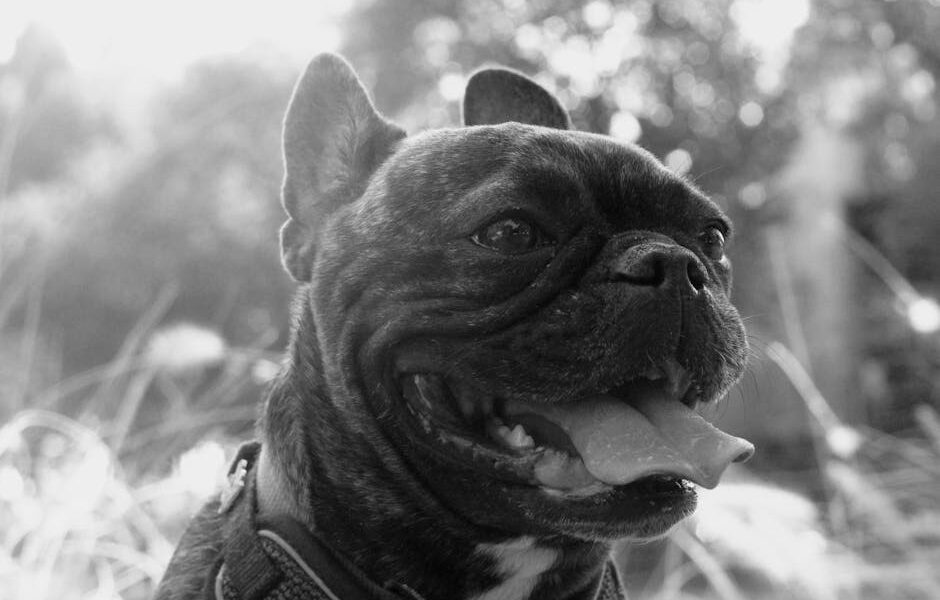
Why Heat Stress Is the Top Acute Threat in Canine Sport
Heat stress remains the single highest-mortality acute emergency in sport, working, and field dogs. Cases run a clinical spectrum from mild heat exhaustion that resolves with shade and water to fulminant heatstroke with multi-organ failure that progresses to death within hours despite optimal critical care. Among the populations most affected are agility competitors training in midday humidity, retrieving and field-trial dogs working in southern hunt seasons, search-and-rescue teams deployed to disaster scenes, military and law-enforcement canines on extended detail, brachycephalic sport participants whose airway anatomy compromises evaporative cooling, and, paradoxically, sled and skijoring dogs whose chest-exposure during intense pulling can generate substantial heat retention despite freezing ambient temperatures.
In this article
- Why Heat Stress Is the Top Acute Threat in Canine Sport
- Pathophysiology: What Goes Wrong When Cooling Fails
- Recognizing Heat Stress in the Field
- Pre-Hospital Cooling: What to Do Right Now
- Risk Factors That Compound Vulnerability
- Prevention Framework: Conditioning, Hydration, Scheduling
- Malignant Hyperthermia: A Rare Anesthetic Mimic
- Heat Stress and Sled Dogs: The Counterintuitive Risk
- Hunting Retrievers and Field-Trial Heat Risk
- Specialty Referral and ICU Considerations
- Frequently Asked Questions
Understanding heat stress in sport and working dogs starts with the recognition that the canine thermoregulatory apparatus relies overwhelmingly on panting for evaporative cooling, with a much smaller contribution from paw-pad sweating. When ambient temperature and humidity outstrip the panting capacity of an individual dog, core temperature climbs, and a cascade of pathophysiologic events follows that the American College of Veterinary Emergency and Critical Care (ACVECC) literature has characterized in increasing detail over the past two decades.
The cost of getting it wrong is substantial. Even with prompt veterinary intervention, dogs who present with sustained core temperatures above 107 degrees Fahrenheit or with neurologic signs face guarded prognoses. For a deeper dive into emergency recognition and pre-hospital steps, our companion heatstroke emergency treatment in dogs article covers the timeline from first signs to ICU admission in detail.
Pathophysiology: What Goes Wrong When Cooling Fails
A dog’s normal body temperature sits between roughly 101 and 102.5 degrees Fahrenheit. Mild heat stress begins around 103 to 104 degrees, with panting intensifying and the dog seeking shade or rest if able. The clinical heatstroke threshold is generally placed around 104 to 106 degrees with concurrent clinical signs, though the absolute number matters less than the duration, the rate of climb, and the presence of organ-system impairment.
Once thermoregulation is overwhelmed, gastrointestinal mucosal sloughing releases bacterial endotoxin into the systemic circulation, triggering systemic inflammatory response syndrome. The lung is among the first organs affected, with acute respiratory distress syndrome (ARDS) reported in severe cases. Disseminated intravascular coagulation (DIC) develops in many late-presenting cases. Acute kidney injury follows from renal hypoperfusion plus heat-induced tubular damage. Hepatic injury appears on chemistry panels within hours. Encephalopathy, sometimes manifesting as seizures or coma, signals advanced disease and poor prognosis.
This is the rationale behind why the first thirty minutes of cooling are the most consequential. Bringing core temperature down quickly limits the magnitude of secondary organ injury and substantially improves survival. Pre-hospital cooling is one of the few interventions where a non-veterinarian handler has a real impact on outcome.
Recognizing Heat Stress in the Field
Early signs include intense panting, bright red mucous membranes, increased respiratory effort, drooling, and reduced responsiveness to commands. As the condition progresses, the dog may stumble, become disoriented, develop muddy or brick-red gum color, and show tacky mucous membranes from dehydration. Late signs include collapse, vomiting (sometimes hemorrhagic), bloody diarrhea, seizures, and unresponsiveness.
Take a rectal temperature whenever possible. A handler-confirmed core temperature above 105 degrees Fahrenheit in a clinically affected sport dog is an emergency. Mucous membrane color and capillary refill time provide useful adjunct information when no thermometer is available. Brachycephalic dogs whose brachycephalic airway syndrome compromises evaporative cooling can deteriorate from playful to critical in minutes.
Differentiating heat stress from exercise-induced collapse in Labradors matters because both can present with collapse during exertion. EIC dogs typically retain mentation; heat stress dogs progressively lose it. Body temperature is often elevated in both, so context, mentation, and the rate of recovery guide the working diagnosis.
Pre-Hospital Cooling: What to Do Right Now
ACVECC consensus on cooling has evolved over the past decade. Current guidance favors active cooling that begins on-scene, continues during transport, and stops once the dog reaches approximately 103 degrees to avoid rebound hypothermia. Specific recommended actions include moving the dog to shade or an air-conditioned vehicle, immersion in or repeated pouring of cool (not ice-cold) water across the entire body, evaporative cooling assisted by a fan or open vehicle windows during transport, and focused application of cool water or wet towels to the groin, axillae, and paw pads where superficial vessels lie close to the skin.
Ice-water immersion has been debated in the literature. Recent ACVECC discussion has revisited cold-water immersion for exertional hyperthermia in healthy young athletic dogs based on human sports-medicine analogues, but the conventional consensus for general veterinary heatstroke triage continues to favor cool (not ice) water to avoid peripheral vasoconstriction that can paradoxically retain core heat. Follow your veterinarian’s current guidance and the protocols of your local emergency facility.
Transport the dog to the nearest emergency or specialty hospital while cooling continues. Call ahead so the team can prepare for hyperthermia triage. Once the dog reaches the hospital, IV fluid resuscitation, plasma transfusion for coagulopathy, gastric protectants, anti-emetics, broad-spectrum antibiotics for translocation-related sepsis, and continuous monitoring for arrhythmia and renal function are core elements of the ICU stay. Reviewing our emergency vet cost realism primer helps families prepare for the financial scale of a multi-day critical-care admission.
Risk Factors That Compound Vulnerability
Some dogs are categorically higher-risk and warrant either modified sport participation or exclusion from peak-heat conditions. Brachycephalic breeds (Bulldogs, Frenchies, Pugs, Boston Terriers) cannot pant efficiently and should generally not compete in high-heat events. Double-coated arctic breeds (Huskies, Malamutes, some sled-dog crosses) carry insulation suited for cold work and overheat readily in warm climates. Obese dogs have reduced cooling efficiency. Senior dogs have less reserve. Dogs with laryngeal paralysis or upper-airway disease have impaired airflow. Dark-coated dogs absorb more solar radiation.
Acclimatization status matters too. A dog brought from a temperate climate to a hot deployment without two to three weeks of progressive acclimatization carries substantially elevated risk. Conditioning generally improves heat tolerance but does not eliminate it. For Singapore and tropical-climate handlers, our dog heatstroke tropical Singapore article addresses year-round equatorial considerations specifically.
Prevention Framework: Conditioning, Hydration, Scheduling
Effective prevention is the layered combination of structural risk-management (which dogs are eligible for which conditions), conditioning (gradual heat acclimatization over weeks), scheduling (avoiding peak-heat hours), hydration (free-choice water access plus electrolyte planning for long deployments), and cooling adjuncts (cooling vests, shade structures, wet towels, water-misting fans). Christine Zink DVM PhD, a foundational figure in canine sports medicine, has emphasized that pre-conditioning is the most underused intervention for keeping sport dogs out of the emergency hospital.
Work-rest cycling is the practical core. Match work bouts to recovery intervals, monitor respiratory rate during rest to confirm return to baseline before resuming, and pull the dog if recovery is incomplete. The conditioning protocols for canine athletes article walks through periodization and recovery-monitoring in detail. Nutrition and refeeding also influence resilience, which our sport-working dog nutrition piece explores.
Dehydration compounds heat risk substantially. Symptoms of significant dehydration (tacky gums, sunken eyes, slow skin-tent recoil) warrant immediate intervention. Pre-event hydration plus mid-event water access plus post-event electrolyte refeeding is the standard framework. Our dog dehydration tropical Singapore article details practical fluid planning.
Malignant Hyperthermia: A Rare Anesthetic Mimic
Malignant hyperthermia is a pharmacogenetic syndrome triggered by inhalant anesthetics in susceptible animals, presenting with rapid hyperthermia plus muscle rigidity plus metabolic acidosis during or shortly after anesthesia. It is rare in dogs but documented; the same dog who has exercise-induced collapse history merits a frank conversation with the anesthetic team. Our malignant hyperthermia reaction in pets article details the pre-anesthetic conversation worth having.
Heat Stress and Sled Dogs: The Counterintuitive Risk
Sled dogs working in below-freezing ambient temperatures still develop exertional heat stress when pulling at full effort with their thoracic and abdominal regions less insulated and their elevated metabolic heat production outpacing what cold ambient air can dissipate. The ISDVMA (International Sled Dog Veterinary Medical Association) literature documents this paradox in detail and informs the work-rest cycling and chest-coat removal practices used at Iditarod checkpoints. We cover this further in sled-dog medicine and Iditarod veterinary care.
Hunting Retrievers and Field-Trial Heat Risk
Field-trial and hunt-test seasons increasingly extend into warm-weather windows, and even the most conditioned retriever can fail when humidity is high and water is unavailable for mid-test cooling. Trial venues with mandatory water breaks, shaded crating, and on-site veterinary coverage represent the standard of care; events without those resources put even well-prepared dogs at elevated risk. Our hunting retriever veterinary care article details field-medicine standards.
Specialty Referral and ICU Considerations
Heatstroke triage belongs in an ACVECC-staffed emergency or specialty hospital. Some cases require multi-day ICU admission with continuous fluid management, transfusion support, mechanical ventilation in extreme cases, and serial laboratory monitoring of liver, kidney, coagulation, and inflammatory parameters. ACVSMR (sports medicine and rehabilitation) consultation guides return-to-sport timing once the acute phase resolves, with most recovered dogs warranting at least two to four weeks of restricted activity before staged return-to-work assessment.
Some dogs experience persistent thermoregulatory derangement after a severe episode, with reduced heat tolerance for months or even permanently. This affects return-to-sport feasibility honestly and warrants frank handler counseling. The ASPCA Pet Loss hotline (877-474-3310) is a resource for handlers facing devastating outcomes from severe heat injury.
Frequently Asked Questions
What is the most important first step if I think my sport dog is overheating?
Stop the activity, move the dog to shade or air conditioning, and start cool-water cooling on the body, paws, groin, and axillae while arranging immediate transport to a veterinary emergency facility. Pre-hospital cooling during the first thirty minutes is the highest-impact thing a handler can do.
Is ice water safe for cooling an overheating dog?
The conventional veterinary consensus has favored cool (not ice-cold) water to avoid peripheral vasoconstriction that can trap heat in the core. Recent ACVECC discussion has revisited ice-water immersion for exertional hyperthermia specifically, but for general triage in sport-dog heat stress, cool tap-temperature water continues to be the standard recommendation.
Should brachycephalic dogs participate in agility, flyball, or other heat-intensive sports?
The honest answer is that brachycephalic anatomy compromises evaporative cooling and substantially elevates heat risk. Many handlers limit brachycephalic sport participation to cool-season events with mandatory rest cycles. Pre-sport assessment of upper airway function by an ACVS surgeon is reasonable for committed handlers.
How long does it take a dog to recover from a heatstroke episode?
Recovery varies with severity. Mild heat exhaustion may resolve within hours of rest and hydration. True heatstroke with multi-organ involvement typically requires three to seven days of ICU and several additional weeks of restricted activity. Some dogs experience long-term thermoregulatory derangement and reduced heat tolerance.
Does conditioning eliminate heat-stress risk for my working dog?
Conditioning improves tolerance substantially but does not eliminate the risk. Even elite-conditioned dogs can fail in extreme heat-humidity combinations, especially without acclimatization to the specific environment. Layer conditioning with scheduling, hydration, cooling adjuncts, and ambient-condition awareness to manage risk effectively.


