
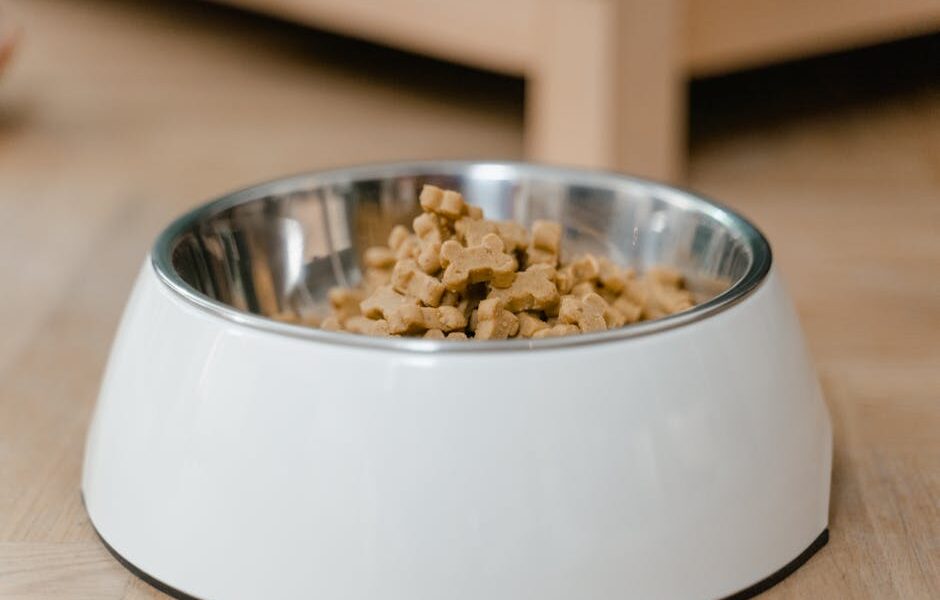
Why Working Dogs Need More Than Maintenance
Sport and working dog nutrition is its own category. A house pet doing leashed walks and weekend hikes eats adult maintenance food and stays in good condition; a sled dog running 100 miles a day in winter, a hunting retriever working multi-day trials, a herding stock dog out from dawn to dusk, or a police K9 doing daily patrol cannot. The calorie demand is fundamentally higher, the macronutrient mix is different, and meal timing relative to exertion matters in ways it does not for the average pet.
In this article
- Why Working Dogs Need More Than Maintenance
- Defining “Working Dog” for Nutritional Purposes
- Fat-Based Energy Is the Key Difference
- Protein for Tissue Repair and Lean Mass
- Hydration: A Sport-Dog Emergency Waiting to Happen
- Meal Timing Relative to Exertion
- Post-Exercise Recovery Feeding
- How Much to Feed
- Working-Dog Format Considerations
- Off-Season Adjustments
- Common Mistakes
- Seasonal Conditioning and Diet Progression
- Working Dogs with Health Conditions
- Frequently Asked Questions
This guide walks through what working dogs need that adult maintenance food does not provide, how fat- versus carbohydrate-based energy works in canine athletes, the hydration and meal-timing fundamentals, and where common sport-dog feeding mistakes happen. The framework here is consistent with American College of Veterinary Sports Medicine and Rehabilitation (ACVSMR) and ACVN positions on canine athletic nutrition.
Defining “Working Dog” for Nutritional Purposes
Not every active dog needs a performance diet. Most pet dogs — even very active ones doing daily off-leash runs or agility classes — can do well on a quality adult maintenance food. The dogs who genuinely benefit from a higher-fat performance formula are those whose work duration, intensity, or environmental conditions push them well past pet activity levels:
- Sled dogs (long-distance racing, mid-distance, sprint).
- Hunting retrievers in multi-day trials or working seasons.
- Herding stock dogs working full days.
- Police, military, and detection K9s on active patrol.
- Search and rescue dogs on multi-day deployments.
- Top-level agility, flyball, dock-diving, and protection sport dogs in heavy training.
A useful threshold: if your dog needs noticeably more food than the bag’s adult feeding guide just to maintain body condition, performance nutrition becomes relevant. For comparison framing, see adult dog maintenance nutrition.
Fat-Based Energy Is the Key Difference
The biggest nutritional distinction between maintenance and performance diets for dogs is the source of energy. Dogs are remarkably efficient at using dietary fat as their primary energy substrate during sustained aerobic work. Endurance-bred breeds like Alaskan Huskies adapt to extremely high-fat diets during racing seasons — some elite sled-dog kennels feed diets where roughly half the dry matter or more comes from fat. Hunting retrievers in working seasons commonly eat performance kibbles that run several percentage points higher in fat than household maintenance foods.
Fat delivers more calories per gram than protein or carbohydrate, which means a working dog can meet very high calorie demands without eating an unmanageable volume of food. Fat also supports the long-duration aerobic metabolism that endurance work depends on. This is why “performance” or “sport” formulas from major manufacturers — Purina Pro Plan Sport, Eukanuba Premium Performance, Royal Canin 4800 — run notably higher in fat than the same brand’s adult maintenance line.
Protein for Tissue Repair and Lean Mass
Working dogs also need elevated dietary protein, both in absolute amount and as a percentage of the diet. Protein supports muscle repair after exertion, replaces tissue lost to micro-damage, and maintains the lean body mass that makes work possible. Performance formulas typically run notably higher in protein than maintenance — the exact percentage varies by manufacturer and product line, but the principle is consistent.
Protein quality matters as much as quantity. Named animal proteins — chicken, beef, lamb, fish, turkey — deliver complete amino acid profiles. Read your performance bag’s label carefully — the AAFCO statement, ingredient order, and guaranteed analysis tell you whether the elevated protein number on the front of the bag is backed by quality formulation or marketing positioning.
Hydration: A Sport-Dog Emergency Waiting to Happen
Heat stroke is a leading cause of working-dog mortality. Dogs cool primarily through panting, not sweating, and a dog working hard in warm conditions can dehydrate quickly. Practical hydration management for working dogs includes:
- Pre-loading water before exertion — but not immediately before, to reduce gastric content during work.
- Frequent water access during long working sessions.
- Active monitoring for early signs of overheating — heavy panting, dark gum color, slowing pace, unusual stumbling.
- Wet food or moistened kibble during peak training season to boost daily water intake.
- Avoiding work in extreme heat, particularly for brachycephalic breeds.
Electrolyte management is generally less of an issue for dogs than for human athletes — dogs do not sweat the same volume of electrolytes — but extremely long-duration work (multi-day search and rescue, multi-day sled races) can shift this calculus, and the team veterinarian directs supplementation if relevant.
Meal Timing Relative to Exertion
One of the most common preventable working-dog problems is feeding a large meal too close to heavy exertion. A full stomach during intense work increases the risk of gastric dilatation-volvulus (bloat), particularly in deep-chested breeds, and reduces working efficiency. The standard guidance from sports medicine veterinarians is to feed the main meal 4 to 6 hours before heavy exertion and to feed the larger meal of the day after work is done, when the dog is cooled out and resting.
Some working programs use small carbohydrate-rich snacks during long working sessions for quick energy and morale, but the substantive calorie load comes from the post-work meal. Avoid the temptation to “fuel up” with a large meal right before work — it does not help and can cause real harm.
Post-Exercise Recovery Feeding
Post-exertion recovery feeding matters for working dogs working multi-day or multi-session schedules. The post-work meal should be the larger of the day, ideally fed within a few hours of the end of work when the dog has cooled out, water intake is normal, and gastric upset is unlikely. A meal that combines fat for caloric replacement and high-quality protein for tissue repair supports recovery for the next day’s work.
For dogs in heavy training cycles, body condition score and muscle condition score should be tracked weekly rather than monthly — see body condition score for dogs and muscle condition score (the MCS framework applies to working dogs, not just seniors). A working dog losing visible muscle is under-fed, under-recovered, or both.
How Much to Feed
Calorie need depends on the work. A pet retriever doing weekend hunting may need only modestly more than maintenance. A high-volume working sled dog can need three to five times maintenance during racing season. The practical approach is to feed to body condition rather than a single fixed number: ideal body condition score, maintained or slowly increasing muscle mass, glossy coat, and stable performance are the signals.
If the bag’s feeding guide is being doubled and the dog is still lean, the food is not calorie-dense enough — move to a higher-fat performance formula rather than continuing to push volume. For portion mechanics, see dog food portion guide.
Working-Dog Format Considerations
Dry kibble is the workhorse format for working dogs because of caloric density, shelf stability, and cost. Wet food has a place — palatability, hydration, post-work recovery — but pure wet feeding is impractical at the calorie volumes most working dogs need. Mixed feeding is common: a performance kibble base with a wet topper or a wet meal as part of the post-work feed.
Raw and home-cooked diets are used in some working kennels with variable success. The risks — pathogen exposure, AAFCO inadequacy without a board-certified veterinary nutritionist formulation, expense at the volumes working dogs eat — are the same as in pet dogs. The pathogen risk is genuinely higher in working environments where dogs share kennels and handlers move between multiple dogs without strict hygiene.
Off-Season Adjustments
A working dog’s calorie need drops sharply when active work ends. A retriever off-season after duck season, an agility dog between trial seasons, or a sled dog through the summer non-racing months all need less food than at peak training. Failure to adjust off-season is one of the most common causes of overweight working dogs, which is particularly damaging because excess weight in a working dog amplifies orthopedic stress when training resumes.
The off-season adjustment is usually a combination of switching back to a less calorie-dense food (adult maintenance instead of performance), reducing total volume, and maintaining whatever activity is appropriate during the off-period. Body condition score guides the adjustment.
Common Mistakes
Recurring errors veterinary sports medicine specialists see:
- Feeding adult maintenance to a heavily-working dog — under-fuels, leads to muscle loss and reduced performance.
- Feeding a large meal immediately before heavy work — bloat risk and reduced performance.
- Failing to drop calories in the off-season — leads to weight gain.
- Inadequate water access during work — dehydration and heat stroke.
- Improvised raw or home-cooked diets without DACVN formulation — nutrient imbalance compounded by high calorie volumes.
- Ignoring early signs of muscle loss or coat dullness — the diet is not adequate even if the dog is “still eating.”
Seasonal Conditioning and Diet Progression
Most working dogs follow a cyclical pattern across the year: pre-season conditioning, in-season work, and off-season rest. The nutritional plan ideally tracks this cycle. Pre-season conditioning is the right time to begin transitioning from adult maintenance up to performance formulation — typically 4 to 6 weeks before peak demand, mixed gradually using the 7-day protocol. In-season holds at performance density. Off-season transitions back down to maintenance over a similar window.
Body condition score guides the transitions. A dog who carries lean muscle and ideal body condition at the end of conditioning is well-prepared for the work; a dog who is gaining fat at this stage is being overfed relative to current activity. Adjust before the season starts rather than mid-event.
Working Dogs with Health Conditions
Working dogs are not immune to the conditions that affect pet dogs: hip and elbow dysplasia, osteoarthritis, food allergies, gastrointestinal disease, dental disease. Diagnosis of a chronic condition usually requires diet adjustment, sometimes incompatible with peak performance formulation. A retriever with food allergies cannot eat the same protein source he reacted to, regardless of how well it fueled him last season; a sled dog with early arthritis benefits from joint-support nutraceuticals and weight management even while training continues.
The team veterinarian and, for complex cases, a board-certified veterinary nutritionist work out the balance between performance demands and medical management. Forcing performance feeding through a medical contraindication is rarely the right call.
Frequently Asked Questions
Does my agility dog need a performance diet?
Maybe. If your dog is in heavy training, maintains weight only with significantly above-bag portions, and shows good muscle development, a performance formula often helps. Recreational agility students typically do well on adult maintenance.
How long before exercise should I feed my working dog?
The main meal should be 4 to 6 hours before heavy exertion. The post-work meal is typically the larger of the day, fed once the dog has cooled out and water intake is normal.
Is grain-free food better for performance?
There is no strong evidence that grain-free improves performance, and the FDA continues to investigate possible links between certain grain-free diets and dilated cardiomyopathy — see our grain-free pet food DCM FDA update.
How do I tell if my working dog is eating enough?
Body condition score in the lean-ideal range, maintained or slowly building muscle mass, glossy coat, steady or improving performance, and normal stool quality. Track all of these — none alone is sufficient.
What about supplements for working dogs?
Omega-3 fish oil (EPA and DHA) is the supplement with the broadest evidence for working-dog support — joint, anti-inflammatory, and cardiovascular roles. Joint nutraceuticals like glucosamine and chondroitin are commonly used. See joint supplement evidence review for the evidence framework; discuss specific products with your veterinary team.


