
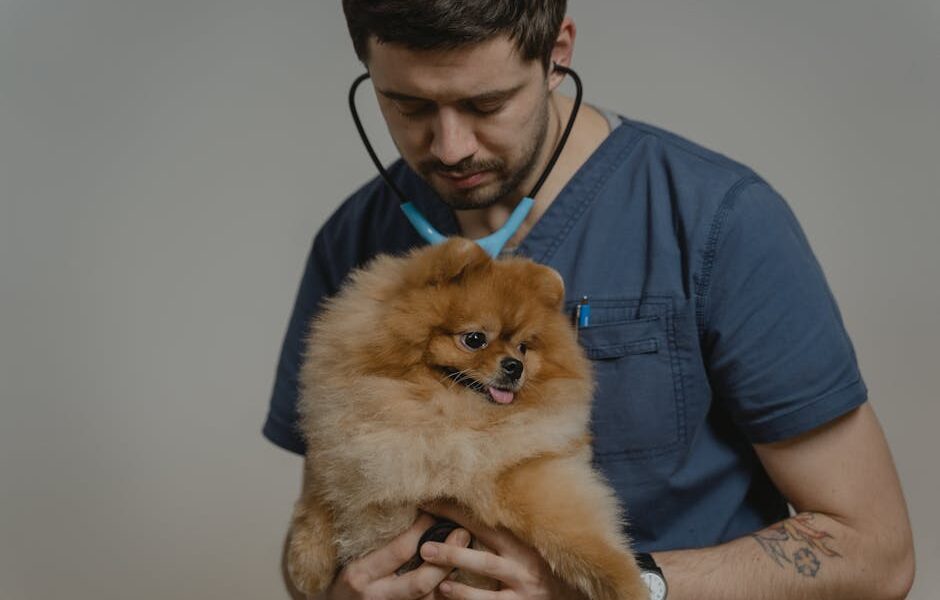
Why Most DIY Homemade Diets Fail
If you have ever searched online for a homemade dog or cat food recipe, you probably found dozens of confidently published meal plans. The problem is what published research has consistently shown: when these recipes are analyzed for nutritional completeness, the overwhelming majority — over 95% in the most-cited Tufts Cummings analyses — fall short of basic AAFCO nutrient requirements. The recipes look balanced because they include meat, vegetables, grain, and oil. The analyses show what is missing: calcium, iodine, copper, zinc, vitamin D, vitamin E, and the right ratio of calcium to phosphorus.
In this article
- Why Most DIY Homemade Diets Fail
- Who Is a Board-Certified Veterinary Nutritionist
- What a DACVN Consultation Actually Delivers
- The Calcium-Phosphorus Problem
- When Homemade Makes Sense
- balanceit.com — How It Works
- petdiets.com and Other DACVN Pathways
- Preparing and Storing Homemade Diets Safely
- Reformulation: Why You Cannot Just Set and Forget
- When Commercial Beats Homemade
- The Cost of Skipping the Nutritionist
- Frequently Asked Questions
This is why a homemade pet diet veterinary nutritionist consultation is not a luxury — it is the entry point. Pets can survive on a poorly formulated homemade diet for months without obvious symptoms. By the time signs of deficiency appear — weakened bones, anemia, skin disease, growth failure in puppies and kittens — significant damage has often already occurred. Growing animals, pregnant or lactating animals, and pets with concurrent medical conditions are at highest risk.
Who Is a Board-Certified Veterinary Nutritionist
A board-certified veterinary nutritionist holds the DACVN credential — Diplomate of the American College of Veterinary Nutrition (or the European equivalent, ECVCN). To earn it, a veterinarian completes a residency program in nutrition, publishes original research, and passes a rigorous board examination. Worldwide, there are only a few hundred DACVNs — fewer than there are board-certified cardiologists or oncologists.
This scarcity is part of why DIY homemade dieting is so widespread. There simply are not enough DACVNs for every dog and cat owner to consult one in person. Fortunately, two consumer-accessible services have democratized DACVN-formulated recipes — balanceit.com (developed by Sean Delaney, DVM, MS, DACVN, with a UC Davis affiliation) and petdiets.com (independent DACVN consultancy). Both produce written, individualized recipes for pets based on weight, age, body condition, life stage, and health history.
What a DACVN Consultation Actually Delivers
A nutrition consultation typically includes:
- A written recipe specifying exact ingredient weights, including a vitamin-mineral premix to fill nutrient gaps
- Calculations based on your specific pet’s resting energy requirement (RER), life stage, and condition
- A list of acceptable substitutions for cost or availability
- Guidance on preparation, storage, and portion sizes
- Recommendations for re-evaluation timing — typically every 6–12 months, more often for growing puppies and kittens or for pets with changing medical conditions
For pets with concurrent medical conditions — kidney disease, diabetes, liver disease, allergies, IBD — the consultation also accounts for therapeutic targets. A homemade kidney diet, for example, will control phosphorus, moderate protein quality, and supplement omega-3 in ways that an over-the-counter homemade recipe almost certainly does not. Compare with the prescription-diet path through resources like cat kidney diet homemade and best cat food kidney disease.
The Calcium-Phosphorus Problem
The most common DIY mistake is calcium-phosphorus imbalance. Muscle meat is high in phosphorus but low in calcium. A diet of mostly muscle meat, even with vegetables and grain, delivers far too little calcium relative to phosphorus. Over weeks to months, this can drive nutritional secondary hyperparathyroidism — the body pulls calcium from bone to maintain blood levels, leading to weakened, fracture-prone skeletons.
This is especially dangerous in growing puppies and kittens. A young dog on a calcium-deficient homemade diet can develop skeletal abnormalities and pathological fractures within months. A DACVN-formulated recipe addresses this directly with appropriate calcium sources (typically calcium carbonate or bone meal) at calculated weights, plus the right calcium-to-phosphorus ratio for the pet’s life stage.
When Homemade Makes Sense
Homemade feeding is not a fringe choice — there are legitimate reasons to pursue it, including:
- Severe food allergies where commercial options have been exhausted
- Multiple concurrent medical conditions where a single therapeutic diet does not address everything
- Pets refusing commercial therapeutic diets (palatability rescue with formulator oversight)
- Owners with strong preferences for ingredient sourcing or transparency
- Geographic areas where commercial therapeutic options are limited
- Cost — surprisingly, in some cases a DACVN-formulated home diet is cheaper than a premium prescription commercial diet, especially for large dogs
What does not justify DIY without DACVN involvement: a vague sense that homemade is “more natural,” a recipe found online from another owner, or a recipe from a non-DACVN influencer. The risk-to-benefit math falls apart quickly without professional formulation.
balanceit.com — How It Works
balanceit.com is the lower-cost, more accessible entry point for many owners. You create a profile for your pet — weight, body condition, age, activity, any medical conditions — and either select an autobalancer recipe or work with a DACVN to develop a custom plan. The platform is structured around a proprietary vitamin-mineral premix that is shipped to you, designed to fill the nutrient gaps in home-cooked food.
The autobalancer is suitable for healthy adult dogs and cats on common protein and starch combinations. For pets with medical conditions or unusual ingredients, the custom consultation path with a DACVN is the right tier. Costs vary — autobalancer recipes are relatively inexpensive; custom DACVN consults are more substantial but still typically less than a year of premium prescription food for a large dog.
petdiets.com and Other DACVN Pathways
petdiets.com is an independent DACVN consultancy founded by Rebecca Remillard, DVM, PhD, DACVN. It offers fully custom recipe formulation, particularly for complex medical cases. The model is more like a traditional specialist consultation — written reports, follow-up, and customization to your specific pet.
Some veterinary teaching hospitals also have a nutrition service that accepts referrals from your primary vet. For complex cases — multiple chronic conditions, oncology nutrition, transplant or major surgical recovery — a referral through your primary vet to a teaching hospital nutrition service may be appropriate.
Preparing and Storing Homemade Diets Safely
Even a perfectly formulated recipe can go wrong in execution. Some practical points:
- Weigh ingredients, do not measure by volume — the difference between a cup of rice cooked and uncooked can be 30%+ in caloric delivery.
- Use a kitchen scale calibrated for the gram range you need.
- Mix the vitamin-mineral premix into a batch only after cooking is complete and food has cooled — heat degrades some vitamins.
- Prepare batches that can be used within 3–5 days refrigerated; freeze portions beyond that window.
- Do not substitute ingredients without checking with your formulator — even seemingly minor swaps (different fish, different vegetable) can shift the nutrient profile meaningfully.
- If you cannot stick to the recipe consistently, consider whether commercial is a better fit for your household.
Compare with the operational reality of a homemade dog food guide walkthrough — the time and discipline commitment is real.
Reformulation: Why You Cannot Just Set and Forget
A formulated diet that works at one year of age may not work at five or ten. Pets’ needs change: growth ends, body condition shifts, kidney function declines, joint disease develops, dental issues alter what they can chew comfortably. A DACVN-formulated diet should be re-evaluated every 6–12 months for adult pets, and more often (every 1–3 months) for growing puppies and kittens.
If your pet develops a new medical condition — kidney disease, diabetes, food allergy — the homemade recipe usually needs significant adjustment. Do not assume the existing recipe still applies; loop your DACVN back in.
When Commercial Beats Homemade
For most healthy adult pets, a high-quality commercial complete-and-balanced diet — kibble, canned, fresh cooked, or freeze-dried — is the most practical, most consistent, and most foolproof option. The major manufacturers run feeding trials, quality-control protocols, and ongoing research that no single household can replicate.
Homemade earns its place when commercial cannot — true allergy work-up failures, complex multi-condition cases, palatability rescue under formulator supervision. It does not earn its place because of marketing about “natural” or “fresh” alone. A fresh cooked diet for dogs and cats from a reputable subscription brand captures most of the appeal of homemade while preserving complete-and-balanced formulation.
The Cost of Skipping the Nutritionist
The single one-time cost of a DACVN consultation is small compared to the cost of treating nutritional deficiencies. Skeletal abnormalities in growing puppies can require surgical correction. Adult-onset deficiencies can present as fractures, anemia, skin disease, or vague chronic illness that takes months to diagnose. Owners who started DIY with the best intentions often end up paying significantly more for veterinary care to undo the damage.
If you are committed to homemade feeding, budget for the consultation up front. It is the most cost-effective step in the process. Then plan to revisit every 6–12 months. Compare alternatives — including raw with formulator oversight, where the same nutritional adequacy bar applies — in our raw BARF diet for dogs and cats overview.
Frequently Asked Questions
Can I use a free online recipe if I add a multivitamin to it?
Generally no. Generic multivitamins are not formulated to fill the specific gaps in a specific recipe. They may oversupply some nutrients (causing toxicity risk for fat-soluble vitamins) while undersupplying others. DACVN-formulated diets use a recipe-specific premix calibrated to the exact recipe.
How much does a homemade pet diet veterinary nutritionist consultation cost?
Costs vary widely. balanceit.com autobalancer plans are relatively inexpensive — typically under $100 for the recipe plus the cost of the supplement. Custom DACVN consultations for complex cases run higher, often several hundred dollars. For most pet owners, this is a one-time or annual cost rather than a recurring expense.
Can my regular vet formulate a homemade diet for my pet?
Most general practitioners do not have the specialized training to formulate a balanced home diet for an individual pet. They can offer general guidance and refer you to a DACVN or to balanceit.com or petdiets.com. There is no shame in this — nutrition is a board-certified specialty for a reason.
How long can my pet stay on a DACVN-formulated diet before reformulation?
For healthy adult pets, every 6–12 months is reasonable. For growing puppies and kittens, every 1–3 months as they hit growth milestones. For pets with chronic medical conditions, reformulation timing depends on the condition — your formulator will advise.
Is a homemade diet always better than a prescription therapeutic diet?
No. Prescription therapeutic diets are extensively researched, feeding-trial tested, and consistent in formulation. For many conditions — kidney disease, urinary stones, allergies — the commercial therapeutic option is at least as effective and far more convenient. Homemade earns its place when commercial does not work for a specific pet, not as a default.


