
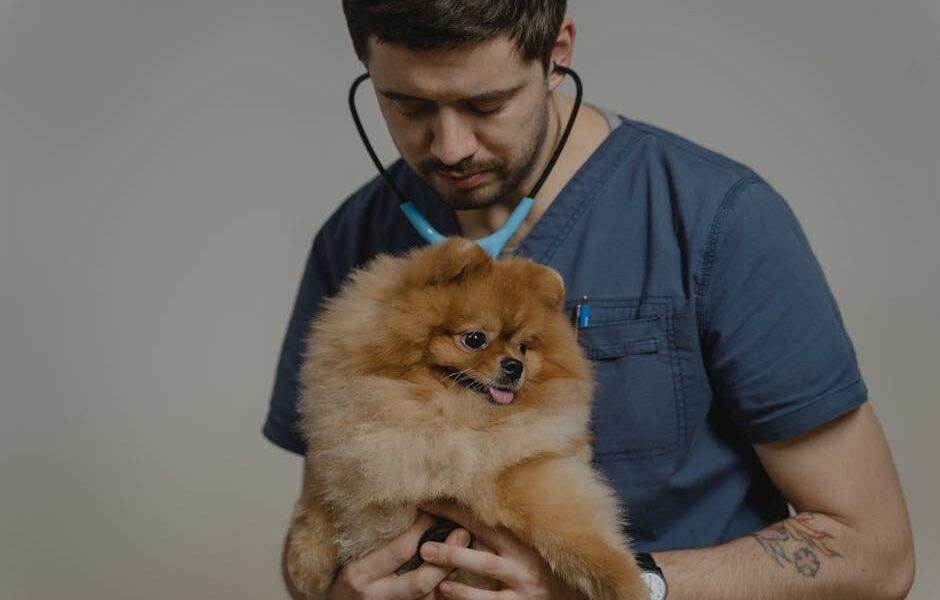
One of the biggest and least-discussed challenges of keeping homestead animals is finding veterinary help when you need it. New keepers often assume that the clinic that vaccinates their dog will also treat a goat, a pig, or a donkey, only to discover that large-animal and small-ruminant livestock vet care is genuinely scarce in many regions. The shortage of food-animal and large-animal veterinarians is real, and it shapes everything from emergency planning to which medications you can legally use. The time to solve this problem is before you ever bring an animal home, not in the middle of a crisis.
In this article
- The Large-Animal Vet Access Gap Is Real
- Finding a Livestock or Large-Animal Vet
- Mobile and Ambulatory Practices
- What Needs a Vet vs What Extension Can Help With
- The VCPR and Why It Matters for Any Drug
- Food-Animal Drug Rules and Withdrawal Periods
- Recognizing a Genuine Emergency
- What Livestock Vet Care Costs
- Building the Relationship and Planning for Emergencies
- Frequently Asked Questions
This guide explains the access gap, how to find and work with a livestock veterinarian, what truly requires a vet versus what extension services can help with, and the legal relationship, the VCPR, that governs any prescription drug use in food animals. We reference the American Association of Small Ruminant Practitioners (AASRP) for goats and sheep and the American Association of Swine Veterinarians (AASV) for pigs as recognized authorities. Walk Me Home Rescue is not affiliated with either; we cite them for accuracy. Solid livestock vet care is the foundation that makes responsible homesteading possible.
The Large-Animal Vet Access Gap Is Real
The number of veterinarians who treat livestock and large animals has declined for years, and many rural areas face genuine shortages. Most companion-animal clinics do not see goats, sheep, pigs, donkeys, or camelids at all, and those that do may have limited availability or long drive distances. The federal government has even designated rural veterinary shortage areas to highlight the problem.
For homesteaders this means you cannot assume help will be available on short notice. The access gap is one reason homestead keepers necessarily do more routine care themselves, from hoof trims to parasite monitoring, but it makes the rarer professional relationship even more valuable. Knowing your nearest livestock vet, and their emergency protocol, before an animal is sick is not optional planning; it is core preparation.
Finding a Livestock or Large-Animal Vet
Start your search early, ideally before acquiring animals. Useful avenues include:
- Mobile and ambulatory large-animal practices, which travel to your property rather than expecting you to transport the animal, common for equines and ruminants.
- Your state’s cooperative extension service and land-grant university, which often maintain referral lists and offer livestock education.
- Veterinary professional associations such as the AASRP and AASV, which can point you toward members in your area.
- Local farmers, 4-H and FFA programs, and breed clubs, which know who actually treats livestock nearby.
When you find a practice, establish a relationship proactively, with a routine visit or herd-health consultation, rather than first calling them in an emergency. Many practices prioritize existing clients for emergencies, and as explained below, a prior relationship is also legally necessary for prescriptions.
Mobile and Ambulatory Practices
Because moving a goat, pig, or donkey to a clinic is impractical or impossible for many owners, much livestock vet care happens on the farm through mobile or ambulatory practices. These vets carry equipment in a truck and handle vaccinations, examinations, dental work, and many procedures on site.
Mobile practices often cover wide territories and schedule farm calls efficiently, which can mean planning routine work in advance rather than expecting same-day visits. Build your routine herd-health calendar around their availability, group non-urgent tasks into scheduled visits, and clarify ahead of time what their emergency and after-hours coverage looks like, since not every mobile vet offers 24-hour emergency service.
What Needs a Vet vs What Extension Can Help With
Part of managing the access gap is knowing which questions belong to a veterinarian and which your extension service or own skills can handle. Routine husbandry, feeding programs, FAMACHA parasite monitoring, hoof trimming technique, and general management questions are areas where cooperative extension, land-grant universities, and experienced keepers can offer enormous help and education.
A veterinarian is required for diagnosis of illness, prescription medications, surgery and castration, emergencies such as bloat or suspected laminitis, difficult births, and anything involving controlled or prescription drugs. The animal-specific emergencies covered across our homestead guides, including common goat health problems and the laminitis risk in miniature donkeys, all fall squarely into the veterinary column. When in doubt, call the vet; extension is for management and education, not for treating a sick animal.
The VCPR and Why It Matters for Any Drug
The veterinarian-client-patient relationship, or VCPR, is a legal and ethical requirement that underpins the use of any prescription medication. In plain terms, a veterinarian must be familiar with your animals and your operation, through examination and ongoing involvement, before legally prescribing or directing the use of prescription drugs. You cannot lawfully obtain and use most prescription treatments without an established VCPR.
This matters intensely on a homestead because so many livestock drugs are prescription or used in an extra-label way. Under the federal AMDUCA framework, extra-label drug use in animals is permitted only under the direction of a veterinarian within a valid VCPR. This is precisely why this site never provides doses for dewormers, antibiotics, or other drugs: the legal and safe path runs through your vet, not through internet dosing charts.
Food-Animal Drug Rules and Withdrawal Periods
If you consume products from your animals, such as goat milk or eggs from a backyard flock, or meat, you are dealing with food animals in the eyes of regulators, even when you think of them as pets. Food-animal status changes the drug rules significantly. Many medications carry a mandatory withdrawal period, the time that must pass after treatment before milk, eggs, or meat are safe to consume or sell.
Withdrawal periods exist to keep drug residues out of the food supply, and for extra-label drug use the appropriate withdrawal time must be set by a veterinarian, because the label withdrawal no longer applies. This is another reason a working relationship with a livestock vet is not just convenient but legally and practically essential. Never assume a treated animal’s products are safe; confirm withdrawal with your veterinarian.
Recognizing a Genuine Emergency
Because help may be hours away, knowing which signs cannot wait is part of livestock vet care. Across species, certain symptoms warrant an urgent call rather than a wait-and-see approach:
- Off feed or not chewing cud. A ruminant that stops eating or a pig or donkey that suddenly refuses food is often seriously ill.
- Bloat. A distended left flank in a goat, sheep, or other ruminant is a life-threatening emergency.
- Straining to urinate, especially in a male goat or sheep, which can signal a blocked urinary tract.
- Difficult or prolonged labor, where a birth is not progressing.
- Sudden lameness or a hot, painful hoof, a possible laminitis or founder sign in equines.
- Labored breathing, collapse, severe bleeding, or neurological signs such as circling, head pressing, or seizures.
Knowing these in advance lets you act decisively and describe the situation clearly when you call. Keep your vet’s number, an after-hours line, and the nearest referral hospital posted where everyone can find them. Bloat and urinary calculi in goats and the laminitis risk in equines are exactly the kinds of fast-moving emergencies that make a pre-established veterinary relationship so valuable, since there is no time to start searching for a vet once the animal is in crisis.
What Livestock Vet Care Costs
Cost is a real part of the access picture, and figures vary widely by region and are current as of 2024 to 2025. Where a livestock or large-animal vet is available, expect a farm-call or trip fee on top of the examination, since the vet’s travel time is part of the service. Routine herd-health visits, vaccinations, and procedures such as castration are generally modest, while emergencies, surgery, and after-hours calls cost considerably more. Mobile practices may charge per visit plus mileage, which makes grouping non-urgent tasks into a single scheduled call economical.
Budgeting for veterinary care, including an emergency reserve, is part of responsible homesteading and a frequent blind spot for new keepers who assumed livestock care would be cheap. Pet-framed animals, in particular, may warrant individual treatments a production operation would forgo, so decide in advance how you will weigh those costs. An honest financial plan prevents the painful situation of needing care you cannot afford.
Building the Relationship and Planning for Emergencies
Treat your livestock veterinarian as a long-term partner. Schedule routine herd-health visits, keep good records of vaccinations, treatments, and any drug use with its withdrawal period, and ask your vet to help you build an emergency plan. Know the after-hours number, the nearest referral or university hospital, and what you can safely do while waiting for help.
Emergency readiness also means knowing your transport options, since some emergencies require getting an animal to a clinic, and integrating that into broader disaster planning for your property. Establishing all of this in advance is what turns the daunting access gap into a manageable reality, and it applies across every species, from the goats and sheep in our dwarf-goat guide to camelids and pigs. Reliable livestock vet care is built on relationships you create before you need them.
Building your own home-care skills is the other half of managing the gap. Learn to take a temperature, recognize normal respiration and rumen activity, score body condition, and perform FAMACHA checks, and ask your vet to demonstrate these during routine visits. Keep a stocked livestock first-aid kit and a written list of normal vital signs for each species so you can tell when something is genuinely wrong. The goal is not to replace the vet but to recognize problems early, manage minor issues, and give the professional accurate information when you call, all of which makes the scarce expertise go further.
Frequently Asked Questions
Why is it so hard to find a vet for livestock?
There is a longstanding shortage of large-animal and food-animal veterinarians, especially in rural areas, and most companion-animal clinics do not treat goats, sheep, pigs, donkeys, or camelids. This access gap means you should locate and establish a relationship with a livestock vet before you ever need one.
What is a VCPR and why do I need one?
A veterinarian-client-patient relationship means a vet is familiar with your animals and operation through examination and ongoing care. It is legally required before a veterinarian can prescribe or direct the use of prescription drugs, so you cannot lawfully use most livestock medications without one.
Can I just buy and use livestock dewormers and antibiotics myself?
Many livestock drugs are prescription or used in an extra-label way that legally requires veterinary direction within a valid VCPR. Misusing drugs also breeds resistance and risks unsafe residues, which is why dosing should always come from your vet rather than online charts.
What is a withdrawal period?
A withdrawal period is the time that must pass after a medication before an animal’s milk, eggs, or meat is safe to consume. Because backyard animals are food animals under the rules even when kept as pets, withdrawal periods apply, and for extra-label use your veterinarian must set the correct time.
What can my extension office help with instead of a vet?
Cooperative extension and land-grant universities are excellent for management, feeding programs, FAMACHA parasite monitoring, hoof-care technique, and general education. They are not a substitute for a veterinarian, who is needed for diagnosis, prescriptions, surgery, and emergencies.
What counts as a livestock emergency I should not wait on?
Call right away for an animal off feed or not chewing cud, bloat (a distended left flank in a ruminant), straining to urinate in a male goat or sheep, difficult or stalled labor, sudden severe lameness or a hot painful hoof, labored breathing, collapse, heavy bleeding, or neurological signs like circling or seizures. Because help can be hours away, knowing these in advance lets you act decisively.
How much does livestock vet care cost?
Costs vary by region and are current as of 2024 to 2025. Expect a farm-call or trip fee on top of the exam, with routine visits, vaccinations, and castration relatively modest and emergencies, surgery, and after-hours calls costing considerably more. Grouping non-urgent tasks into one scheduled mobile visit saves on travel charges. Budget an emergency reserve as part of responsible homesteading.


