
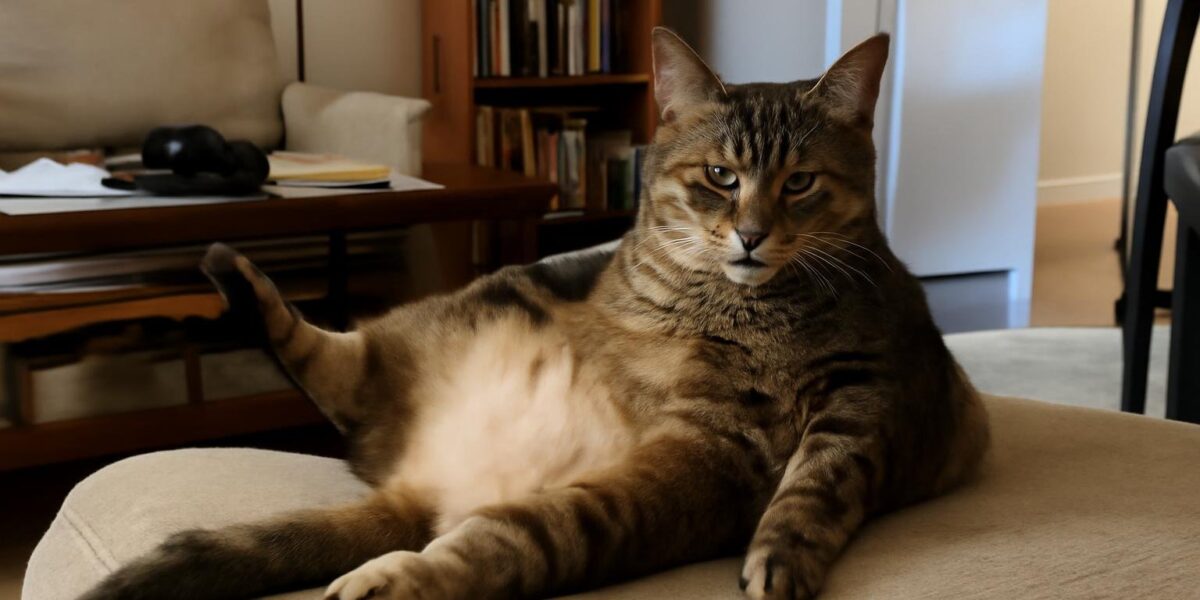
If you are asking how do I get my cat to like being held, take heart: yes, you can help many cats become more comfortable with being picked up, as long as you go slowly, respect her signals, and always let her feel in control. Most cats resist holding because being lifted off the ground feels vulnerable and restrictive, not because they dislike you. By pairing gentle, brief handling with treats and freedom to leave, you teach your cat that being held is safe and even pleasant. Never force or trap her, and let your cat set the pace every step of the way.
In this article
Why Some Cats Dislike Being Held
Cats are independent creatures who value being in control of their own movement. When you lift a cat, she loses the ability to escape, which can trigger an instinctive feeling of vulnerability. For a cat, freedom to leave is deeply reassuring, and removing it can cause unease.
Past experiences shape this too. A cat who was grabbed, restrained for a vet exam, or held against her will may have learned that being picked up leads to something unpleasant. Kittens who were handled gently from a young age tend to be more accepting, while others need patient relearning.
Reading your cat’s body language is essential. A tense body, flattened ears, a twitching tail, or attempts to wriggle free all say “please put me down.” The cat body language guide helps you recognize these signals so you can respond before your cat feels the need to escalate.
It is also worth accepting that personality plays a big role. Some cats are naturally cuddly and melt into your arms, while others are more independent by nature and prefer affection on the ground, on their own terms. Neither type loves you any less. Your aim is to expand your particular cat’s comfort zone gently, not to force a fundamentally aloof cat to become a lap-loving snuggler overnight.
Build Trust Before You Lift
Comfortable holding starts with a cat who feels safe around you in general. Before working on being picked up, invest in everyday trust-building so your presence already predicts good things.
- Spend calm time near your cat without reaching for her, letting her approach you.
- Offer treats and gentle chin or cheek rubs in the spots she enjoys.
- Reward her for sitting in your lap on her own terms, with no holding.
- Keep your movements slow and your voice soft around her.
A cat who trusts you and seeks out your company is far more open to being held. If your cat is shy or recently adopted, patient relationship-building is the perfect starting point before you ever attempt to lift her.
Let your cat be the one to initiate contact whenever possible. Sit on the floor at her level, avoid staring directly at her, and offer a slow blink, which cats read as a friendly, non-threatening gesture. When she chooses to climb into your lap or rub against you, you know trust is growing. Building this voluntary closeness first means that, when you do eventually lift her, she already feels safe in your company.
A Step-by-Step Plan for Happy Handling
The goal is to make being held a brief, rewarding, and entirely optional experience. Build up in tiny steps and let success guide your speed.
- Start by touching your cat’s sides and belly area gently while she stands, rewarding calm with treats.
- Place your hands as if to lift, without actually lifting, and reward.
- Lift her just an inch or two for a single second, then set her down and treat immediately.
- Gradually extend the time held by a few seconds, always supporting her chest and hind end.
- End every session before your cat gets uncomfortable, so holding always finishes on a good note.
Always support your cat fully so she feels secure, never dangling or squeezing. The instant she signals she wants down, set her down calmly. Letting her leave when she asks actually builds her confidence, because she learns that being held never becomes a trap.
It can feel counterintuitive to release a cat the moment she wriggles, since you might worry you are rewarding the wriggling. In reality, honoring her request to get down is what teaches her that you are trustworthy and that being held is always safe and temporary. A cat who knows she can leave whenever she likes becomes far more willing to stay a little longer each time, because the experience no longer carries any threat of being trapped.
Make Being Held Genuinely Rewarding
Pairing holding with wonderful things changes how your cat feels about it over time. The aim is for your cat to associate your arms with treats, comfort, and good experiences.
Keep especially tasty treats reserved just for handling sessions, so being lifted predicts the best snacks. Some cats relax when held near a favorite warm spot or after a satisfying play session, when they are already content. Soft praise and slow petting in her favorite areas can make the experience soothing rather than stressful.
A cat whose needs are well met is generally more relaxed and receptive. Regular cat enrichment activities and play help burn energy and reduce overall tension, and the calming techniques in how to calm an anxious cat are a great companion for a worried or jumpy cat.
Think about how you hold her, too. Most cats feel most secure with one hand supporting under the chest and front legs and the other supporting the hindquarters, so their full weight is cradled and nothing dangles. Holding her close to your body rather than out at arm’s length adds to that feeling of security. A cat who feels physically stable is far less likely to panic and far more likely to relax into the experience.
Common Mistakes to Avoid
The most common mistake is forcing a cat to be held when she clearly wants down. Restraining a struggling cat confirms her fear that being picked up is a trap, and it can lead to scratching, biting, and a lasting aversion to your arms.
Another error is holding for too long, too soon. Pushing past your cat’s comfort threshold turns a positive experience negative. Always quit while you are ahead, keeping early sessions to just a second or two.
Avoid scooping your cat up suddenly or from behind, which startles her. Approach calmly, let her see your intention, and support her body fully. Never punish a cat for squirming or scratching during handling, since that only adds fear. Patience and respect for her signals are what build genuine comfort.
Realistic Timeline and When to Get Help
Many cats become noticeably more comfortable with handling over a few weeks of short, positive, daily sessions. Some cats simply tolerate rather than adore being held, and that is okay, as every cat has her own personality. Celebrate small gains and respect her limits.
If your cat reacts with intense fear or aggression to any handling, or if her tolerance suddenly drops, consult your veterinarian or a feline behaviorist. Cats often hide pain, and a cat who newly resists being touched or lifted may be uncomfortable due to a medical issue like arthritis or an injury. A vet can rule out physical causes before you continue training.
If you have recently adopted your cat, give her plenty of time to settle before working on holding, and lean on the gentle pace in how to help a shy rescue cat. Earning a once-wary cat’s trust until she relaxes in your arms is one of the most rewarding parts of choosing to adopt a pet.
Above all, let your cat’s comfort guide every session. Holding should feel like a gift she chooses to accept, not a demand. By respecting her signals, keeping sessions short and rewarding, and always letting her down when she asks, you build a relationship in which being picked up means safety and good things, which is the surest path to a cat who genuinely enjoys your arms.
Frequently Asked Questions
Why does my cat hate being picked up?
Being lifted removes a cat’s ability to escape, which feels vulnerable. Past negative handling can add to the dislike. Going slow, rewarding, and always letting her down on request helps a lot.
Will every cat eventually love being held?
Not necessarily. Some cats only ever tolerate brief handling, and that is perfectly normal. The goal is comfort and trust, not forcing a snuggly lap cat out of an independent personality.
How long should I hold my cat during training?
Start with just a second or two and add time gradually as she stays relaxed. Always end before she gets uncomfortable so being held finishes on a positive note.
What should I do if my cat scratches when I pick her up?
Set her down calmly without scolding, then back up to an easier step. Scratching signals you moved too fast. Rebuild trust with treats and very brief, gentle handling.
Could a sudden dislike of being held mean my cat is sick?
Yes. Cats hide pain well, so a new resistance to being touched or lifted can indicate arthritis, injury, or illness. Have your vet check her if her tolerance changes suddenly.


