
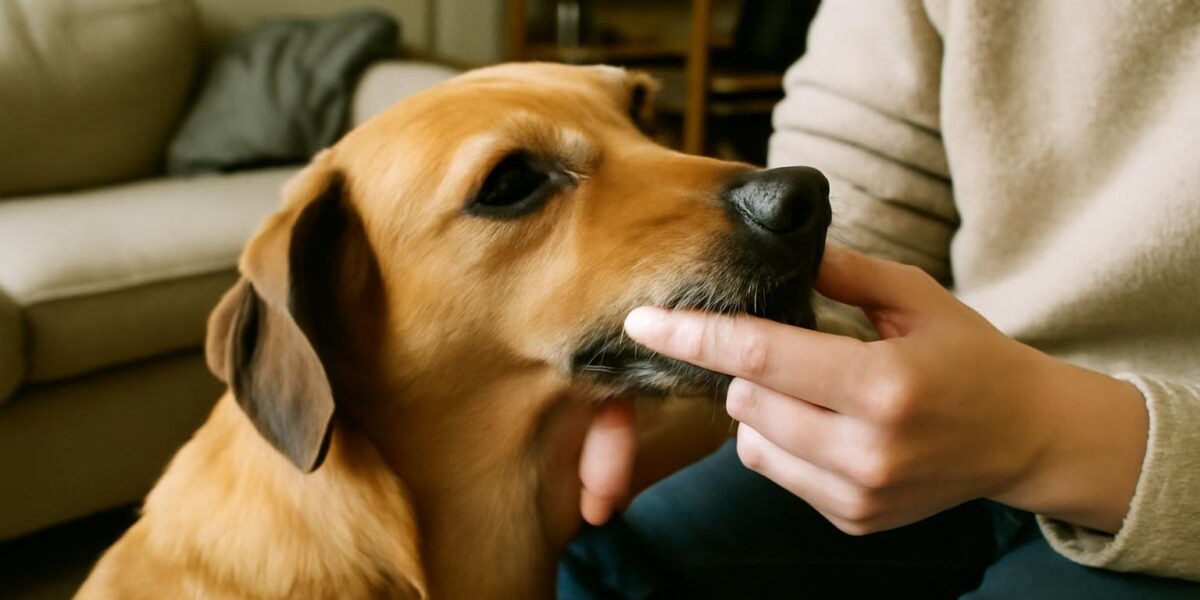
Yes, You Can Teach Your Dog to Accept Toothbrushing
If you are wondering how do I get my dog to let me brush his teeth, the answer is a confident yes, and the path there is slow, gentle, and full of rewards. Dental care is one of the most important things you can do for your dog’s long-term health, and with patient desensitization most dogs learn to accept, and even look forward to, having their teeth brushed. The trick is to introduce each new step at your dog’s pace, pairing it with tasty rewards, and never forcing his mouth open.
In this article
Think of toothbrushing as a cooperative-care skill you build together over a couple of weeks, not something you do to your dog. When your dog learns that the toothbrush predicts treats and praise, he relaxes, and the whole routine becomes easy.
It is worth understanding why this is so important. Dental disease is one of the most common health problems in dogs, and it can lead to pain, tooth loss, and even affect other organs over time. Plaque builds up daily and hardens into tartar within just a couple of days, so regular brushing is the single most effective thing you can do at home to protect your dog’s mouth. A dog who happily accepts toothbrushing gets that protection without stress, which is a real win for his long-term health and comfort. The patience you invest now pays dividends for the rest of your dog’s life.
Why Dogs Resist Having Their Teeth Touched
Most dogs are not naturally fond of having fingers or brushes in their mouths, and a few reasons explain why.
- The mouth is sensitive. Handling around the muzzle and lips feels vulnerable to many dogs, so they pull away.
- It is unfamiliar. A brush moving along the gums is a strange sensation your dog has no reason to trust until you teach him it is safe.
- Past rough experiences. A dog who has had his mouth pried open or held still learns to dread the whole process.
- Dental pain. If your dog’s gums or teeth are sore, brushing genuinely hurts. Always rule out dental disease with your vet first.
Resistance is discomfort, not defiance. That is why pushing harder never works, but going slower always does.
It also helps to consider your dog’s history. A puppy who has never had anything unpleasant happen around his mouth usually accepts brushing quickly, while an older rescue who may have endured rough handling needs more time and gentleness to rebuild trust. Whatever your dog’s background, the same principle applies: you are showing him, one small step at a time, that having his teeth touched leads to good things rather than discomfort. Meet your dog where he is, celebrate small progress, and never let a session become a struggle, and his confidence will grow steadily.
Gather the Right Supplies
Setting up properly makes everything smoother. You will need a dog-specific toothpaste, never human toothpaste, which contains ingredients like xylitol and fluoride that are dangerous for dogs. Choose a flavor your dog loves, such as poultry or peanut, so the paste itself becomes a reward.
For the brush, you can use a soft dog toothbrush or a finger brush that slips over your fingertip. Finger brushes feel less intimidating to many dogs at first. Have plenty of small, high-value treats ready, and pick a calm time of day when you and your dog are both relaxed.
Where you work matters too. Choose a quiet spot with few distractions, and position yourself beside your dog rather than looming over him, which can feel threatening. For small dogs, your lap may work well; for larger dogs, sitting on the floor together is often more comfortable. Approaching from the side and slightly behind the head, rather than head-on, is less confrontational and lets you reach the teeth more naturally. A relaxed setting and a relaxed posture set the tone for a calm session, and they signal to your dog that this is a low-pressure, pleasant routine rather than something to brace against.
A Step-by-Step Desensitization Plan
Move through these stages over days, not minutes. Stay at each step until your dog is comfortable and happy before advancing. Keep every session short and end on a positive note.
- Touch the muzzle. Gently touch the side of your dog’s face and lips, treating each time, until he welcomes the contact.
- Lift the lip. Briefly lift a lip to expose a tooth, then immediately reward. Build up to touching the teeth and gums with a clean finger.
- Introduce the toothpaste. Let your dog lick a little dog toothpaste off your finger. Most dogs love the taste, which makes this an easy, happy step.
- Add the brush. Put a dab of paste on the brush and let your dog lick it off. Now the brush itself predicts something delicious.
- Brush a few teeth. Gently brush one or two front teeth with small circular motions, then reward and stop. Keep it brief.
- Build up coverage. Over many sessions, work toward brushing more teeth, focusing on the outer surfaces where plaque builds. The gum line matters most.
For the full technique on positioning, motion, and how often to brush, see our complete guide on how to brush a dog’s teeth, which walks through the mechanics in detail.
Keep It Cooperative and Calm
The golden rule of cooperative care is to let your dog have a say. A dog who can move away when he needs to is far more willing to stay than one who feels trapped.
Watch his body language throughout. A relaxed dog stays soft and takes treats readily. If you notice stress signals like turning his head away, lip-licking, yawning, or stiffening, pause and slow down. These are requests for a gentler pace, and honoring them builds the trust that makes toothbrushing easy.
If your dog is generally anxious about handling, building overall calmness helps a great deal. The methods in our guide on how to calm a nervous dog work hand in hand with cooperative dental care, since a relaxed dog learns faster and is far less likely to resist.
Common Mistakes to Avoid
Sidestep these pitfalls to keep your progress on track.
- Using human toothpaste. It can be toxic to dogs. Always use a dog-specific product.
- Rushing the steps. Jumping straight to brushing before your dog is comfortable with handling guarantees resistance. Patience is everything.
- Prying the mouth open. You only need to lift the lips to reach the outer tooth surfaces. Forcing the jaw open frightens dogs and is unnecessary.
- Skipping the rewards. The treats are how your dog learns the routine is worthwhile. Be generous, especially early on.
- Giving up after one bad session. If a session goes poorly, simply back up to an easier step next time. Progress is rarely a straight line.
A Realistic Timeline
Many dogs work through the steps over one to three weeks of short daily sessions. A puppy or an easygoing dog may accept brushing within days, while a dog with a sensitive mouth or past bad experiences may need a month or more. Daily brushing is ideal once your dog accepts it, but even several times a week makes a real difference to dental health.
If your dog snaps, growls, or panics whenever you approach his mouth, stop and get help. Have your vet check for dental pain, which is a common hidden cause of mouth sensitivity, and consider a certified trainer or behaviorist to guide cooperative-care training. And remember, home brushing complements but does not replace professional dental cleanings; your vet will advise how often your dog needs those.
Keep your expectations gentle and your sessions positive, and you will get there. Some days will go better than others, and that is completely normal. If a session stalls, simply end on an easy, successful step, give a treat, and try again tomorrow from a slightly easier place. The goal is never to force your way through a single perfect brushing; it is to build, day by day, a dog who genuinely does not mind, and may even enjoy, having his teeth cared for. That relaxed, willing partner is what makes lifelong dental care sustainable, and it is well within reach for nearly every dog with patience and plenty of rewards.
Frequently Asked Questions
How often should I brush my dog’s teeth?
Daily brushing is the gold standard, since plaque starts to harden into tartar within a couple of days. If daily is not realistic, aim for at least three times a week. Any regular brushing is much better than none.
Can I just use dental chews instead of brushing?
Dental chews and water additives can help, but they do not replace brushing, which physically removes plaque from the tooth surface. Use them as a helpful supplement alongside brushing, not a substitute.
What if my dog only tolerates a few teeth at a time?
That is fine, especially at first. Brush a few teeth, reward, and stop. Over time you can cover more of the mouth in each session. Short and positive beats long and stressful.
My dog’s breath is really bad. Is that normal?
Persistent bad breath often signals dental disease and is worth a vet visit. Brushing helps prevent buildup, but strong odor, red gums, or reluctance to eat can mean a problem that needs professional dental care.


