
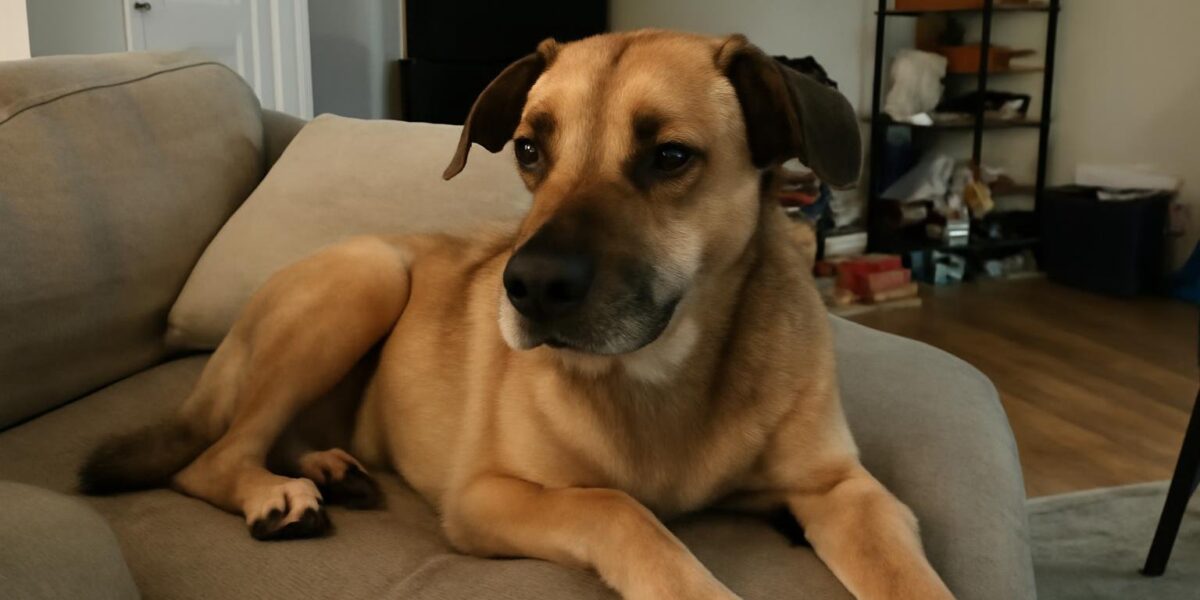
If your dog trembles in the waiting room and you keep wondering how do I get my dog to like the vet, the good news is that you can dramatically lower that fear with a patient, positive-reinforcement approach. Most dogs do not dislike the vet for no reason; they associate the clinic with strange smells, being restrained, and the occasional poke. By building happy associations with the carrier, the car, the clinic, and gentle handling, you can help your dog walk in calmer and even look forward to the treats that come with each visit.
In this article
Why Dogs Fear the Vet
Veterinary clinics are a sensory overload for dogs. They smell other anxious animals, hear yelps and beeping machines, stand on slippery floors, and are handled by strangers in ways that sometimes pinch or pull. One uncomfortable exam can teach a dog that the whole building means trouble.
Restraint is a big trigger. Being held still for a temperature check or an injection goes against a frightened dog’s instinct to move away, and that loss of control fuels panic. Add the buildup of a car ride they may already dislike, and the dog arrives stressed before anyone touches them.
Spotting fear early lets you intervene. Trembling, drooling, a tucked tail, and refusing treats are all signs your dog is over threshold. Tuning into the subtler cues described in our guide to calming signals in dogs helps you advocate for breaks during the appointment.
Building Happy Associations Before the Appointment
Much of vet anxiety can be prevented between visits, when there is no pressure at all. Your job is to make every piece of the vet experience predict good things.
- Practice gentle handling at home, touching ears, paws, mouth, and body, followed by treats.
- Take fun car rides that do not end at the clinic so the car stops meaning fear.
- Do happy visits, dropping by the clinic just to weigh your dog, get treats from the staff, and leave.
- Mimic exam positions, like a brief restraint hug, then reward and release.
These practice sessions are the heart of cooperative care, and our detailed walkthrough on cooperative care for reactive dog vet visits shows how to teach a chin rest and consent behaviors that give your dog a sense of control during exams.
The Step-by-Step Desensitization Plan
Work through these stages over several weeks, only advancing when your dog stays relaxed and happily takes treats.
- Handling at home. Touch one body area, treat, release. Build up to full mock exams.
- Car comfort. Reward calm car rides until the car itself is no big deal.
- Parking lot visits. Drive to the clinic, treat in the lot, and drive home without going in.
- Lobby visits. Walk in, weigh your dog, let staff hand out treats, and leave on a happy note.
- Exam room practice. Ask for a no-appointment room visit so the table and floor become familiar.
- Real appointment. Arrive early, bring high-value treats, and ask the team to go slow and pause if your dog signals stress.
Many dogs that fear the vet also dread the journey, so smoothing out travel anxiety pays off. Our guide to calming a nervous dog includes car-ride desensitization that supports a calmer arrival.
Working With Your Vet Team
A modern, fear-aware clinic will partner with you. Ask whether they offer Fear Free or low-stress handling, separate dog and cat waiting areas, and non-slip mats on exam tables. Many clinics will let you wait in the car and text you when a room is ready, which spares your dog the chaotic lobby.
Bring your dog hungry so treats are extra motivating, and pack their favorite snacks. Tell the staff your dog is nervous and ask them to move slowly, offer treats, and pause when you see stress signals. You are allowed to advocate for breaks, and a good team will welcome it.
For very fearful dogs, talk to your vet about pre-visit calming medication. Given an hour or two before the appointment, these safe, vet-prescribed aids can take the edge off and help the positive training stick instead of being overwhelmed by panic.
Teaching Cooperative-Care Behaviors
One of the most powerful things you can teach a vet-anxious dog is a sense of control during handling. When a dog believes they can ask for a pause, the fear of being trapped melts away, and that single shift transforms how exams feel.
The chin rest is the classic cooperative-care behavior. You teach your dog to rest their chin in your palm or on a folded towel, and as long as their chin stays there, the handling continues. The moment they lift the chin, all handling stops. This gives your dog a clear, honest way to say “I need a break,” and most dogs, sensing they will be listened to, choose to keep the chin down longer than you would expect.
You can build similar consent behaviors for specific procedures. Teach your dog to offer a paw for a nail check, to stand still for a body exam, or to turn their head so you can look in an ear. Practice each one at home with treats so that by the time you reach the clinic, the behaviors are familiar and rewarding rather than frightening demands.
Bring these skills into the exam room and ask your vet to honor the pauses. A fear-aware team will happily work with a chin rest, stopping when your dog signals and resuming when they re-offer. Over several visits, your dog learns that the clinic is a place where their voice is respected, which is the foundation of genuinely liking the vet.
Common Mistakes and a Realistic Timeline
The biggest mistake is only ever showing up at the clinic for stressful procedures, so the building always predicts something scary. Reassuring a dog in a high-pitched panicked voice, dragging them through the door, or skipping treats also backfires.
Expect this to be a gradual project. A mildly anxious dog may relax over a few weeks of practice, while a deeply fearful dog can take several months. Severe fear, growling, snapping, or full shutdown at the clinic means it is time to involve a certified veterinary behaviorist, who can combine a behavior plan with medication if needed.
It also helps to keep your own emotions steady at the clinic. Dogs are exquisitely tuned to our body language, so if you tense up in the waiting room, coo in a worried high-pitched voice, or hover anxiously, your dog assumes there is something to fear. Project calm, breathe easily, and act as though the visit is no big deal, and your dog borrows that confidence from you.
Finally, do not measure progress only by the big appointments. The real wins happen in the small moments, like your dog hopping out of the car at the clinic without hesitation, taking treats in the lobby, or relaxing onto the exam table. Stack enough of those small successes and the dreaded vet visit slowly becomes just another errand you run together.
Special Situations: Puppies, Rescues, and Seniors
Different dogs come to the vet with different histories, and tailoring your approach to your dog’s background makes a real difference. A one-size-fits-all plan often misses what a particular dog actually needs to feel safe.
Puppies are at a golden window for building positive vet associations. Frequent happy visits, gentle handling games, and treats during their early checkups can set them up to enjoy the vet for life, so it is well worth investing in that foundation while they are young and impressionable.
Rescue dogs may carry fears from unknown past experiences, and they often need extra patience and predictability. Give a newly adopted dog time to settle into your home before tackling non-urgent vet anxiety, and lean heavily on the lobby visits and handling practice so the clinic becomes familiar on their own terms. Building general trust first, as covered in our guide on helping a rescue dog adjust, lays the groundwork for cooperative vet visits.
Senior dogs may visit the vet more often for health monitoring and may have pain or stiffness that makes handling uncomfortable. Be gentle with sore joints, ask for non-slip surfaces and a low-stress pace, and let your vet know about any sensitive areas so exams can work around them. Comfort and respect keep even a frequent-flyer senior relaxed.
Frequently Asked Questions
Can I bring treats into the vet’s office?
Yes, and you should. Bring high-value treats and feed them generously during the visit, unless your dog is fasting for a specific procedure. Always check with the staff first.
What is a happy visit?
A happy visit is a short, low-pressure trip to the clinic just to get weighed and receive treats from the staff, with no exam or procedure. It teaches your dog the building is not always scary.
Should I ask about calming medication?
For very fearful dogs, yes. Your vet can prescribe safe pre-visit anti-anxiety medication that reduces panic and makes your training far more effective. Never use human medication without guidance.
My dog growls at the vet. Is that a problem?
Growling is your dog telling you they are frightened. Do not punish it. Slow down, give your dog more space and breaks, and ask your vet about a referral to a veterinary behaviorist.
How early should I arrive for an appointment?
Arrive a few minutes early so you can settle, but if the lobby is busy and stressful, ask to wait in the car until a room is ready to keep your dog under threshold.


