
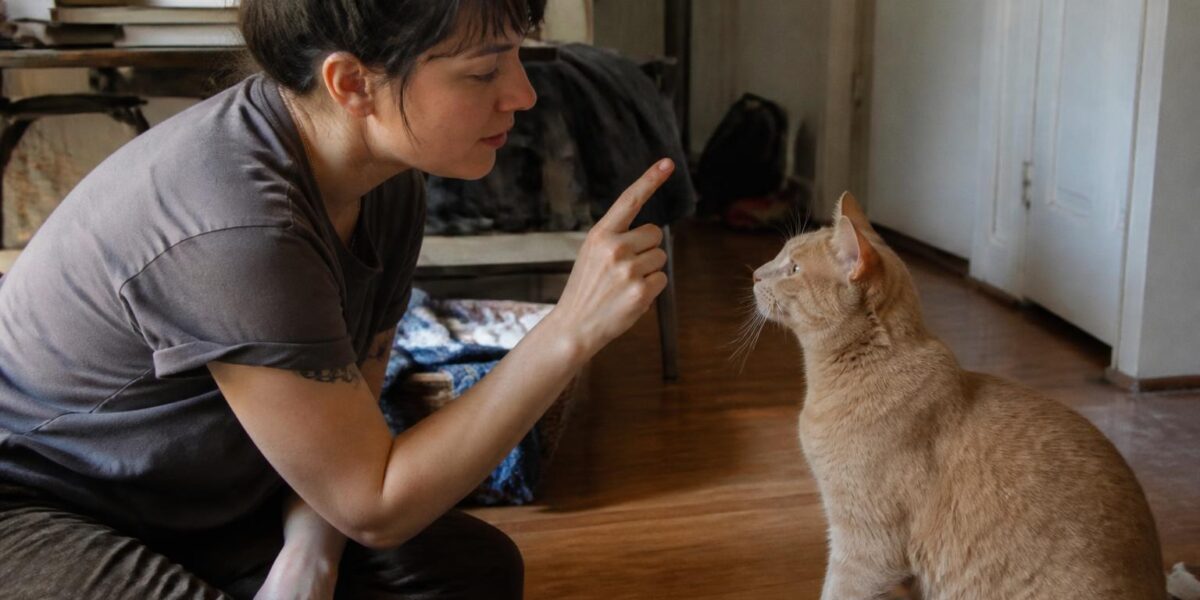
First, Confirm the Plan With Your Vet
If you’ve ever tried to give a cat a pill, you already know cats are not small dogs. They’re quicker, more sensitive to stress, and far less likely to gulp down a hidden tablet. This guide helps you carry out a medication plan your veterinarian has prescribed — calmly, safely, and with as little drama as possible. It is never about deciding to medicate a cat on your own. Many human and even canine medications are toxic to cats, so a tablet is only ever appropriate when your vet has prescribed it for that specific cat.
In this article
- First, Confirm the Plan With Your Vet
- The Gentlest Route: Pill Pockets and Food
- The Critical Water Chaser
- Gentle Restraint and the Burrito Towel
- The Direct Method and Piller Devices
- When Pilling Isn’t Working: Liquid, Transdermal, and Compounded Options
- When to Stop and Call Your Vet
- Frequently Asked Questions
Before you start, confirm the exact drug, the dose your vet prescribed, the timing, and whether it can be given with food. Ask specifically whether the pill can be split or crushed — many cannot. Wash your hands, read the label, and make sure you’re medicating the right cat with the right pill, especially in a multi-cat home. Never share a medication between cats.
One safety point unique to cats deserves emphasis up front: cats need a small amount of water or food after a dry pill to wash it the rest of the way down. We’ll explain why below.
Set yourself up for success before you pick up your cat. Choose a quiet room with the door closed so a startled cat can’t bolt and hide, lay out your towel and the pill within easy reach, and have a syringe of water or a lickable treat ready for the chaser. The whole event should take seconds once you start, so the more you prepare in advance, the calmer it goes. Cats remember bad experiences vividly, so a smooth, quick session protects every future dose.
The Gentlest Route: Pill Pockets and Food
Always try the low-stress option first. Some cats will eat a commercial pill pocket, a dab of a lickable treat (such as a churu-style purée), or a small ball of strong-smelling canned food with the tablet tucked inside. Warming the food slightly boosts the aroma and tempts a finicky cat. For the full list of cat-safe foods and techniques, see our guide to hiding pills in food safely.
A trick that helps with suspicious cats is to offer a little plain food or treat first so they’re in eating mode, then slip in the medicated bite, then follow with another plain one. Keeping the medicated bite small and fully enclosed in soft food gives your cat less chance to detect and reject it. Rotate which treat you use so your cat doesn’t decide one specific food always tastes “off.”
The catch with cats is that many are too clever or too suspicious to fall for it, and they’ll eat around the pill or walk away. Confirm with your vet that this particular medication can go with food before you rely on the food route — and never assume it works until you’ve watched your cat actually swallow. If your vet has said the pill must be given on an empty stomach, the food route is off the table and you’ll use the direct method below.
The Critical Water Chaser
This is the single most important safety point for cats. A dry pill given by hand can lodge in a cat’s esophagus and sit there, which can cause painful irritation, ulceration, or a stricture over time — a problem documented with certain tablets and capsules. To prevent this, always follow a dry pill with a small chaser: a few milliliters of water from a syringe into the cheek, a lick of food, or a treat your cat will eat right away.
The chaser carries the pill into the stomach instead of leaving it stranded in the throat. Make it a non-negotiable step every single time you pill your cat by hand. To give a water chaser, draw a small amount into an oral syringe and trickle it slowly into the cheek pouch on the side of the mouth — never squirt a large amount quickly toward the throat, which can cause your cat to inhale it. Give it in small sips so your cat can swallow at their own pace. A lick of a wet treat works just as well if your cat will take it.
If your cat won’t take water or food afterward, ask your vet whether a liquid or compounded form would be safer for this medication. Some owners coat a dry pill with a thin film of butter or a flavored gel before giving it, which can help it slide rather than stick — but only do this if your vet confirms it won’t interfere with the drug.
Gentle Restraint and the Burrito Towel
Cats hate being held down, and forcing or scruffing tends to make the next dose harder. Aim for the lightest restraint that keeps everyone safe. For a calm cat, simply sitting them on your lap facing away from you may be enough. For a squirmer, the towel “burrito” is your best friend: lay a towel flat, set your cat near one edge, and wrap snugly around the body leaving only the head out, tucking the front legs in. This protects you from claws and gives your cat a secure, swaddled feeling.
Avoid heavy scruffing, which most cats find threatening. Keep sessions short and your voice low. If your cat is panicking, stop — a stress-flooded cat will fight harder and may injure you. Learning low-stress handling pays off here; our guide to safely handling and holding a cat shows the holds that keep both of you calm.
The Direct Method and Piller Devices
To give the pill by hand once your cat is restrained:
- Hold the head from above, placing your thumb and finger at the corners of the mouth where the jaw hinges.
- Tilt the nose gently upward — when a cat’s nose points up, the lower jaw relaxes open.
- With your other hand, use a finger to open the lower jaw and quickly place the pill at the back of the tongue, over the hump.
- Close the mouth, lower the head, and stroke the throat or blow gently on the nose to prompt a swallow. Then give the water or food chaser immediately.
A piller (pill gun) lets you place the tablet at the back of the tongue without putting your fingers between sharp teeth, which many owners find safer and faster. To use one, load the pill in the soft tip, open the mouth as above, advance the tip over the hump at the back of the tongue, and press the plunger, then immediately close the mouth and give the chaser. Don’t jab the throat — the tip only needs to clear the base of the tongue.
Whatever method you choose, move smoothly and confidently — fumbling lets your cat clamp down. If it doesn’t work in a try or two, stop rather than escalating. Cats that are forced repeatedly learn to fight harder and hide at pill time, which makes long courses of medication miserable for everyone. A short break and a calmer second attempt almost always beats grinding through a struggling cat.
When Pilling Isn’t Working: Liquid, Transdermal, and Compounded Options
If your cat fights every pill, refuses food traps, or you’re struggling to give it safely, you have good alternatives — but they all run through your vet. Many medications can be compounded into a flavored liquid your cat may accept more readily; see our guide to giving liquid medication to pets. Others can be made into a transdermal gel rubbed into the inner ear flap, which some cats tolerate far better than anything in the mouth.
Not every drug can be compounded or absorbed through the skin, so this is a conversation with your veterinarian, not a do-it-yourself decision. Our guide to transdermal and compounded medications explains how those forms work and how to apply them correctly.
When to Stop and Call Your Vet
Pilling a cat should never become a fight that frightens either of you. Stop the session and reset — or stop for good and call your vet — if any of these happen.
- Your cat drools heavily, gags, paws at the mouth, or repeatedly swallows after a pill, which can signal the pill is stuck — offer the water chaser and call your vet.
- Your cat refuses to eat or drink, which is an urgent concern in cats and can quickly become dangerous.
- You can’t tell whether the dose went down, or your cat vomits the pill back up.
- Your cat becomes so stressed, aggressive, or panicked that medicating is unsafe.
There is almost always another way to get the medicine in. A two-person approach — one to gently hold, one to give — often makes a hard cat manageable, and your vet can offer a liquid, transdermal, or compounded form when pills simply aren’t working.
Frequently Asked Questions
Why does a cat need water after a pill but a dog usually doesn’t?
A dry pill can lodge in a cat’s narrow esophagus and cause irritation or a stricture if it sits there. A small water or food chaser washes the pill safely into the stomach. Always follow a hand-given pill to a cat with a chaser.
Should I scruff my cat to give a pill?
It’s better to avoid heavy scruffing — most cats find it threatening and fight harder. A snug towel burrito gives security without force. Use the lightest restraint that keeps you both safe, and stop if your cat panics.
My cat eats around the pill every time. What can I do?
Try a strong-smelling lickable treat, warm the food, or switch to the direct method with a chaser. If nothing works, ask your vet about a compounded liquid or a transdermal gel rubbed into the ear.
Can I crush my cat’s pill into food?
Only if your vet confirms it. Many tablets must stay whole, some taste so bitter your cat will refuse all food afterward, and certain drugs can’t be given with food. Always check first.
Is it really safer with two people?
Often, yes. One person gently steadies the cat in a towel while the other places the pill and gives the chaser. It’s quicker, less stressful, and lowers the chance of a bite or scratch.


