
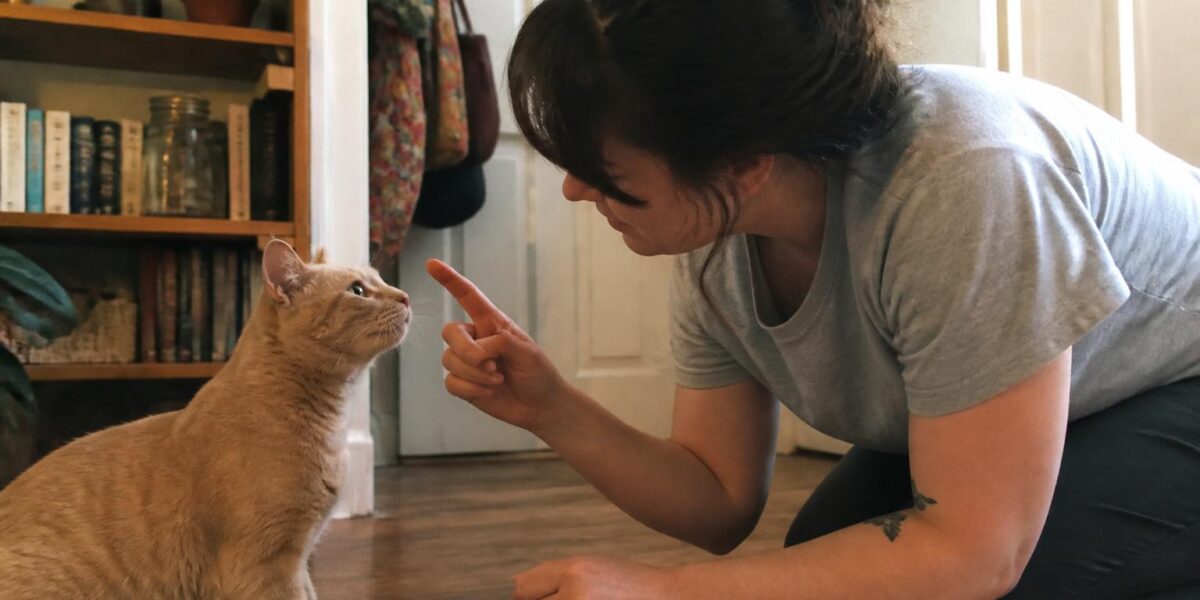
Why Low-Stress Handling Wins
Cats are not small dogs, and handling a cat safely means working with their nature, not against it. A cat who feels cornered or overwhelmed will struggle, scratch, and bite, and once that happens, every future attempt gets harder. The secret is calm, confident, minimal handling that lets the cat feel supported rather than trapped.
In this article
Less is genuinely more. The quieter and slower you are, the more cooperative most cats become. Sudden grabs, tight holds, and loud voices trigger the very panic you’re trying to avoid. Your job is to make the experience as boring and predictable as possible.
Timing helps too. Choose a moment when your cat is relaxed rather than already wound up, and avoid handling right after something stressful like a car ride or a vet visit. Keep other pets and loud distractions out of the room. A cat who feels safe and unhurried is a cat who cooperates, while a cat who feels ambushed will fight, and that single bad experience can make the next attempt much harder.
If your vet has shown you a hold for a specific procedure, follow it. This guide covers gentle, everyday handling for home care, plus the moment to stop and try again later rather than force a frightened cat.
It helps to remember how cats experience the world. They’re both predator and prey, so feeling restrained or unable to escape triggers a powerful instinct to fight free. They also dislike being loomed over, gripped tightly, or surprised. When you work with these instincts, by approaching calmly, offering footing, and keeping a way out from feeling blocked, you remove most of the reasons a cat panics in the first place.
Supporting the Body the Right Way
When you pick up or hold a cat, support the whole body so they never feel like they’re dangling. One hand or arm supports the chest and front legs, the other supports the hindquarters. Hold them close to your body, where they feel stable and warm.
For most home tasks, you don’t need to lift the cat at all. Letting a cat keep their feet on a solid, non-slip surface, like a towel on a table, helps them feel in control. Handling a cat safely is often about offering support and a sense of footing, not about gripping.
When you do need to lift, scoop rather than grab. Slide one hand under the chest between the front legs and use the other to support the hindquarters, then bring the cat smoothly against your body. Avoid lifting by the front legs alone, by the belly, or by anything that leaves the back end dangling. Cats feel safest when their whole body is supported and they’re held close, and a secure lift is far less likely to trigger a panicked scramble.
Keep your movements smooth. Approach from the side rather than looming over the head, and let the cat see and sniff your hand first when you can.
Where you work matters too. A non-slip surface is essential, because a cat scrabbling for footing on a smooth table will panic fast. Many cats feel safest with their feet on a folded towel and a wall or your body at their back, so they aren’t worried about something approaching from behind. Some cats even relax more on the floor or in a lap than up on a table. Read your individual cat and choose the spot where they seem most settled.
The Towel Burrito (or Purrito)
For nail trims, giving medication, or a quick exam, the towel wrap is a gentle, vet-favorite technique. Snugly wrapping a cat in a towel makes them feel secure, protects you from claws, and lets you expose just the part you need.
- Lay a large towel flat on a stable surface.
- Set your cat near one end and bring that edge up and over the back of the neck, not too tight.
- Wrap one side snugly across the body, then the other, tucking the towel so the front legs stay inside.
- Leave only what you need exposed, such as the head for a pill or one paw for a nail trim.
The two-towel trick adds an extra layer: drape a second towel loosely over the head and shoulders of a nervous cat, which calms many cats by reducing what they see, while you work on the body. Keep the wrap snug but never so tight it restricts breathing.
Practice the wrap a few times when nothing stressful is happening, so it’s quick and smooth when you actually need it. A fumbling, drawn-out wrap gives an anxious cat time to escape or work themselves up. Have whatever you need, the clipper, the pill, the wipe, ready before you wrap, so you can do the task and free the cat in under a minute. The goal is in and out fast, leaving your cat with the impression that being handled is no big deal.
A few cats find the towel itself upsetting. If yours fights the wrap harder than the task, don’t force it; some cats do better with a calm minimal hold, and others simply need their vet’s help. The towel is a tool to make handling gentler, not a way to overpower a cat who’s saying no.
Why Scruff-Hanging Is Outdated
You may have seen someone lift a cat by the scruff of the neck. Scruff-hanging, suspending a cat’s full weight by the loose neck skin, is outdated and stressful, and modern low-stress and fear-free practice has moved away from it. It frightens cats, can hurt, and makes them associate handling with fear.
Instead, use gentle contact on the shoulders and body to steady a cat, always supporting their weight from underneath. If a cat needs a little extra security, the towel wrap does the job humanely. Handling a cat safely never requires hanging them by the scruff.
A light, brief touch on the loose neck skin while a cat’s feet stay fully supported on a surface is different from hanging, and some handlers use a gentle steadying contact there. The key distinction is that the cat’s body is always supported and never dangling. When in doubt, default to the towel wrap and full-body support, which keep your cat secure and calm without any of the stress that comes from lifting by the scruff.
Read the Warning Signs
Cats tell you exactly how they feel if you watch. Stop and give space when you see:
- Tail lashing, thumping, or flicking fast
- Ears flattening sideways or back (“airplane ears”)
- Skin twitching or rippling along the back
- Dilated pupils, a hard stare, or crouching to flee
- Growling, hissing, or a low yowl
- Tensing the whole body just before an explosion
These signs mean the cat is near their limit. Pushing past them almost guarantees a scratch or bite and sets back your relationship. The skill of handling a cat safely is largely the skill of noticing these signals early and backing off in time.
Cats often escalate quickly, so the window between “mildly annoyed” and “lashing out” can be short. A swishing tail or a single warning growl is plenty of notice. Rather than testing how far you can push, treat the first real warning as your cue to pause or stop. Cats also remember bad experiences vividly, so one forced, frightening session can make the next one far harder. Respecting the warnings protects both your skin and your long-term ability to handle your cat at all.
Go Slow and Know When to Stop
Patience beats force every time. Keep sessions short, reward calm behavior, and quit while you’re ahead rather than pushing for one more thing. If a task isn’t urgent, splitting it across several short, positive sessions works far better than one stressful marathon.
If your cat reaches the point of true panic, thrashing, screaming, or repeatedly trying to escape, stop. Release the wrap, let your cat retreat to a safe spot, and try again later when everyone is calm. Never flood a stressed cat by forcing the task; it doesn’t work and someone usually gets hurt. For care that simply must happen and that your cat won’t tolerate, ask your vet about a sedated visit, which is safer and kinder than a battle at home.
If your cat does scratch or bite you, take it seriously: cat bites in particular can cause serious infections and often need medical attention, so clean the wound and call your doctor if it’s deep or starts to swell. That’s another reason forcing a frightened cat is never worth it. Working slowly, reading the warning signs, and stopping in time protects your skin as much as it protects your cat’s trust.
Building Cooperation Over Time
The most handleable cats are the ones taught that handling predicts good things. Practice cooperative care training fundamentals and work through desensitizing your pet to handling and care so your cat learns to accept paws, mouth, and restraint without fear. These skills make everything from nail trims to vet visits dramatically easier.
Once your cat tolerates gentle handling and the towel wrap, giving medication becomes far less of a struggle; see how to give a cat a pill. And for the rare case where you face a frightened, aggressive cat and need to protect yourself, understand how to make an emergency muzzle, while remembering that for cats, a towel and a vet’s help are usually the better path.
Frequently Asked Questions
Is it ever okay to scruff a cat?
Lifting a cat’s full weight by the scruff is outdated and stressful and should be avoided. Support the body instead, and use a towel wrap for security when needed.
How do I trim my cat’s nails without a fight?
Use the towel burrito, expose one paw at a time, go slowly, and reward calm. Do just a nail or two per session if your cat is anxious, and stop before panic.
My cat bites when I try to hold him. What should I do?
Back off and read his warning signs earlier next time. Work on cooperative care and desensitization, and let your vet handle anything urgent he won’t tolerate.
What is the two-towel trick?
You wrap the cat in one towel for security and drape a second loosely over the head to reduce what the cat sees, which calms many cats while you work on the body.
When should I stop and ask the vet for help?
Stop whenever your cat truly panics or you risk injury. For necessary care your cat won’t accept, ask your vet about low-stress or sedated handling.


