
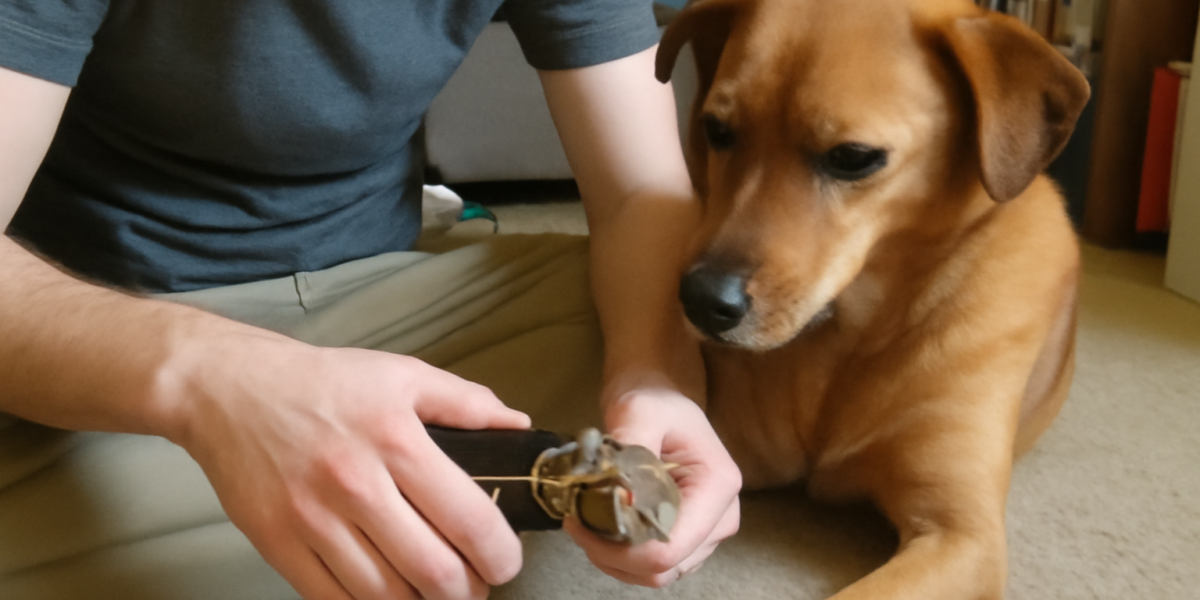
Why Dark Dog Nails Are Trickier to Trim
If you have ever tried to trim dark dog nails on your pup, you know the anxiety that comes with not being able to see the quick. On dogs with light or clear nails, the pink blood vessel is easy to spot. On dark nails, it is completely hidden beneath layers of pigmented keratin.
In this article
That invisibility factor is exactly why so many pet owners avoid nail trimming altogether or rely entirely on groomers. But regular nail maintenance is essential for your dog’s comfort and joint health. Overgrown nails can alter your dog’s gait, cause painful splaying of the toes, and even curl back into the paw pad.
The good news is that trimming dark nails at home is absolutely doable once you understand the technique. It takes a bit more patience than trimming light nails, but with the right approach, you can keep your dog’s nails at a healthy length without drawing blood.
Tools You Will Need
Having the right equipment makes a significant difference when you are working with dark nails. Here is what to gather before you start:
- Sharp nail clippers — Choose either guillotine-style or scissor-style clippers designed for your dog’s size. Dull clippers crush the nail instead of cutting it cleanly, which is more painful and increases the risk of splitting.
- A nail grinder (optional but recommended) — A rotary grinding tool like a Dremel lets you slowly file the nail down and see the quick appear as a dark dot in the center of the nail’s cross-section.
- Styptic powder or cornstarch — Keep this within arm’s reach. If you nick the quick, pressing styptic powder into the nail tip stops the bleeding within seconds.
- High-value treats — Small, soft treats that your dog loves. You will use these throughout the session to build positive associations.
- A headlamp or bright flashlight — Extra light helps you see subtle color changes in the nail as you get closer to the quick.
Replace your clippers every six to twelve months, or sooner if you notice they are crushing rather than slicing. A clean cut is safer and less stressful for your dog.
How to Find the Quick on Dark Nails
The quick is the living tissue inside the nail that contains blood vessels and nerves. On dark nails, you cannot see it from the outside, but you can find it by reading the cross-section of the nail as you trim.
Start by making a small, thin slice off the very tip of the nail. Look at the freshly cut surface head-on. At first, you will see a dry, whitish or grayish interior. This means you are still in the dead part of the nail and it is safe to keep going.
As you take additional small slices, watch for a change in the center of the nail’s cross-section. When you see a dark, moist-looking dot appear in the middle — almost like a small circle — that is the beginning of the quick. Stop immediately. You are at the safe limit.
If you are using a nail grinder instead of clippers, the same visual cues apply. Grind in short bursts, check the nail surface, and stop when that dark center dot appears.
Step-by-Step Trimming Process
Follow these steps to trim dark dog nails safely and calmly:
- Get your dog comfortable. Choose a time when your dog is relaxed, such as after a walk or play session. Have them lie down or sit in a well-lit area. If your dog is anxious about nail trims, start by simply handling their paws and rewarding with treats for several days before attempting any cutting.
- Hold the paw firmly but gently. Support the paw in your non-dominant hand and isolate one toe at a time by pressing lightly on the pad to extend the nail. Avoid squeezing the toe itself.
- Cut at a 45-degree angle. Position the clippers at roughly a 45-degree angle across the nail tip. This mimics the natural angle of wear and helps avoid the quick, which curves along the underside of the nail.
- Take thin slices. Rather than trying to remove the full length in one cut, take off just a millimeter or two at a time. Check the cross-section after each cut.
- Watch for the dark center dot. Keep trimming in small increments until you see that moist, dark circle in the center of the cut surface. Once it appears, stop trimming that nail.
- Smooth the edges. Use a nail grinder or a nail file to round off any sharp edges left by the clippers. This prevents the nail from snagging on carpet or scratching skin.
- Reward generously. Treat and praise your dog after every few nails, or even after each nail if your dog is nervous.
You do not need to do all four paws in one session. If your dog gets stressed, it is perfectly fine to do one paw today and another tomorrow. Building a calm, positive experience is more important than finishing quickly.
What to Do If You Hit the Quick
Even experienced groomers occasionally nick the quick, so do not panic if it happens. Your dog will likely yelp and pull the paw away, and you will see blood at the nail tip.
Immediately apply styptic powder by pressing it firmly into the end of the nail. Hold gentle pressure for about thirty seconds. The bleeding should stop within a minute or two. If you do not have styptic powder, cornstarch or a bar of plain soap pressed against the nail tip can also work in a pinch.
Keep your dog calm and avoid letting them walk on wet or dirty surfaces until the bleeding has fully stopped. The nail may be tender for a day or so, but it will heal on its own.
If the bleeding does not stop after ten minutes of steady pressure, or if the nail appears cracked or damaged beyond the quick, contact your veterinarian for guidance.
Desensitizing Your Dog to Nail Trims
Many rescue dogs and anxious pups have a deep fear of nail trimming, often from a previous bad experience. Ongoing dog care practices like desensitization training can transform nail trims from a wrestling match into a manageable routine.
Start slow. On day one, simply touch the clippers to your dog’s nail without cutting and give a treat. On day two, let the clippers make a gentle squeeze on the nail tip without actually trimming. Gradually build up over a week or two until your dog tolerates a full trim.
Pair every step with high-value rewards. Some dogs respond best to a lick mat smeared with peanut butter during the trim, which keeps them occupied and creates a positive distraction.
If your dog’s anxiety is severe — if they snap, freeze, or tremble uncontrollably — talk to your veterinarian. They may recommend anti-anxiety medication for grooming sessions or refer you to a fear-free certified groomer who specializes in nervous dogs.
How Often Should You Trim Your Dog’s Nails
Most dogs need their nails trimmed every two to four weeks. A good rule of thumb is the “click test” — if you can hear your dog’s nails clicking on hard floors, they are too long.
Dogs who walk frequently on concrete or asphalt may naturally wear their nails down and need less frequent trims. Dogs who spend most of their time on soft surfaces like grass or carpet will need trims more often.
Regular trimming actually makes future trims easier. When nails are kept short, the quick gradually recedes, giving you more room to cut safely. If your dog’s nails are severely overgrown, trim small amounts every five to seven days to encourage the quick to retreat over time.
Do not forget the dewclaws. These nails on the inner side of the leg do not contact the ground and never wear down naturally. Keeping paws healthy means checking dewclaws at every trimming session.
Frequently Asked Questions
Can I use a regular human nail clipper on my dog?
Human nail clippers can work on very small puppies with thin nails, but they are not ideal for adult dogs. Dog nail clippers are designed to handle the thicker, rounded shape of a canine nail and provide a cleaner cut. Using the wrong tool can crush or split the nail.
Is a nail grinder better than clippers for dark nails?
Many owners find grinders easier for dark nails because you remove material gradually and can see the quick appear in real time. However, some dogs dislike the vibration and noise. The best tool is whichever one your dog tolerates well. You can also use both — clip first, then smooth with a grinder.
My dog’s nails are extremely overgrown. Can I cut them short all at once?
No. When nails are overgrown, the quick extends further into the nail than normal. Cutting too much at once will hit the quick and cause pain and bleeding. Instead, trim a small amount every five to seven days. Over several weeks, the quick will gradually recede, allowing you to shorten the nails safely. If the nails are curling into the paw pad, see your veterinarian right away.
How do I trim the nails of a dog who will not let me touch their paws?
Start with paw-handling exercises separate from actual trimming. Gently touch and hold your dog’s paw for a second, then reward with a treat. Gradually increase the duration over days or weeks. Once your dog is comfortable having their paws held, introduce the sight and sound of the clippers before attempting a trim. For dogs with extreme anxiety triggers, consult a professional trainer or veterinary behaviorist.
Should I trim my dog’s nails after a bath?
Trimming after a bath can be helpful because the nails are slightly softer from the warm water, making them easier to cut. However, wet nails can also be slippery, so dry the paws first and make sure you have a firm grip on each nail before clipping.


