Last updated: April 27, 2026
In this article
Husky vs Malamute: Northern Breed Differences Explained
The Siberian Husky and Alaskan Malamute are two of the most recognizable northern breeds, and people who are not familiar with both often confuse them. They share a wolf-like appearance, thick double coats, and a heritage rooted in Arctic sled work, but the similarities are more superficial than they appear. These breeds were developed for different purposes in different environments, and those functional differences translate into meaningful distinctions in size, temperament, energy level, and care requirements.
Confusing a Husky with a Malamute when choosing a pet can lead to serious problems. A Husky owner who expected a Malamute’s calm demeanor will be overwhelmed by their dog’s relentless energy. A Malamute owner who expected a Husky’s manageable size may find themselves struggling with a dog that outweighs them. Understanding the real differences between these breeds is not just academic; it is essential to a successful match. For more breed comparisons, visit our dog breeds directory.
Breed Overview and Working Heritage
The Siberian Husky was developed by the Chukchi people of northeastern Siberia as a fast, endurance-oriented sled dog. Chukchi Huskies were bred to pull light loads at moderate speeds over vast distances in brutal cold. Speed and endurance were prioritized over raw pulling power. The breed arrived in Alaska in the early 1900s and quickly proved its value in long-distance sled racing. The 1925 serum run to Nome, Alaska, during a diphtheria outbreak immortalized the Husky in popular culture, and the breed has been beloved ever since.
The Alaskan Malamute was developed by the Mahlemut Inuit people of northwestern Alaska for a very different purpose. Malamutes were bred to haul heavy freight over shorter distances. Where the Husky was a marathon runner, the Malamute was a powerlifter. These dogs pulled loaded sleds of supplies, equipment, and even boats across the Arctic landscape. They also served as hunting companions, helping to track polar bears and seals. This emphasis on power and endurance over speed shaped a fundamentally different dog: larger, stronger, calmer, and more independent.
Both breeds were recognized by the American Kennel Club, the Malamute in 1935 and the Husky in 1930. Both remain popular companion animals today, though their working heritage means they retain strong instincts and needs that casual owners often underestimate. Both breeds are well-represented in rescue organizations, as many end up surrendered by owners who were unprepared for the demands of northern breed ownership. Visit our adoption page to meet dogs looking for experienced homes.
Size and Physical Appearance
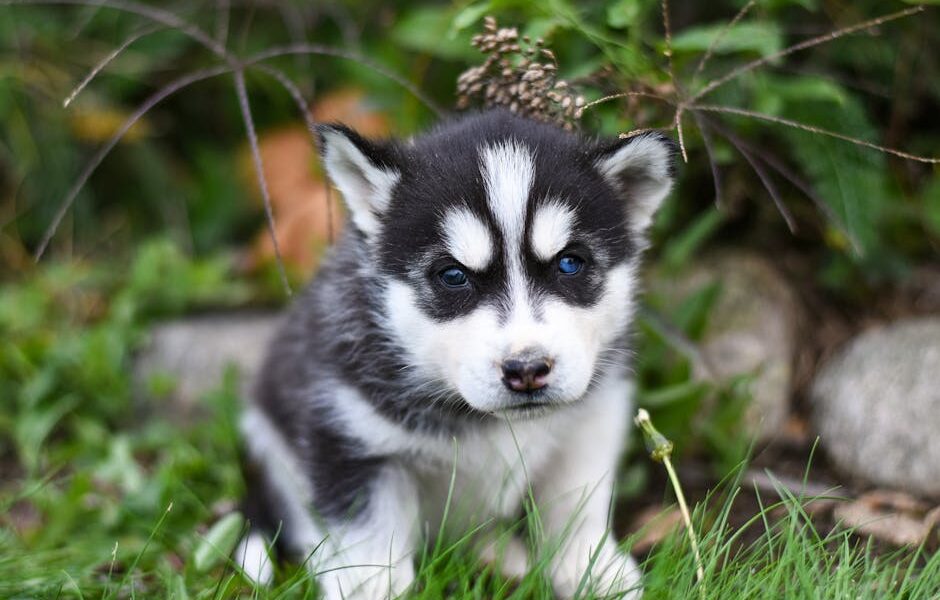
Size is the most immediately obvious difference between these breeds. The Siberian Husky is a medium-sized dog, typically weighing 35 to 60 pounds and standing 20 to 23.5 inches at the shoulder. They have a compact, athletic build with a balanced proportion of muscle and agility. Their ears are medium-sized and erect, and their eyes can be blue, brown, amber, or any combination, including heterochromia, which gives many Huskies their famous striking gaze.
The Alaskan Malamute is substantially larger, weighing 75 to 100 pounds, with some individuals exceeding 120 pounds. They stand 23 to 25 inches at the shoulder and have a broad, powerful build with heavy bone and dense muscle. Their head is broad and deep, their ears are small relative to head size, and their eyes are always brown. Blue eyes are a disqualification in the Malamute breed standard, which is one of the easiest ways to distinguish the two breeds at a glance.
Both breeds have thick double coats that come in similar color patterns, primarily combinations of white with black, gray, sable, red, or agouti. The Malamute’s coat is generally longer and denser than the Husky’s, providing greater insulation for extended periods in extreme cold. Both breeds blow their undercoats twice a year in dramatic shedding events that leave impressive amounts of fur on every surface in the home.
Temperament and Personality
Temperament is where these breeds diverge most significantly, and understanding these differences is crucial for prospective owners. The Siberian Husky is energetic, mischievous, social, and perpetually playful. Huskies retain a puppy-like enthusiasm for life well into adulthood, and their energy levels can be overwhelming for unprepared owners. They are friendly with virtually everyone, including strangers, other dogs, and even intruders, making them spectacularly poor guard dogs. Huskies are vocal, communicating with howls, yodels, and an extensive repertoire of sounds that many owners find entertaining and neighbors find less so.
The Alaskan Malamute is calmer, more dignified, and more independent. While affectionate and loyal to their family, Malamutes are not as universally social as Huskies. They can be reserved with strangers and may display same-sex aggression, particularly between intact males. Malamutes have a strong prey drive and may be unsafe around small animals, including cats and small dogs. They are less vocal than Huskies but still enjoy a good howl. Their independent nature means they are less eager to please and can be more challenging to train, requiring an owner who is confident, consistent, and patient.
Both breeds have strong pack instincts and do not do well when left alone for extended periods. Separation anxiety, destructive behavior, and escape attempts are common in both breeds when they are bored, lonely, or insufficiently exercised. If you are concerned about separation-related behaviors, our guide on dog separation anxiety help offers practical strategies.
Exercise and Activity Requirements
Both breeds require significant daily exercise, but the type and intensity of exercise differ. The Siberian Husky needs 60 to 90 minutes of vigorous exercise daily, and more is better. Huskies were bred to run, and running remains their greatest passion. They excel at mushing, skijoring, bikejoring, canicross, and any activity that lets them run at speed. Without adequate exercise, Huskies become destructive, vocal, and increasingly creative in their escape attempts. A bored Husky can scale fences, dig under barriers, and find weaknesses in containment that would impress an engineer.
The Alaskan Malamute needs 60 to 90 minutes of exercise daily as well, but they prefer activities that involve sustained effort rather than high-speed sprinting. Hiking with a loaded backpack, weight pulling, and long walks are ideal activities for a Malamute. They are built for endurance at moderate speeds, not for the explosive bursts of speed that Huskies enjoy. Malamutes are excellent hiking companions and thrive when given a job that engages both their body and mind. For owners who enjoy outdoor activities, our guide on the best dog breeds for hiking includes both northern breeds.
Neither breed is suited to apartment living unless the owner is extremely committed to providing outdoor exercise. Both breeds need a securely fenced yard with fencing that extends below ground level to prevent digging escapes. Electric fences are generally ineffective for both breeds, as their drive to run or explore can override the discomfort of a shock. Both breeds struggle in hot climates and must have access to air conditioning and shade during warm weather. Exercise in heat must be carefully managed to prevent overheating.
Health and Lifespan
The Siberian Husky is a relatively healthy breed with a lifespan of 12 to 14 years, which is excellent for a medium-sized dog. Common health concerns include hip dysplasia, progressive retinal atrophy, cataracts, and corneal dystrophy. Hypothyroidism occurs at moderate rates. The breed’s eye problems are well-documented, and regular ophthalmological examinations are recommended. Huskies are also prone to zinc-responsive dermatosis, a skin condition that responds to zinc supplementation.
The Alaskan Malamute has a shorter lifespan of 10 to 14 years, typical for a large breed. Hip dysplasia is the most significant orthopedic concern, and all breeding stock should be screened. Chondrodysplasia, a form of dwarfism, is a known genetic condition in the breed. Hypothyroidism, inherited polyneuropathy, and von Willebrand’s disease are other documented concerns. Malamutes are prone to bloat, a life-threatening condition where the stomach fills with gas and may twist. Feeding multiple smaller meals and avoiding exercise immediately after eating can reduce the risk.
Both breeds benefit from regular veterinary care, a high-quality diet, and appropriate exercise. Maintaining a healthy weight is particularly important for the Malamute, as excess weight puts additional stress on joints that are already predisposed to problems.
Grooming and Coat Care
Grooming is a significant commitment for both breeds, and prospective owners must be prepared for a level of shedding that is difficult to overstate. Both breeds have thick double coats designed to insulate against Arctic temperatures, and both shed heavily year-round with two dramatic blowout periods in spring and fall when the undercoat comes out in clumps.
The Husky’s coat needs brushing two to three times per week under normal conditions and daily during shedding season. A slicker brush and undercoat rake are essential tools. Huskies are naturally clean dogs with little odor and rarely need baths, typically only a few times per year unless they get into something messy. Their coat should never be shaved, as the double coat provides insulation from both cold and heat and protects against sunburn.
The Malamute’s thicker, longer coat requires slightly more attention. Brushing three to four times per week is recommended, with daily sessions during the biannual coat blow. The Malamute’s undercoat is denser than the Husky’s, which means more fur to manage and longer grooming sessions. Like the Husky, the Malamute should never be shaved. Regular nail trimming, ear cleaning, and dental care are essential for both breeds.
Which Breed Is Right for You?
Choose the Siberian Husky if you are an active individual or family that enjoys running, cycling, or other high-energy outdoor activities. Huskies are the better choice for social households that have frequent visitors and want a dog that is friendly with everyone. They are more manageable in size and typically get along better with other dogs. The Husky is also better suited to families with children, as their playful, tolerant nature makes them patient companions for kids of all ages.
Choose the Alaskan Malamute if you prefer a calmer, more powerful companion and have experience with large, independent breeds. Malamutes are ideal for hikers, backpackers, and outdoor enthusiasts who want a steady, reliable trail companion. They are better suited to homes without small pets and do best with experienced owners who can provide confident, consistent leadership. The Malamute’s size and strength require an owner who can physically manage the dog and who understands the responsibility that comes with a powerful breed.
Neither breed is appropriate for sedentary owners, first-time dog owners, or homes without secure fencing. Both breeds end up in rescue frequently because owners underestimated their needs. If you are ready for the commitment, visit our adoption page to find northern breeds looking for their forever homes.
Frequently Asked Questions
Can Huskies and Malamutes live in warm climates?
Both breeds can adapt to warm climates with proper management, but they are not ideally suited for hot weather. Air conditioning is essential, exercise must be limited to cooler parts of the day, and constant access to fresh water and shade is non-negotiable. Their thick coats should never be shaved, as the coat actually provides some insulation from heat and protects against sunburn. Many northern breed owners in warm climates adjust their routine to early morning and late evening activities.
Are Huskies or Malamutes better with children?
The Siberian Husky is generally better with children due to its playful, tolerant, and social nature. Huskies enjoy the energy and activity that children bring and are patient with the grabbing and noise that come with young kids. Malamutes can be good with children they are raised with but may be too large and powerful for very small children, and their independent nature means they are less tolerant of being climbed on or pulled at.
Do Huskies and Malamutes get along with other dogs?
Huskies are generally social with other dogs and do well in multi-dog households. Their pack-oriented nature means they often prefer having canine companionship. Malamutes are more variable. While some are friendly with other dogs, same-sex aggression is relatively common, particularly between intact males. Careful introductions and ongoing management are important with Malamutes in multi-dog homes.
Which breed is easier to train?
Neither breed is considered easy to train in the traditional sense. Both are intelligent but independent, and neither has the eager-to-please attitude of breeds like Golden Retrievers or Border Collies. The Husky is slightly more responsive to training due to its social nature, but both breeds require patience, consistency, and creative motivation. Positive reinforcement with high-value treats works best for both breeds.
How much do Huskies and Malamutes shed?
Both breeds shed heavily, and this is not an exaggeration. During the biannual coat blow, you can fill garbage bags with loose undercoat. Daily vacuuming is a reality of northern breed ownership, and your clothing, furniture, and car will permanently feature a layer of dog hair. If shedding is a significant concern, neither breed is appropriate. No amount of grooming eliminates the shedding; it only manages it.
Looking to adopt a Husky vs Malamute?
Browse Husky vs Malamute dogs and mixes available for adoption from shelters and rescues near you.
Find Husky vs Malamute Dogs for Adoption