
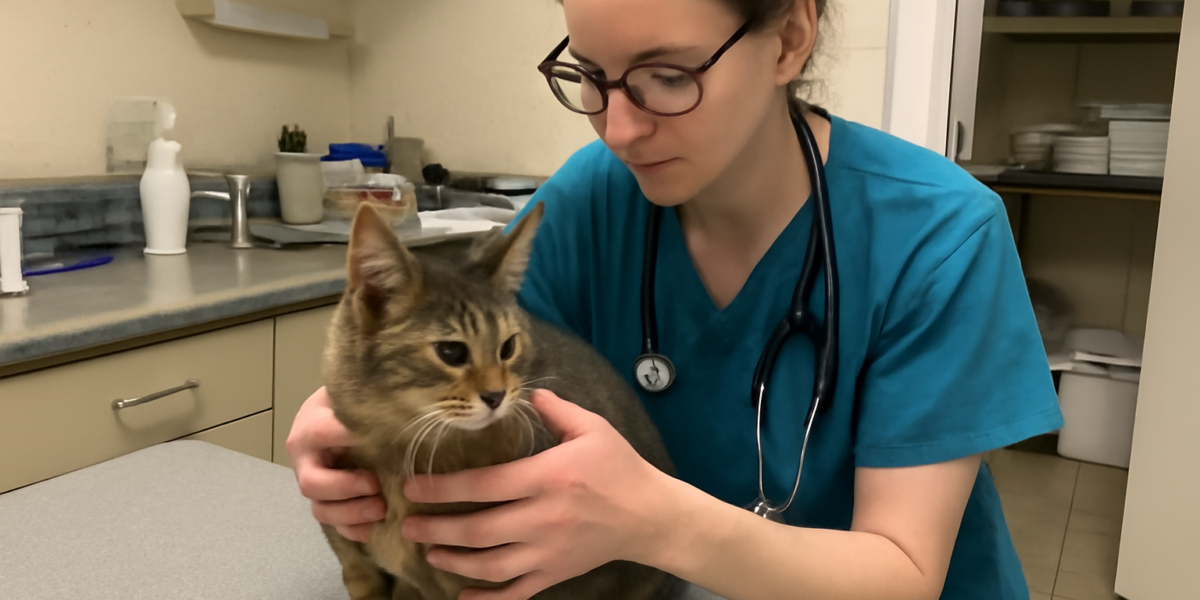
What Inflammatory Bowel Disease Means for Cats
Inflammatory bowel disease (IBD) in cats is a chronic condition where the gastrointestinal tract becomes infiltrated with inflammatory cells. The result is a thickened, irritated gut that struggles to absorb nutrients and process food normally. IBD is one of the most common causes of chronic vomiting and diarrhea in middle-aged and senior cats.
In this article
- What Inflammatory Bowel Disease Means for Cats
- Recognizing the Signs in Cats
- The Diagnostic Path
- The Triaditis Connection
- Diet as First-Line Therapy
- Medication Options for Feline IBD
- Distinguishing IBD From Small Cell Lymphoma
- Long-Term Monitoring
- Managing Flares and Setbacks
- Living Well With Feline IBD
- Frequently Asked Questions
The disease is classified by which inflammatory cells dominate. Lymphoplasmacytic enteritis is the most common type. Eosinophilic, neutrophilic, and granulomatous variants also occur. The exact cause is poorly understood, but the disease likely involves an abnormal immune response to gut bacteria, food antigens, or other triggers in genetically susceptible cats.
IBD cats face shares many features with feline intestinal lymphoma, and the two conditions can be hard to tell apart without biopsy. Some veterinarians believe certain forms of IBD may progress to small cell lymphoma over time. This overlap makes accurate diagnosis particularly important so the right treatment plan is chosen.
Recognizing the Signs in Cats
Cats are masters at hiding illness, and IBD can be subtle. The most common signs are chronic or intermittent vomiting, diarrhea, weight loss, and changes in appetite. Some cats have only one of these signs predominantly, while others show a combination that ebbs and flows.
Vomiting may seem to come from nowhere and is often blamed on hairballs at first. Owners learn to count the episodes per week, and frequencies above one or two warrant veterinary attention. Diarrhea may be small bowel type (large soft stools, weight loss) or large bowel type (small frequent stools with mucus or blood and urgency).
Other signs include reduced grooming, a duller coat, hiding more, and gradually decreasing weight. Some cats develop ravenous appetite as the gut struggles to absorb nutrients, while others become finicky. Any chronic GI signs in a cat warrant a workup rather than dismissal as normal feline behavior.
The Diagnostic Path
IBD is a diagnosis of exclusion. The workup typically begins with bloodwork including a thyroid (T4) screen, urinalysis, and fecal testing for parasites and infections like Giardia. A specialized GI panel measures B12, folate, and pancreatic enzymes (TLI and PLI), all of which are commonly abnormal in IBD.
Imaging with abdominal ultrasound assesses bowel wall thickness, layering, and any masses or lymph node enlargement. Some patterns on ultrasound suggest IBD or lymphoma but cannot definitively distinguish the two. Your veterinarian may recommend referral to a board-certified internist for advanced imaging and endoscopy.
Definitive diagnosis requires biopsy, usually obtained through endoscopy or surgery. The biopsies are reviewed by a pathologist who identifies the inflammatory cell type and checks for cancerous changes. Sometimes additional tests like clonality testing are needed to fully separate IBD from small cell lymphoma. Our guide to lymphoma in cats covers the cancer that often mimics IBD.
The Triaditis Connection
Cats commonly develop simultaneous inflammation in three connected organs: the gut, pancreas, and biliary system (liver and gallbladder). This triad, called triaditis, complicates diagnosis and treatment. Many cats with IBD also have pancreatitis or cholangitis at the same time.
If your cat’s bloodwork shows pancreatic enzyme elevations or liver enzyme changes alongside GI signs, your veterinarian will consider triaditis. Treatment must address all involved organs, not just the gut. This is one reason cats with IBD often need a more layered approach than dogs with IBD.
Imaging and biopsy can help confirm which organs are involved. Treatment of triaditis often involves immunosuppression for the gut and biliary inflammation, supportive care for pancreatic inflammation, and antibiotics for any bacterial cholangitis component. The pieces must be balanced carefully.
Diet as First-Line Therapy
Diet trials are usually the first treatment step after diagnosis. The two main strategies are novel protein diets (using a protein the cat has never eaten before) and hydrolyzed protein diets (where proteins are broken down into pieces too small to trigger immune reactions). Both reduce immune triggers from food.
A proper diet trial requires strict feeding for at least six to eight weeks. No treats, no flavored medications, no shared food from other pets, and no table scraps during the trial. Multi-cat households need careful management to ensure the IBD cat eats only the trial food.
Cats can be famously picky, so finding a diet they will actually eat sometimes takes patience. Your veterinarian can suggest options across multiple brands and forms. Wet, dry, mixed, or even rotating textures may all be tried until a successful approach is found. Many cats also benefit from added moisture, which supports overall hydration.
Medication Options for Feline IBD
For cats who do not respond fully to diet alone, medications target inflammation. Corticosteroids like prednisolone (preferred over prednisone in cats) are often the first medication added because they suppress the immune system broadly. Cats generally tolerate steroids better than dogs and have fewer side effects, although diabetes risk does increase with prolonged use.
Other immunosuppressants used in cats include chlorambucil, cyclosporine, and budesonide (a steroid with primarily local gut effects). Each has its own profile, side effects, and monitoring requirements. Chlorambucil is particularly useful for chronic cases or when small cell lymphoma is suspected.
B12 (cobalamin) supplementation is part of treatment for most IBD cats because the diseased gut cannot absorb B12 efficiently. Injections or oral supplementation continue long-term. Periodic GI panels track levels and guide adjustments. Some cats also benefit from probiotics and prebiotics.
Distinguishing IBD From Small Cell Lymphoma
Small cell lymphoma in cats can be difficult to distinguish from IBD because the two share so many features. Both can cause chronic GI signs, weight loss, and similar ultrasound findings. Both can show inflammatory cell infiltration on biopsy, with subtle differences that only experienced pathologists may identify.
Advanced testing including clonality (PARR) testing and immunohistochemistry helps separate the two when standard biopsy is ambiguous. Treatment often overlaps too, with chlorambucil and prednisolone being mainstays for both conditions. Many cats with small cell lymphoma do remarkably well on treatment.
The distinction matters most for prognosis discussions. Both conditions respond to similar treatments, but small cell lymphoma has a defined trajectory while IBD is more variable. Your veterinary team will guide you through the diagnostic process and what the results mean for your cat’s care plan.
Long-Term Monitoring
Recheck appointments are essential during treatment. Your veterinarian will track weight, body condition, appetite, GI symptoms, B12 and other lab values, and any medication side effects. Frequent visits early in treatment shift to less frequent monitoring once disease is stable.
At-home monitoring helps too. Track stool consistency, vomiting episodes, appetite, and water intake. Many owners use a simple weekly note in a notebook or phone app. Photos of unusual stools or other concerning findings help during recheck conversations.
Medication side effects deserve attention. Steroids can increase thirst, urination, and appetite, and may predispose to diabetes over time. Other immunosuppressants have their own profiles. Periodic bloodwork screens for liver, kidney, or blood-cell effects so the plan can be adjusted before problems escalate.
Managing Flares and Setbacks
Even well-controlled IBD can flare. Common triggers include diet slips, stress, antibiotic courses, or unknown factors. Recognizing flares early and responding promptly minimizes setbacks. Your veterinarian may recommend a short medication adjustment, a brief diet reset, or in-clinic supportive care depending on severity.
Severe flares with vomiting, dehydration, or significant weight loss warrant in-person evaluation. Cats can develop hepatic lipidosis (fatty liver disease) quickly if they stop eating, so prolonged appetite loss is always urgent. Hospitalization for IV fluids, anti-nausea medications, and feeding support may be needed.
Stress reduction is part of the long-term plan. Predictable routines, multiple resources (food, water, litter boxes) in multi-cat households, and pheromone diffusers like Feliway all help. Avoid sudden environmental changes when possible, and plan ahead for stressful events like travel or visitors.
Living Well With Feline IBD
Most cats with IBD live comfortable lives with appropriate management. Many achieve excellent control with diet and modest medication, while others need more intensive therapy but still enjoy good quality of life. The keys are consistent care, regular monitoring, and prompt response to changes.
Hydration support is universally helpful. Wet food, fountain-style waterers, multiple bowls in different locations, and adding water to meals all encourage drinking. Good hydration supports gut healing and overall wellness.
For more on related feline GI topics and senior cat wellness, our cat care blog has resources. If you are considering adopting a cat with chronic GI issues, the cat adoption hub has guidance on welcoming a pet with manageable medical needs.
Frequently Asked Questions
Is feline IBD curable?
IBD is generally not curable but is highly manageable. Most cats achieve good control with diet, medication, or both, and live comfortable lives. Some have flares that require adjustments. Lifelong monitoring and a thoughtful treatment plan are essential for long-term success.
How long does a diet trial take in cats?
A proper diet trial requires at least six to eight weeks of strict adherence. Cats are picky, so finding a successful diet may take experimentation. Improvement often begins within weeks, but giving the gut full time to heal is important before drawing conclusions.
Can my cat have treats with IBD?
Yes, but treats must match the prescribed diet. Many therapeutic diet brands offer matching treats, or you can offer small portions of the prescription food. Forbidden treats during a diet trial can sabotage results. Always check with your veterinarian before introducing new options.
How do I tell IBD from small cell lymphoma?
The two conditions can look similar clinically, and biopsy is needed to distinguish them. Even biopsy may require advanced testing like clonality assays in ambiguous cases. Both respond to similar treatments, so initial therapy may be the same while diagnostic clarity is sought.
When should I take my cat to the vet?
Call promptly for chronic vomiting (more than once a week), persistent diarrhea, weight loss, decreased appetite, or signs of dehydration. Cats who refuse food for more than 24 hours need same-day evaluation due to the risk of fatty liver. Always consult your veterinarian for diagnosis and ongoing IBD care.


