
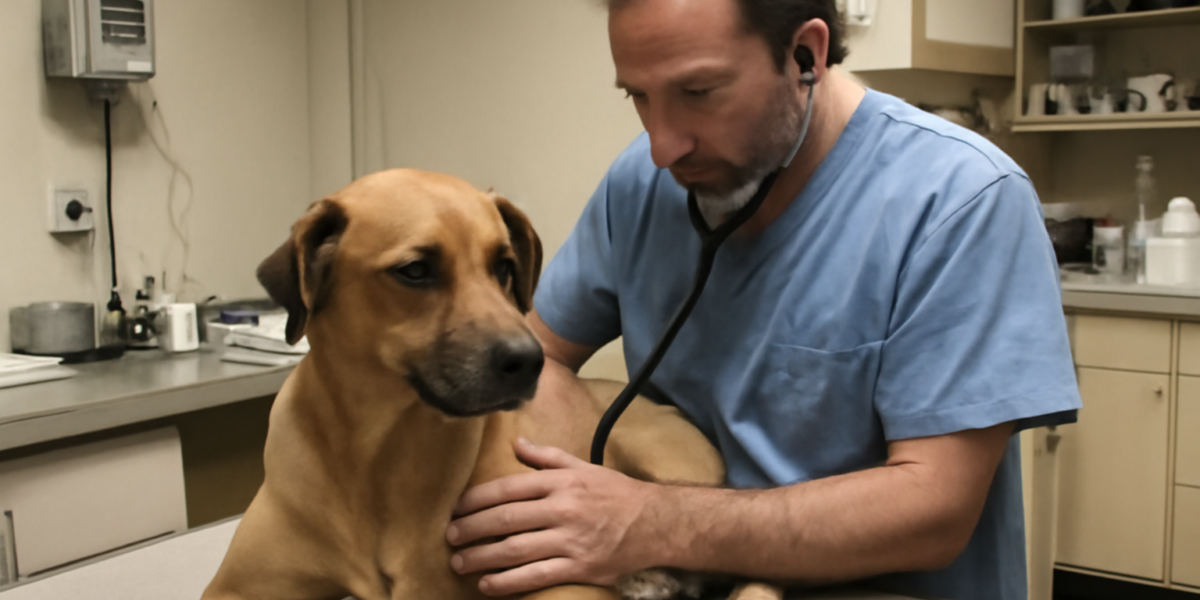
Understanding Canine IBD
Inflammatory bowel disease (IBD) in dogs is a chronic condition where the gastrointestinal tract becomes infiltrated with inflammatory cells. Instead of the gut wall doing its quiet job of absorbing nutrients and managing waste, it becomes thickened and irritated, leading to ongoing digestive trouble.
In this article
IBD is not a single disease but a family of conditions classified by which inflammatory cells dominate. Lymphoplasmacytic enteritis is the most common form. Eosinophilic, neutrophilic, and granulomatous variants exist as well. The exact cause is not fully understood, but the disease likely results from abnormal immune responses to gut bacteria, food proteins, or other triggers in genetically susceptible dogs.
IBD dogs face is a chronic, manageable condition rather than something that resolves with a quick antibiotic course. Many dogs respond well to treatment and live normal lives, but flare-ups can occur and lifelong management is often needed. Early diagnosis and a thoughtful treatment plan make the biggest difference in long-term outcomes.
Recognizing the Signs
Common signs include chronic or intermittent vomiting, diarrhea, weight loss, and decreased appetite. Some dogs have only one of these signs predominantly, while others have a combination. The symptoms tend to wax and wane, with periods of relative wellness alternating with flares.
Diarrhea may be small bowel type (large volumes, watery, with weight loss) or large bowel type (small frequent stools, mucus, sometimes blood, with urgency). Some dogs show both. The location of inflammation in the GI tract influences the symptom pattern.
Other signs include abdominal discomfort, gas, gurgling stomach sounds, and a dull coat. Some dogs become picky eaters or seem nauseated after meals. Severe cases lose significant weight and develop muscle wasting. Any chronic GI symptoms in a dog warrant veterinary evaluation rather than hoping they will pass.
The Diagnostic Workup
IBD is a diagnosis of exclusion, meaning your veterinarian will rule out other causes of chronic GI signs first. The workup typically begins with bloodwork, urinalysis, fecal testing for parasites and bacterial pathogens, and screening for infections like Giardia. A specialized GI panel with B12, folate, and pancreatic markers comes next.
Imaging with abdominal ultrasound assesses bowel wall thickness, layering, and any masses or lymph node enlargement. Some changes on ultrasound suggest IBD, but biopsy remains the gold standard for definitive diagnosis. Your veterinarian may recommend referral to a board-certified internist for ultrasound and endoscopy.
Biopsy via endoscopy or surgery confirms IBD by showing inflammatory cell infiltration in the gut wall. The biopsy also helps differentiate IBD from intestinal lymphoma, which can look similar clinically. The distinction matters enormously because treatment and prognosis differ. Our guide to lymphoma in dogs covers the cancer that sometimes mimics IBD.
Diet as Foundation Therapy
Diet trials are usually the first step after diagnosis. The goal is to reduce immune triggers from food. Two main strategies work for most dogs: novel protein diets that use a protein the dog has never eaten before (like venison or rabbit), or hydrolyzed protein diets where proteins are broken down into pieces too small to trigger immune reactions.
A proper diet trial requires strict feeding for at least six to eight weeks, with no treats, table scraps, or flavored medications other than the trial food. Even small amounts of forbidden ingredients can confuse results. Many owners are surprised to learn that pill pockets, dental chews, and shared food with other pets all need to be eliminated.
If a diet trial works, dogs may stay on the diet long-term as their primary treatment. Some dogs respond so well to dietary management that they need little or no medication. Others use diet as part of a multi-modal approach with medications added as needed.
Medication Options
For dogs who do not respond fully to diet alone, medications target the underlying inflammation. Corticosteroids like prednisone are often the first medication added because they suppress the immune system broadly and reduce gut inflammation. Doses are typically tapered over weeks to months as symptoms improve.
Other immunosuppressants are used when steroids cause unacceptable side effects or fail to control disease. These include cyclosporine, azathioprine, chlorambucil, and mycophenolate. Each has its own benefits, side effects, and monitoring requirements. Your veterinarian will choose based on your dog’s individual case and response.
Antibiotics like metronidazole or tylosin are sometimes added for their anti-inflammatory properties and effects on gut bacteria. Probiotics, prebiotics, and B12 supplementation may also be recommended. The medication mix is often adjusted over time as the disease responds and stabilizes.
The Role of Vitamin B12 and Folate
Many dogs with IBD develop low blood B12 (cobalamin) because the diseased gut cannot absorb it efficiently. Low B12 contributes to fatigue, poor appetite, and slow healing of the gut lining. Supplementation with injectable or oral B12 is a routine part of IBD treatment when levels are low.
Folate levels also help localize disease. High folate suggests small intestinal bacterial overgrowth, while low folate may indicate proximal small intestinal disease. Tracking these values guides therapy and helps confirm whether treatment is working over time.
Periodic GI panels every few months during the early treatment period help adjust the plan. Once disease is stable, monitoring spaces out. Many dogs need lifelong B12 supplementation even after their gut function improves, which is easy to administer at home.
Flare-Up Management
Even well-controlled IBD can flare unexpectedly. Common triggers include dietary indiscretion (eating something off the diet), stress, antibiotic use, or simply unknown factors. Recognizing flares early and responding promptly minimizes setbacks.
For mild flares, your veterinarian may recommend a short course of bland diet, a temporary increase in medication, or a fasting period to rest the gut. More severe flares with vomiting, dehydration, or significant weight loss warrant in-person evaluation and possibly hospitalization for IV fluids and medications.
Keeping a symptom diary helps you and your vet identify patterns. Note any new foods, stressors, medications, or environmental changes that precede flares. Some dogs have clear triggers that can be avoided, while others have less predictable flares that simply require quick response.
Special Forms and Severity Variations
Some dogs have severe protein-losing enteropathy (PLE), where damaged gut tissue leaks blood proteins. This causes low blood albumin, fluid accumulation, and serious complications. PLE often requires more aggressive treatment and carries a more guarded prognosis. Our guide to protein-losing enteropathy in dogs covers this in detail.
Eosinophilic IBD often responds particularly well to steroid therapy. Granulomatous colitis (a specific form seen in some Boxer-type breeds) responds best to a particular antibiotic protocol rather than immunosuppression. Knowing the specific form helps tailor therapy.
Severity varies widely. Some dogs have mild symptoms managed with diet alone. Others have severe disease requiring multiple medications and frequent monitoring. The disease can also evolve over time, so regular reassessment is part of long-term care.
Monitoring Long-Term Care
Recheck appointments are essential during treatment. Your veterinarian will track weight, body condition, appetite, GI symptoms, bloodwork (especially albumin and B12), and any medication side effects. Frequent visits early in treatment shift to less frequent monitoring once disease is stable.
At-home monitoring helps too. Track stool consistency, vomiting episodes, appetite, and energy. A simple weekly note in a notebook or phone app gives your vet useful trend data. Take photos of unusual stools or any concerning symptoms to share at appointments.
Medication side effects deserve attention. Steroids commonly cause increased thirst, urination, and appetite. Watch for signs of secondary infections, behavior changes, or weight gain. Other immunosuppressants have their own profiles. Periodic bloodwork screens for liver, kidney, or blood-cell effects.
Living Well With Canine IBD
Most dogs with IBD live happy, comfortable lives with appropriate management. Many achieve excellent control with diet and minimal medication. Others need more intensive therapy but still enjoy good quality of life. Lifestyle modifications and consistent care are the keys.
Stress reduction can reduce flare frequency. Predictable routines, calm households, and avoiding sudden diet or environmental changes all help. Travel, boarding, or stressful events sometimes trigger flares, so plan ahead with extra medication or veterinary support if needed. Some owners find that even small lifestyle adjustments, like a consistent feeding time and a quiet rest area away from household activity, make a noticeable difference in their dog’s day-to-day comfort and stool consistency.
For more on related GI topics and general canine wellness, the dog care blog has helpful resources. If you are considering adopting a dog with chronic GI issues, the dog adoption hub has guidance on welcoming a pet with manageable medical needs.
Frequently Asked Questions
Is canine IBD curable?
IBD is generally not curable but is highly manageable. Most dogs achieve good control with diet, medications, or both, and live normal lives. Some have flares that require adjustments. Lifelong monitoring and a thoughtful treatment plan are the keys to long-term success.
How long does a diet trial take to show results?
A proper diet trial requires at least six to eight weeks of strict adherence to the prescribed food. Improvement may begin earlier, but giving the gut full time to heal is important. Stopping the trial too soon can lead to false conclusions about whether diet is helping.
Can my dog still have treats with IBD?
Yes, but treats must match the prescribed diet. Many therapeutic diet brands offer matching treats, or you can use small portions of the prescription kibble. Forbidden treats during a diet trial can sabotage results. Always check with your veterinarian before introducing new treats.
How do I tell IBD apart from intestinal lymphoma?
The two conditions can look very similar clinically, but biopsy distinguishes them. IBD shows inflammatory cells, while lymphoma shows cancerous cells. The distinction matters because treatment and prognosis differ substantially. Always pursue full diagnostics with your veterinary team for chronic GI signs.
When should I call the vet about my IBD dog?
Call promptly for severe vomiting, persistent diarrhea, weight loss, refusal to eat for more than a day, lethargy, or signs of dehydration. Mild flares may be managed at home with your vet’s guidance. Always consult your veterinarian for diagnosis and ongoing management of IBD.


