
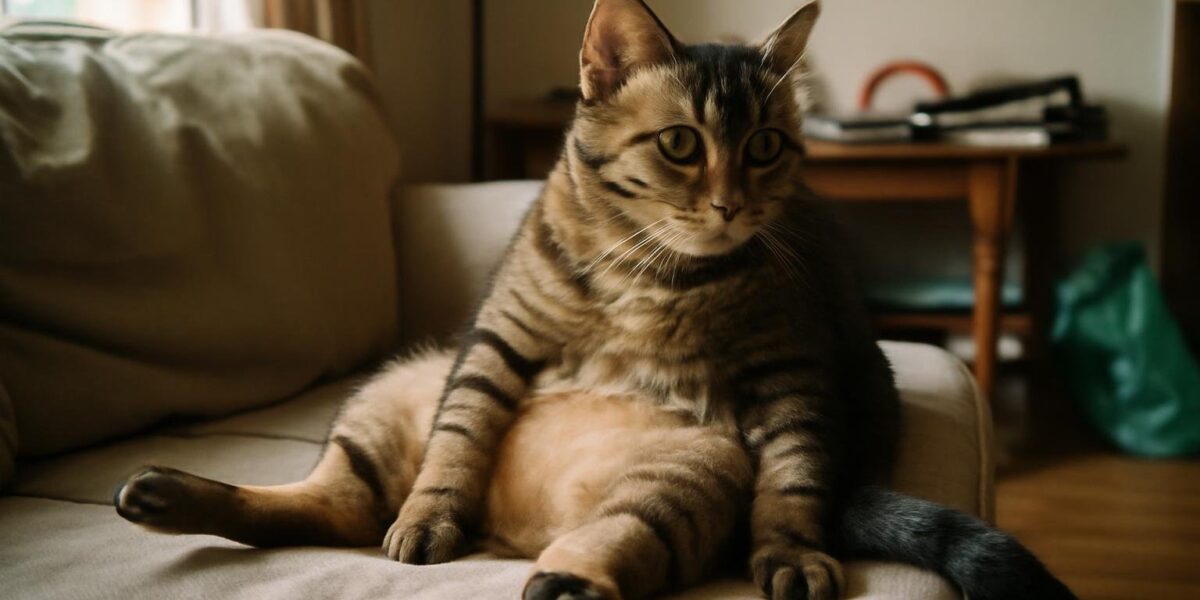
Yes, Happy Drooling Is Usually Normal
If your cat dribbles a little while blissfully kneading your lap and purring, you can smile — it is normal for your cat to drool when happy. Happy drooling is a recognized feline behavior, often linked to deep relaxation and contentment. When a cat feels completely safe and soothed, the same reflexes that trigger purring and kneading can also stimulate the salivary glands, leading to a bit of drool.
In this article
- Yes, Happy Drooling Is Usually Normal
- Why Some Cats Drool When They’re Content
- What’s Normal Variation
- The Kitten Connection Behind Happy Drooling
- When Drooling Is NOT Normal — and When to See a Vet
- Practical Tips for a Happy, Healthy Mouth
- Happy Drool vs. Problem Drool: A Quick Comparison
- Frequently Asked Questions
So if you’re wondering “is it normal for my cat to drool when happy?”, the answer is usually a reassuring yes. This kind of drooling tends to show up in your cat’s most relaxed moments — being petted, snuggling, dozing off against you, or settling in for a contented purr. Many people connect it to the comfort and security kittens feel while nursing.
If you’ve never seen a cat do this before, your first reaction might be mild surprise — drooling feels more like a dog thing than a cat thing. But for the cats who do it, happy drooling is simply their body’s way of showing just how deeply at ease they feel. Once you understand the difference between this contented dribble and the kind of drooling that signals a problem, you’ll be able to enjoy it as the compliment it is.
That said, drooling can also have less happy causes, and it’s worth knowing how to tell contentment-drool from a sign of a problem. Let’s break it down.
Why Some Cats Drool When They’re Content
Happy drooling is closely tied to your cat’s most relaxed, blissful states:
- Deep relaxation. When a cat is fully at ease, the body’s relaxation response can stimulate saliva production.
- Purring and kneading. Drooling often accompanies these comfort behaviors, which many cats carry from kittenhood.
- The nursing connection. Kneading and drooling echo the soothing routine of nursing, so a content adult cat may revisit it during cuddles.
- Anticipation of food. Some cats drool a little when excited about a favorite meal or treat.
If your cat drools during a purring, kneading session, it’s all part of the same happy package. To understand those behaviors better, our guides on what purring means and why cats knead explain the contentment behind them. For the full picture of drooling and its many causes, our pillar on causes of cat drooling is the best resource.
It’s also worth noting that happy drooling tends to be very individual. Some cats drool the moment they hit a certain level of bliss, while others who are just as content never produce a drop. Personality, early experiences, and even subtle differences in how each cat relaxes all play a part. So if your cat is a happy drooler, take it as a quirk to enjoy rather than a behavior to compare against other cats — there’s a wide and normal range here.
What’s Normal Variation
Happy drooling looks different from cat to cat, and that variety is normal.
Some cats drool, some never do. Drooling when content is more common in certain individuals — often the most affectionate, lap-loving cats. If yours has never drooled, that’s normal too.
Amount. Happy drool is usually a small amount — a damp spot or a few drops during a deep cuddle, not a steady stream.
Context. The hallmark of happy drooling is that it appears alongside other contentment signals: purring, kneading, half-closed eyes, and a soft, relaxed body. Reading those cues together helps you confirm it’s a good thing — our cat body language guide shows how to read the whole relaxed picture.
As long as the drooling is occasional, tied to happy moments, and your cat is otherwise eating and behaving normally, it’s simply a sign of a very content cat.
The Kitten Connection Behind Happy Drooling
One of the sweetest explanations for happy drooling traces all the way back to kittenhood, and it ties together several of the behaviors you see during a contented cuddle.
As nursing kittens, cats knead their mother’s belly to stimulate milk flow, and that rhythmic pressing is paired with the comfort of feeding and the soothing rumble of purring. For many cats, this bundle of sensations — kneading, purring, and the anticipation of warmth and nourishment — becomes a lifelong shorthand for safety and contentment.
So when your adult cat settles onto your lap, begins to knead, purrs deeply, and starts to drool, they may be unconsciously revisiting that earliest sense of security. The salivation that once accompanied feeding surfaces again in this deeply relaxed, trusting state. In other words, a drooling, kneading, purring cat is paying you a real compliment — they feel as safe with you as a kitten with its mother.
Not every cat carries these behaviors into adulthood, and that’s normal too. But if yours does, it’s a lovely window into just how comfortable they feel in your company, and it’s the clearest sign that the drool is a happy one rather than a medical concern.
When Drooling Is NOT Normal — and When to See a Vet
Drooling becomes a concern when it’s not tied to contentment, when it’s heavy or constant, or when it comes with other symptoms. Contact your veterinarian if you notice:
- Sudden or excessive drooling that isn’t linked to a relaxed, happy moment.
- Bad breath, red or bleeding gums, or pawing at the mouth, which can signal dental disease or a mouth injury.
- Trouble eating, dropping food, or reluctance to chew.
- Drooling with nausea, vomiting, or lethargy.
- Possible exposure to a toxin or bitter substance, or any swelling around the face — these can be urgent.
Unlike happy drooling, problem drooling is often heavier, persistent, and unrelated to cuddles. Common causes include dental disease, mouth ulcers, nausea, and ingesting something bitter or toxic. If your cat suddenly starts drooling for no happy reason, treat it as a sign to call your vet, and keep a home pet first-aid station on hand. Home observation helps you describe what you see, but it never replaces a veterinary exam when drooling seems abnormal.
Practical Tips for a Happy, Healthy Mouth
You can enjoy your cat’s happy drooling while keeping their mouth healthy.
- Lean into the cuddles. Happy drooling means your cat feels safe — keep offering the calm, affectionate moments they love.
- Keep a soft towel handy. If your lap-loving cat is a happy drooler, a blanket or towel makes cuddle time tidier.
- Support dental health. Regular dental care and vet check-ups help rule out mouth problems behind any new drooling.
- Know your cat’s normal. Note when and how much your cat typically drools so you can spot a change.
- Watch the context. Drool during purring and kneading is happy; drool with bad breath, pain, or appetite loss needs a vet.
For most cats, a little drool during a deep, purring cuddle is one of the sweetest signs of trust and contentment you’ll ever get. Enjoy it — and just stay alert to any drooling that appears outside those happy, relaxed moments.
Happy Drool vs. Problem Drool: A Quick Comparison
Because drooling can be either the loveliest sign of contentment or an early clue to a health issue, it helps to have a simple side-by-side picture in mind so you can tell them apart at a glance.
Happy drooling usually looks like this:
- It happens during cuddles, petting, purring, or kneading.
- It’s a small amount — a damp patch or a few drops.
- Your cat is deeply relaxed, with soft eyes and a loose body.
- It stops when the blissful moment ends, and your cat eats and behaves normally.
Problem drooling tends to look quite different:
- It appears suddenly and isn’t tied to a happy, relaxed moment.
- It may be heavy, constant, or come with thick or bloody saliva.
- It’s paired with bad breath, pawing at the mouth, dropping food, or trouble eating.
- Your cat may seem off — lethargic, nauseous, or withdrawn.
When you hold these two pictures side by side, the contrast is usually clear. Drool that arrives with purrs and melts away with the cuddle is a happy one. Drool that shows up out of nowhere, especially with mouth pain or appetite changes, is your cue to call the vet. Trusting that distinction lets you fully enjoy the affectionate kind while staying ready to act on the kind that matters.
Frequently Asked Questions
Why does my cat drool when I pet her?
Petting can put your cat into a deeply relaxed, blissful state that stimulates saliva, much like purring and kneading do. Happy drooling during affection is a normal sign of contentment.
Is happy drooling a sign my cat loves me?
It’s a strong sign your cat feels safe, secure, and content with you. Drooling alongside purring, kneading, and half-closed eyes reflects deep trust and comfort.
How much drooling is normal for a happy cat?
Usually just a small amount — a damp spot or a few drops during deep relaxation. A steady stream, or heavy drooling unrelated to happy moments, should be checked by a vet.
When should I worry about my cat drooling?
Worry if drooling is sudden, heavy, or constant, or comes with bad breath, mouth pain, trouble eating, nausea, lethargy, or possible toxin exposure. These warrant a vet visit.
Can dental problems cause my cat to drool?
Yes. Dental disease, gum inflammation, and mouth ulcers are common causes of abnormal drooling. If drooling comes with bad breath or eating trouble, see your vet for a dental check.


