
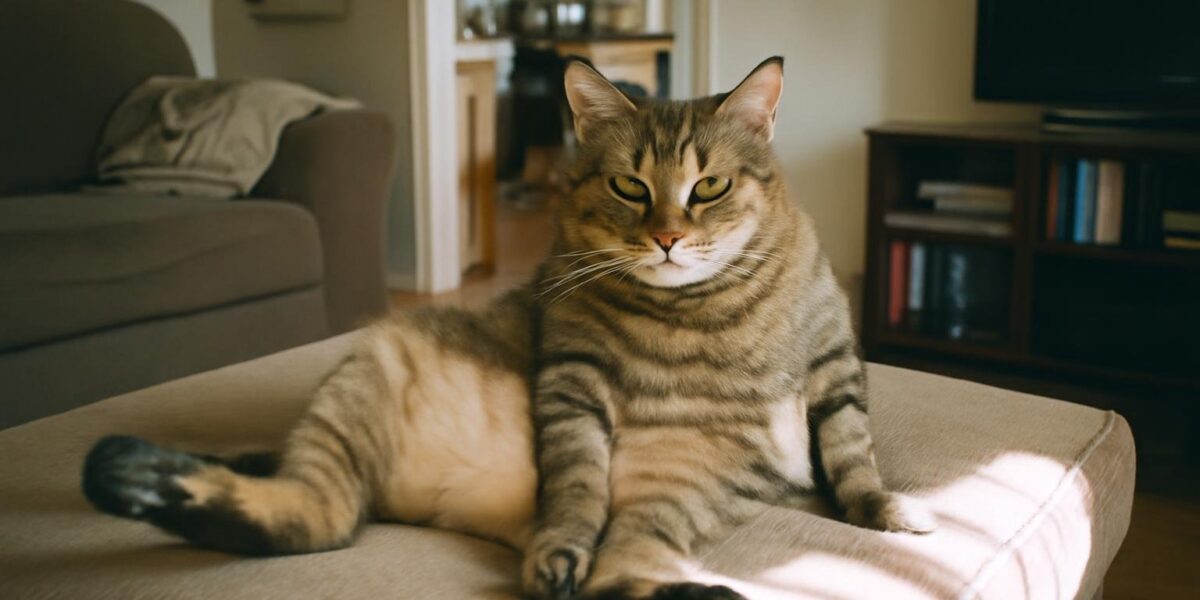
If you have spotted little white flakes in your cat’s fur, you are probably wondering whether you should be worried. The good news is that a small amount of cat dandruff is often normal and very common. Those tiny flakes are simply dead skin cells, and just like people, cats naturally shed skin cells all the time. A few specks here and there — especially near the base of the tail or along the back — usually do not signal anything serious. Many perfectly healthy cats have the occasional flake.
In this article
At the same time, dandruff can sometimes be a clue that your cat’s skin needs a little help, whether from dry indoor air, a grooming gap, diet, or an underlying health issue. This guide explains what counts as normal flaking, what might be behind heavier dandruff, and the warning signs that mean it is time to call your veterinarian.
What Cat Dandruff Actually Is
Dandruff is made up of dead skin cells, or dander, that flake off the surface of the skin. A cat’s skin is constantly renewing itself, shedding old cells as new ones form underneath. Normally this process is invisible because grooming and natural skin oils keep everything smooth. When the balance tips — too little oil, too much dryness, or skin irritation — those flakes become visible as dandruff.
You will most often notice dandruff along the back, near the base of the tail, and around the shoulders. These are areas where a cat’s natural oils may be less evenly distributed, and in the case of the lower back, areas that older or heavier cats struggle to reach when grooming.
So when you ask is it normal for my cat to have dandruff, the honest answer is: a little can be perfectly normal, but the amount and the surrounding circumstances tell the real story. A few flakes on a sleek, comfortable, well-groomed cat is very different from heavy flaking on a cat that is also scratching, losing fur, or seeming unwell.
Common Reasons for Mild Dandruff
Several everyday, non-serious factors can cause a healthy cat to develop a bit of dandruff. Recognizing them helps you decide whether a simple home fix will do the trick.
- Dry air: Low humidity, especially in winter or in air-conditioned homes, dries out the skin. This is one of the most common harmless causes.
- Diet: A diet low in healthy fats and omega-3 fatty acids can leave skin dry and flaky. Quality nutrition supports a healthy coat.
- Dehydration: Cats that do not drink enough water can have drier skin. Many cats drink too little by nature.
- Grooming gaps: Overweight, arthritic, or senior cats often cannot reach their lower back to groom, leading to dandruff in those spots.
- Sun and heat exposure: A sunny windowsill nap can occasionally dry out a patch of skin.
These causes are usually easy to improve at home. Good grooming and coat care also reduce flaking, and our guide to cat shedding covers brushing techniques that help distribute natural oils and lift away loose dander.
Stress can play a surprising role too. A cat that is anxious or under-the-weather may groom less than usual, allowing dead skin to accumulate. Conversely, a stressed cat that over-grooms can irritate the skin and worsen flaking. Big life changes, a new pet, or a move can temporarily shift grooming habits enough to produce a little extra dandruff that resolves once your cat settles back into its routine. Because grooming is such a barometer of feline well-being, a change in how thoroughly your cat keeps itself clean is always worth noting.
Normal Variation in Skin and Coat
Cats vary a great deal in their skin and coat, and a certain amount of difference from one cat to another is entirely normal. Long-haired and dense-coated breeds may show flakes more visibly simply because dander gets trapped in the fur. Dark-coated cats make dandruff easier to spot than light-colored ones, so you might notice flakes on a black cat that would be invisible on a white one.
Seasonal changes matter too. Many cats develop a touch more dandruff in dry winter months and clear up once humidity rises again. Older cats commonly show a bit more flaking than young, supple-skinned kittens because aging skin produces fewer oils and seniors groom less thoroughly.
A small, stable amount of dandruff that does not bother your cat — no scratching, no fur loss, no redness — generally falls within normal variation. The picture changes when flaking is heavy, sudden, or paired with other symptoms.
Age is one of the biggest sources of normal variation. Kittens rarely have dandruff because their skin produces plenty of oil and they groom constantly. Middle-aged cats may show a touch here and there, while senior cats are the most likely to flake, both because aging skin is drier and because arthritis or extra weight makes thorough grooming harder. If your older cat has developed mild, stable dandruff over its lower back, that is a very common and usually benign part of aging — though it is still worth a mention at the next check-up, since it can also be your cue to help with grooming those hard-to-reach spots.
When Cat Dandruff Is NOT Normal
Sometimes dandruff is a symptom of an underlying problem that needs veterinary attention. Be honest with yourself about the severity, and contact your vet if you notice any of the following:
- Heavy, widespread flaking: A sudden snowstorm of dandruff rather than a few specks.
- Scratching, licking, or biting at the skin: Signs of itchiness or irritation.
- Hair loss, scabs, or bald patches: These suggest a skin condition, parasites, or allergies.
- Red, inflamed, greasy, or smelly skin: Possible infection or seborrhea.
- Moving “walking dandruff”: Flakes that appear to move are a sign of Cheyletiella mites, a contagious parasite that needs treatment.
- Fleas or flea dirt: Parasites commonly trigger skin irritation and flaking.
- Other symptoms: Weight loss, increased thirst, lethargy, or appetite changes alongside dandruff can point to thyroid, diabetes, or other internal issues.
Heavy dandruff combined with itching or fur loss often overlaps with broader skin and coat problems, which we cover in our guide to cat hair loss. If your cat is uncomfortable, losing fur, or showing any of the systemic signs above, a veterinary exam can pinpoint the cause and provide relief. Never assume heavy or symptomatic dandruff is “just dry skin” without ruling out parasites and medical conditions.
How to Help Your Cat’s Skin and Coat
For ordinary, mild dandruff, a few practical steps often clear things up and keep your cat’s coat healthy.
- Brush regularly. Frequent gentle brushing removes loose dander, stimulates the skin, and spreads natural oils across the coat.
- Boost hydration. Encourage drinking with fresh water, a pet fountain, or some wet food in the diet to support skin moisture from the inside.
- Feed a quality diet. A complete diet with healthy fats supports skin health. Ask your vet whether an omega-3 supplement is appropriate.
- Add humidity. A humidifier in dry months can ease flaky skin caused by dry indoor air.
- Help seniors and heavy cats groom. Gently brush the lower back and tail base of cats that cannot reach those areas, and talk to your vet about weight management or arthritis care.
- Keep up parasite prevention. Year-round flea control prevents one of the most common causes of skin irritation.
Give any change you make a few weeks to show results, since skin and coat turn over slowly. If you start brushing daily and add an omega-3 supplement, you may not see the flakes fade for a month or more as healthier skin cells work their way to the surface. Patience and consistency matter more than any single product. Resist the urge to bathe a cat repeatedly to wash away dandruff, as frequent bathing can actually strip natural oils and make dry skin worse; a gentle brushing routine is usually far more effective and far less stressful for your cat.
Skin and coat health is closely linked to overall comfort and grooming habits. If your cat is also shedding more than you expect, our explainer on is it normal for my cat to shed a lot covers what is typical and what is not. When in doubt about your cat’s skin, your veterinarian is the best resource for a clear diagnosis, and a quick exam can rule out parasites and medical causes so you can treat the flakes with confidence.
Frequently Asked Questions
Is a little dandruff on my cat something to worry about?
Usually not. A few flakes on an otherwise healthy, comfortable cat is common and often related to dry air, diet, or aging skin. Worry sets in when flaking is heavy or comes with scratching, fur loss, or other symptoms.
What causes dandruff on a cat’s lower back specifically?
The lower back and tail base are hard for cats to reach, especially overweight, arthritic, or senior cats. When they cannot groom there, dead skin builds up into visible dandruff. Gentle brushing of that area helps.
Can diet fix my cat’s dandruff?
Often, yes. A quality diet with adequate healthy fats and omega-3 fatty acids supports skin moisture and coat health. Ask your vet before adding any supplement to be sure it is right for your cat.
What is “walking dandruff”?
Walking dandruff is caused by Cheyletiella mites. The flakes appear to move because the mites are crawling beneath them. It is contagious and needs veterinary treatment, so see your vet if flakes seem to move.
When should I take my cat to the vet for dandruff?
See your vet if the dandruff is heavy or sudden, if your cat is scratching or losing fur, if the skin is red, scabby, greasy, or smelly, or if there are other signs like weight loss or increased thirst.


