
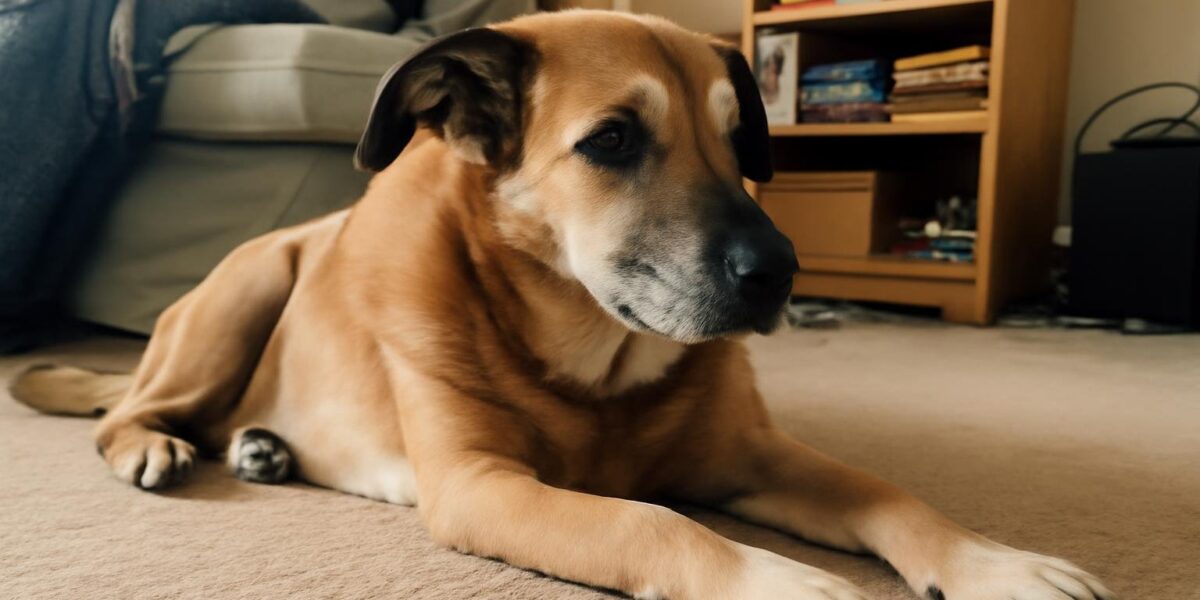
If you find yourself asking whether it is normal for my dog to sleep all day, take a deep breath: in most cases, yes, it is completely normal. Dogs are champion nappers, and an adult dog sleeping 12 to 14 hours out of every 24 is right on target. What can look like “sleeping all day” to a worried owner is often just your dog resting, dozing, and recharging in between the bursts of activity that matter to them. As long as your dog wakes up happy, eats well, and still gets excited for walks and meals, all that snoozing is part of healthy dog life.
In this article
That said, a sudden change in how much your dog sleeps is worth paying attention to. The goal of this guide is to help you tell the difference between ordinary, restful dog sleep and the kind of lethargy that signals something is off. We will walk through how much sleep is normal at each life stage, the everyday reasons dogs nap so much, the variations that are nothing to worry about, and the specific red flags that mean it is time to talk to your veterinarian.
How Much Sleep Is Normal for a Dog?
Dogs simply need more sleep than humans do. The average healthy adult dog sleeps about 12 to 14 hours per day, usually split between a solid stretch overnight and several naps during the day. Compared to our roughly 7 to 8 hours, that can look like a lot of downtime.
Age makes a big difference. Here is a rough guide to what is typical:
- Puppies (under 12 months): 18 to 20 hours a day. Growing bodies and busy brains burn enormous energy, so heavy sleep is essential.
- Adult dogs (1 to 7 years): 12 to 14 hours a day, with the bulk at night.
- Senior dogs (7+ years): often 14 to 18 hours, as older bodies tire more easily and recover more slowly.
Size and breed matter too. Large and giant breeds such as mastiffs, Great Danes, and Saint Bernards are famous couch potatoes and may sleep more than smaller, high-drive dogs. Working and herding breeds like Border Collies tend to sleep less when they are mentally engaged, but even they need plenty of rest.
Why Dogs Sleep So Much
It helps to understand what is happening during all that sleep. Dogs are polyphasic sleepers, meaning they cycle through sleep and wakefulness many times a day rather than in one long block like we do. Because their sleep is lighter and more interrupted, they make up for it with sheer volume.
Sleep is also when the body does its repair work: muscles recover, the immune system strengthens, and the brain consolidates the day’s learning. A dog that played hard at the park or had a big training session will naturally crash afterward, and that is exactly what should happen.
Boredom plays a role as well. A dog with little to do will often sleep simply because there is nothing more interesting going on. If your dog perks up the instant you grab the leash or rattle the treat jar, the daytime napping is likely just down-time, not a problem. To dig deeper into the science and the common triggers, see our full guide on why does my dog sleep so much.
Normal Variation: When Extra Sleep Is Nothing to Worry About
Plenty of ordinary situations cause a dog to sleep more than usual without any cause for alarm. These are the changes you can usually chalk up to normal life:
- After heavy exercise: a long hike or a day of play earns a long recovery nap.
- Weather: hot, humid days and gray, rainy weather both make dogs sleepier and less active.
- Routine changes: a quiet day at home with the family relaxed often means more napping.
- Growth spurts and aging: puppies and seniors both need extra rest, as noted above.
The position your dog chooses can also tell you they are simply comfortable and secure rather than unwell. A dog flopped on their side or sprawled belly-up is deeply relaxed. If you are curious what those poses mean, our breakdown of dog sleeping positions and their meaning is a fun read. And if you have a younger dog, you may also want to know whether it is normal for a puppy to sleep so much, since their numbers run even higher.
When It Is NOT Normal: Red Flags to Watch For
While most all-day sleeping is harmless, certain patterns suggest your dog may be sick, in pain, or struggling with their mood. Contact your veterinarian if the extra sleep comes with any of these warning signs:
- Sudden onset: a dog that was normally active suddenly sleeping far more for no clear reason.
- True lethargy: hard to rouse, uninterested in food, toys, walks, or greeting you.
- Other symptoms: vomiting, diarrhea, coughing, limping, weight loss, or increased thirst alongside the sleeping.
- Behavior changes: confusion, pacing at night, restlessness, or new irritability, which can signal pain or cognitive decline in older dogs.
- Pale gums or labored breathing: always treat these as urgent.
Excess sleep can be linked to issues such as hypothyroidism, infection, anemia, diabetes, heart disease, or depression after a major change in the household. None of these can be diagnosed at home, which is why a vet visit matters when red flags appear. Keep a simple log of when the change started and what other symptoms you notice. For situations that feel urgent, our home pet first aid and emergency station guide can help you decide how quickly to act.
Practical Tips to Support Healthy Sleep
You can encourage good, restful sleep and keep daytime napping from tipping into boredom or restlessness with a few simple habits:
- Keep a routine: consistent meal, walk, and bedtime schedules help regulate your dog’s body clock.
- Provide daily enrichment: walks, sniff time, puzzle feeders, and short training games tire the brain as well as the body.
- Offer a comfortable bed: a quiet, draft-free spot encourages deeper, more restorative sleep, especially for seniors with stiff joints.
- Watch the clock with seniors: if an older dog is restless at night but sleepy all day, mention it to your vet, as it can be an early sign of canine cognitive dysfunction.
Most of all, learn your individual dog’s baseline. Once you know what a normal day of sleeping looks like for them, any meaningful change becomes much easier to spot.
How a Dog’s Sleep Compares to Ours
One reason owners worry is that dog sleep simply does not look like human sleep. We tend to sleep in one long, unbroken block at night and stay awake all day. Dogs spread their sleep across the entire 24-hour cycle in many shorter stretches, which is why your dog may seem to be napping every time you glance over.
Dogs also spend a smaller percentage of their sleep in the deep, dreaming REM stage than we do, around 10 percent compared to roughly 25 percent in humans. Because their deep sleep is shorter and more easily interrupted, they compensate by sleeping more total hours. This is an evolutionary leftover from their ancestors, who needed to be ready to wake and respond at a moment’s notice.
This light, fragmented pattern is exactly why a dog can fall asleep within seconds of lying down and wake fully alert the instant they hear the treat jar. So when your dog appears to “sleep all day,” much of that is light dozing rather than the heavy sleep we picture. Understanding this can take a lot of the worry out of watching a sleepy dog.
Helping Puppies and Seniors Sleep Well
The two life stages that sleep the most, puppyhood and the senior years, also have the most specific needs. For puppies, sleep is not laziness; it is when growth hormone is released and the brain processes everything they are learning. A puppy who is denied enough rest can become cranky, mouthy, and hard to train, much like an overtired toddler. Build quiet nap times into your puppy’s day and protect them from constant handling so they can recharge.
Senior dogs face the opposite challenge. They may want to sleep more during the day but find nighttime sleep harder to come by due to stiff joints, weaker bladders, or early cognitive changes. A supportive orthopedic bed, a consistent bedtime routine, a last bathroom break before lights out, and a warm, quiet sleeping spot all help an older dog rest more soundly. If your senior seems to have flipped their schedule, sleeping all day and wandering at night, mention it to your vet, as it is one of the earliest signs of age-related cognitive change and is often manageable when caught early.
Frequently Asked Questions
How many hours a day should a dog sleep?
Adult dogs typically sleep 12 to 14 hours a day, puppies 18 to 20 hours, and senior dogs 14 to 18 hours. Large breeds often sleep more than small, high-energy ones.
Is it normal for my dog to sleep all day and still be active in the evening?
Yes. Many dogs nap through quiet daytime hours and become lively at dawn and dusk. If your dog is alert, eating well, and enjoys walks and play, all-day napping is usually perfectly normal.
When should I worry about my dog sleeping too much?
Worry if the extra sleep came on suddenly, your dog is hard to wake, seems uninterested in food or play, or shows other symptoms like vomiting, limping, weight loss, or increased thirst. See your vet promptly in those cases.
Can boredom make a dog sleep all day?
Yes. A dog with little physical or mental stimulation often sleeps out of boredom. More walks, sniff time, puzzle toys, and training games usually increase daytime activity.
Do older dogs really need more sleep?
They do. Senior dogs tire faster and recover more slowly, so 14 to 18 hours is common. Just watch for restlessness at night, which can be an early sign of age-related changes worth discussing with your vet.


