
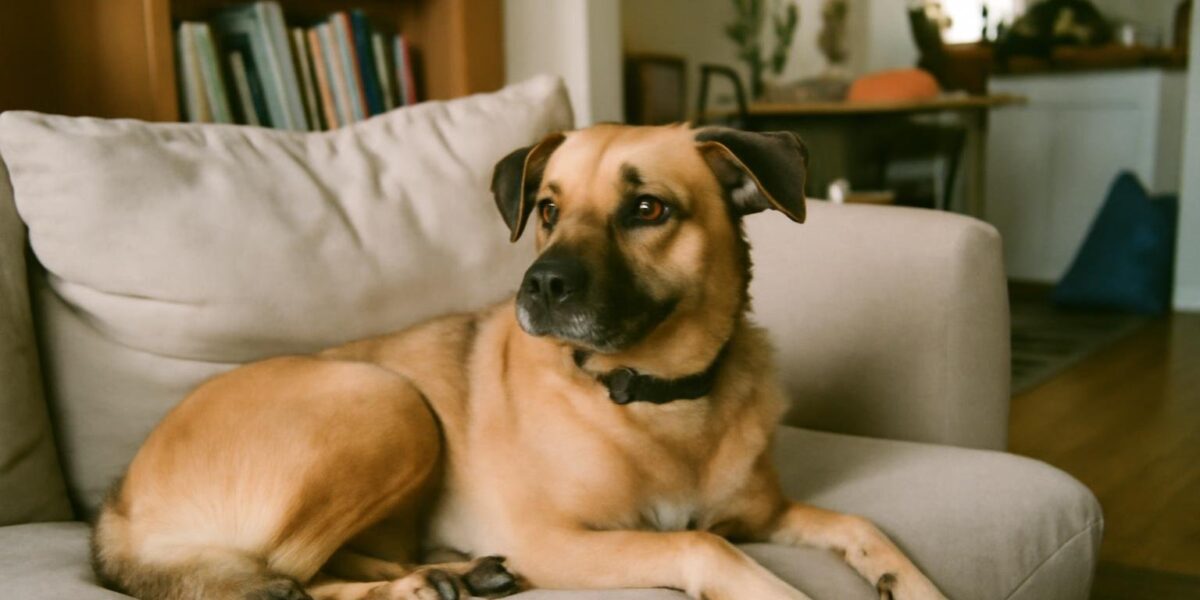
If you have watched your sleeping dog’s legs paddle, lips quiver, or whole body give little jerks and wondered whether it is normal for my dog to twitch in his sleep, you can relax: this is almost always completely normal. Those twitches, paddles, and soft woofs are signs that your dog has slipped into the dreaming stage of sleep, just like we do. During this phase the brain is highly active while the body is mostly relaxed, and a little muscle activity leaks through as twitching. It is a sign of healthy, restful sleep, and many owners find it one of the most endearing things their dog does.
In this article
The only time sleep twitching deserves a closer look is when it looks less like dreaming and more like a seizure, or when it comes with other worrying signs. In this guide we will explain why dogs twitch while they sleep, which dogs do it most, what normal dream activity looks like, and how to tell harmless twitching apart from something that needs your veterinarian’s attention.
Why Dogs Twitch While They Sleep
Dogs, like humans, cycle through different stages of sleep, including a dreaming phase known as REM (rapid eye movement) sleep. During REM, the brain is busy processing the day’s experiences and the body becomes very relaxed, but small bursts of muscle activity slip through. That is what you see as twitching.
Common normal sleep movements include:
- Leg paddling, as if your dog is running in a dream.
- Whisker, lip, or eyelid twitching and eyes moving under closed lids.
- Soft barks, whimpers, or “woofs.”
- Tail flicks or full-body jerks.
Scientists believe dogs really do dream, likely about familiar activities like chasing, playing, or exploring. The twitching is simply the body lightly acting out those dreams. To understand the sleep cycle behind it in more depth, see our guide on why dogs twitch in their sleep.
Which Dogs Twitch the Most
You may notice that some dogs twitch far more than others, and that is perfectly normal. A few patterns are common:
- Puppies and senior dogs tend to twitch more than middle-aged adults. Puppies have a less mature nervous system, while older dogs may have more fragmented sleep.
- Small dogs often dream and twitch more frequently than large breeds, though large dogs may have longer, more dramatic dreams.
- Active dogs who had an exciting day may have especially vivid, twitchy dreams that night.
All of this is part of normal variation. Twitching often happens alongside relaxed sleeping postures, and if you are curious what those positions reveal about how secure your dog feels, our guide to dog sleeping positions and their meaning is a nice companion read.
What Normal Sleep Twitching Looks Like
Normal dream twitching has a relaxed, gentle quality. Here is what to expect:
- It happens during sleep, usually 10 to 20 minutes after your dog dozes off, when REM begins.
- The movements are soft and irregular: paddles, flicks, and small jerks rather than violent, rhythmic stiffening.
- Your dog wakes easily if you gently call their name, and they come to looking normal and calm.
- There is no loss of bladder or bowel control, no drooling beyond normal, and no confusion afterward.
If you wake your dog gently and they snap right back to their usual self, you are almost certainly watching a dream. There is no need to wake a peacefully twitching dog, though, since interrupting REM sleep is not good for them.
Twitching vs. a Seizure: How to Tell the Difference
The reason this question worries owners is that a seizure can look a little like intense sleep twitching. Knowing the differences helps you stay calm and respond correctly. Signs that point to a seizure rather than a dream include:
- Rigid, stiff limbs and violent, rhythmic shaking rather than loose paddling.
- Inability to wake the dog when you gently call or touch them.
- Loss of bladder or bowel control, excessive drooling, or champing of the jaw.
- Confusion, disorientation, or pacing for minutes after the episode ends.
- Episodes that happen while the dog is awake, not just asleep.
If you see these signs, time the episode, keep your dog safe from falls, and contact your veterinarian. A first seizure always warrants a vet call, and any seizure lasting more than a few minutes is an emergency. Our home pet first aid and emergency station guide can help you respond calmly in those moments.
When Sleep Twitching Is NOT Normal
Beyond seizures, a few other situations make sleep movements worth mentioning to your vet:
- Twitching that suddenly increases dramatically in an older dog, which can sometimes accompany other health changes.
- Twitching paired with whimpering of pain, stiffness, or trouble settling.
- Excessive shivering or trembling while awake, which is a different issue worth checking.
If your dog also shakes or trembles when they are awake, that is a separate question, and our article on whether it is normal for a dog to shake covers it. For ordinary sleeping twitches with a relaxed, easily wakened dog, though, you can simply enjoy the show.
What Dogs Might Be Dreaming About
One of the most charming parts of watching a dog twitch in their sleep is imagining what is going on in their mind. Research using brain monitoring suggests that dogs really do dream, and that their dreams likely replay familiar daily experiences. A dog that loves chasing balls may paddle their legs as if running, while a dog that enjoys sniffing on walks might wiggle their nose and whiskers.
Studies also suggest that the size of the dog may influence how often and how long they dream. Smaller dogs appear to have more frequent but shorter dreams, while larger dogs may dream less often but for longer stretches. Puppies seem to dream a great deal, which fits with how much they are learning each day and how much sleep they need to process it all.
The twitching you see is the body lightly acting out these dreams, held mostly in check by the natural muscle relaxation of REM sleep. Far from being a problem, it is a window into a rich inner life and a sign that your dog is getting the deep, restorative sleep their brain needs.
How to Support Healthy, Restful Sleep
Since twitching is a sign of healthy dreaming sleep, the best thing you can do is help your dog get plenty of undisturbed rest. A few simple habits make a big difference:
- Provide a comfortable, supportive bed in a quiet, draft-free spot where your dog feels safe.
- Keep a consistent routine for meals, walks, and bedtime, which helps regulate the sleep cycle.
- Give daily exercise and enrichment, since a well-stimulated dog sleeps more deeply.
- Avoid waking a dreaming dog unless you suspect a seizure, as interrupting REM is disruptive and a startled dog may snap reflexively.
If young children are in the home, teach them the gentle rule “let sleeping dogs lie.” A dog roused suddenly from a deep dream may react before they are fully awake, so giving them space to sleep protects both your dog and your family.
It is also worth remembering how much total sleep dogs need to get enough of this dreaming rest. Adult dogs sleep around 12 to 14 hours a day, puppies far more, and seniors often more again. If your dog’s sleep is constantly interrupted, by noise, a busy household, or an uncomfortable spot, they may struggle to reach the deeper REM stage where twitching and dreaming happen. Giving your dog a predictable, peaceful place to rest not only reduces stress but ensures they get the restorative, dream-filled sleep their body and brain depend on. A well-rested dog is generally a calmer, healthier, and happier companion.
Frequently Asked Questions
Why does my dog twitch and move his legs while sleeping?
Your dog is most likely dreaming. During REM sleep the brain is very active and small bursts of muscle activity cause leg paddling, twitches, and soft woofs. It is normal and a sign of healthy sleep.
Should I wake my dog when he twitches in his sleep?
No, it is best to let a peacefully twitching dog sleep, since interrupting REM is not good for them. Only gently rouse your dog if the movement looks like a seizure rather than a dream.
How can I tell a dream from a seizure?
Dreams involve loose, irregular movements and your dog wakes easily and acts normal. Seizures involve stiff, rhythmic shaking, an inability to wake the dog, possible loss of bladder control, and confusion afterward. Seizure signs need a vet.
Do puppies twitch more in their sleep than adult dogs?
Yes. Puppies have a less mature nervous system and often twitch and paddle more than adults. Senior dogs may also twitch more due to more fragmented sleep. Both are usually normal.
When should I worry about my dog twitching in his sleep?
Worry if movements are stiff and rhythmic, your dog cannot be woken, there is drooling or loss of bladder control, or confusion follows. Also see your vet if twitching while awake or shaking increases suddenly.


