Last updated: May 6, 2026
In this article
Japanese Bobtail Cat Breed Profile: The Lucky Beckoning Cat
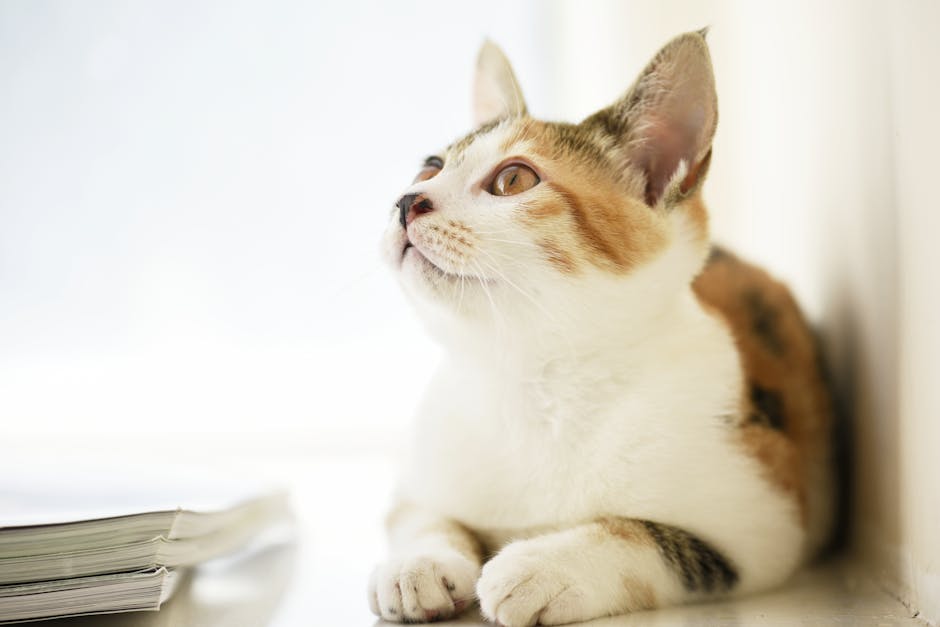
If you’ve ever seen a ceramic cat figurine with one paw raised in a beckoning gesture sitting in the window of a Japanese restaurant or shop, you’ve already met the Japanese Bobtail cat, at least in spirit. Known as the “maneki-neko” or beckoning cat, this charming breed has been considered a symbol of good fortune in Japan for centuries. But the Japanese Bobtail is far more than a good luck charm. It’s a lively, intelligent, and deeply affectionate companion that brings joy and energy to every household lucky enough to welcome one.
At Walk Me Home Rescue, we love sharing the stories of unique cat breeds that deserve more recognition. The Japanese Bobtail is one of those breeds, a cat with an ancient history, a distinctive appearance, and a personality that will keep you smiling every single day. Let’s explore everything you need to know about this extraordinary feline.
A Cultural Icon: History of the Japanese Bobtail
The Japanese Bobtail’s history stretches back over a thousand years, making it one of the oldest naturally occurring cat breeds in the world. Written records and artistic depictions of short-tailed cats in Japan date to at least the sixth century, when cats were first brought to the Japanese islands, likely from China and Korea, to protect precious silkworm cocoons and Buddhist manuscripts from rodents.
Over the centuries, these bobbed-tail cats became deeply woven into Japanese culture and folklore. They appear in woodblock prints, paintings, and literary works spanning many centuries. The most famous cultural association is the maneki-neko, the beckoning cat figurine that is believed to bring good luck, prosperity, and happiness. The maneki-neko is almost always depicted as a Japanese Bobtail, typically in the iconic tricolor Calico pattern known as “mi-ke” (meaning three-fur) in Japanese.
According to one popular legend, in 1602 the Japanese government ordered that all cats be set free to deal with a rodent infestation threatening the country’s silkworm industry. Buying or selling cats was forbidden, and the former pampered housecats became street cats, living and breeding freely. This period helped establish the Japanese Bobtail as a common and beloved presence throughout Japan.
The breed didn’t arrive in the Western world until 1968, when American breeder Elizabeth Freret imported the first three Japanese Bobtails from Japan to the United States. She worked tirelessly to establish the breed in America, and the Cat Fanciers’ Association granted the Japanese Bobtail championship status in 1976 for the shorthaired variety and 1993 for the longhaired variety.
Today, while the Japanese Bobtail is well-established in the cat fancy world, it remains a relatively rare breed outside of Japan. This rarity only adds to its appeal for those fortunate enough to share their homes with one of these remarkable cats.
The Signature Tail and Physical Features
The Japanese Bobtail’s most distinctive feature is, naturally, its bobbed tail. But this isn’t just a shorter version of a regular cat tail. Each Japanese Bobtail’s tail is unique, like a fingerprint, with its own combination of curves, kinks, and angles. The tail is typically between two and four inches long, and the fur on the tail often fans out to create a fluffy pom-pom or bunny-tail effect that is utterly endearing.
The bobbed tail is caused by a recessive gene that is different from the gene responsible for taillessness in breeds like the Manx. Importantly, the Japanese Bobtail’s tail gene is not associated with any spinal abnormalities or health problems, which makes it a benign and purely cosmetic trait. The vertebrae in the tail are present but shortened, curved, or fused in various combinations, creating each cat’s unique tail shape.
Beyond the tail, the Japanese Bobtail is a medium-sized cat with a lean, muscular build that reflects its athletic nature. Adults typically weigh between 6 and 10 pounds, with males being slightly larger. Their body is long and elegant, with notably long hind legs that are slightly longer than the front legs. This leg configuration gives them exceptional jumping ability and contributes to their characteristically graceful, almost prancing gait.
The head is an equilateral triangle shape with high, prominent cheekbones, large oval eyes set at a slight slant, and large upright ears that are set wide apart and appear alert. The eyes can be any color and heterochromia, where each eye is a different color, is relatively common and highly prized in the breed, especially in the mi-ke calico pattern.
The coat comes in both shorthaired and longhaired varieties. Both types have a soft, silky texture with minimal undercoat, which means less shedding and easier grooming. The breed comes in virtually every color and pattern, though the classic tricolor calico pattern remains the most iconic and culturally significant.
Personality: Playful, Vocal, and Endlessly Entertaining
If you’re looking for a quiet, sedentary lap cat, the Japanese Bobtail cat is probably not your ideal match. But if you want a lively, engaging, and interactive companion who will keep you entertained and on your toes, this breed delivers in abundance. Japanese Bobtails are among the most playful cat breeds in the world, and their energy and enthusiasm are truly infectious.
These cats are known for their love of games, particularly fetch. Yes, many Japanese Bobtails will spontaneously learn to play fetch, carrying toys in their mouths and dropping them at your feet for another round. They also excel at chasing, pouncing, and batting games, and they retain their playful spirit well into adulthood. For more ideas on keeping an active cat happy, check out our guide to cat enrichment activities.
Vocalization is another notable trait. Japanese Bobtails are talkative cats with a soft, melodic voice that they use to communicate their thoughts, desires, and observations to their humans. They don’t tend to be ear-piercingly loud like some vocal breeds; instead, their vocalizations are often described as “singing” or “chirping,” and many owners find the running commentary endearing rather than annoying.
Intelligence ranks high in this breed’s profile. Japanese Bobtails are quick learners who enjoy puzzle toys, agility courses, and trick training. They can learn to open doors, figure out complex puzzle feeders, and even respond to their names and simple commands. This intelligence, combined with their social nature, makes them highly trainable cats.
Japanese Bobtails are excellent family cats. They adore children and are patient and gentle with younger kids while being energetic enough to keep up with older children. They typically get along well with other cats and cat-friendly dogs, often taking the lead in initiating play with other pets. To see how this breed stacks up among family-friendly options, visit our list of the best cats for families. For a broader look at energetic feline companions, see our roundup of the most playful cat breeds.
Health, Lifespan, and Breed-Specific Considerations
The Japanese Bobtail is an exceptionally healthy breed with few genetic health problems. Their long history of natural development, combined with a relatively broad gene pool, has produced a robust and hardy cat. The average lifespan for a Japanese Bobtail is 14 to 18 years, and many individuals live well into their late teens or even early twenties with proper care.
One of the breed’s most remarkable health features is that the gene responsible for the bobbed tail does not carry any associated health problems. Unlike some other tailless or short-tailed breeds, the Japanese Bobtail’s tail mutation does not affect the spine, hind legs, or bowel function. This clean genetic profile is a significant advantage and contributes to the breed’s overall vitality.
Kittens are born relatively large and develop quickly compared to many other breeds. Japanese Bobtail kittens are often active and mobile at a younger age than average, and they tend to have strong immune systems with lower than average kitten mortality rates. These robust early development traits reflect the breed’s centuries of natural selection for health and vigor.
As with any cat, the Japanese Bobtail can be affected by common feline health conditions including dental disease, obesity, kidney disease in older age, and hypertrophic cardiomyopathy. Regular veterinary check-ups, preventive care, a balanced diet, and an active lifestyle are the best defenses against these general feline health concerns.
Maintaining a healthy weight is generally easier with this breed than many others, thanks to their naturally high activity level. However, indoor cats who don’t receive enough play and exercise can still gain excess weight, so daily interactive play sessions are important.
Grooming and Daily Care Needs
The Japanese Bobtail is a low-maintenance breed when it comes to grooming, regardless of whether you have the shorthaired or longhaired variety. The breed’s minimal undercoat means less shedding, less matting, and easier coat care overall.
Shorthaired Japanese Bobtails need only a weekly brushing to remove loose hair and keep the coat looking its best. A soft-bristle brush or grooming mitt works well for their fine, silky fur. Longhaired Bobtails benefit from two to three brushing sessions per week, though their coat is much less prone to tangling than the coats of many other longhaired breeds.
Beyond coat care, standard grooming practices apply. Trim nails every two to three weeks, check and clean ears weekly, and maintain dental health through regular tooth brushing and periodic professional cleanings. Given their active nature, Japanese Bobtails should always have access to multiple scratching surfaces to keep their claws healthy and to channel their natural scratching instincts.
Because Japanese Bobtails are such active, athletic cats, their environment should support their need for movement and mental stimulation. Tall cat trees, wall-mounted shelves, interactive toys, and puzzle feeders are all excellent investments for this breed. A bored Japanese Bobtail may find creative and potentially destructive ways to entertain themselves, so providing appropriate outlets for their energy is essential.
Adopting a Japanese Bobtail: What to Expect
Finding a Japanese Bobtail through adoption can require patience, as the breed is relatively rare outside of Japan. However, Japanese Bobtail mixes do occasionally appear in shelters and rescue organizations, and purebred rescues sometimes have Bobtails available. If you’re set on this breed, it’s worth registering with breed-specific rescue organizations and keeping a watchful eye on local shelter listings.
If you choose to work with a breeder, do your research carefully. Reputable breeders will provide health clearances for the parents, allow you to visit their facility, and be transparent about the breed’s characteristics and any potential health concerns. They should be as interested in evaluating you as a potential owner as you are in evaluating them as a breeder.
When bringing a Japanese Bobtail into your home, be prepared for an adjustment period during which your new cat explores and claims their territory. Provide a quiet, safe space with all essentials, food, water, litter box, scratching post, and a cozy bed, and let them set the pace for exploration. Most Japanese Bobtails adapt quickly to new environments thanks to their confident, curious nature.
At Walk Me Home Rescue, we believe every cat deserves a loving home, whether they’re a rare pedigreed breed or a beautiful mixed-breed shelter cat. The most important thing is the bond you build together.
Frequently Asked Questions
Are Japanese Bobtail cats born without tails?
Japanese Bobtails are not born tailless. They are born with short, bobbed tails that are typically two to four inches long. Each cat’s tail is unique, with its own combination of curves and kinks. The fur on the tail often fluffs out to create a distinctive pom-pom appearance. The bobbed tail is caused by a recessive gene that is not associated with any health problems, unlike the tailless gene found in some other breeds.
Do Japanese Bobtail cats make good apartment cats?
Japanese Bobtails can adapt well to apartment living provided they receive adequate exercise and mental stimulation. Their high energy level means they need daily interactive play sessions, plenty of vertical climbing spaces, and enrichment activities to stay happy in a smaller space. A bored Japanese Bobtail may become destructive, so investing in quality toys, cat trees, and puzzle feeders is essential for apartment dwellers.
Why are calico Japanese Bobtails considered lucky?
The tricolor calico pattern, known as “mi-ke” in Japanese, has been considered the luckiest color combination in Japanese culture for centuries. The maneki-neko, or beckoning cat figurine found in shops and restaurants throughout Japan and around the world, is typically depicted as a calico Japanese Bobtail. The three colors, white, black, and red or orange, are believed to ward off evil spirits and attract good fortune, prosperity, and happiness.
How vocal are Japanese Bobtail cats?
Japanese Bobtails are moderately to highly vocal cats, but their voice is generally soft and melodic rather than harsh or demanding. They often “chirp,” “trill,” and “sing” to communicate with their humans, and many owners describe their vocalizations as one of the breed’s most charming traits. They’ll talk to you about their day, request playtime, and comment on things they find interesting. If you prefer a very quiet cat, this breed may not be the best fit.
Looking to adopt a Japanese Bobtail Cat Breed Profile?
Browse Japanese Bobtail Cat Breed Profile cats and mixes available for adoption from shelters and rescues near you.
Find Japanese Bobtail Cat Breed Profile Cats for Adoption