
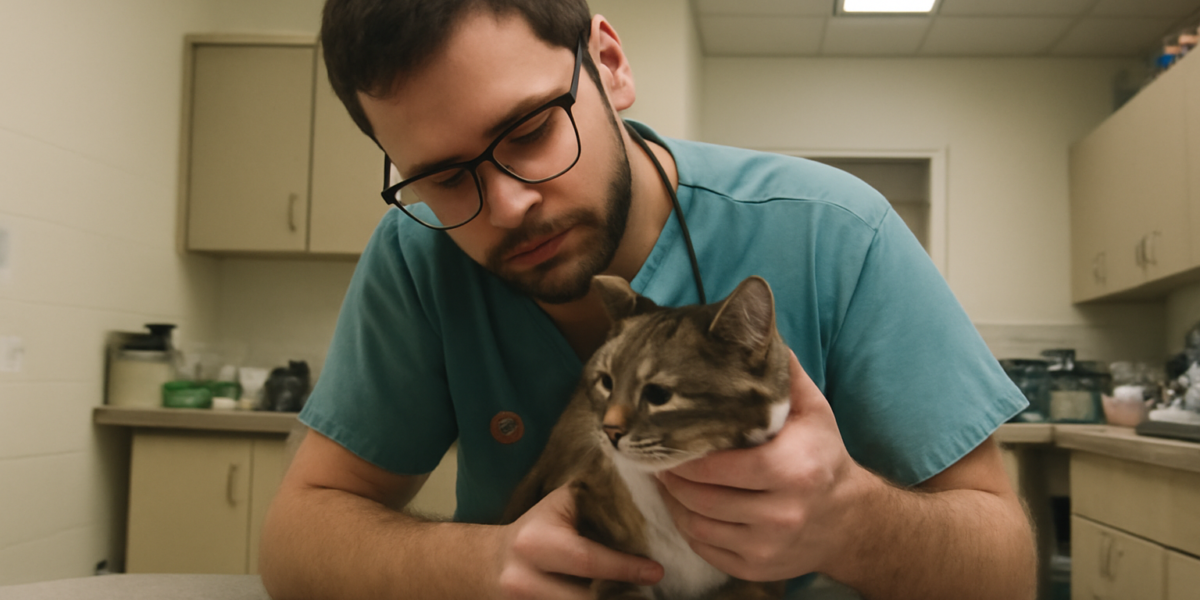
Is Leptospirosis Real in Cats?
Leptospirosis in cats is uncommon but does occur. Veterinarians long assumed cats were essentially resistant to the disease because clinical illness is rare and outbreaks are unheard of in cats. Modern serologic surveys, however, show that cats are exposed and can mount immune responses, and a small but growing number of clinical cases have been reported.
In this article
Most discussion of leptospirosis centers on dogs, where the disease is well-recognized and a vaccine is part of routine preventive care. Cat owners hear less about it, partly because vaccination is not currently recommended for cats and partly because the disease is genuinely rarer in cats. The owner-risk angle (zoonotic potential) is the main reason cat owners should know about it.
If you live in an area with abundant rodents, livestock, or wildlife, and your cat goes outside, the disease deserves a place on your awareness list. Indoor-only cats are at very low risk.
How Cats Get Exposed
Leptospira bacteria live in the kidneys of infected wildlife (rats, raccoons, opossums, skunks, deer) and livestock, shedding into urine that contaminates standing water, mud, and soil. Cats become infected by drinking contaminated water, walking through contaminated puddles and licking their paws, or eating infected prey.
Outdoor cats and indoor-outdoor cats that hunt rodents have the highest exposure. Barn cats, feral cats, and farm cats encounter the bacteria frequently. Indoor-only cats are at minimal risk unless contaminated water enters the home through unusual means.
The bacteria penetrate intact mucous membranes or broken skin. Once inside, they spread through the bloodstream to the kidneys and liver, where they cause damage and where some cats become persistent shedders even without obvious illness.
Recognizing the Symptoms
When cats do develop clinical leptospirosis, the signs resemble those in dogs: fever, lethargy, decreased appetite, vomiting, increased thirst and urination, and sometimes jaundice. Kidney injury is a prominent feature in many cases, with elevated kidney values on bloodwork.
Some cats develop primarily liver involvement with elevated liver enzymes and jaundice. Others present with vague chronic illness that mimics many other diseases. The disease can look like pancreatitis, hepatic lipidosis, kidney disease, or cholangitis, which is part of why it has been historically under-recognized.
The trouble is that cats hide illness well, and the early signs of leptospirosis are nonspecific. By the time signs are obvious, kidney or liver injury may be advanced. Any acutely sick outdoor cat with kidney values rising deserves leptospirosis on the differential list.
Diagnostic Workup
Bloodwork typically shows elevated kidney values, sometimes elevated liver enzymes and bilirubin, and occasionally low platelets. Urinalysis reveals diluted urine and sometimes protein loss. These findings are nonspecific and overlap with many feline illnesses.
Specific testing for leptospirosis includes the microscopic agglutination test (MAT) for antibodies and PCR testing on blood and urine for the bacteria themselves. PCR on urine is particularly useful because it detects active shedding. Paired antibody titers (acute and convalescent samples) can confirm recent infection.
Your veterinarian may run additional tests to rule out concurrent illness and to assess the extent of organ damage. Imaging often complements bloodwork to look at the kidneys and liver.
Treatment Approach
Treatment of leptospirosis in cats parallels that in dogs: appropriate antibiotics combined with supportive care. Doxycycline is the typical first-line antibiotic for cats, given for several weeks. Penicillins are sometimes used in the early phase, particularly for very ill cats. Your veterinarian will calculate doses and tailor the regimen.
Supportive care includes intravenous fluids, anti-nausea medication, appetite support, and management of any kidney or liver injury. Cats that are eating poorly may benefit from a feeding tube to prevent secondary cat hepatic lipidosis, which can complicate any acute feline illness.
Most cats that survive the acute phase improve significantly over days to weeks. Chronic kidney injury can persist after the infection clears, and some cats need ongoing management for chronic kidney disease.
Zoonotic Risk to Owners
Leptospirosis is zoonotic. People become infected the same way cats do: through contact with infected urine, contaminated water, or contaminated soil. A cat shedding leptospires in urine creates a household risk, particularly if litter boxes are handled without gloves or if the cat eliminates outside the litter box.
Wear gloves when cleaning litter boxes during your cat’s illness, wash hands carefully, and disinfect any surfaces contaminated with urine. Children, pregnant people, and immunocompromised household members should avoid handling urine or contaminated bedding entirely.
Talk with your physician if your cat is diagnosed. Human leptospirosis can range from mild flu-like illness to severe multi-organ disease. Awareness, not panic, is the right response. The same general hygiene measures that protect against infections like cat eye infections apply broadly to managing any feline illness.
Prevention for Outdoor Cats
Reducing exposure is the main prevention tool because there is no leptospirosis vaccine for cats. Limit outdoor access, particularly during wet seasons and in areas with heavy rodent or wildlife activity. Provide clean water sources at home so your cat does not need to drink from puddles or stagnant water.
Rodent control around your home reduces the bacterial reservoir. Use sealed garbage containers, eliminate hiding spots near the house, and consider professional pest management if rodent populations are heavy. Avoid using rodenticides where cats might consume poisoned prey, since secondary toxicity is its own serious problem.
Indoor housing is the safest choice and protects against many other risks too: car strikes, fights, predators, and other infectious diseases. Browse the cat care archive for resources on enriching life for indoor cats.
Multi-Species Households
If you have both cats and dogs, the dogs likely carry more leptospirosis risk and probably bring it home first. Dogs in endemic areas should be vaccinated; leptospirosis in dogs is a recognized concern with effective prevention available.
An infected dog can shed bacteria in urine and create exposure for the household, including cats. Treating the dog promptly, isolating during the shedding period, and disinfecting urine-contaminated areas protect everyone, including any feline housemates.
If your cat develops vague illness during or after a dog’s leptospirosis episode, mention the dog’s diagnosis to your veterinarian. The connection might otherwise be missed.
Prognosis
The outlook depends on the severity of organ injury at diagnosis and on how quickly treatment begins. Cats caught early can recover well with antibiotics and supportive care. Cats with severe kidney or liver failure face a more uncertain prognosis.
Some cats develop chronic kidney disease as a residual effect of leptospirosis, even after the infection clears. Long-term monitoring of kidney values, hydration, and nutrition becomes part of routine care. Many cats live comfortably for years with appropriate management.
Watch for return of vomiting, decreased appetite, weight loss, or increased thirst during recovery. These can signal residual organ injury that needs ongoing attention.
Home Hygiene During Treatment
If your cat has been diagnosed with leptospirosis, careful litter box and surface hygiene protects the household. Wear gloves to clean the litter box, scoop frequently, and disinfect the box and surrounding floor with diluted bleach or another effective product. Wash hands carefully afterward.
Restrict your cat from kitchen counters, food-prep surfaces, and beds during the active shedding period. Wash any bedding the cat uses in hot water. Replace porous items that cannot be thoroughly cleaned.
Talk with your physician about whether anyone in the household should be tested or monitored, especially if symptoms develop in any family member. Coordination between veterinary and human medical providers is reasonable in zoonotic situations and helps protect everyone.
Cat Indoor Enrichment
Transitioning an outdoor cat to indoor-only life takes patience and creativity. Provide vertical space (cat trees, shelves), puzzle feeders, window perches with bird-safe entertainment, and regular interactive play to keep your cat engaged and physically active. Most cats adjust well within a few weeks.
If complete indoor confinement is not feasible, supervised outdoor time in an enclosed area (a “catio” or harness walks) offers fresh air without the leptospirosis exposure risk. Browse cat care resources for more on enrichment ideas.
Adopting indoor lifestyle from the start prevents many health issues, not just leptospirosis. Visit adopt cats for adoption guidance if you are considering bringing home a new feline family member.
If your cat is prone to anxiety or has previously had outdoor freedom, a gradual indoor transition with environmental enrichment is kinder than an abrupt confinement. Add new climbing surfaces, food puzzles, and play sessions over weeks rather than days.
Multi-cat households should provide one litter box per cat plus one extra, in different areas of the home. Crowded litter boxes increase stress and inappropriate elimination, which compromises hygiene during any infectious disease event.
When to Call Your Veterinarian
Schedule a same-day visit for any cat with fever, vomiting, sudden lethargy, or unexplained jaundice, especially if your cat has outdoor access in an area with active wildlife or rodent populations. Any acutely sick outdoor cat deserves prompt evaluation.
If your cat has been diagnosed, isolate from other cats and from human food-prep areas during treatment. Use gloves to clean the litter box and disinfect surfaces. Notify your physician, especially if your household includes higher-risk individuals.
Always consult your veterinarian before starting, stopping, or changing any medication. Antibiotic and supportive choices for leptospirosis depend on individual cat factors that need professional guidance.
Frequently Asked Questions
Is there a vaccine for cats?
No leptospirosis vaccine is currently available for cats. Prevention focuses on limiting exposure to contaminated environments and controlling rodent populations.
How common is leptospirosis in cats?
Clinical leptospirosis in cats is uncommon, although exposure (positive antibody titers) is more common than once thought. Severe disease in cats is rarer than in dogs.
Can my cat infect me?
Yes, infected cats shed bacteria in urine and create a real zoonotic risk for household members. Use gloves, wash hands, and disinfect contaminated surfaces during treatment.
Should I keep my cat indoors?
Indoor housing dramatically reduces leptospirosis risk and protects against many other dangers. If your cat already has outdoor access, supervised outdoor time and rodent control reduce exposure.
Can my cat catch it from my vaccinated dog?
Theoretically yes, if the dog has an active infection that vaccination did not fully prevent. Vaccinated dogs are far less likely to shed bacteria, but no vaccine is perfect, so basic hygiene still matters.


