
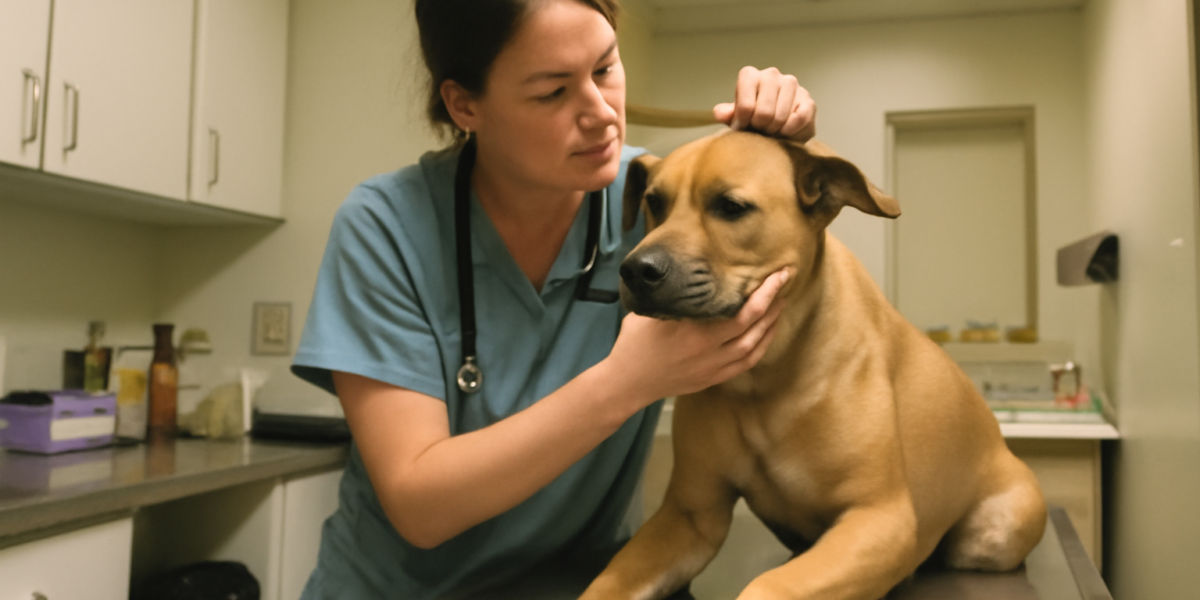
What Are Lipomas in Dogs?
Lipomas dogs develop are benign tumors composed of mature fat cells. They are one of the most common growths owners discover on middle-aged to older dogs, often during a belly rub or grooming session. The vast majority of lipomas are harmless, slow-growing, and do not threaten the dog’s health, but new lumps always deserve a veterinary check because not every fatty-feeling lump is actually a lipoma.
In this article
- What Are Lipomas in Dogs?
- Why Lipomas Develop
- What Lipomas Feel Like
- Differentiating from Other Lumps
- When to Leave Lipomas Alone
- When to Remove Lipomas
- Surgical Removal
- Liposuction and Alternative Approaches
- Monitoring at Home
- Liposarcoma: The Malignant Cousin
- Related Lump and Senior Topics
- Related Skin and Cancer Topics
- Frequently Asked Questions
Lipomas typically feel soft, round to oval, and slide easily under the skin. They can range from pea-sized to grapefruit-sized and may be solitary or multiple. Some dogs accumulate dozens of small lipomas across their lifetime; others develop just one or two larger growths. Common sites include the chest wall, abdomen, axillary area, and limbs.
The challenge is not lipomas themselves; it is differentiating them from other lumps that can mimic them. Mast cell tumors, soft tissue sarcomas, and abscesses can all feel similar to a lipoma at first touch. A simple in-clinic test usually answers the question quickly.
Why Lipomas Develop
The exact cause of lipomas is not fully understood. They are more common in middle-aged and older dogs, in overweight dogs, and in certain breeds (Labrador Retrievers, Golden Retrievers, Doberman Pinschers, mixed breeds). Female dogs may be slightly more predisposed than males, but both sexes commonly develop them.
Obesity is a recognized risk factor. Dogs at a healthy weight tend to develop fewer and smaller lipomas, although lean dogs are not immune. Genetics play a role, with families and breeds tending to develop more lipomas than others. The growths arise from clones of single fat cells that lose normal regulation, producing a localized accumulation of fat tissue.
Lipomas usually grow slowly over months to years. Sudden rapid growth or a lump that feels different from the others should prompt evaluation rather than continued monitoring at home.
What Lipomas Feel Like
Typical lipomas are soft to slightly firm, smooth, round to oval, and movable under the skin. They are usually painless and not attached to the underlying muscle or bone. Most are well-defined, meaning you can feel a clear edge between the lump and surrounding tissue.
Atypical lipomas can be firmer, more deeply attached, or in unusual locations. Infiltrative lipomas (a less common variant) grow into surrounding muscle and other tissues, are harder to remove surgically, and can recur after surgery. They are still benign in the sense that they do not metastasize, but they behave more aggressively locally.
The location matters for monitoring. Lipomas in the armpit area can grow large and interfere with leg movement, especially in heavy or muscular dogs. Lipomas on weight-bearing parts of limbs may compress vessels or nerves if they grow large. Periodic measurements help track size over time.
Differentiating from Other Lumps
This is the most important point. Many lumps that feel like lipomas are not. Mast cell tumors, the most commonly missed mimic, can feel soft and innocuous but are actually malignant skin tumors that need prompt removal. Soft tissue sarcomas can also feel similar, especially when small.
The simplest way to distinguish is fine-needle aspiration. Your veterinarian inserts a small needle into the lump, withdraws cells, and examines them under the microscope. Lipomas yield clear, oily droplets and mature fat cells, which is essentially diagnostic. Other tumors yield different cell populations that warrant further workup.
Aspiration is quick, well-tolerated, and inexpensive. It provides peace of mind for the lumps that are truly lipomas and catches the dangerous mimics early. There is no good reason to skip this step on any new lump, regardless of how typical it seems.
When to Leave Lipomas Alone
Most lipomas do not need to be removed. A confirmed lipoma that is small, slow-growing, and not interfering with the dog’s quality of life can be safely monitored. Surgery has costs, anesthesia risks, and recovery time, and routine removal of every lipoma is unnecessary.
Annual veterinary lump checks are valuable, with measurements documented for each known lipoma. Owners can do monthly checks at home, recording new lumps and changes in existing ones. A simple body diagram or photo log helps track multiple lipomas over time.
If a lipoma is stable in size and the dog is comfortable, watchful waiting is reasonable. The dog should be reassessed if anything changes about the lump’s appearance, growth rate, texture, or impact on movement.
When to Remove Lipomas
Several situations warrant lipoma removal. A large lipoma in the armpit or groin that interferes with limb movement is a common indication. Lipomas that are growing rapidly may be infiltrative variants or could be misdiagnosed and warrant removal with histopathology. Lipomas causing skin ulceration, pain, or interfering with the dog’s daily life are also candidates.
Strategic removal during another procedure (such as a dental or routine surgery) is sometimes a good option when a dog already needs anesthesia. Combining procedures reduces the total anesthesia exposure over the dog’s life and lets a previously borderline lipoma come off without a separate surgical event.
Cosmetic concerns are not usually a strong reason for removal in pet medicine, but they can be a factor when combined with size or location issues. Discuss the risk-benefit of removal with your veterinarian based on your individual dog.
Surgical Removal
Most lipoma removals are straightforward outpatient surgeries. Pre-surgical bloodwork confirms anesthetic safety. The lump is removed through an incision sized to the mass, with a small margin of normal tissue. Most lipomas separate cleanly from surrounding fat because they have a defined capsule.
Recovery is typically quick. Activity is restricted for ten to fourteen days while the incision heals, and an e-collar or surgical suit prevents licking. Most dogs are back to normal life within two to three weeks. Histopathology of the removed tissue confirms the diagnosis and rules out any unexpected tumor type.
Infiltrative lipomas are more challenging surgically. Complete removal may require more aggressive surgery, sometimes including muscle resection, and recurrence is more common. Specialized surgical centers handle these cases when complete excision is desired.
Liposuction and Alternative Approaches
Veterinary liposuction is occasionally offered as a minimally invasive option for selected lipomas. The procedure is similar to human cosmetic liposuction, removing fat tissue through a small incision with suction. It can reduce the size of large lipomas with minimal scarring, but recurrence is common because the capsule is left behind.
Steroid injection has been described for some lipomas, but evidence for effectiveness is limited and the approach is not standard. Most veterinarians recommend either monitoring or surgical removal rather than experimental approaches.
Diet and exercise can sometimes slow lipoma growth in obese dogs, although established lipomas rarely shrink dramatically with weight loss. Weight management is worthwhile for overall health regardless and may reduce the risk of new lipomas developing.
Monitoring at Home
Monthly lump checks at home are a good habit. Run your hands along your dog’s body during a calm moment, noting the location, size, and feel of any lumps. A simple journal or photo log helps track multiple lipomas over time and catches new lumps quickly.
Use a flexible measuring tape or ruler for size measurements. Note the location, dimensions, and any changes in feel. Report any new lump or significant change at your next vet visit, or sooner if concerning. Lumps that have not been aspirated should be evaluated at the first opportunity.
Routine wellness visits should include a full skin and lump check by your veterinarian. Twice yearly visits for senior dogs are particularly valuable because new lumps can develop quickly in older animals.
Liposarcoma: The Malignant Cousin
Liposarcoma is a malignant tumor arising from fat cells. It is much less common than lipoma but important to recognize because of its aggressive behavior. Liposarcomas tend to grow more rapidly, may feel firmer than typical lipomas, and can be locally invasive or metastasize in some cases.
Aspiration cytology may not reliably distinguish liposarcoma from lipoma, especially well-differentiated forms. If a “lipoma” is growing rapidly, feels atypical, or is in an unusual location, surgical removal with histopathology is warranted to confirm the diagnosis.
Treatment for liposarcoma is wide surgical excision when possible, sometimes followed by radiation therapy. Prognosis depends on the grade, location, and completeness of excision.
Related Lump and Senior Topics
Lipomas are one of many lumps that appear in middle-aged and senior dogs. Sebaceous adenomas, skin tags, cysts, and various tumors all coexist with lipomas in many older dogs. Each new lump should be evaluated rather than assumed to match the others.
For broader senior dog care reading, the dog care blog covers wellness screening, weight management, and what to expect as dogs age. Maintaining a healthy weight helps in many ways, including possibly reducing the rate of new lipoma formation.
If you are considering adoption, the adopt a dog hub includes guidance on what to expect from senior dogs, who often come with a few benign lipomas already in place. These are rarely a reason to pass on a wonderful older companion.
Related Skin and Cancer Topics
Lump evaluation in dogs benefits from a consistent approach: aspirate first, then decide. The same logic applies to mammary masses and other lumps that can hide more serious diagnoses. Trusting that “it’s just a lipoma” without confirmation is one of the more common avoidable mistakes in pet care.
Frequently Asked Questions
How can I tell if a lump is one of the lipomas dogs commonly get?
You cannot tell reliably from feel alone. Most lipomas are soft, movable, and slow-growing, but other tumors can mimic these features. A simple fine-needle aspiration in the clinic confirms the diagnosis quickly and inexpensively. Always have new lumps checked.
Do lipomas need to be removed?
Most do not. Confirmed lipomas that are small, stable, and not bothering the dog can be monitored safely. Removal is recommended for large, growing, ulcerating, or movement-restricting lipomas, or when the diagnosis is uncertain.
Can lipomas turn into cancer?
True lipomas do not transform into liposarcomas. They are different tumors from the start. A lipoma that is growing unusually fast or feels atypical may have been misdiagnosed and warrant removal for histopathology to confirm what it actually is.
Will my dog get more lipomas after one is removed?
New lipomas can develop elsewhere on the body even after removal of one. Removing a lipoma does not prevent future lumps from forming in different locations. Maintaining a healthy weight may slow the development of new lumps.
Are lipomas painful?
Most lipomas are not painful. Large lipomas in mechanically inconvenient locations (armpit, groin, between leg and chest) can cause discomfort by interfering with movement. Pain or sudden tenderness in a lump warrants veterinary evaluation.
When should I call my veterinarian?
Call when you find a new lump, when an existing lump grows quickly or changes in feel, or when a lump is interfering with your dog’s daily life. Routine monitoring of confirmed lipomas can usually wait until the next wellness visit, but new findings deserve same-week evaluation.


