
Last updated: April 8, 2026
In this article
Can Dogs Eat Grapefruit? Safety Guide and Tips
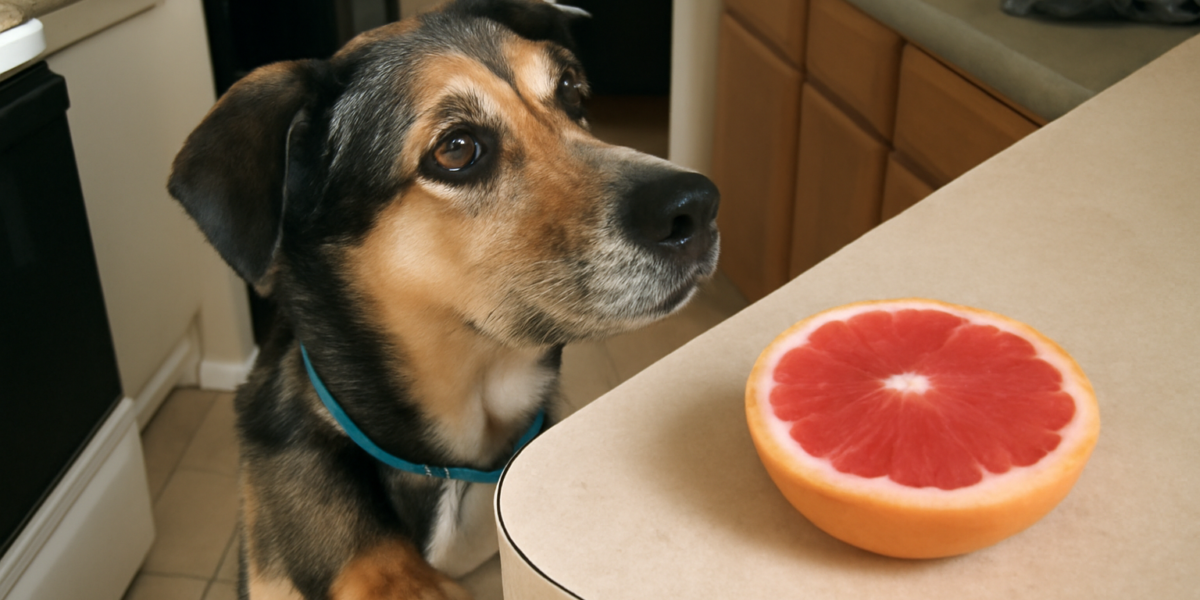
Grapefruit is celebrated as a health food for humans, packed with vitamin C, antioxidants, and a refreshingly tart flavor. It is a breakfast favorite and a popular ingredient in juices and salads. But when your dog shows interest in your grapefruit, should you share?
Unfortunately, grapefruit is one fruit that is best kept away from your canine companion. While a tiny taste of the flesh is unlikely to be fatal, grapefruit poses several risks to dogs that make it an unwise choice. From its extreme acidity to the toxic compounds found in the peel and pith, there are far safer and more enjoyable fruits you can offer your dog instead.
Quick Answer: Can Dogs Eat Grapefruit?
No, grapefruit is not recommended for dogs. The flesh of the grapefruit is extremely acidic and can cause significant gastrointestinal upset, including vomiting and diarrhea. Most dogs dislike the bitter, sour taste and will naturally avoid it, but curious dogs may still try to eat it.
More importantly, the peel, pith (the white part), and seeds of grapefruit contain toxic compounds including psoralens and essential oils that are harmful to dogs. These substances can cause skin irritation, photosensitivity, vomiting, diarrhea, and depression of the central nervous system in larger amounts.
While a single small piece of grapefruit flesh probably will not cause serious harm to a large dog, there is simply no good reason to offer it when so many safer, more nutritious, and more palatable fruit options exist. Veterinarians generally advise against feeding grapefruit to dogs.
Nutritional Profile of Grapefruit
Grapefruit is nutritious for humans, but the potential risks outweigh any nutritional benefits for dogs. A half grapefruit (approximately 123 grams) typically contains:
- Calories: 52 calories
- Vitamin C: 38 milligrams (dogs produce their own vitamin C and rarely need supplementation)
- Vitamin A: 1,150 IU
- Potassium: 166 milligrams
- Fiber: 2 grams
- Carbohydrates: 13 grams
- Citric Acid: High concentration (problematic for dogs)
- Psoralens: Found in peel, pith, and seeds (toxic to dogs)
- Essential Oils: Concentrated in the rind (toxic to dogs)
While vitamin C and potassium are beneficial nutrients, dogs can obtain these from many other safer food sources. Unlike humans, dogs naturally synthesize vitamin C in their liver, so they rarely benefit from dietary vitamin C supplementation.
Benefits and Risks of Grapefruit for Dogs
Benefits
- Vitamin A Content: Grapefruit contains vitamin A, which supports eye health and immune function, though dogs can get this nutrient from much safer foods.
- Hydration: Grapefruit has high water content, which could theoretically help with hydration, but plain water or dog-safe fruits like watermelon serve this purpose far better.
- Antioxidants: The lycopene and other antioxidants in grapefruit have health benefits in humans, but the risks of feeding grapefruit to dogs far outweigh any antioxidant benefit.
- Low Calorie: Grapefruit is low in calories, but this advantage is irrelevant given that dogs should not be eating it in the first place.
Risks
- Toxic Psoralens: The peel, pith, seeds, and to a lesser extent the flesh of grapefruit contain psoralens — compounds that are toxic to dogs and can cause vomiting, diarrhea, and photosensitivity.
- Harmful Essential Oils: The rind and peel of grapefruit contain concentrated essential oils including limonene and linalool, which are toxic to dogs and can cause drooling, trembling, and gastrointestinal distress.
- Extreme Acidity: The high citric acid content can irritate your dog’s stomach lining, leading to vomiting, diarrhea, and abdominal discomfort even from the flesh alone.
- Drug Interactions: Grapefruit is known to interact with many medications in both humans and animals. If your dog takes any medications, grapefruit could alter their effectiveness or increase side effects.
- Gastrointestinal Upset: Even small amounts of grapefruit flesh commonly cause stomach upset in dogs due to the combination of acidity and bitter compounds.
- Central Nervous System Depression: In cases of significant ingestion of grapefruit peel or large quantities, dogs may experience depression, lethargy, and changes in behavior.
How to Serve Grapefruit Safely to Your Dog
The safest approach is to simply not serve grapefruit to your dog at all. Veterinarians and canine nutrition experts consistently advise against it due to the risks described above. The potential for gastrointestinal upset and toxicity from the peel, pith, and seeds makes grapefruit a poor choice for canine treats.
If your dog has accidentally consumed a small amount of grapefruit flesh — perhaps a segment that fell on the floor — there is usually no need to panic. A tiny amount of the flesh is unlikely to cause serious harm in a medium or large dog, though it may cause temporary stomach upset.
However, if your dog has chewed on or consumed any part of the grapefruit peel, rind, or a significant quantity of the fruit, you should contact your veterinarian for guidance. The concentration of toxic compounds is much higher in the non-flesh portions of the fruit.
Instead of trying to make grapefruit work as a dog treat, redirect your efforts toward the many safe, nutritious fruits that dogs can enjoy. Your dog will be happier and healthier with appropriate alternatives.
Signs of Problems After Eating Grapefruit
If your dog has eaten grapefruit, watch for these symptoms which may appear within a few hours of ingestion:
- Vomiting or retching
- Diarrhea or loose stools
- Excessive drooling
- Loss of appetite or refusal to eat
- Abdominal discomfort (whining, pacing, hunched posture)
- Lethargy or unusual tiredness
- Skin redness or irritation, especially if exposed to sunlight after ingestion (photosensitivity from psoralens)
- Trembling or shaking (in cases of significant peel or rind ingestion)
Mild stomach upset from a small amount of grapefruit flesh typically resolves on its own within 12-24 hours. Withhold food for a few hours to let the stomach settle, then offer a bland diet of plain boiled chicken and rice.
Seek immediate veterinary attention if your dog consumed grapefruit peel, rind, or seeds, if symptoms are severe or persistent, if your dog is very small or a puppy, or if your dog is showing signs of central nervous system depression such as extreme lethargy, trembling, or difficulty walking. Always err on the side of caution and call your vet if you are unsure.
Healthy Alternatives to Grapefruit
There are many fruits that are safe, nutritious, and much more appealing to dogs than grapefruit. Consider these excellent alternatives:
- Blueberries: Packed with antioxidants, vitamin C, and fiber, blueberries are small, sweet, and perfect for dogs of all sizes. They are one of the best fruit treats you can offer.
- Watermelon (Seedless): Hydrating and naturally sweet, seedless watermelon is a refreshing treat that most dogs love, especially in warmer weather.
- Strawberries: Rich in vitamin C and antioxidants with a natural sweetness that dogs enjoy, strawberries are a safe and healthy treat in moderation.
- Cantaloupe: Low in calories and high in vitamins A and C, cantaloupe offers a sweet, soft texture that is easy for dogs to eat.
- Bananas: High in potassium and naturally sweet, bananas are a popular and safe treat for dogs when given in moderation due to their sugar content.
- Apples (No Seeds or Core): Crunchy and satisfying, apple slices provide fiber, vitamins A and C, and are low in fat — a great everyday treat option.
Looking to give a dog a loving forever home? Visit the Walk Me Home Rescue adoption page to meet wonderful dogs waiting for their families.
Frequently Asked Questions
What should I do if my dog ate grapefruit peel?
Contact your veterinarian promptly. Grapefruit peel contains concentrated psoralens and essential oils that are toxic to dogs. Your vet may recommend monitoring at home for mild cases or bringing your dog in for examination if a significant amount was consumed. Note the approximate amount ingested and the time of ingestion to share with your vet.
Is grapefruit juice safe for dogs?
No, grapefruit juice is not safe for dogs. It is highly acidic and contains the same problematic compounds found in the fruit’s flesh, often in a more concentrated form. The acidity of grapefruit juice is very likely to cause stomach upset and vomiting. Never give your dog grapefruit juice or any beverages containing grapefruit.
Can dogs eat any citrus fruits?
Dogs can eat small amounts of certain citrus fruits like oranges and tangerines in moderation, as the flesh of these fruits is less acidic and does not contain the same toxic compounds as grapefruit. However, always remove the peel, pith, and seeds, and keep servings small. Lemons and limes should also be avoided due to their high acidity and essential oil content.
Will one bite of grapefruit hurt my dog?
A single small bite of grapefruit flesh is unlikely to cause serious harm to a medium or large dog, though it may trigger mild stomach upset. However, this does not mean grapefruit is safe — even small amounts can cause discomfort, and the risks increase with the amount consumed. It is best to prevent access to grapefruit entirely.
Can grapefruit interact with my dog’s medications?
Yes, grapefruit can interact with many medications in dogs, just as it does in humans. Grapefruit inhibits certain liver enzymes that metabolize drugs, potentially causing medications to build up to dangerous levels in the bloodstream. If your dog takes any medications, this is another important reason to keep grapefruit away from them. Always consult your veterinarian about food and drug interactions.
Are grapefruit-scented products safe around dogs?
Many grapefruit-scented household products, essential oils, and cleaning solutions contain compounds that can be irritating or toxic to dogs. Avoid diffusing grapefruit essential oil around dogs, and keep grapefruit-scented cleaners stored safely out of reach. If your dog comes into contact with concentrated grapefruit essential oil, wash the area with mild soap and water and contact your veterinarian if irritation develops.
While grapefruit should be avoided, there are countless safe and delicious foods you can share with your dog. Explore our full library of pet food safety guides in the Can Dogs Eat series to learn more. And if you are ready to share your home and healthy meals with a new canine companion, browse the adoptable dogs at Walk Me Home Rescue.


