Last updated: May 4, 2026
In this article
- Mini Goldendoodle Overview
- Quick Facts
- Temperament and Personality
- Size and Appearance
- Exercise and Activity Needs
- Grooming Reality
- Health and Lifespan
- Training and Socialization
- Living With a Mini Goldendoodle Day to Day
- Common Behavioral Pitfalls
- Is a Mini Goldendoodle Right for You?
- Cost of Ownership
- Bringing Home a Rescue Mini Goldendoodle
- Frequently Asked Questions
Mini Goldendoodle Overview
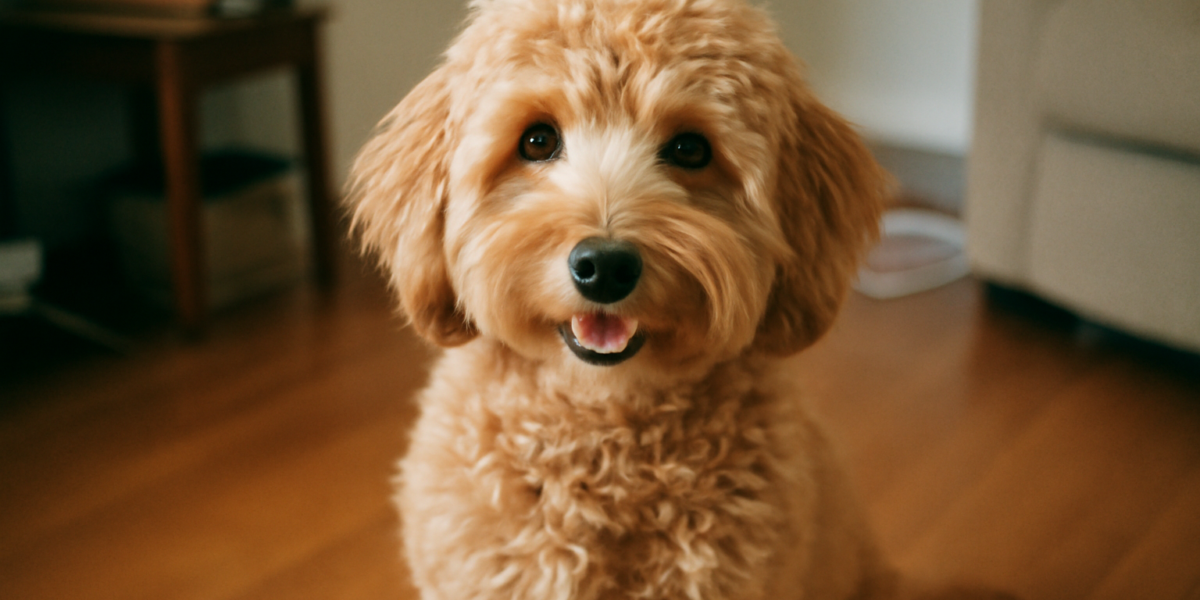
A mini goldendoodle is a Golden Retriever crossed with a miniature or toy Poodle. This mini goldendoodle breed profile is meant to give prospective owners a clear-eyed look at one of the most popular family dogs in North America. They are charming, affectionate, and frequently surrendered to rescue when the grooming and energy demands surprise the original owners.
Adults usually weigh 20 to 45 pounds and stand 14 to 20 inches at the shoulder. They split the difference between a working dog and a lap dog, which is part of the appeal. They are big enough to hike with you, small enough to fit in a city apartment, and friendly enough to be terrible guard dogs.
The cross is not recognized by the AKC, and any first-generation litter has wide variability in coat, size, and temperament. Marketing photos online tend to show the most photogenic puppies, not the average dog. We will keep things grounded so you know what real life with one looks like.
Quick Facts
- Parent breeds: Golden Retriever and miniature Poodle
- Size: Small to medium, 20 to 45 pounds
- Energy: Moderate to high
- Coat: Wavy or curly, low to moderate shedding
- Grooming: Daily brushing plus a professional groom every 6 to 8 weeks
- Lifespan: Variable, often 12 to 15 years
- Good with kids: Yes, generally excellent
Temperament and Personality
Mini goldendoodles inherit the Golden’s friendliness and the Poodle’s intelligence, which on a good day produces a dog that is endlessly cheerful and quick to learn. They are typically unbothered by other dogs, kids, strangers, and chaos in general. They are also velcro dogs who will follow you to the bathroom every single time.
That sociability has a downside. Mini goldendoodles do not handle long stretches alone well. Separation anxiety is one of the top reasons these dogs end up in rescue. If your household empties for ten hours a day, plan for a dog walker, daycare, or a different breed entirely.
They are usually safe with cats and small children, but the size and bounciness of an adolescent mini goldendoodle can knock a toddler over without meaning to. Supervised, calm introductions matter just as much here as they would with any other breed.
Size and Appearance
“Mini” is a slippery word in the doodle world. Breeders use it to mean anything from 15 to 50 pounds. Reputable breeders share parent weights and litter histories so you can predict adult size; less reputable ones promise dimensions they cannot deliver.
Coat color ranges from cream and apricot to red, chocolate, black, and parti-colors. Coat type is even more variable: tight curls, soft waves, and the occasional straight “improper” coat that sheds like a Golden but in a smaller body.
Exercise and Activity Needs
Mini goldendoodles need real exercise — at least an hour of activity per day for an adult. That can be a long walk, fetch in the yard, swimming, or a mix. Skip a few days of activity and you will find chewed shoes, dug-up lawns, and a creative reinterpretation of your throw pillows.
Mental stimulation matters as much as physical work. Food puzzles, scent games, and short training sessions tap the Poodle-side intelligence. Trick training is a hit because mini goldendoodles love attention almost as much as they love food.
Avoid forced jogging during puppyhood. Joint development needs time, and impact running on hard surfaces before 12 to 18 months can contribute to dysplasia later in life.
Grooming Reality
The single biggest myth about mini goldendoodles is that they are low-maintenance because they are low-shedding. Low-shedding does not mean no work — it usually means more work, just on a different schedule.
Brush daily with a slicker and a metal comb. Mats form quickly behind the ears, in the armpits, on the chest, and along the back of the legs. A few skipped days lead to felted mats that have to be shaved out, which is uncomfortable for the dog and demoralizing for the owner.
Plan on professional grooming every 6 to 8 weeks. Many owners learn basic face and paw trims at home between visits. Our Goldendoodle grooming guide covers techniques that scale down nicely for the mini version.
Health and Lifespan
Mini goldendoodles often live 12 to 15 years, which is solid for a medium dog. The hybrid vigor argument has some merit at the population level, but it is overstated as a guarantee — the hybrid vigor article goes deeper into why.
The most important honest note here is cancer risk. Goldens have one of the highest cancer rates of any breed in the United States, particularly hemangiosarcoma and lymphoma. Crossing with a Poodle reduces the rate somewhat but does not eliminate it. Be prepared for that possibility.
Other risks include hip dysplasia, certain eye conditions, and skin allergies. A responsible breeder tests parents for hips, elbows, eyes, and von Willebrand disease, and shares the results.
Training and Socialization
Mini goldendoodles are usually a delight to train. Both parent breeds are food-motivated, intelligent, and eager to please. Start with a puppy class, use positive reinforcement, and keep sessions short and frequent — five minutes, three times a day, beats one long boring session.
Socialization is the single most important investment in the first 16 weeks. Expose your puppy to many surfaces, sounds, people, and friendly dogs in calm, positive ways. Mini goldendoodles who miss this window can become anxious or reactive adults, even though their genetics favor friendliness.
House training is usually fast for this cross. Frequent potty breaks, a consistent crate routine, and immediate rewards for outdoor success build the habit quickly. The Poodle side has a reputation for being one of the easier breeds to potty train, and that often carries through.
Recall training deserves daily practice. A friendly mini goldendoodle who sees another dog at the park will often head straight over, and you want a reliable recall to interrupt that pattern when needed. Practice in low-distraction environments first and build up gradually.
Living With a Mini Goldendoodle Day to Day
A typical day includes a long walk or play session, focused training, downtime with the family, and a puzzle feeder or chew. Mini goldendoodles want to be involved in everything — folding laundry, cooking, reading on the couch — and they handle that involvement well as long as their own needs are also met.
They are sensitive to mood. A stressed household tends to produce a clingier, more vigilant dog. Carving out short solo time for the dog (a stuffed Kong in the crate while you work) reinforces the message that not every moment has to be social.
Travel often suits mini goldendoodles. They tend to ride well in cars and adjust to hotels and friend’s homes once they have a familiar bed or blanket. Air travel as a checked pet is a no for any dog, including this cross; in-cabin travel works for individuals small enough to fit a carrier.
Common Behavioral Pitfalls
Separation anxiety is the leading reason mini goldendoodles end up in rescue. Owners often miss the early warning signs (whining, pacing, refusing food when alone) until destructive behavior appears. Practice planned absences from week one — short, calm departures and returns — to build the dog’s tolerance gradually.
Adolescence (roughly 6 to 18 months) tests every owner. The cute puppy stage ends, the dog suddenly “forgets” all training, and the energy peaks. Most surrenders happen at this age. Stay consistent with structure, exercise, and training, and the adolescent stage passes into a calmer adult dog.
Mouthing and jumping are common in young mini goldendoodles because the Lab and Golden cousins of this cross are notorious for both. Teach an alternative behavior (sit for greetings, redirect to a toy for mouthing) rather than punishing the original behavior, which usually amplifies it.
Is a Mini Goldendoodle Right for You?
A mini goldendoodle is a strong fit for active families, retirees who like daily walks, and households with someone home most of the day. They suit owners who genuinely enjoy grooming or are willing to budget for a professional groomer.
They are a poor fit for households that empty out for ten hours a day, owners who cannot stand brushing, or people drawn to the look but unprepared for the energy. If you are leaning toward this cross, please look first at doodle-focused rescues and Walk Me Home’s adoption hub — surrenders are common and adult dogs reveal their real coat and temperament without the puppy guesswork.
Cost of Ownership
The realistic monthly cost includes premium dog food, professional grooming every 6 to 8 weeks at $70 to $130 per visit, preventive vet care, flea and tick prevention, and training resources. Annualized, expect $2,500 to $4,500 in a typical year. Major health surprises push that higher.
Reputable breeders charge $2,000 to $4,000 for puppies. Backyard breeders charge less but skip the parent health testing that justifies the higher price. Adoption fees through rescues typically run $300 to $600 and usually include core vaccinations, microchip, and spay or neuter, putting adoption far ahead financially.
Pet insurance is worth considering. Mini goldendoodles can develop chronic conditions (allergies, ear issues, joint problems) that benefit from coverage purchased before any pre-existing conditions appear.
Bringing Home a Rescue Mini Goldendoodle
Adult mini goldendoodles in rescue often come with backstories that explain why they were surrendered — usually separation anxiety, grooming overwhelm, or an owner’s life change. Read the dog’s profile carefully and ask the rescue about energy level, alone-time tolerance, and history with other animals.
The first weeks at home matter. Stick to predictable routines, give the dog a quiet space, and avoid overwhelming them with visitors right away. Our first week with a rescue dog guide and the decompression period article walk through what to expect.
Frequently Asked Questions
How big does a mini goldendoodle get?
Most adults land between 20 and 45 pounds. Final size depends heavily on the Poodle parent (toy versus mini) and on the size of the Golden parent.
Do mini goldendoodles shed?
They shed less than a full Golden, but the amount depends on coat type. Curly coats shed minimally, wavy coats shed a little, and straight improper coats shed noticeably.
Are mini goldendoodles hypoallergenic?
No dog is truly hypoallergenic. Mini goldendoodles often produce fewer allergens than heavier shedders, but allergy-prone people should spend time with an adult dog before adopting.
Are mini goldendoodles good with kids?
Yes, generally excellent. Just be aware that an adolescent dog can accidentally knock a toddler over with sheer enthusiasm, so supervise interactions.
How much exercise does a mini goldendoodle need?
Plan on at least an hour of meaningful activity per day for an adult, plus mental stimulation in the form of training, puzzles, or scent work.
Looking to adopt a Mini Goldendoodle Breed Profile?
Browse Mini Goldendoodle Breed Profile dogs and mixes available for adoption from shelters and rescues near you.
Find Mini Goldendoodle Breed Profile Dogs for Adoption