Last updated: May 4, 2026
In this article
- Mini Labradoodle Overview
- Quick Facts
- Temperament and Personality
- Size and Appearance
- Exercise and Activity Needs
- Grooming Reality
- Health and Lifespan
- Training and Socialization
- Living With a Mini Labradoodle Day to Day
- Common Behavioral Pitfalls
- Is a Mini Labradoodle Right for You?
- Cost of Ownership
- Bringing Home a Rescue Mini Labradoodle
- Frequently Asked Questions
Mini Labradoodle Overview
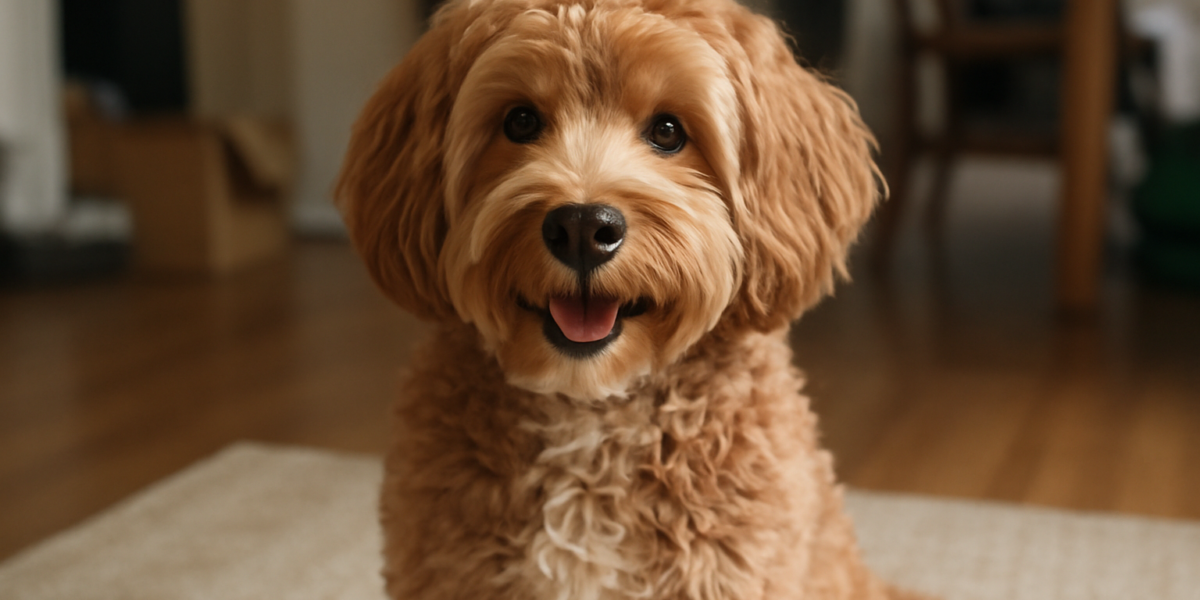
A mini labradoodle is a Labrador Retriever crossed with a miniature or toy Poodle. This mini labradoodle breed profile is for adopters drawn to the labradoodle silhouette but uncertain about wrangling 70 pounds of dog in a smaller home. The miniature version keeps the friendly, busy, food-motivated personality and packages it in a more apartment-friendly size.
Adults typically weigh 20 to 45 pounds and stand 14 to 20 inches tall, depending on the Poodle parent and the size of the Lab. The cross is not recognized as a breed by the AKC, and any first-generation litter has real variability in coat, size, and energy.
Like all designer mixes, mini labradoodles are sometimes oversold by breeders who promise hypoallergenic coats and predictable temperaments. We will be straight about what the cross actually delivers and where the surprises live, because surprises are why these dogs end up in rescue.
Quick Facts
- Parent breeds: Labrador Retriever and miniature Poodle
- Size: Small to medium, 20 to 45 pounds
- Energy: Moderate to high
- Coat: Wavy, curly, or straight; shedding varies widely
- Grooming: Daily brushing plus a professional groom every 6 to 8 weeks
- Lifespan: 12 to 15 years
- Good with kids: Yes, with supervision for energy levels
Temperament and Personality
Mini labradoodles tend to be friendly, biddable, and busy. The Lab side brings retrieving instinct, food motivation, and a love of water. The Poodle side adds intelligence and a slight tendency toward sensitivity. The mix usually produces a dog who learns quickly, wants a job to do, and treats every visitor like a long-lost friend.
They are not guard dogs. They are not aloof. They are dogs who will lean against your knee while you fold laundry and follow you outside if you so much as glance at the door. That neediness is wonderful when you are home and miserable when you are not.
Separation anxiety is the most common surrender story. Mini labradoodles do poorly with long workdays alone. If you can offer a midday walk, a daycare day, or a flexible schedule, this cross will thrive. If you cannot, please choose a more independent breed.
Size and Appearance
“Mini” depends entirely on which Poodle was used. Toy-Poodle crosses produce 15 to 25-pound adults; mini-Poodle crosses run 25 to 45 pounds. Some “minis” surprise everyone by hitting 50 pounds — Lab genes are persistent.
Coat color ranges from cream, gold, and apricot through chocolate, black, and parti-colors. Coat type ranges from tight curls to wavy fleeces to a near-straight “improper” coat that sheds like a Lab. The straight coat is the least photogenic and the highest-shedding outcome, and it is more common than puppy buyers expect.
Exercise and Activity Needs
Plan on at least an hour of meaningful exercise per day, more for adolescents. Mini labradoodles love fetch, swimming, hiking, and any game involving running and retrieving. They are not made for being left in a yard alone — they want to do things with you.
Mental stimulation matters too. Food puzzles, scent games, and short training sessions are gold. Trick training works well, and many mini labradoodles excel at agility, dock diving, and obedience competition.
Skip forced jogging until at least 12 to 18 months. Joint development needs time, and the Lab side carries hip and elbow dysplasia risk that early impact running can worsen.
Grooming Reality
The biggest myth about labradoodles of any size is that they are low-shedding by default. Coat genetics in F1 litters are unpredictable, and a straight-coated mini labradoodle sheds noticeably. The doodle coat-types guide walks through what to expect.
Brush curly and wavy coats daily with a slicker and metal comb. Mats form fast behind the ears, in the armpits, and along the back legs. A few skipped days produce felted mats that often have to be shaved out.
Professional grooming every 6 to 8 weeks is the standard for non-shedding coats. Straight-coated mini labradoodles need less professional work but more vacuuming. Our labradoodle grooming guide covers techniques that translate directly.
Health and Lifespan
Mini labradoodles typically live 12 to 15 years. The hybrid vigor argument has limited merit; it does not magically eliminate inherited risks from either parent.
The honest list includes hip and elbow dysplasia, certain eye conditions like progressive retinal atrophy, exercise-induced collapse from the Lab side, and von Willebrand disease from the Poodle side. Responsible breeders test parents for all of these and share results. The designer-dog health risks article covers what good testing looks like.
Obesity is a real and common problem. Labs are notoriously food-motivated, and that trait carries into the cross. Measure meals, skip the table scraps, and your dog’s joints will thank you in the long run.
Training and Socialization
Mini labradoodles are typically a joy to train. The Lab side is endlessly food-motivated; the Poodle side is quick to learn and remember. The combination produces a dog that picks up basic obedience faster than most breeds, provided you keep sessions short and use positive reinforcement.
Start a puppy class as soon as your dog has the vaccinations to safely attend. The 8-to-16-week socialization window is critical. Mini labradoodles who miss this window can grow into anxious or reactive adults despite their friendly genetics — exposure shapes the adult dog more than breeding alone does.
Recall is essential. The Lab side has retriever instinct, which means a moving squirrel or a friendly dog at the park can overwhelm a young dog’s focus. Practice recall daily in low-distraction environments before testing it in the wild.
Avoid harsh corrections. The Poodle side is sensitive, and a mini labradoodle who is yelled at can shut down or develop avoidance behaviors. Use treats, praise, and a tone that says “we are doing this together” rather than “you’d better get it right.”
Living With a Mini Labradoodle Day to Day
A typical day includes an hour or more of physical exercise, focused training or play, downtime with you, and a puzzle feeder or chew. Mini labradoodles want to be involved in everything — and that involvement, properly channeled, is part of what makes them great companions.
They are mood-sensitive but not fragile. A stressed household produces a more anxious dog; a calm household produces a steadier one. Build in short solo times so the dog can handle alone-moments without panic.
Mini labradoodles often love water. The Lab heritage shows up in puddles, lakes, and beaches as a complete enthusiasm for getting wet. Plan for this. A wet, sandy mini labradoodle in a small apartment is a logistics challenge worth thinking through in advance.
Common Behavioral Pitfalls
Mouthing and jumping are common in young mini labradoodles. Teach a sit-for-greetings rule from puppyhood and redirect mouthing to appropriate chew toys. Punishing the behavior usually escalates it; redirecting works better with both parent breeds.
Separation anxiety is one of the most common reasons mini labradoodles end up in rescue. Practice planned absences from the first week. Even when you are home all day, leave for short periods regularly so the dog learns that departure is normal and temporary.
Adolescence (roughly 6 to 18 months) tests owners hard. The dog suddenly “forgets” all training, the energy peaks, and the cute puppy stage ends. Most rescue surrenders happen at this age. Stay consistent. The adolescent stage does pass.
Is a Mini Labradoodle Right for You?
A mini labradoodle suits active households, hikers, runners, and families with older kids who can match the dog’s energy. They thrive with someone home much of the day and access to outdoor activity.
They are a poor fit for sedentary homes, very young children, or schedules that leave the dog alone for long stretches. If those describe you and you still love the cross, look at adoption first. Adult mini labradoodles in rescue come with their actual coat and personality on display, no guesswork required. Start with doodle-specific rescues or browse Walk Me Home’s adoption hub.
Cost of Ownership
The realistic monthly cost includes premium dog food, professional grooming every 6 to 8 weeks at $70 to $130 per visit, preventive vet care, flea and tick prevention, and training resources. Annualized, expect $2,500 to $4,500 in a typical year. Major health surprises push that higher.
Reputable breeders charge $2,000 to $4,000 for puppies. Backyard breeders charge less but skip the parent health testing that justifies the price. Adoption fees through rescues typically run $300 to $600 and usually include core vaccinations, microchip, and spay or neuter, making adoption far ahead financially as well as ethically.
Pet insurance is worth considering. Mini labradoodles can develop chronic conditions — allergies, ear issues, joint problems — that benefit from coverage purchased before any pre-existing conditions appear.
Bringing Home a Rescue Mini Labradoodle
Adult mini labradoodles in rescue come with their actual coat, size, and personality on display, no guesswork required. Read the dog’s profile carefully and ask the rescue about energy level, alone-time tolerance, and history with other pets.
The first weeks matter. Predictable routines, a quiet space, and a measured introduction to visitors all help the dog settle. Our first week with a rescue dog guide and the decompression period article walk through what to expect.
If you are considering a rescue, look at adopting from a foster situation. Foster homes know the dog’s day-to-day behavior far better than any shelter kennel can show, and that information dramatically improves adoption matches.
Frequently Asked Questions
How big do mini labradoodles get?
Most adults land between 20 and 45 pounds. Toy-Poodle crosses run smaller, and some adults surprise everyone by hitting 50 pounds.
Do mini labradoodles shed?
It depends on coat type. Curly coats shed minimally, wavy coats shed a little, and straight improper coats shed like a Lab in a smaller package.
Are mini labradoodles hypoallergenic?
No dog is truly hypoallergenic. Mini labradoodles often produce fewer allergens than the average shedder, but reactions vary. Test the waters with an adult dog before adopting.
Are mini labradoodles good for first-time owners?
They can be, with the caveat that they are smart, busy, and prone to separation anxiety. First-time owners do best with daily structure, training classes, and realistic expectations about grooming.
How much exercise does a mini labradoodle need?
At least an hour of meaningful activity per day for an adult, ideally more for adolescents. Mental work counts too — puzzle feeders, training, and scent games all help.
Looking to adopt a Mini Labradoodle Breed Profile?
Browse Mini Labradoodle Breed Profile dogs and mixes available for adoption from shelters and rescues near you.
Find Mini Labradoodle Breed Profile Dogs for Adoption