
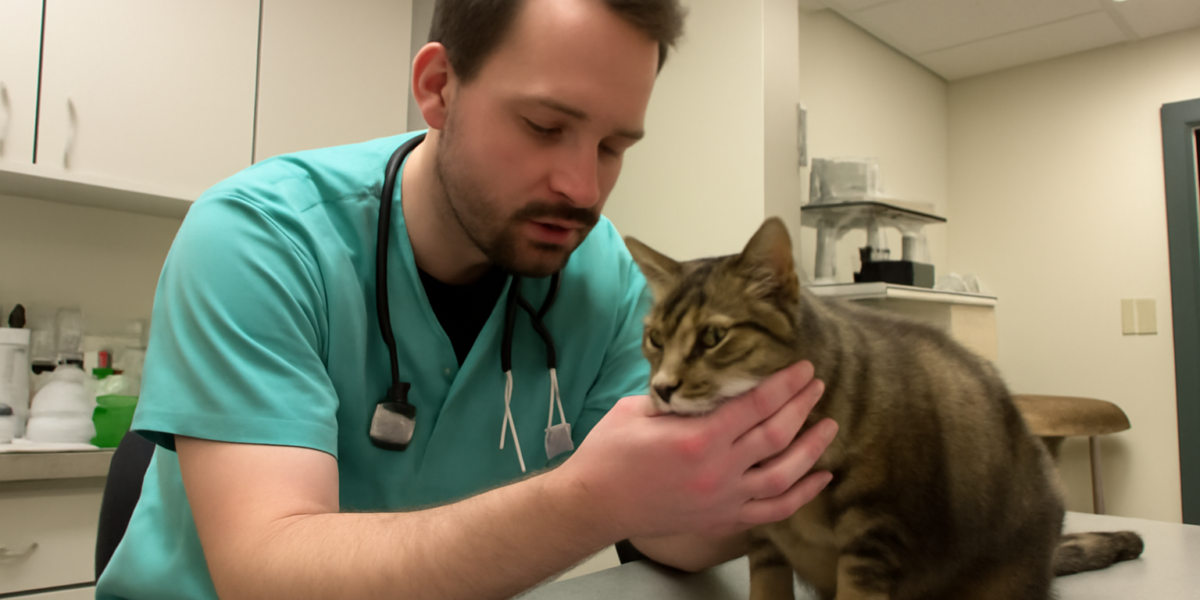
Why Appetite Stimulants Matter in Feline Care
When a cat stops eating well, the problem rarely solves itself. Cats are uniquely vulnerable to nutritional deficits — even a few days of poor intake can trigger fatty liver disease and worsen any underlying illness. Maintaining a steady appetite is one of the most important goals when managing chronic disease, recovery, or older-age decline.
In this article
- Why Appetite Stimulants Matter in Feline Care
- Mirtazapine: Background and Mechanism
- How Mirtazapine Is Used
- Mirtazapine Side Effects to Know
- Cyproheptadine: Background and Mechanism
- How Cyproheptadine Is Used
- Cyproheptadine Side Effects
- Head-to-Head Comparison
- Which One Might Be Right for Your Cat
- Working With Your Veterinarian
- Frequently Asked Questions
Mirtazapine cyproheptadine cats receive are the two most established appetite stimulants in feline medicine. Both have a place, both have limitations, and the choice depends on the individual cat, the underlying condition, and your home situation. Understanding how each works helps you have an informed conversation with your veterinarian.
This article walks through each medication separately, then compares them head-to-head, and finally offers guidance on when one might be a better fit than the other. Your veterinarian will make the final recommendation based on your cat’s specific needs.
Mirtazapine: Background and Mechanism
Mirtazapine was originally developed as a human antidepressant. Veterinarians discovered that one of its side effects — increased appetite — was actually useful in cats with poor appetite from chronic disease. It is now widely used in feline medicine.
Mirtazapine works by influencing several neurotransmitters, including serotonin, norepinephrine, and histamine. It has appetite-stimulating, anti-nausea, and mild sedating effects. The combination is often well-suited to cats who are nauseous as well as not eating, such as those with kidney disease.
The drug has been available for years as a tablet given orally. More recently, a transdermal gel formulation called Mirataz was approved specifically for cats. The gel is applied to the inner ear, where it absorbs through the skin without requiring oral dosing — a major advantage for cats who resist pills.
How Mirtazapine Is Used
The transdermal gel is typically applied to the inside of the cat’s ear once daily. Owners wear gloves to avoid getting the medication on themselves, since mirtazapine is absorbed through human skin too. The gel is rotated between ears, and excess from previous days is wiped off before applying a new dose.
Tablets are also still used, given orally. Compounded liquid formulations can sometimes be made for cats who refuse both options. Your veterinarian will calculate the appropriate dose based on your cat’s weight, condition, and other medications. Do not adjust the dose on your own.
Effects often appear within a few hours of dosing. Some cats start eating with more enthusiasm the same day; others take a couple of doses to respond fully. Our broader guide to mirtazapine for cats covers dosing details and tips.
Owner administration ease is one of mirtazapine’s quiet advantages. The gel is applied with a single gloved finger swipe to a clean ear, taking about as long as petting a cat. For households where pilling becomes a daily wrestling match, this difference can dramatically improve consistency — and consistency is a major part of getting the medication to work.
Mirtazapine Side Effects to Know
The most common side effects are mild and dose-related. Some cats become a bit vocal or restless, especially at higher doses. Sedation is occasional but usually mild. Gastrointestinal upset is uncommon at appropriate doses.
Less commonly, cats may show signs of serotonin excess: tremors, agitation, or unusual behavior. These are reasons to call your veterinarian. Mirtazapine should not be combined with other serotonin-affecting medications without veterinary supervision.
For owners, the main caution is to wear gloves when applying the gel and avoid skin contact. The medication is well-absorbed through human skin and can cause drowsiness or other effects in people.
Serotonin Syndrome Warning
Because both mirtazapine and cyproheptadine influence serotonin signaling, combining them — or pairing either with other serotonin-active medications like tramadol, fluoxetine, or selegiline — can risk serotonin syndrome. Signs include tremors, agitation, dilated pupils, abnormal behavior, and, in severe cases, seizures. If you notice any of these, treat as an emergency and contact your veterinarian immediately. This caution is also why your vet asks for a full medication and supplement list before prescribing either drug.
Cyproheptadine: Background and Mechanism
Cyproheptadine is an older medication originally developed as an antihistamine. Like mirtazapine, its appetite-stimulating effect was an “off-label” benefit veterinarians began to use in cats. It has been around in veterinary practice for decades.
The drug works primarily by blocking serotonin receptors in certain parts of the brain, which can increase appetite. It is given as an oral tablet, typically twice daily. Compounded flavored formulations can be made for cats who resist pills.
Cyproheptadine does not have a transdermal version, which is one of its main practical limitations. For cats who refuse oral medication, this can be a significant hurdle.
How Cyproheptadine Is Used
Cyproheptadine is given orally, often twice daily. Your veterinarian will calculate the appropriate dose based on your cat’s weight, condition, and other medications. Do not adjust the dose on your own.
Effects can take longer to appear than with mirtazapine — sometimes a day or two of consistent dosing before improvement is seen. Some cats respond well, while others show little benefit. Trial and observation guide whether to continue.
The tablets are small and bitter, which makes pilling tricky. Many owners use pill pockets, treats, or compounded flavored options. Hiding the tablet in food sometimes works but can backfire if the cat learns to eat around the medication.
Cyproheptadine Side Effects
The most common side effects are sedation and a paradoxical excitability or vocalization in some cats. Some become unusually quiet; others act agitated or restless. The variability between individuals is notable.
Mild GI upset, dry mouth, and urinary retention can occur. Cats with glaucoma, severe heart disease, or urinary obstruction issues may not be good candidates. Always share a complete medical history with your veterinarian.
Like mirtazapine, cyproheptadine affects serotonin pathways and should not be combined with other serotonin-active medications without veterinary guidance.
Head-to-Head Comparison
Onset of effect: Mirtazapine often works faster, sometimes within hours. Cyproheptadine may take a day or two of consistent dosing.
Dosing route: Mirtazapine has a transdermal gel that avoids oral dosing — a big advantage for difficult-to-pill cats. Cyproheptadine is oral only, although flavored compounded forms exist.
Anti-nausea benefit: Mirtazapine has known anti-nausea effects, which can be valuable in cats with kidney disease or chronic GI issues. Cyproheptadine does not share this benefit.
Cost and availability: Cyproheptadine has been available longer and is often less expensive, especially in compounded forms. Mirtazapine, particularly the brand-name transdermal gel, may cost more but is widely available through veterinary clinics.
Side effect profile: Both can cause mild sedation or behavior changes. Mirtazapine sometimes causes vocalization or restlessness; cyproheptadine has more variable individual responses.
Dosing schedule patterns: Mirtazapine is typically given on a longer interval — often every few days for the transdermal gel — while cyproheptadine is given more frequently, usually multiple times per day. The longer interval can be a real practical advantage for owners juggling multiple medications and routines.
Switching Between Agents
It is reasonable, with veterinary guidance, to switch from one to the other if the first does not work or causes side effects. The medications affect overlapping pathways, so transitions usually involve stopping one before starting the other, with a short washout period to reduce the chance of serotonin-related side effects.
Document the response to each medication carefully so your veterinarian can compare. Notes on appetite, energy, sedation level, and any unusual behaviors help guide whether the second agent is doing more, less, or about the same as the first. Sometimes a third option, like capromorelin, becomes worth trying.
Which One Might Be Right for Your Cat
For a cat with chronic kidney disease who is also nauseous: mirtazapine often makes more sense, since it addresses both appetite and nausea. The transdermal gel is also helpful for daily owner administration. Our managing cat kidney disease guide covers the broader picture of supportive care.
In recent years, mirtazapine has often become the first-line choice in cats with kidney disease, largely because of the anti-nausea benefit and the convenience of the transdermal gel. Cyproheptadine is still a useful tool, particularly for cats who do not respond well to mirtazapine or who develop side effects like vocalization or restlessness on it.
For a cat who tolerates pills well and has not responded to mirtazapine: cyproheptadine may be a useful alternative. Some cats simply respond better to one or the other, and there is no perfect way to predict which.
For a cat with hyperthyroidism, where appetite is usually preserved: appetite stimulants are less commonly needed, but if appetite drops after treatment normalizes metabolism, your vet may consider either option. See our cat hyperthyroidism overview for context.
For cats with severe pilling resistance: the transdermal mirtazapine gel is a clear practical advantage.
Working With Your Veterinarian
Choosing between these medications is rarely a yes-or-no decision. Your veterinarian will weigh underlying disease, other medications, response to previous trials, and what works for your daily routine. Be honest about whether you can pill your cat reliably — there is no point prescribing oral medication if it cannot be given.
If one medication does not work or causes side effects, the other is often worth trying. Some cats also benefit from capromorelin, a newer ghrelin-mimicking appetite stimulant that works through a different mechanism.
Whatever the choice, address the underlying cause of inappetence in parallel. Appetite stimulants are most useful as part of a broader plan that includes hydration, nutrition support, and disease-specific treatment.
Frequently Asked Questions
Can mirtazapine and cyproheptadine be used together?
Generally no. Both affect serotonin pathways and combining them increases the risk of serotonin syndrome. Your veterinarian will recommend one or the other.
Which one works faster?
Mirtazapine typically works within hours, while cyproheptadine may take a day or two of consistent dosing.
Is the transdermal gel safe for the cat’s ear?
Yes, when used correctly. Rotate ears, wipe off old residue, and follow your vet’s directions. Owners should wear gloves to protect themselves.
How long can a cat stay on these medications?
Both can be used long-term in many cats with appropriate veterinary monitoring. Some cats need only short-term help; others remain on them for months or years.
What if neither works?
Other options like capromorelin exist, and addressing underlying disease, hydration, and nausea are also important. Your veterinarian will help you build the right plan.


