Last updated: April 11, 2026
In this article
Mudi Dog Breed Profile
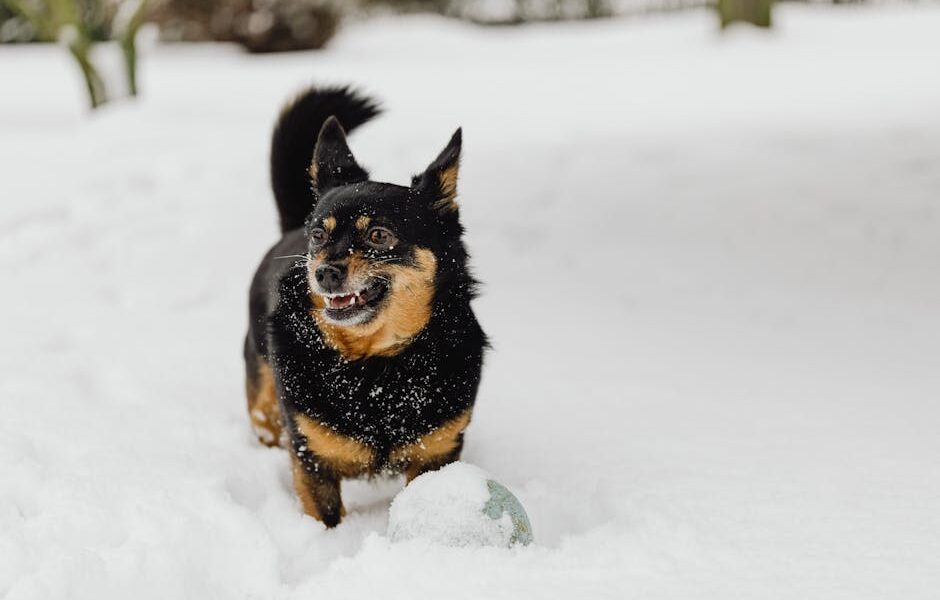
The mudi dog is one of the rarest and most remarkable herding breeds in existence. Originating in Hungary, this medium-sized, curly-coated working dog has spent centuries driving livestock across the Hungarian plains with extraordinary intelligence and tireless energy. Despite being virtually unknown outside its homeland for most of its history, the mudi has earned devoted admirers around the world who prize its versatility, loyalty, and sharp mind. Whether working a farm, competing in dog sports, or serving as a devoted family companion, the mudi dog adapts to its role with enthusiasm and skill. If you are searching for a highly capable, affectionate, and energetic dog that thrives on having a job to do, the mudi may be the perfect match for an active household.
| Breed Group | Herding |
|---|---|
| Height | 15–18.5 inches |
| Weight | 18–29 pounds |
| Life Expectancy | 12–14 years |
| Coat Type | Curly or wavy, medium length |
| Colors | Black, white, brown, yellow, gray, merle |
| Energy Level | Very High |
| Trainability | Excellent |
| Good with Children | Yes, with socialization |
| AKC Recognition | 2022 |
Personality
The mudi dog is defined by a personality that blends courage, intelligence, and deep loyalty in equal measure. Bred for centuries to work independently on Hungarian farms, the mudi developed the confidence to make its own decisions in the field while remaining attuned to the needs of its handler. This balance of independence and responsiveness makes the breed both a joy and a challenge to live with. Mudis form powerful bonds with their families and are known to be affectionate and playful at home, yet alert and courageous when the situation calls for it.
Versatility is one of the mudi’s most celebrated traits. These dogs have been used for herding, hunting vermin, search and rescue, and competitive dog sports — sometimes by the same individual dog. Their curiosity means they are always engaged with their environment, which can translate into mischief if they are not given adequate mental stimulation. Mudis tend to be reserved with strangers but are rarely aggressive; they observe new people carefully before warming up. With family members, they are lively, devoted companions who want to be involved in everything you do. Early socialization is essential to help the mudi channel its spirited nature positively.
Appearance
The mudi dog is a medium-sized, athletic breed with a distinctly striking coat. Its most defining feature is a curly or wavy coat that covers the body, while the face and the fronts of the legs are covered in short, smooth hair. This combination gives the mudi a unique silhouette unlike any other herding breed. The coat comes in a wide range of colors, including black, white, brown, yellow, gray, and the eye-catching merle pattern, which produces a marbled blend of dark and light patches across the coat.
The mudi has a wedge-shaped head, alert eyes, and upright, pointed ears that contribute to its keen, fox-like expression. The body is lean and well-muscled, built for agility and endurance rather than bulk. The tail may be naturally bobbed, docked, or full-length depending on the individual dog. Despite its moderate size — typically 15 to 18.5 inches at the shoulder and 18 to 29 pounds — the mudi carries itself with notable presence and athleticism. Overall, the breed’s appearance reflects its working heritage: compact, capable, and ready for action.
Exercise
The mudi dog has very high exercise requirements that reflect its heritage as a full-time working farm dog. A quick walk around the block will not satisfy this breed. Mudis need at least 60 to 90 minutes of vigorous physical activity every day, and they thrive when that activity has purpose and variety. Running, hiking, swimming, and off-leash play in a securely fenced area are all excellent outlets for their energy.
The mudi’s herding instinct remains strong even in dogs that have never seen livestock. This drive means the breed is highly motivated by activities that mimic working scenarios — chasing, gathering, and responding to directional cues. Dog sports such as agility, flyball, herding trials, and disc competitions are outstanding ways to meet both the physical and mental needs of a mudi. A bored mudi can quickly become a destructive or anxious dog, so owners should treat exercise as a daily non-negotiable. Homes with active lifestyles, access to outdoor space, and a willingness to engage the dog in structured activities will bring out the very best in this energetic breed.
Grooming
Despite the dramatic appearance of the mudi dog’s curly coat, grooming is surprisingly manageable compared to many other curly-coated breeds. The coat does not mat as readily as it might appear, and the mudi is considered a relatively low-shedding dog. Weekly brushing is generally sufficient to keep the coat clean, tangle-free, and healthy. During seasonal shedding periods, more frequent brushing may be needed to remove loose hair.
Bathing can be done every four to six weeks or as needed when the dog gets dirty after outdoor activity. Because the mudi is an energetic working dog often found in muddy or wooded environments, a post-adventure rinse is sometimes all that is required. Beyond coat care, routine grooming tasks apply: trim nails every three to four weeks to prevent cracking and discomfort, clean the ears weekly to reduce the risk of infection, and brush teeth several times per week using dog-safe toothpaste. Starting a grooming routine early in puppyhood helps the mudi accept handling calmly as an adult, making the entire process easier for both dog and owner.
Health
The mudi dog is generally considered a healthy breed with a life expectancy of 12 to 14 years. Because the breed remained relatively isolated in Hungary for much of its history, it has been shielded from some of the widespread genetic health problems seen in more commercially bred dogs. However, as with all breeds, there are health conditions prospective owners should be aware of.
Hip dysplasia, a malformation of the hip joint that can lead to arthritis and mobility issues, has been documented in the mudi. Patellar luxation — a condition where the kneecap slips out of position — is another concern, particularly in smaller individuals. Eye conditions, including progressive retinal atrophy and cataracts, have also been reported in the breed. Responsible breeders screen for these conditions and provide health clearances for breeding stock. Because the mudi is one of the rarest breeds in the world, the overall gene pool is limited, making health testing by breeders critically important. Annual veterinary checkups, a nutritious diet, and regular exercise contribute significantly to keeping a mudi dog healthy throughout its life.
Kids and Other Pets
With proper socialization, the mudi dog can be an excellent companion for families with children. Mudis are energetic, playful, and affectionate, which makes them engaging playmates for older children who can match their enthusiasm. However, the breed’s strong herding instinct may emerge around small children — the mudi may attempt to nudge or circle toddlers, behavior that should be redirected through training. Teaching children to interact respectfully with dogs, and supervising all interactions between young children and dogs, is always recommended.
The mudi’s relationship with other pets depends largely on early socialization. Dogs that are raised alongside cats or other household pets from a young age generally coexist well with them. The herding instinct may cause a mudi to chase smaller animals, so introductions should be careful and gradual. With other dogs, mudis are typically sociable and enjoy having a canine companion to play and exercise with. The breed is not known for dog aggression, but early exposure to other animals and consistent, positive socialization throughout puppyhood lays the foundation for a well-adjusted adult dog.
Training
The mudi dog is widely regarded as one of the most trainable breeds in existence. Its high intelligence, eagerness to work, and strong desire to please its handler make it a natural in obedience training, and it excels in advanced dog sports. Agility is where the mudi truly shines — the breed’s quick thinking, athletic body, and responsiveness make it a star on the agility course, and mudis regularly compete at elite levels in European agility competitions.
Training a mudi should begin early and rely on positive reinforcement methods. These dogs respond enthusiastically to reward-based training and can learn complex behaviors and sequences quickly. Harsh corrections are counterproductive with this sensitive and intelligent breed, often leading to avoidance or anxiety rather than compliance. Consistency and variety keep training sessions engaging — mudis can become bored with excessive repetition. Beyond basic obedience, channeling the mudi’s natural drives into structured work such as herding, nose work, or competitive sports produces a confident, well-behaved companion. The mudi dog’s trainability is one of its greatest assets, and owners who invest time in training are rewarded with an exceptionally capable and responsive partner.
History
The mudi dog originates from Hungary, where it developed organically on farms and in rural communities over several centuries. For much of its history, the breed existed without formal recognition or standardization, valued purely for its working ability. It was Dr. Dezso Fenyes, a Hungarian veterinarian and breed expert, who first formally identified and documented the mudi as a distinct breed in the 1930s, separating it from the related Puli and Pumi breeds that share its Hungarian herding heritage.
The breed nearly disappeared during World War II, when Hungary’s dog population was devastated. Dedicated Hungarian breeders worked to rebuild the mudi from the few surviving dogs, and the breed was stabilized and recognized by the Federation Cynologique Internationale (FCI) in the decades that followed. Despite these efforts, the mudi dog remains one of the rarest breeds in the world, with estimated populations in the low thousands globally. In the United States, the American Kennel Club granted the mudi full recognition in 2022, bringing wider attention to this extraordinary but little-known breed. Today, dedicated enthusiasts in Hungary and abroad continue to promote the mudi while working to preserve its working character and genetic diversity.
Frequently Asked Questions About the Mudi Dog
Is the mudi dog a good pet for first-time dog owners?
The mudi dog is a highly intelligent and energetic breed that requires consistent training, substantial daily exercise, and meaningful mental stimulation. While mudis are affectionate and eager to please, their intensity and independence can be challenging for owners who are new to dogs. First-time owners who are committed to learning about the breed, enrolling in obedience classes, and providing an active lifestyle can certainly succeed with a mudi, but prospective owners should go in with realistic expectations about the time and effort this breed requires.
How rare is the mudi dog?
The mudi dog is considered one of the rarest dog breeds in the world. Estimates suggest there are only a few thousand mudi dogs globally, with the largest population found in Hungary. In the United States, the breed is still uncommon despite receiving full American Kennel Club recognition in 2022. Those interested in acquiring a mudi puppy should expect to wait for a litter from a responsible breeder, as demand often outpaces availability. Adopting a mudi in need of a home through a rescue organization is another option worth exploring.
Does the mudi dog shed a lot?
The mudi dog is considered a relatively low-shedding breed compared to many other herding dogs. Its curly or wavy coat does shed, particularly during seasonal transitions, but the overall volume of shed hair is moderate. Regular weekly brushing minimizes loose hair around the home and keeps the coat in good condition. The mudi is not considered a hypoallergenic breed, however, so individuals with dog allergies should spend time with the breed before committing to ownership.
Can the mudi dog live in an apartment?
While the mudi dog can adapt to apartment living in theory, it is not an ideal arrangement without a serious commitment to daily vigorous exercise. Mudis are high-energy working dogs that need sustained physical and mental activity to remain balanced and happy. An apartment-dwelling mudi whose exercise needs are fully met through long runs, dog sports, and structured training can do well, but a mudi that is confined without adequate outlets for its energy is likely to develop destructive behaviors or anxiety. A home with a securely fenced yard and easy access to open spaces is a better fit for most mudi dogs.
Adopt a Mudi Dog
If you have fallen in love with the mudi dog and are ready to open your home to one, adoption is a wonderful place to start. While the mudi is a rare breed, dogs do occasionally find themselves in need of new homes through no fault of their own — including through breed-specific rescues and general shelters that may occasionally take in a mudi or mudi mix. Adopting a dog in need is one of the most rewarding decisions a family can make, giving an animal a second chance while gaining a loyal and extraordinary companion.
Visit our adopt a dog page to browse dogs currently available through Walk Me Home Rescue and to learn more about our adoption process. Our team is here to help you find the right match for your home and lifestyle.
Looking to adopt a Mudi?
Browse Mudi dogs and mixes available for adoption from shelters and rescues near you.
Find Mudi Dogs for Adoption