Last updated: April 27, 2026
In this article
Nebelung Cat Breed Profile: The Shimmering Blue Beauty
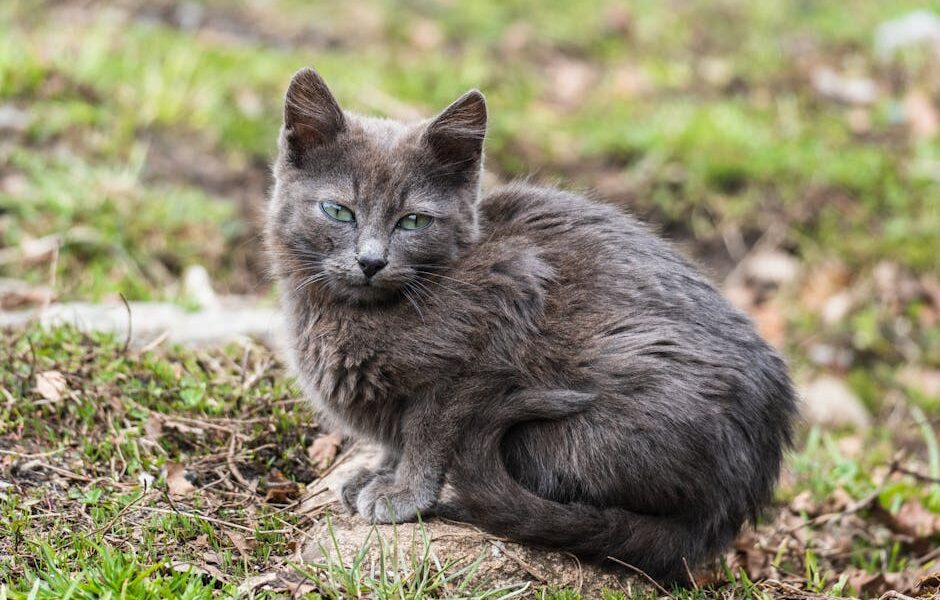
The Nebelung is one of the most beautiful and least known cat breeds in the world. With its long, shimmering blue-grey coat, vivid green eyes, and graceful demeanor, the Nebelung looks like a creature from a fairy tale, and its name reflects that ethereal quality. Derived from the German word “Nebel,” meaning mist or fog, the Nebelung is essentially a long-haired version of the beloved Russian Blue, sharing that breed’s gentle temperament while adding an extra dimension of elegance with its flowing coat.
Despite its stunning beauty and wonderful personality, the Nebelung remains quite rare, with a relatively small number of breeders worldwide. For cat lovers who discover this breed, however, the Nebelung often becomes a lifelong passion. In this comprehensive breed profile, we will explore the Nebelung’s history, characteristics, and the qualities that make it such an exceptional feline companion.
History and Origin of the Nebelung Cat
The Nebelung’s story is a modern one, beginning in the early 1980s in the United States. The breed’s founder, Cora Cobb of Denver, Colorado, owned a Domestic Shorthair cat named Elsa who was bred with a male cat resembling a Russian Blue. One of their litters produced a striking male kitten with long, blue-grey fur that Cobb named Siegfried, after the hero of the medieval German epic “The Nibelungenlied.” A subsequent litter produced a similarly beautiful long-haired female, whom Cobb named Brunhilde, after the epic’s Valkyrie heroine.
Captivated by the beauty and temperament of these two cats, Cobb decided to establish them as the foundation of a new breed. She worked with geneticist Dr. Solveig Pflueger of The International Cat Association to develop a breeding program and draft a breed standard. The standard was modeled closely on the Russian Blue standard, with the primary difference being the specification for a medium-length, double coat rather than a short one.
The International Cat Association granted the Nebelung New Breed status in 1987 and full Championship recognition in 1997. The breed has since gained recognition from several other cat registries, including the World Cat Federation and the Livre Officiel des Origines Felines in France. However, it remains unrecognized by some major registries, including the Cat Fanciers’ Association.
The Nebelung’s development has been guided by a commitment to health, temperament, and maintaining the breed’s close relationship with the Russian Blue. Many Nebelung breeding programs incorporate Russian Blue outcrosses to maintain genetic diversity and to reinforce the desired type. Long-haired kittens born to Russian Blue parents are sometimes identified as potential Nebelung foundation stock, helping to broaden the breed’s gene pool.
Today, the Nebelung has a small but passionate following in North America, Europe, and Russia. The breed’s rarity adds to its appeal for those who appreciate exclusive and exceptional cats, and breeders are working steadily to increase numbers while maintaining the quality and health of the breed.
The Nebelung’s close relationship with the Russian Blue makes a comparison between the two breeds both natural and informative. Both share a gentle temperament, but the Nebelung’s longer coat adds a distinct visual and grooming dimension.
Appearance and Physical Characteristics
The Nebelung is a medium-sized cat of refined, graceful build. Males typically weigh between 7 and 11 pounds, while females are smaller at 5 to 8 pounds. The body is long, slender, and well-muscled, with fine bones that give the cat an elegant, almost aristocratic bearing. Despite their delicate appearance, Nebelungs are surprisingly athletic and agile.
The breed’s crowning glory is its magnificent coat. The medium-length double coat is fine, silky, and dense, with a lustrous, shimmering quality that seems to glow in the light. The outer guard hairs are tipped with silver, creating a luminous, almost metallic sheen that is one of the breed’s most captivating features. The coat is longer on the tail, creating a flowing plume, and males typically develop a pronounced ruff around the neck.
The coat color is a uniform blue-grey, the same shade found in the Russian Blue. There should be no tabby markings, white patches, or color variations, though the silver tipping of the guard hairs creates subtle variations in light and shadow across the body. The nose leather is charcoal grey, and the paw pads are a pinkish-lavender color that complements the coat beautifully.
The head is a modified wedge shape, with a flat skull and a straight profile from the forehead to the tip of the nose. The ears are large and pointed, set wide apart on the head, and contribute to the cat’s alert, intelligent expression. The most striking facial feature is the eyes, which are large, slightly oval, and a vivid, luminous green. Kittens may have yellow eyes that gradually transition to green as they mature, with full green color typically achieved by adulthood.
The legs are long and fine-boned, with small, rounded paws that seem almost dainty. Tufts of fur between the toes add to the breed’s elegant appearance. The tail is long and well-plumed, carried gracefully and often in a gentle curve. The overall impression is of a cat that moves through the world with effortless grace, its shimmering coat catching the light with every movement.
Temperament and Personality
The Nebelung is a gentle, sensitive, and deeply devoted companion that forms intense bonds with its chosen people. Often described as a “one-person cat” or “one-family cat,” the Nebelung gives its heart completely to those it trusts and can be remarkably affectionate and attentive with its inner circle. This deep devotion is one of the breed’s most appealing and defining qualities.
With their families, Nebelungs are calm, quiet, and wonderfully companionable. They enjoy being near their people and will often follow their favorite person from room to room, settling nearby to keep a watchful eye on the proceedings. They are not typically demanding or intrusive, preferring to express their affection through quiet presence, gentle head bumps, and soft purring rather than loud meowing or attention-seeking behavior.
The flip side of the Nebelung’s devotion is its notable reserve with strangers. These cats are shy and cautious around unfamiliar people and may retreat to a hiding spot when visitors arrive. This is not a deficiency in temperament but rather a core characteristic of the breed. Nebelungs simply need time to assess new people and situations, and they should never be forced into interactions they are not comfortable with. Given time and space, most Nebelungs will eventually come out to investigate visitors on their own terms.
Nebelungs are creatures of habit that thrive on routine and predictability. Changes in their environment, schedule, or household composition can cause stress and anxiety. Moving to a new home, introducing a new family member, or even rearranging furniture can be unsettling for a Nebelung. Gradual changes, plenty of familiar items, and patient reassurance help these sensitive cats adjust to new situations.
With other pets, Nebelungs can be selectively social. They generally do best with calm, gentle companions and may be overwhelmed by very boisterous or assertive animals. Another quiet, companionable cat often makes the best companion for a Nebelung, particularly if they are introduced gradually and given time to adjust to each other’s presence. For ideas on creating a fulfilling environment for cats who prefer calmer settings, explore our guide to the best indoor cats.
Despite their quiet nature, Nebelungs are playful and enjoy interactive games with their owners. They are particularly fond of wand toys and will engage in graceful, acrobatic play that showcases their agility and hunting instincts. They also enjoy puzzle toys and treat-dispensing games that challenge their intelligence. Play sessions are an important bonding activity and help provide the mental and physical stimulation these cats need.
Exercise, Play, and Enrichment
The Nebelung has moderate activity levels and benefits from regular play and enrichment opportunities. While they are not as demanding as some high-energy breeds, they do need daily interactive play to maintain physical fitness and mental sharpness. Two to three play sessions of 10 to 15 minutes each, spread throughout the day, are ideal.
Wand toys and fishing rod-style toys are particularly effective with Nebelungs, as they engage the cat’s natural hunting instincts while allowing it to exercise its graceful athleticism. Laser pointers can provide vigorous exercise, though sessions should always end with a tangible reward, such as a treat or a physical toy the cat can “catch,” to prevent frustration.
Vertical space is essential for Nebelungs. Cat trees, wall shelves, and elevated perches provide climbing opportunities, vantage points for surveying their territory, and secure retreats where they can observe household activities from a safe height. Position at least one cat tree near a window to provide entertainment through bird and outdoor watching.
Puzzle feeders and interactive food toys are excellent enrichment tools for Nebelungs. These intelligent cats enjoy the mental challenge of working for their food and take satisfaction in solving puzzles. Rotating different puzzle feeders helps maintain interest and provides ongoing cognitive stimulation.
The Nebelung’s sensitive nature means it benefits greatly from having safe, quiet retreats throughout the home. Covered cat beds, enclosed cat caves, and high perches offer spaces where the cat can withdraw when feeling overwhelmed or simply when it wants some private time. Ensuring your Nebelung has access to these sanctuaries helps reduce stress and supports its emotional well-being.
Solo enrichment is particularly important for Nebelungs, as they can be somewhat anxious when left alone. Window perches, bird-watching videos, automated toys, and puzzle feeders can all help keep your cat occupied during your absence. If you are away from home regularly, having a compatible feline companion for your Nebelung can help alleviate loneliness.
Health and Lifespan
The Nebelung is generally a healthy breed with a lifespan of 15 to 18 years, and some individuals live even longer with excellent care. The breed’s foundation in the robust Russian Blue and domestic shorthair populations provides a solid genetic base, and the relatively small but dedicated breeding community has prioritized health in their programs.
Like all cats, Nebelungs can be susceptible to common feline health issues, including dental disease, obesity, kidney disease, and urinary tract conditions. Regular veterinary check-ups, a balanced diet, adequate hydration, and dental care form the foundation of preventive health management.
Obesity can be a concern for Nebelungs, particularly those that live a primarily sedentary indoor lifestyle. These cats enjoy their food and can gain weight if their caloric intake is not appropriately managed. Measuring food portions, using puzzle feeders to slow eating, and providing regular exercise help maintain a healthy weight. Your veterinarian can advise on the appropriate daily calorie intake for your individual cat.
Bladder stones and other urinary tract issues can occur in Nebelungs, as in many cat breeds. Ensuring adequate water intake through fresh water bowls, cat fountains, and wet food in the diet helps support urinary tract health. Monitoring litter box habits for changes in frequency, volume, or signs of discomfort can help catch urinary issues early.
Hypertrophic cardiomyopathy, the most common heart disease in cats, can potentially affect any breed, including the Nebelung. Regular veterinary check-ups that include cardiac auscultation can help detect heart murmurs or other abnormalities. If a heart issue is suspected, echocardiography provides a definitive diagnosis.
The Nebelung’s sensitive temperament means that stress can have a significant impact on its overall health. Stress-related conditions, including urinary issues, digestive problems, and over-grooming, can occur if the cat’s emotional needs are not met. Providing a calm, stable environment, maintaining consistent routines, and ensuring access to safe retreats all contribute to your Nebelung’s physical and emotional well-being.
Grooming Requirements
The Nebelung’s beautiful coat requires regular grooming to maintain its silky texture and shimmering appearance. While the coat is not prone to the severe matting that can occur in some long-haired breeds, regular maintenance is important for keeping it in optimal condition.
Brushing two to three times per week with a stainless steel comb or a soft slicker brush is recommended. Work through the coat gently, paying attention to areas that are more prone to tangles, including behind the ears, under the legs, and on the belly. The coat’s fine texture means that mats, when they do form, can usually be combed out easily if caught early.
Bathing is generally not necessary for Nebelungs, as their coat tends to stay relatively clean through regular self-grooming. However, an occasional bath every few months can help maintain the coat’s luster and remove any accumulated oils or dirt. Use a gentle, cat-appropriate shampoo and rinse thoroughly to avoid residue that can dull the coat’s shine.
During shedding seasons, typically in spring and fall, more frequent brushing may be needed as the undercoat loosens and is replaced. Daily brushing during these periods helps remove loose hair, reduces hairballs, and keeps the coat looking its best. Outside of shedding seasons, the Nebelung’s coat sheds minimally and is relatively easy to maintain.
Nail trimming every two weeks is recommended, along with regular ear cleaning and dental care. The tufts of fur between the toes should be kept trimmed to prevent the accumulation of litter and debris. For a comprehensive overview of cat coat care techniques, our cat grooming guide provides detailed instructions and helpful tips.
One grooming consideration specific to the Nebelung is the importance of gentle handling. These sensitive cats may be stressed by vigorous or rough grooming, so always use a light touch and make grooming sessions as calm and pleasant as possible. Starting grooming routines early in kittenhood helps the cat accept and even enjoy the process as an adult.
Who Is the Nebelung Cat Best For?
The Nebelung is best suited for quiet, calm households where the cat can establish a comfortable routine and bond deeply with its people. This is not a breed for boisterous, high-traffic homes or for owners who are frequently away or who have a constantly changing household. The Nebelung thrives in stability and rewards a peaceful environment with extraordinary devotion and companionship.
The ideal Nebelung owner is patient, gentle, and understanding of the breed’s sensitive nature. They do not take the cat’s shyness with strangers personally and allow the cat to set the pace of social interactions. They appreciate quiet companionship and find joy in the subtle ways the Nebelung expresses its deep affection.
Singles, couples, and small families often make the best Nebelung owners, as these households tend to offer the calm, predictable environment that the breed prefers. Older adults and retirees are particularly well-matched with the Nebelung, as their quieter lifestyles align perfectly with the cat’s temperamental needs. Work-from-home professionals who can provide consistent daytime companionship are also excellent candidates.
Families with older, gentle children can successfully include a Nebelung in their household, provided the children understand the cat’s need for respect, patience, and gentle handling. Very young children or loud, boisterous households are generally not ideal for this sensitive breed.
The Nebelung’s moderate grooming needs are manageable for most owners who are willing to commit to regular brushing. If you enjoy the meditative quality of grooming a beautiful cat, maintaining the Nebelung’s shimmering coat can be a deeply satisfying experience.
Because Nebelungs can be anxious when left alone for long periods, they benefit from having a compatible feline companion. If you are considering a Nebelung and are away from home during the day, adopting two cats, either two Nebelungs or a Nebelung and another gentle breed, can provide mutual companionship and enrichment.
Frequently Asked Questions
What is the difference between a Nebelung and a Russian Blue?
The primary difference between the Nebelung and the Russian Blue is coat length. The Nebelung has a medium-length, double coat with a silky texture and silver-tipped guard hairs, while the Russian Blue has a short, dense, plush coat. Both breeds share the same blue-grey coloring, green eyes, and gentle temperament. The Nebelung is essentially the long-haired variety of the Russian Blue, and Russian Blue outcrosses are used in many Nebelung breeding programs to maintain genetic health and breed type.
Are Nebelung cats rare?
Yes, Nebelung cats are quite rare. The breed has a relatively small number of dedicated breeders worldwide, and finding a kitten may require patience and potentially joining a waiting list. The breed is most established in North America and Europe, with growing interest in other regions. Because of their rarity, Nebelung kittens from reputable breeders typically cost between $1,000 and $2,000, though prices can vary based on location and breeder.
Do Nebelung cats get along with other pets?
Nebelungs can get along with other pets, particularly calm, gentle companions. They often do well with other quiet cat breeds and can coexist with cat-friendly dogs. However, they may be overwhelmed by very energetic or assertive animals. Gradual introductions and a patient adjustment period are important for successful multi-pet integration. Many Nebelung owners find that their cats benefit greatly from having a compatible feline companion, especially if the household is empty during work hours.
Are Nebelung cats high maintenance?
Nebelung cats have moderate grooming needs that include brushing two to three times per week, regular nail trimming, ear cleaning, and dental care. Their emotional needs are where most of the “maintenance” lies. Nebelungs are sensitive cats that require a calm, stable environment, consistent routines, and patient, understanding owners. They are not high maintenance in the traditional sense, but they do need an owner who is attuned to their emotional well-being and willing to provide the stability they crave.
How long do Nebelung cats live?
Nebelung cats have an impressive lifespan of 15 to 18 years, with some individuals living even longer. Their longevity is supported by their generally robust health, which benefits from a broad genetic base through Russian Blue and domestic shorthair ancestry. Providing a balanced diet, regular veterinary care, adequate exercise, and a stress-free environment all contribute to helping your Nebelung live a long, healthy, and happy life.
Looking to adopt a Nebelung Cat Breed Profile?
Browse Nebelung Cat Breed Profile cats and mixes available for adoption from shelters and rescues near you.
Find Nebelung Cat Breed Profile Cats for Adoption