
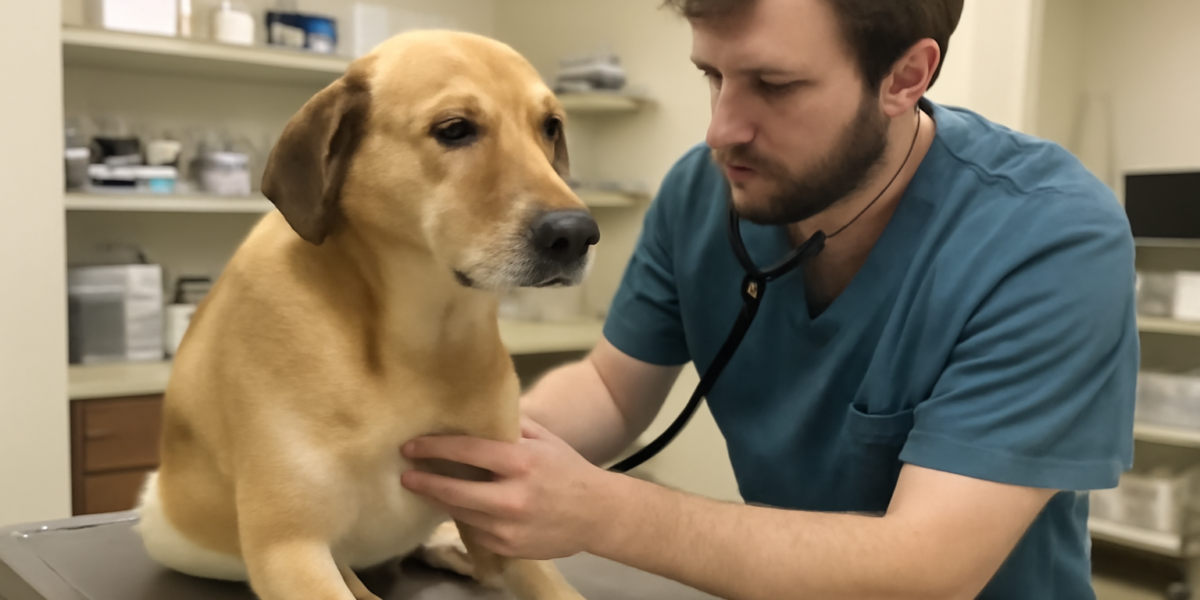
Onsior in a Nutshell
Onsior is the brand name for robenacoxib, a non-steroidal anti-inflammatory drug (NSAID) that veterinarians use to control short-term pain and inflammation in dogs. For Onsior dogs, the most common indications are post-surgical recovery and acute musculoskeletal injuries — situations where good pain control speeds healing, protects appetite, and keeps your dog from compensating with awkward movement that can create new problems.
In this article
- Onsior in a Nutshell
- How Robenacoxib Works in the Canine Body
- Common Reasons Vets Prescribe Onsior for Dogs
- How Onsior Is Given
- Side Effects: What to Expect and What to Worry About
- Dogs Who Should Not Take Onsior
- Drug Interactions to Watch
- Onsior for Acute Pain vs. Long-Term Use
- What to Do If You Miss a Dose or Suspect an Overdose
- Realistic Expectations for Pain Relief
- Frequently Asked Questions
- Working With Your Vet on a Pain Plan
Robenacoxib is a coxib-class NSAID, which means it preferentially blocks the COX-2 enzyme that drives inflammation rather than the COX-1 enzyme that helps maintain stomach and kidney function. The result, in theory and largely in practice, is solid pain relief with a friendlier safety profile than older, less selective NSAIDs.
This guide covers what Onsior is used for in dogs, what to expect during a course of therapy, side effects to watch for, and when to call your veterinarian. As always, the dosing decisions belong to your vet, but understanding how the medication works helps you be a better advocate for your dog.
How Robenacoxib Works in the Canine Body
When your dog has surgery, sprains a leg, or develops an inflammatory flare, their body produces inflammatory chemicals called prostaglandins. These compounds amplify pain signals, increase blood flow to injured areas (creating swelling), and contribute to fever. Prostaglandins are produced by enzymes called cyclooxygenases — primarily COX-1 and COX-2.
COX-1 is largely a “housekeeping” enzyme; it produces prostaglandins that protect the stomach lining, support normal blood flow to the kidneys, and help platelets clot. COX-2 is the one that ramps up dramatically at sites of injury and inflammation. By targeting COX-2 selectively, robenacoxib aims to dampen pain and swelling without blunting the protective functions of COX-1.
Robenacoxib also has an interesting feature called tissue selectivity: it clears quickly from the bloodstream but tends to concentrate at sites of inflammation. That means more drug where it is needed and less drug circulating through the rest of the body — a design that supports both effectiveness and safety.
Common Reasons Vets Prescribe Onsior for Dogs
Veterinarians most often reach for Onsior in dogs in situations like:
- Post-operative pain control after orthopedic surgery, soft tissue surgery, mass removals, or dental procedures
- Acute musculoskeletal injuries like sprains, strains, soft tissue tears, and short-term lameness
- Flare-ups of chronic joint conditions, often as a short course while a longer-term plan is developed
- Inflammatory conditions such as panniculitis, certain dermatologic flares, or otitis externa pain alongside antibiotics
For surgical patients, Onsior is commonly part of a multimodal approach. That means combining it with other pain medications — often opioids during the first 24 to 72 hours, sometimes gabapentin for neuropathic components — so that no single drug has to do all the work. Multimodal pain control consistently outperforms single-drug approaches in both human and veterinary medicine.
For dogs with chronic arthritis, Onsior may be prescribed as a short course to break a pain cycle, after which a longer-term NSAID like meloxicam or carprofen, or non-NSAID approaches, may be selected for ongoing management. Your vet will tailor the choice to your dog’s age, weight, comorbidities, and prior responses to medication.
How Onsior Is Given
Onsior for dogs is available as flavored tablets for oral dosing and as an injectable solution given by your veterinary team. The flavored tablets are designed to be palatable, which makes administration easier. Many dogs will take them readily as a treat, while others may need them tucked into a small piece of food, peanut butter, or a commercial pill pocket.
Dosing is weight-based and is set by your veterinarian. Stick to the schedule your vet provides and avoid the temptation to adjust dose or frequency on your own. NSAIDs are unforgiving when overdosed, and “more is better” is never the right philosophy with this drug class.
Onsior tablets can be given with or without food, but giving them with a small meal sometimes reduces stomach upset. Always provide free access to fresh water during NSAID therapy, since adequate hydration helps protect the kidneys.
Side Effects: What to Expect and What to Worry About
Most dogs tolerate Onsior well, but every NSAID carries risks that owners need to take seriously. Common, usually mild side effects include:
- Soft stools or mild diarrhea
- Decreased appetite
- Occasional vomiting
- Mild lethargy in the first day or two
These often resolve on their own. If they persist, worsen, or occur alongside other symptoms, contact your vet. More serious adverse effects, though uncommon, include stomach ulceration, gastrointestinal bleeding, kidney injury, and liver enzyme elevations. Warning signs that should prompt you to stop the medication and call your vet immediately include:
- Vomiting that is repeated, contains blood, or looks like coffee grounds
- Black, tarry stools or fresh blood in stool
- Refusal to eat for more than a day
- Marked lethargy or weakness
- Increased thirst, increased urination, or much decreased urine output
- Yellowing of the gums, whites of the eyes, or skin
- Bruising, nosebleeds, or other unexpected bleeding
These can be signs of NSAID-related complications that need prompt evaluation, including bloodwork, fluids, and possibly hospitalization. Catching them early dramatically improves outcomes.
Dogs Who Should Not Take Onsior
Onsior is not appropriate for every dog. Vets generally avoid prescribing it to dogs who are:
- Dehydrated, hypotensive, or critically ill
- Dealing with active gastrointestinal ulcers or recent GI bleeding
- Diagnosed with significant kidney or liver disease
- Pregnant, nursing, or intended for breeding (unless benefits clearly outweigh risks)
- Already on another NSAID, or on corticosteroids like prednisone
- On certain other medications that increase NSAID risk (your vet will screen the full med list)
- Younger than the minimum age and weight indicated on the label
If your dog has any of these issues, your vet will choose a different pain strategy. Options can include opioids for short-term acute pain, gabapentin for neuropathic discomfort, joint-targeted injections, monoclonal antibody therapies for chronic osteoarthritis, and supportive non-drug approaches like rehabilitation, weight management, and acupuncture.
Drug Interactions to Watch
Onsior should not be combined with other NSAIDs (like meloxicam, carprofen, or aspirin) or with corticosteroids without explicit veterinary guidance. Layering these drug classes greatly increases the risk of stomach ulcers and kidney injury. If your dog has been on aspirin or another NSAID, your vet will typically recommend a “washout” period before starting Onsior.
Other interactions to flag for your vet include certain blood pressure medications, diuretics, ACE inhibitors, and some chemotherapy drugs. If your dog is on any prescribed or over-the-counter products — including herbal supplements — share the full list with your vet before Onsior is prescribed.
Onsior for Acute Pain vs. Long-Term Use
Onsior is most often used for short-term, acute pain situations. Some veterinarians do prescribe it for longer durations in selected dogs with chronic joint disease, but the safest long-term NSAID strategies typically involve:
- Choosing the lowest effective dose
- Pairing the NSAID with non-drug approaches (weight loss, exercise modification, joint supplements)
- Monitoring with bloodwork at regular intervals — typically a baseline, a check-in within a few weeks of starting, and periodic follow-ups
- Reassessing periodically whether the NSAID is still needed or whether dose can be reduced
Dogs with chronic arthritis often benefit from a multimodal approach that may include NSAIDs, gabapentin, joint-modifying injections like Adequan, monoclonal antibody therapies, and lifestyle adjustments like ramps, traction rugs, and warm bedding. Your vet can help you build a plan that fits your dog and your household.
What to Do If You Miss a Dose or Suspect an Overdose
If you miss a dose of Onsior, give it as soon as you remember, unless it is nearly time for the next scheduled dose. In that case, skip the missed dose and resume the regular schedule. Never double-dose to “catch up.”
If your dog accidentally gets an extra dose, or if a curious dog raids the medication container, treat it as an emergency. Call your veterinarian, an emergency clinic, or an animal poison control hotline immediately. Bring or describe the packaging so the team knows the strength and how many tablets may have been ingested. NSAID overdoses can cause severe stomach ulceration and kidney damage, but early intervention — typically with IV fluids, anti-nausea medication, GI protectants, and monitoring — can dramatically improve outcomes.
Realistic Expectations for Pain Relief
For acute surgical pain, many dogs show meaningful comfort within hours of the first dose, especially when Onsior is part of a multimodal plan started at the time of surgery. For inflammatory injuries, you may notice improvement in lameness or willingness to use a limb within a day or two.
For chronic joint discomfort, expect a more gradual improvement over several days. Look for subtle wins: easier transitions from lying to standing, more interest in walks, less hesitation on stairs, or better mood. Owners are often the first to notice these gains, and your observations help your vet decide whether to continue, adjust, or switch the plan.
If you do not see improvement after a week of consistent dosing, or if your dog seems uncomfortable at the next dose, do not increase the dose on your own. Call your vet — there may be a better strategy.
Frequently Asked Questions
Can I give Onsior to my dog without a prescription?
No. Onsior is a prescription-only NSAID and should only be given under direct veterinary supervision. Your vet needs to confirm your dog is healthy enough for an NSAID, prescribe the appropriate weight-based dose, and watch for side effects. Self-medicating, sharing tablets between pets, or buying from unverified online sources can put your dog at significant risk.
Can I give Onsior alongside aspirin or another NSAID?
No. Combining NSAIDs (including aspirin) or combining an NSAID with a corticosteroid like prednisone dramatically increases the risk of stomach ulcers, GI bleeding, and kidney injury. If your dog has been on another NSAID, your vet will typically recommend a washout period before starting Onsior. Always tell your vet about every medication and supplement your dog is taking.
What if I miss a dose?
Give the missed dose as soon as you remember, unless it is close to the next scheduled dose — in that case, skip and resume the normal schedule. Never give two doses at once. If you are unsure, call your vet’s office for guidance specific to your dog’s plan.
How long does it take Onsior to work?
Many dogs experience noticeable pain relief within a few hours of the first dose, particularly for surgical or acute pain. For chronic inflammatory conditions, you may need several days of consistent dosing to see the fullest benefit. If improvement is not apparent within a week, contact your vet.
What side effects should make me call the vet right away?
Stop the medication and call your vet immediately if your dog has repeated vomiting, blood in vomit or stool, black tarry stools, refusal to eat for more than 24 hours, sudden lethargy or weakness, marked changes in thirst or urination, yellowing of the gums or eyes, unexplained bruising, or any seizure activity. These can signal serious NSAID-related complications.
Is Onsior safe for older dogs?
Many older dogs do well on Onsior, especially with appropriate screening bloodwork and ongoing monitoring. Older dogs are more likely to have subclinical kidney or liver issues, so vets often run a chemistry panel and urinalysis before starting and at regular intervals during therapy. Discuss your specific dog’s situation with your vet.
Working With Your Vet on a Pain Plan
Pain control in dogs is rarely about a single drug. Onsior is one strong option in a toolkit that also includes opioids, gabapentin, joint-targeted injections, monoclonal antibodies, supplements, weight management, controlled exercise, and physical rehabilitation. The best plan for your dog is the one that addresses their specific issue, fits your routine, and is monitored thoughtfully over time.
Be honest with your vet about your observations, your dog’s response, and your ability to give medications consistently. Ask questions about why a particular drug is being chosen, what side effects to watch for, and what the plan looks like if the first approach does not work. A well-controlled pain plan can transform a stiff, slowing dog into one who is happily active again — and that is worth the effort of getting it right.


