Last updated: April 11, 2026
In this article
Otterhound Dog Breed Profile
The otterhound is one of the rarest dog breeds in the world, with fewer than 1,000 individuals estimated to exist globally at any given time. In fact, more giant pandas are alive today than otterhounds, making this ancient British breed critically vulnerable to extinction. Despite their rarity, otterhounds are warm, enthusiastic companions with a love of water, a nose that rivals almost any Hound on earth, and a shaggy, soulful appearance that turns heads wherever they go. If you are lucky enough to share your life with an otterhound, you are custodian of a living piece of canine history — a breed that has shaped rural Britain for centuries and now needs dedicated, knowledgeable families to carry it forward.
Quick Facts
| Attribute | Detail |
|---|---|
| Breed Group | Hound |
| Size | Large |
| Weight | Males 115 lb (52 kg) / Females 80 lb (36 kg) |
| Height | Males 27 in (69 cm) / Females 24 in (61 cm) |
| Life Expectancy | 10 – 13 years |
| Coat | Rough, shaggy, double-layered, water-resistant |
| Coat Colors | Grizzle, sandy, red, wheaten, blue, black and tan, and combinations thereof |
| Shedding | Moderate |
| Good with Children | Yes, with supervision |
| Good with Other Dogs | Generally yes |
| Good with Cats | Variable — early socialization essential |
| Exercise Needs | Moderate to high |
| Trainability | Independent — patient, consistent training needed |
| Global Population | Fewer than 1,000 known individuals |
| AKC Recognition | 1991 |
Otterhound Personality and Temperament
The otterhound is best described as amiable, boisterous, and endearingly stubborn. These are pack hounds at heart, bred to work alongside dozens of other dogs, and they carry that cooperative, social spirit into the family home. They are affectionate with their people, politely friendly toward strangers, and genuinely enthusiastic about almost every experience life offers — especially anything involving water. Given the chance, an otterhound will wade into any pond, stream, or puddle it encounters, and will do so with unrestrained delight.
Their independence, however, is real and should not be underestimated. Once an otterhound catches a scent, it can become laser-focused to the point of tuning out commands entirely. This is not defiance; it is the breed doing exactly what centuries of selective breeding prepared it to do. Owners who respect this instinct and work with it — rather than against it — find these dogs to be deeply rewarding companions.
Otterhounds are not aloof or reserved. They are playful well into adulthood, enjoy roughhousing with large children or other big dogs, and can be surprisingly clownish at home. Their trademark bay — a deep, resonant, melodious sound — is something potential owners must be prepared for. This vocalization is beautiful in the field and, in a suburban neighborhood, can test the patience of even the most dog-loving neighbor.
Otterhound Appearance
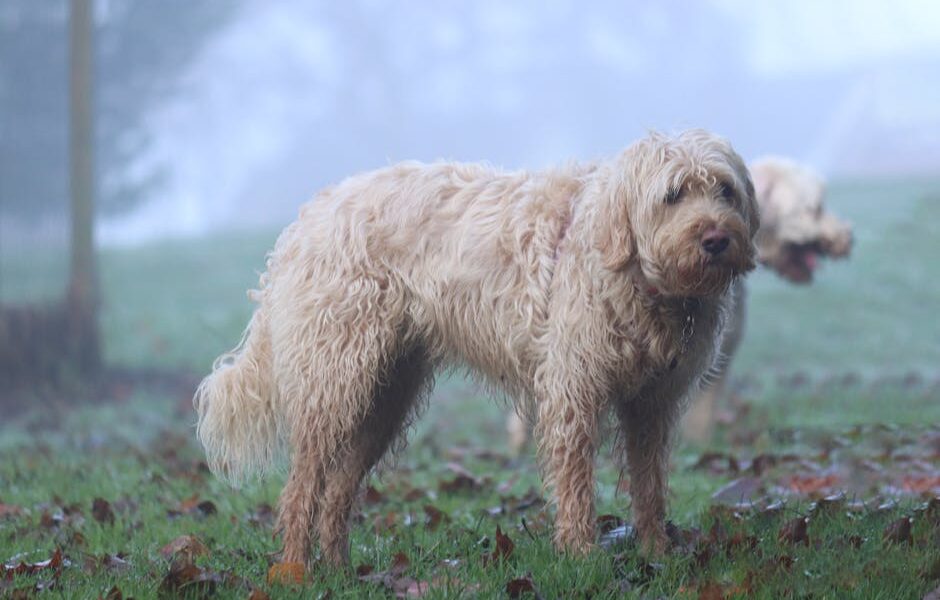
The otterhound is a large, powerful dog with a distinctly rugged, workmanlike appearance. The most immediately striking feature is its coat: rough, shaggy, and double-layered, with a coarse outer layer and a dense, water-resistant, oily undercoat that allowed working dogs to spend hours in cold rivers without becoming chilled. This combination gives the otterhound its characteristic unkempt, mop-like silhouette — no sleek lines or polished edges here.
The head is large and imposing, framed by long, pendulous ears and a pronounced, bushy beard and mustache that trap water and debris from every adventure. The eyes are deep-set and dark, conveying an expression of gentle, intelligent seriousness. The body is deep-chested and muscular, built for endurance rather than speed, with large, webbed feet that make the otterhound a genuinely capable swimmer. The tail is carried saber-fashion when the dog is alert or moving.
Colors range widely across grizzle, sandy, red, wheaten, blue, black and tan, and various combinations. No color is considered preferable to another within the breed standard, and the natural variation adds to each dog’s individual character.
Otterhound Exercise Needs
Otterhounds have moderate to high exercise requirements, but their needs are somewhat different from those of high-drive working breeds. They do not demand relentless activity, but they do need consistent daily exercise and, crucially, space. A cramped urban apartment is not a suitable home for an otterhound; a securely fenced yard — ideally with access to safe water — is far better.
Plan for at least one to two hours of physical activity per day. Long walks on a leash are beneficial, though the otterhound’s nose will constantly pull it toward interesting scents, so loose-leash manners require ongoing reinforcement. Off-leash exercise should only ever happen in a fully enclosed area. A hound on a scent trail is a hound that cannot hear you calling.
Swimming is the single best exercise for this breed. It is low-impact on the joints, deeply satisfying to the otterhound’s instincts, and an excellent outlet for their considerable energy. Supervised access to a pond, lake, or secure pool should be offered whenever possible. Scent-work activities — nose work classes, tracking, or even simple hide-and-seek games with treats — are an excellent mental complement to physical exercise and tap into the breed’s most powerful natural drive.
Otterhound Grooming
The otterhound’s shaggy double coat requires consistent but not excessive maintenance. A thorough brushing at least once per week is necessary to prevent the rough outer coat from matting, particularly in the areas where friction is greatest: behind the ears, under the legs, and around the collar. A wide-toothed comb and a slicker brush are the primary tools needed. The coat should never be shaved down entirely, as it serves a protective function year-round.
The beard and mustache deserve special attention. Because the otterhound regularly dips its muzzle into water bowls and outdoor puddles, the beard collects moisture, food debris, and dirt at a remarkable rate. Wiping the beard down after meals and outdoor activity, and combing it through several times per week, prevents the kind of buildup that leads to skin irritation and unpleasant odor.
Bathing should be done every four to eight weeks, or as needed after particularly muddy outings. The dense undercoat takes considerable time to dry thoroughly; a high-velocity dryer or thorough towel-drying followed by air drying in a warm space is recommended. Ear checks are important, as the long, pendulous ears restrict airflow and create conditions where moisture and bacteria can accumulate. Nails should be trimmed monthly, and teeth brushed regularly.
Otterhound Health
As with many large and rare breeds, the otterhound carries a set of health considerations that prospective owners and adopters should understand clearly. Responsible breeders screen for the conditions most prevalent in the breed, and any reputable rescue or breeder should be transparent about known health history.
Hip and elbow dysplasia are the most common orthopedic concerns, as with most large-breed dogs. Maintaining a healthy weight and providing low-impact exercise — especially swimming — helps protect the joints throughout the dog’s life. Bloat (gastric dilatation-volvulus, or GDV) is a serious, potentially life-threatening condition to which deep-chested breeds like the otterhound are predisposed. Feeding smaller meals twice daily, avoiding exercise immediately after eating, and knowing the warning signs of bloat can be lifesaving.
Glanzmann’s thrombasthenia is a hereditary bleeding disorder that occurs in otterhounds at a higher rate than in most other breeds. It affects platelet function and can result in excessive bleeding after injury or surgery. DNA testing can identify carriers and affected dogs. Seizure disorders have also been reported in the breed with some frequency. Owners should discuss these conditions with their veterinarian at the outset of care to establish an informed monitoring plan.
Otterhounds with Kids and Other Pets
Otterhounds are gentle, good-natured dogs with a genuine fondness for people of all ages. With children, they are typically affectionate and patient, and their pack-hound heritage means they enjoy company and activity. However, the otterhound is a large, boisterous dog, and its enthusiasm alone can accidentally knock over a small child. For this reason, interactions between otterhounds and very young children should always be supervised, not because the dog is aggressive, but simply because the size and energy mismatch demands caution.
With other dogs, otterhounds are generally sociable and easygoing, particularly with dogs of similar or larger size. They were bred to run in packs, and many otterhounds actively enjoy canine company. Smaller dogs may occasionally be overwhelmed by the otterhound’s exuberant play style.
Cats and small animals present more of a variable. Some otterhounds coexist peacefully with cats, particularly when raised alongside them from puppyhood. Others retain a strong prey drive that makes a multi-species household inadvisable. Each dog should be assessed individually, and any rescue or rehoming organization should be able to provide information on a specific dog’s history with other animals before placement.
Training an Otterhound
Training an otterhound is a rewarding exercise in patience, consistency, and creative thinking. These are highly intelligent dogs, but their intelligence is expressed in a way that is fundamentally different from that of, say, a Border Collie or a Golden Retriever. The otterhound was selectively bred for independent problem-solving — to follow a cold scent trail for miles without human direction — and that independence does not simply switch off indoors.
Positive reinforcement is the only effective approach. High-value food rewards, praise, and play motivate otterhounds far better than any form of correction-based training, which is likely to produce either a shutdown dog or an increasingly resistant one. Training sessions should be kept short, varied, and engaging. Long, repetitive drills will cause an otterhound to check out quickly.
Recall is the single most critical skill for an otterhound owner to develop — and also the most challenging. The breed’s scent drive is powerful enough to override almost everything else when triggered, which is why off-leash activity in unfenced areas is genuinely dangerous. Beginning recall training early, using exceptionally high-value rewards, and practicing frequently in gradually increasing distraction environments gives the best chance of a reliable response. Nose work, tracking, and scent-discrimination activities are excellent training outlets because they channel the breed’s natural drive constructively.
Otterhound History and Origins
The otterhound is an ancient British breed with roots that stretch back at least to medieval England, where otters were considered a significant threat to fish stocks in rivers and streams. Packs of hounds were specifically developed to track and hunt otters in and around water, and the otterhound was the product of that purpose — bred for an acute nose capable of following a scent trail many hours old through moving water, a waterproof coat to endure cold rivers, and webbed feet for swimming.
Otterhound packs were maintained by English royalty and nobility for centuries, with records of otter hunting appearing as early as the reign of King John in the thirteenth century. The breed reached its peak of working use in the nineteenth and early twentieth centuries, when organized otter hunting was a recognized rural sport across Britain.
The turning point came in 1978, when otters were granted legal protection in England and Wales, effectively ending otter hunting and removing the otterhound’s primary working purpose almost overnight. With no function driving breeding programs, population numbers collapsed sharply. Today, the otterhound is listed by the Kennel Club in the United Kingdom as a vulnerable native breed, and annual registration numbers remain critically low — often fewer than sixty puppies registered per year. Breed preservation now depends entirely on a small community of dedicated breeders, enthusiasts, and rescue organizations committed to keeping this remarkable hound alive.
Otterhound Frequently Asked Questions
How rare is the otterhound?
The otterhound is considered one of the rarest dog breeds in the world. Global population estimates typically place the number of living otterhounds at fewer than 1,000, making the breed rarer than many endangered wildlife species. Annual puppy registrations in the United Kingdom — the breed’s country of origin — frequently fall below sixty. In the United States, the breed is similarly scarce, with only a small number of dedicated breeders actively working to sustain healthy bloodlines. Anyone interested in adding an otterhound to their family should expect a lengthy wait and may need to consider adoption through a breed-specific rescue network.
Is an otterhound a good family dog?
For the right family, yes — the otterhound can be a wonderful companion. They are affectionate, sociable, and good-humored, and they generally enjoy the company of children and other dogs. The ideal otterhound household is an active one with access to a securely fenced yard, preferably with nearby water for swimming. Families should be comfortable with a large, independent, occasionally vocal dog and should have the time and patience for consistent, positive training. Apartment living is not well suited to the breed. Families willing to meet the otterhound’s physical and mental needs will find a loyal, entertaining, and deeply endearing companion.
Do otterhounds bark a lot?
Otterhounds are not excessive or anxious barkers in the way that some small breeds can be, but they are equipped with a deep, resonant, melodious bay that carries considerable distance. This vocalization is a core function of the breed — hounds in the field bay to signal to the huntsman and to each other — and it is part of the otterhound’s natural communication. When excited, when they pick up an interesting scent, or when left alone for extended periods, otterhounds will vocalize freely. Prospective owners should honestly consider their living situation and their neighbors before bringing this breed home.
Where can I adopt an otterhound?
Because the otterhound is so rare, dedicated breed-specific rescues are few, and available dogs may be located far from your home. Starting with national breed clubs — such as the Otterhound Club of America — is a good first step, as they often maintain rehoming registries and can connect you with dogs in need of new homes. General large-breed rescues and shelters occasionally take in otterhounds or otterhound mixes, so registering your interest broadly is worthwhile. Walkmehomerescue.org maintains an active network of rescued dogs and can help match you with adoptable hounds. Patience is essential — finding an otterhound may take months or even longer, but the wait is well worth it.
Adopt an Otterhound
If the otterhound sounds like the right dog for your household, adoption is one of the most meaningful ways you can support this critically rare breed. Every otterhound placed in a permanent, loving home is one fewer dog at risk and one more family carrying the breed’s story forward. At Walk Me Home Rescue, we are committed to finding suitable placements for dogs of all breeds — including rare and special-needs hounds. Our adoption process is thorough because we want every match to last a lifetime. Visit our dog adoption page to view currently available dogs, submit an interest form, or learn more about how our process works. Whether you are ready to adopt now or simply exploring your options, we are here to help you find the right companion.
Looking to adopt a Otterhound?
Browse Otterhound dogs and mixes available for adoption from shelters and rescues near you.
Find Otterhound Dogs for Adoption