
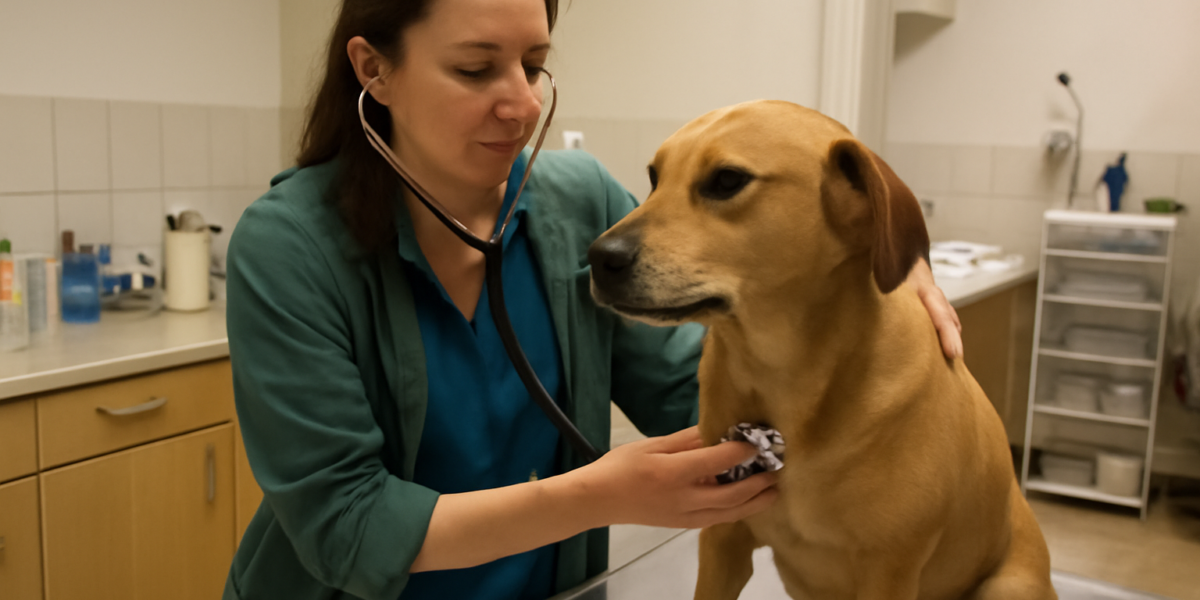
What Pancrelipase Is and Why EPI Dogs Need It
Pancrelipase is a pancreatic enzyme replacement product made from porcine pancreatic tissue, containing the three main digestive enzymes the pancreas normally produces: lipase (digests fats), amylase (digests carbohydrates), and protease (digests proteins). For dogs with exocrine pancreatic insufficiency (EPI) — a condition in which the pancreas fails to produce enough of these enzymes — pancrelipase replaces what is missing and allows the dog to digest and absorb food normally. Without it, dogs with EPI essentially starve while eating because their food passes through undigested.
In this article
- What Pancrelipase Is and Why EPI Dogs Need It
- Recognizing EPI Before Starting Therapy
- How to Give Pancrelipase Correctly
- The Oral Mucosal Irritation Caution
- Cobalamin (B12) Supplementation
- Diet and Pancrelipase Together
- Pancrelipase Forms and Sources
- Monitoring and Adjusting
- Common Pitfalls and How to Avoid Them
- Lifelong Management — Setting Expectations
- Frequently Asked Questions
Pancrelipase for dogs is a lifelong therapy. EPI is not a curable condition; the pancreatic acinar atrophy or chronic pancreatitis damage that caused it does not regenerate. Once a dog is diagnosed and started on enzyme replacement, the goal is consistent dosing with every meal for the rest of the dog’s life. The good news is that with correctly managed enzyme replacement and appropriate supportive care, most EPI dogs live well-controlled lives with normal weight, normal stool, and good quality of life.
The technique for giving pancrelipase matters more than for most medications. Several specific handling cautions — moistening with food, not over-mixing, and avoiding direct contact with the dog’s gums — make the difference between successful management and frustrating side effects.
Recognizing EPI Before Starting Therapy
EPI is most common in German Shepherds, where it has a clear genetic component, but it occurs in many breeds. Classic signs include:
- Severe weight loss despite a ravenous appetite
- Large volumes of pale, greasy, foul-smelling stool
- Increased gas and abdominal rumbling
- Coprophagia (eating stool)
- Poor coat quality
- Vitamin deficiencies, particularly fat-soluble vitamins and B12
Diagnosis is typically made with a TLI (trypsin-like immunoreactivity) blood test, which measures pancreatic enzyme activity. A low TLI result is highly specific for EPI. Most EPI dogs also have low cobalamin (B12) and sometimes low folate, which need separate management. For broader pancreatic context, see our overview of pancreatitis in dogs.
How to Give Pancrelipase Correctly
This is where technique matters. The standard approach for powdered pancrelipase:
- Measure the prescribed amount (usually a teaspoon or fraction depending on body weight and product strength) onto the food
- Mix lightly into the food just enough to incorporate the powder
- Allow the food to sit for 15–20 minutes at room temperature before feeding — this lets the enzymes begin pre-digesting the food, which significantly improves results
- Feed the entire portion within 30 minutes of mixing
- Repeat with every meal — twice daily is standard, three times for some dogs
What not to do:
- Do not over-mix or pre-mix and store; over-mixing degrades enzyme activity
- Do not use very hot food — heat denatures enzymes; food should be lukewarm or room temperature at most
- Do not allow dry powder to contact the dog’s gums or oral mucosa for prolonged periods — see the next section
- Do not skip doses thinking a meal is small enough not to need them; every meal needs enzymes
The Oral Mucosal Irritation Caution
Pancreatic enzymes are designed to digest food. They will also digest tissue if given the opportunity. Dry pancrelipase powder that sits on the dog’s gums or tongue for extended periods can cause oral mucosal irritation, ulceration, and bleeding — sometimes severe. This is one of the most important practical points in EPI management.
To minimize this risk:
- Always mix the powder thoroughly into food before serving
- Ensure the food is moist enough to fully wet the powder; add a small amount of water if feeding dry kibble
- Wipe the dog’s muzzle gently after eating if any powder visible
- Avoid handling the powder without gloves if you have sensitive skin
- Store the powder away from moisture and heat
For dogs that consistently have oral irritation despite proper technique, ask your veterinarian about enteric-coated capsule formulations as an alternative. These bypass the oral cavity but have their own considerations.
Cobalamin (B12) Supplementation
EPI dogs frequently develop low B12 because the damaged pancreas does not produce intrinsic factor in normal amounts, and B12 absorption depends on it. Untreated B12 deficiency causes ongoing GI signs that look like inadequate enzyme replacement, and can also cause neurologic and immune effects.
Most EPI dogs benefit from cobalamin supplementation, given either as injectable B12 (weekly initially, then less frequently) or as oral cobalamin in adequate doses. Your veterinarian will check B12 levels at diagnosis and periodically thereafter. Folate may also need attention.
For more on cobalamin in companion animals, see our guide to B12 for cats — much of the underlying biochemistry applies to dogs as well.
Diet and Pancrelipase Together
Many EPI dogs do best on a moderate-fat, highly digestible diet. Some thrive on prescription GI diets; others do well on regular adult dog foods chosen for digestibility and consistent ingredients. The role of fat is debated — historically, low-fat diets were standard, but more recent thinking allows moderate fat as long as enzymes are adequate.
Practical points on diet for EPI dogs:
- Choose a consistent, high-quality food and stick with it
- Feed multiple smaller meals rather than one large one
- Avoid raw food diets (controversial in any context, particularly risky in compromised GI function)
- Avoid frequent treats and table scraps that bypass the enzyme dosing routine
- Ensure fresh water is always available
Some EPI dogs also benefit from veterinary probiotics — see probiotics for dogs. Small intestinal bacterial overgrowth (SIBO) is common in EPI and may need targeted antibiotic therapy initially.
Pancrelipase Forms and Sources
Pancrelipase comes in several forms:
- Veterinary porcine pancreas powder: The traditional and most cost-effective form for dogs. Brands include Pancrezyme, Viokase-V, Epizyme
- Capsules with enteric coating: Designed to release enzymes in the small intestine; less risk of oral irritation but variable activity in dogs
- Raw frozen pancreas: An alternative used by some owners; effective but less standardized in enzyme content and requires safe sourcing and handling
- Human pancrelipase products (Creon, Zenpep, Pertzye): Sometimes used in dogs but typically more expensive than veterinary products
Most veterinarians start with the veterinary powder products because of cost and consistency. If a particular dog does not respond well, alternative forms may be tried.
Monitoring and Adjusting
Once a dog is started on pancrelipase, monitoring includes:
- Body weight — should stabilize or improve within weeks
- Stool quality — should become more normal in volume, color, and consistency
- Appetite — should normalize from ravenous to appropriate
- Coat condition — typically improves over months
- Cobalamin levels — checked at diagnosis and periodically thereafter
- Folate levels and other markers as your vet directs
If the dog is not improving on the initial dose, the next steps may include increasing the enzyme dose, ensuring proper administration technique, addressing concurrent SIBO with antibiotics, supplementing cobalamin, or considering acid-suppression therapy to help enzyme activity reach the small intestine.
Common Pitfalls and How to Avoid Them
The most common reasons EPI dogs do not improve on pancrelipase:
- Inadequate enzyme dose: Some dogs need more than the starting dose; gradually increase under veterinary direction
- Improper administration: Not letting food sit with enzymes for 15–20 minutes, or using food that is too hot
- Skipping doses for treats and snacks: Every meal needs enzymes, including substantial treats
- Untreated B12 deficiency: Causes ongoing GI signs that mimic enzyme insufficiency
- Concurrent SIBO: Often needs initial antibiotic course (commonly tylosin or metronidazole)
- Diet not optimized: Highly digestible diet often produces better results than maintenance foods
- Acid degradation of enzymes: Some dogs need acid-suppression therapy to allow enzymes to survive stomach passage
Lifelong Management — Setting Expectations
EPI is a forever diagnosis, and pancrelipase is a forever medication. With consistent management, most EPI dogs live full, healthy lives with normal weight and good quality of life. The first few months after diagnosis often involve fine-tuning the dose, addressing B12 and SIBO, and finding the right diet — once stabilized, most dogs do well for years.
The cost of pancrelipase can be significant over a dog’s lifetime, particularly for large breeds. Many veterinarians can help families find cost-effective product sources. Compounding pharmacies, bulk purchasing, and product comparisons across pharmacies can all help manage costs. Online pharmacy options have expanded considerably; ask your vet for a written prescription that you can fill at any reputable veterinary or compounding pharmacy. The active ingredient is the same across veterinary porcine pancreas powder products, and price differences between sources can be meaningful for owners managing a large EPI dog over many years.
Frequently Asked Questions
Why does the food need to sit for 15–20 minutes after mixing in the enzyme powder?
The enzymes begin working immediately on the food, pre-digesting some of it before it even reaches the dog’s stomach. This pre-digestion improves the practical effectiveness of the enzyme replacement and is not just a technicality — many EPI dogs do better with this step than without.
Can I give pancrelipase between meals?
No. The enzymes need food to act on; given alone, they will simply digest the dog’s own GI tissue or pass through inactive. Always give with food, properly mixed.
Does my EPI dog need B12 shots forever?
Many do, though some can be transitioned to oral B12 once levels are stable. Your veterinarian will guide the schedule based on B12 measurements and clinical signs.
What if my EPI dog gets diarrhea despite proper enzyme dosing?
Common causes include SIBO needing an antibiotic course, B12 deficiency, dietary indiscretion, or insufficient enzyme dose. Talk to your veterinarian about workup; do not assume it is simply more EPI.
Can I use raw pancreas instead of pancrelipase powder?
Some owners do successfully, but raw pancreas requires safe sourcing (frozen at appropriate temperatures, from healthy animals), careful handling, and is harder to dose consistently. Discuss with your veterinarian if you want to try this approach.
Will my dog ever be able to stop pancrelipase?
No. EPI is a permanent loss of pancreatic exocrine function. Lifelong enzyme replacement is required. The good news is that with proper management, most EPI dogs live full, normal lives.
Pancrelipase for dogs transforms life with EPI from a wasting disease into a manageable chronic condition, but only when given with proper technique and paired with B12 supplementation and the right diet. Any change in stool quality, appetite, or weight in an EPI dog should prompt a veterinary call. For broader GI care, see our resources on probiotics for dogs and the dog care library.


