Last updated: April 27, 2026
In this article
- Quick Facts
- History and Origin of the Papillon
- Appearance and Physical Characteristics
- Temperament and Personality
- Exercise and Activity Requirements
- Grooming and Coat Care
- Health and Common Health Issues
- Is the Papillon the Right Breed for You?
- Frequently Asked Questions About the Papillon
- Adopt a Papillon Through WalkMeHome Rescue
Papillon: Butterfly Dog Breed Guide
The Papillon is living proof that great things come in small packages. Named for its spectacular butterfly-wing ears — “Papillon” is the French word for butterfly — this tiny toy spaniel packs an outsized personality into a frame that rarely exceeds 10 pounds. Do not let the dainty appearance fool you: the Papillon is one of the most intelligent, athletic, and trainable toy breeds in existence, consistently outperforming much larger dogs in obedience and agility competitions. With roots in the royal courts of Renaissance Europe and a modern reputation as an energetic, adaptable companion, the Papillon is a breed that rewards owners who appreciate brains and beauty in equal measure. This complete breed profile covers everything from the Papillon’s aristocratic history and distinctive appearance to its daily care requirements, health considerations, and adoption options through WalkMeHome Rescue.
Quick Facts
| Breed Group | Toy |
|---|---|
| Size | Small |
| Weight | 5–10 lbs |
| Height | 8–11 inches at the shoulder |
| Lifespan | 14–16 years |
| Coat | Long, fine, silky — single coat with no undercoat |
| Common Colors | White with patches of any color (most commonly black, red, sable, lemon) |
| Energy Level | High for a toy breed |
| Shedding | Low to Moderate |
| Good With Kids | Best with gentle, older children |
| Good With Other Pets | Generally good |
| Trainability | High — eager to learn and exceptionally smart |
| AKC Recognition | Yes (1915) |
History and Origin of the Papillon
The Papillon descends from the continental toy spaniels that were the cherished lap dogs of European aristocracy for centuries. Small spaniels with long, silky coats appear in paintings by Titian, Rubens, Rembrandt, and other Old Masters as early as the 13th century, seated in the laps of queens and duchesses across Spain, Italy, and France. These early dogs — known as “dwarf spaniels” or “epagneul nain” — had the long, fringed coats and delicate features of the modern Papillon but carried their ears in a drooped position rather than erect.
The erect-eared variety that gives the breed its butterfly name emerged gradually over several centuries, likely through selective breeding for the distinctive upright ear carriage. By the 17th and 18th centuries, the erect-eared type had become fashionable in the French court, where it was a particular favorite of Marie Antoinette, who reportedly carried her Papillon to the guillotine. The drop-eared variety continues to exist today under the name Phalene, meaning “moth” — the two ear types are considered varieties of the same breed in most kennel clubs.
The AKC recognized the Papillon in 1915, and the breed has grown steadily in popularity since. It gained widespread public attention in 1999 when a Papillon named Ch. Loteki Supernatural Being won Best in Show at the Westminster Kennel Club Dog Show — the first toy breed to achieve the feat in decades. Today the Papillon is celebrated not only for its beauty but for its remarkable intelligence and versatility, excelling in agility, obedience, rally, and therapy work.
Appearance and Physical Characteristics
The Papillon is a fine-boned, dainty dog that moves with an elegant, light-footed gait. Standing 8 to 11 inches at the shoulder and weighing 5 to 10 pounds, it is among the smaller toy breeds, but its proportions are balanced and athletic rather than fragile. The body is slightly longer than it is tall, with a level topline and a graceful arch of the neck that gives the dog a proud, alert carriage.
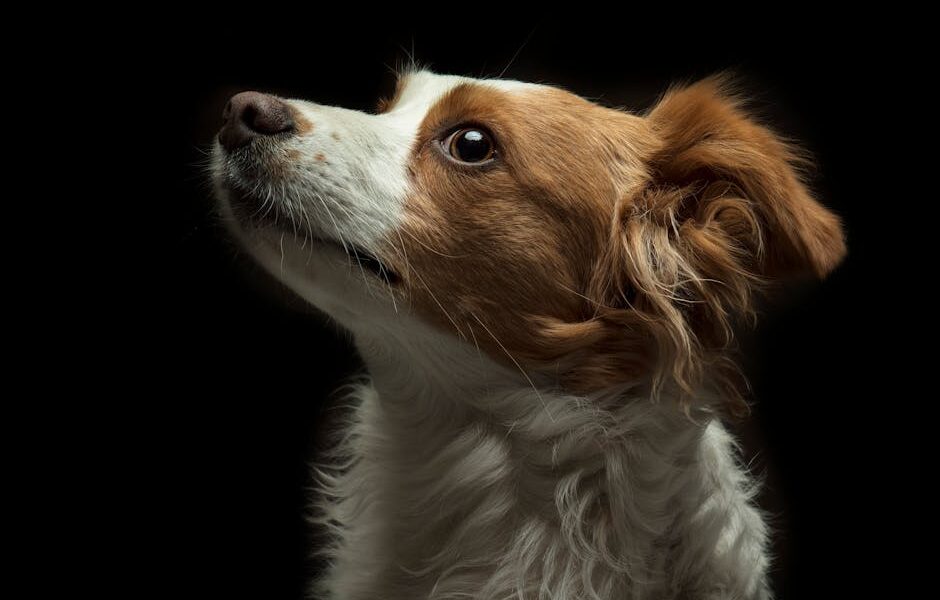
The breed’s defining feature is, of course, its ears. The Papillon ear is large, rounded at the tip, and set on the sides of the head at a roughly 45-degree angle. When erect and fully fringed with long, flowing hair, the ears create an unmistakable butterfly silhouette that is both striking and endearing. The face is refined, with a thin, tapered muzzle, large dark eyes, and a well-defined stop between the skull and muzzle. A symmetrical white blaze running up the center of the face between the ears is considered a hallmark of excellent breed type.
The coat is long, fine, and silky with abundant fringing on the ears, chest, backs of the legs, and tail. Importantly, the Papillon has a single coat with no undercoat, which means it sheds less than many long-haired breeds and is relatively easy to maintain. The base color is always white, with patches of any color — black, red, sable, lemon, and tricolor combinations are all common. The plumed tail arches over the back in an elegant fan.
Temperament and Personality
The Papillon is a paradox in a tiny body — a toy breed with the heart of a sporting dog. Where many toy breeds are content to be carried and cuddled, the Papillon wants to be doing something. It is alert, curious, energetic, and astonishingly quick to learn. In intelligence rankings, the Papillon consistently places among the top ten of all breeds, outperforming many working and herding breeds in tests of problem-solving ability and obedience learning speed.
This intelligence translates into a dog that is exceptionally responsive to training and eager to engage with its owner in structured activities. Papillons excel in competitive agility, where their speed, precision, and enthusiasm make them formidable competitors despite their tiny size. They also thrive in obedience, rally, and trick training — any activity that combines mental stimulation with positive interaction.
The flip side of this intelligence is that a bored Papillon can become a nuisance. Without adequate mental stimulation, the breed may develop problem behaviors including excessive barking, destructive chewing, and creative escape attempts. The Papillon is also a naturally alert dog with good watchdog instincts — it will announce visitors, delivery drivers, and suspicious squirrels with a surprisingly loud bark for its size. Early training to manage vocalization is important for maintaining household harmony.
With its family, the Papillon is affectionate, loyal, and often playful well into old age. It bonds strongly with its primary person but is generally friendly with all household members. The breed can be assertive with larger dogs, sometimes oblivious to its own small size — supervision around much bigger dogs is advisable to prevent accidental injury from rough play.
Exercise and Activity Requirements
For a toy breed, the Papillon has surprisingly robust exercise needs. A minimum of 30 to 45 minutes of daily activity — combining walks, play sessions, and training exercises — is recommended for adult dogs. The Papillon’s energy is genuine and sustained; this is not a dog that tires after a five-minute stroll around the block. Interactive play, agility practice, fetch, and structured training sessions all help channel the breed’s physical and mental energy productively.
Mental stimulation is just as important as physical exercise. Puzzle toys, scent games, and trick training provide the intellectual challenges that this breed craves. A Papillon that receives both physical and mental exercise is a calm, well-mannered companion; one that does not is likely to find its own entertainment in ways that owners will not appreciate.
The Papillon adapts well to various living situations, including apartments, provided its exercise needs are met consistently. Its small size makes indoor play feasible during inclement weather, and many Papillons enjoy indoor agility courses and hide-and-seek games as supplements to outdoor walks. The breed’s enthusiasm for activity makes it a surprisingly good hiking companion on moderate trails, though owners should be mindful of extreme heat or cold given the dog’s small body mass and single coat.
Grooming and Coat Care
Despite its long, flowing coat, the Papillon is easier to groom than many people expect. The single coat — lacking the dense undercoat found in breeds like the Pomeranian or Shetland Sheepdog — does not mat as readily and sheds moderately rather than excessively. Brushing two to three times per week with a slicker brush or pin brush keeps the coat tangle-free and looking its best. Pay particular attention to the fringes behind the ears, on the chest, and on the backs of the legs, where minor tangles can develop if neglected.
Bathing is recommended every three to four weeks, using a gentle dog shampoo that will not strip the coat’s natural oils. The silky texture of the Papillon’s hair tends to repel dirt reasonably well between baths. After bathing, allow the coat to air dry or use a low-heat dryer to avoid damaging the fine hair.
Dental care is particularly important for toy breeds, as they are prone to periodontal disease due to their small jaw structure and crowded teeth. Brushing the teeth daily — or at minimum three to four times per week — with a canine toothpaste is the single most effective preventive measure. Nails should be trimmed every two to three weeks, and ears checked weekly for debris or signs of irritation.
Health and Common Health Issues
The Papillon is a generally healthy breed with an impressive lifespan of 14 to 16 years — some individuals live even longer with excellent care. Its small size and robust constitution contribute to fewer of the joint and weight problems that plague larger breeds. However, several conditions are worth understanding before bringing a Papillon into your home.
Patellar luxation — a condition in which the kneecap slips out of its normal position — is one of the most common orthopedic issues in toy breeds, including the Papillon. Mild cases may cause intermittent limping, while severe cases can require surgical correction. Maintaining a healthy weight and providing appropriate exercise helps manage the condition.
Progressive retinal atrophy (PRA) is an inherited eye condition that causes gradual vision loss. DNA testing is available, and responsible breeders screen their stock before breeding. Annual eye examinations are recommended for all Papillons.
Dental disease is a significant concern, as noted in the grooming section. Regular dental care, professional cleanings as recommended by your veterinarian, and dental-appropriate chew toys all contribute to long-term oral health. Open fontanel — an unclosed soft spot on the skull — can occur in some Papillons and requires careful monitoring in puppyhood, though many close naturally as the dog matures. Hypoglycemia can affect very small puppies and should be managed with frequent, small meals during the first few months of life. For more on small breed health, visit our pet care resources.
Is the Papillon the Right Breed for You?
The Papillon is an outstanding choice for owners who want a small, beautiful dog that is also genuinely intelligent, trainable, and active. This breed thrives with engaged owners who enjoy training, interactive play, and mental stimulation — it is not a passive lap dog that asks only to be held and admired. If you are looking for a tiny dog with big-dog energy and brains, the Papillon may be exactly what you need.
The breed is less well-suited to households with very young children, as its small size makes it vulnerable to accidental injury from rough handling or careless footwork. Families with older, gentle children often find the Papillon to be a delightful companion that eagerly participates in games and activities. The breed’s tendency toward alert barking should be considered by prospective owners in noise-sensitive living situations.
If you value intelligence, elegance, and an enthusiastic willingness to learn in a compact package, the Papillon deserves a place on your shortlist. Explore our dog breed profiles to compare the Papillon with other toy breeds before making your decision.
Frequently Asked Questions About the Papillon
Are Papillons good apartment dogs?
Yes, Papillons adapt very well to apartment living thanks to their small size and clean habits. However, they are active dogs that need daily exercise and mental stimulation — a Papillon in an apartment still requires walks, play sessions, and training activities. Their tendency to bark at sounds and visitors is worth managing proactively through training if you share walls with neighbors.
How smart are Papillons compared to other breeds?
The Papillon ranks among the top eight to ten most intelligent dog breeds overall, and it is the smartest of all toy breeds according to most canine intelligence assessments. It learns new commands quickly, often in fewer than five repetitions, and has an exceptionally high rate of compliance with known commands. This intelligence makes the Papillon a standout performer in agility, obedience, and trick competitions.
Do Papillons shed a lot?
Despite their long coat, Papillons shed less than many people expect. The absence of an undercoat means there is no heavy seasonal shedding period. Regular brushing two to three times per week manages loose hair effectively. The breed is not hypoallergenic, but its moderate shedding level is tolerable for many people who find heavier-shedding breeds problematic.
Can Papillons be left alone during the day?
Papillons form strong bonds with their owners and prefer company, but they can manage moderate periods alone with proper conditioning. Gradual crate training, access to puzzle toys, and adequate exercise before departure help prevent separation anxiety. Four to six hours alone is generally manageable for an adult Papillon; longer periods on a regular basis may lead to stress-related behaviors.
What is the difference between a Papillon and a Phalene?
The Papillon and the Phalene are two ear varieties of the same breed — the continental toy spaniel. The Papillon has large, erect, butterfly-wing ears; the Phalene has fully dropped ears that lie flat against the head. The name Phalene means “moth” in French, contrasting with Papillon’s “butterfly.” In most kennel clubs, both varieties are shown under the Papillon breed standard. Temperament, size, and care requirements are identical between the two.
Adopt a Papillon Through WalkMeHome Rescue
If the Papillon’s intelligence, beauty, and spirited personality appeal to you, consider adopting one through WalkMeHome Rescue. We work with Papillons and Papillon mixes who are looking for active, engaged homes where their remarkable minds and playful natures will be appreciated. Our adoption team matches each dog with the right family based on temperament, energy level, and lifestyle compatibility.
Many rescue Papillons are adults with established personalities, making it easier to find a match that suits your household. Visit our adopt a dog page to see available Papillons and begin the adoption process today.
Looking to adopt a Papillon?
Browse Papillon dogs and mixes available for adoption from shelters and rescues near you.
Find Papillon Dogs for Adoption