Last updated: May 4, 2026
In this article
Few breeds capture the imagination quite like the Persian cat. With a cloud of silky fur, a serene expression, and a temperament to match, the Persian cat has earned its reputation as one of the most beloved companion cats in the world. Whether you are drawn to their striking flat faces, their luxurious coats, or their calm and affectionate nature, Persians bring a quiet elegance to any home. If you have been considering adding one of these gentle souls to your family, this guide covers everything you need to know — from daily grooming routines to common health considerations and what to expect living with a Persian day to day.
| Origin | Iran (ancient Persia), popularised in Europe |
|---|---|
| Size | Medium to large |
| Weight | 7 – 12 lbs (3.2 – 5.4 kg) |
| Lifespan | 12 – 17 years |
| Coat | Long, thick, double-layered; wide colour variety |
| Temperament | Calm, gentle, quiet, affectionate, dignified |
| Good With | Adults, older children, calm dogs, other cats |
Personality & Temperament
The Persian cat is, above all else, a creature of calm. These cats are not the type to sprint across the house at midnight or demand attention with loud, persistent vocalisation. Instead, they move through the world at a gentle pace, offering quiet companionship and an unhurried warmth that many owners find deeply comforting. Persians are devoted to their families without being clingy — they will seek out a favourite lap, settle in beside you on the sofa, and simply be present in the most reassuring way.
Because they are so even-tempered, Persians tend to adapt well to quieter households and to people who appreciate a more relaxed, low-key cat. They are not particularly adventurous or demanding, which makes them an excellent choice for apartment living, seniors, or anyone who wants a companion that does not require constant entertainment. While they enjoy gentle interaction — a slow grooming session, a quiet cuddle, or simply sitting near you while you read — they are also perfectly content spending time alone, provided they feel safe and loved in their environment. Their sweet, dignified nature makes them one of the most consistently affectionate breeds you will find.
Appearance
The Persian cat is instantly recognisable. Their most defining feature is their brachycephalic (flat) face — a broad, round skull, a very short muzzle, and a nose set high between large, expressive round eyes that can appear in shades of deep copper, blue, green, or odd-eyed combinations depending on coat colour. Their overall build is stocky and substantial, with a broad chest, short thick legs, and a relatively short tail that fans out with a plume of long fur.
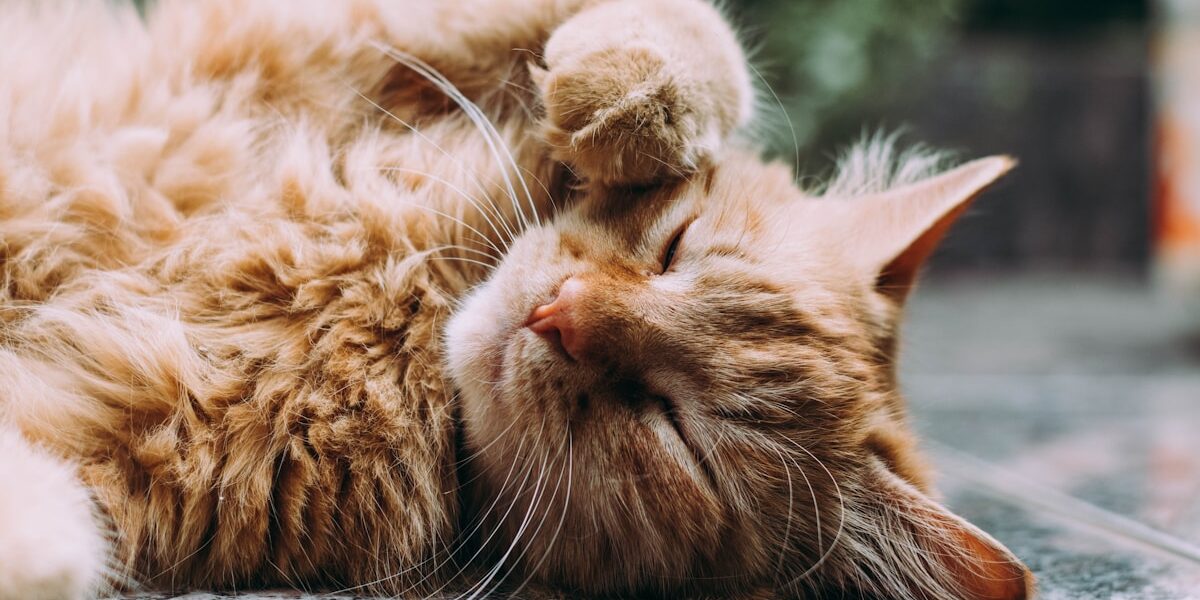
The coat is the Persian’s crowning glory. It is long, dense, and silky in texture, with a full ruff around the neck and a thick undercoat that gives the cat an almost spherical silhouette when well-maintained. Persians come in an extraordinary range of colours and patterns — solid whites, blacks, and blues; tabby and tortoiseshell variations; bi-colours; and the silver and golden shaded varieties among the most prized. Whatever the colour, that flowing coat and those wide, gentle eyes give the Persian an appearance that is simultaneously regal and approachable.
Indoor vs Outdoor
Persians are exclusively indoor cats, and this is not merely a preference — it is a genuine welfare consideration. Their flat faces make it harder for them to regulate body temperature in heat, making outdoor exposure in warm weather a real risk. Their long coats collect burrs, debris, and parasites quickly, and their calm, trusting nature leaves them poorly equipped to navigate the hazards of outdoor life — traffic, other animals, and the general unpredictability of the outside world.
Indoors, a Persian thrives. They are not prone to destructive behaviour when kept inside, and they adapt comfortably to apartment living provided they have comfortable resting spots, safe window perches to observe the world, and regular human interaction. If you want to give your Persian some fresh air, a secure enclosed balcony or a supervised harness walk in a quiet area can offer stimulation without risk.
Grooming Needs
Owning a Persian cat is a genuine commitment to grooming, and prospective owners should go in with clear expectations. That magnificent coat does not maintain itself. Daily brushing is essential to prevent mats and tangles, which can become painful and severe if left unaddressed. A wide-toothed metal comb and a soft slicker brush are the core tools, and a daily five-to-ten-minute session will keep the coat manageable and healthy.
Beyond the coat, Persian cats require regular eye care. Their flat faces cause their tear ducts to drain inadequately, leading to tear staining and the buildup of discharge in the corners of the eyes. Gently wiping the eye area daily with a damp cloth or pet-safe eye wipe will prevent staining and irritation. Bathing a Persian every four to six weeks helps keep the coat clean and reduces oiliness at the skin level — most Persians, when introduced to bathing early, will tolerate it calmly. Regular nail trimming, ear checks, and dental care round out the grooming routine. For more general guidance, visit our cat care blog.
Health & Common Issues
Like all pedigree cats, the Persian cat carries a number of breed-specific health considerations that every owner should be aware of before bringing one home.
Polycystic Kidney Disease (PKD) is the most significant genetic concern for the breed. PKD causes fluid-filled cysts to develop in the kidneys, progressively impairing function over time. Responsible breeders test their cats for the PKD1 gene mutation, so always ask for documentation if adopting from a breeder. Cats from rescues can also be tested.
Brachycephalic Obstructive Airway Syndrome (BOAS) affects many flat-faced cats, causing laboured breathing, snoring, and reduced tolerance for heat and exertion. In more severe cases, surgical intervention may be needed.
Dental overcrowding is common due to the compressed jaw structure — regular dental checks and teeth brushing help prevent periodontal disease. Eye conditions including entropion (eyelid rolling inward) and chronic epiphora (tear overflow) are also prevalent. Choosing a reputable source and scheduling regular veterinary check-ups are the most important steps in keeping a Persian cat healthy long-term.
Are Persian Cats Good With Kids and Dogs?
Persian cats can be wonderful family companions, but they are best suited to households where interactions are gentle and predictable. Older children who understand how to handle a cat respectfully — calmly, without chasing or rough play — will find a Persian to be an affectionate and loyal companion. Very young toddlers, whose interactions tend to be sudden and unpredictable, can stress a Persian, who much prefers a quiet, consistent environment.
With dogs, the outcome depends largely on the individual dog’s temperament. Persians do well with calm, cat-savvy dogs that have been properly introduced and give the cat space to set the terms of the relationship. High-energy breeds that like to chase will not be a good match. With other cats, Persians generally coexist peacefully, particularly with other laid-back breeds. Slow, supervised introductions are always recommended regardless of the other animal involved. The key is maintaining the Persian’s sense of calm and security — when they feel safe, they are remarkably adaptable and loving members of a multi-pet household.
History & Origin
The Persian cat has one of the longest and most storied histories of any domestic breed. Long-haired cats from the region of ancient Persia — modern-day Iran — were first recorded in Europe in the early 1600s, brought back by Italian explorer Pietro della Valle and French scientist Nicolas-Claude Fabri de Peiresc, both of whom encountered these striking longhaired cats during their travels and recognised their exceptional nature.
By the 1800s, the Persian cat had become a firm favourite among European aristocracy and was among the first breeds exhibited at the world’s first major cat show, held at London’s Crystal Palace in 1871. Queen Victoria herself was a noted admirer of the breed. Selective breeding through the 19th and 20th centuries gradually emphasised the flat facial structure, rounder head, and denser coat that define the modern Persian. Today, the breed remains one of the most registered and recognised in the world, maintained by major cat fancier organisations including GCCF, TICA, and CFA. Despite their long pedigree history, Persians are also found in rescues — often surrendered by owners who did not anticipate the grooming demands — and make wonderful second-chance companions.
Frequently Asked Questions
How much grooming does a Persian cat actually need?
A Persian cat requires daily brushing to keep their long coat free from mats and tangles, plus daily eye wiping to manage tear staining. Monthly baths are also recommended to keep the coat clean and healthy. It is a significant time commitment — typically ten to fifteen minutes per day — but many owners find the grooming routine to be a bonding experience they genuinely enjoy.
Do Persian cats shed a lot?
Yes, Persian cats are heavy shedders year-round, with increased shedding during seasonal changes. Regular brushing dramatically reduces the amount of loose fur deposited around the home, but prospective owners should expect some level of cat hair on furniture and clothing. Investing in a good lint roller and washing pet bedding frequently helps manage shedding in the home.
Are Persian cats hypoallergenic?
No. Persian cats are not hypoallergenic and are in fact considered one of the higher-allergen breeds due to their dense coats, which trap the Fel d 1 protein — the primary allergen produced by cats — along with dander. People with cat allergies typically experience more significant reactions around Persians. If allergies are a concern, spending time with the breed before adopting is strongly advisable.
Can a Persian cat be left alone during the day?
Persian cats are more independent than many other breeds and generally handle being left alone during standard working hours reasonably well, provided they have comfortable resting spots, enrichment, and a consistent routine. That said, they do bond closely with their people and appreciate company. If you are away from home for long stretches regularly, adopting a second calm cat as a companion can help a Persian feel less isolated.
Adopt a Persian Cat
If you have read this far and feel that a Persian cat might be the right companion for your home, adoption is a wonderful place to start. Persians do find their way into rescues and shelters — sometimes surrendered due to grooming demands, life changes, or financial pressures — and these cats are every bit as loving and deserving of a good home as any kitten from a breeder. Giving a rescue Persian a second chance is one of the most rewarding things a cat lover can do.
Browse our current listings and connect with rescue organisations through our adopt a cat page. You may find a Persian waiting for exactly the quiet, caring home you have to offer.
Looking to adopt a Persian Cat?
Browse Persian Cat cats and mixes available for adoption from shelters and rescues near you.
Find Persian Cat Cats for Adoption