
Last updated: April 27, 2026
In this article
Pomeranian Breed Profile
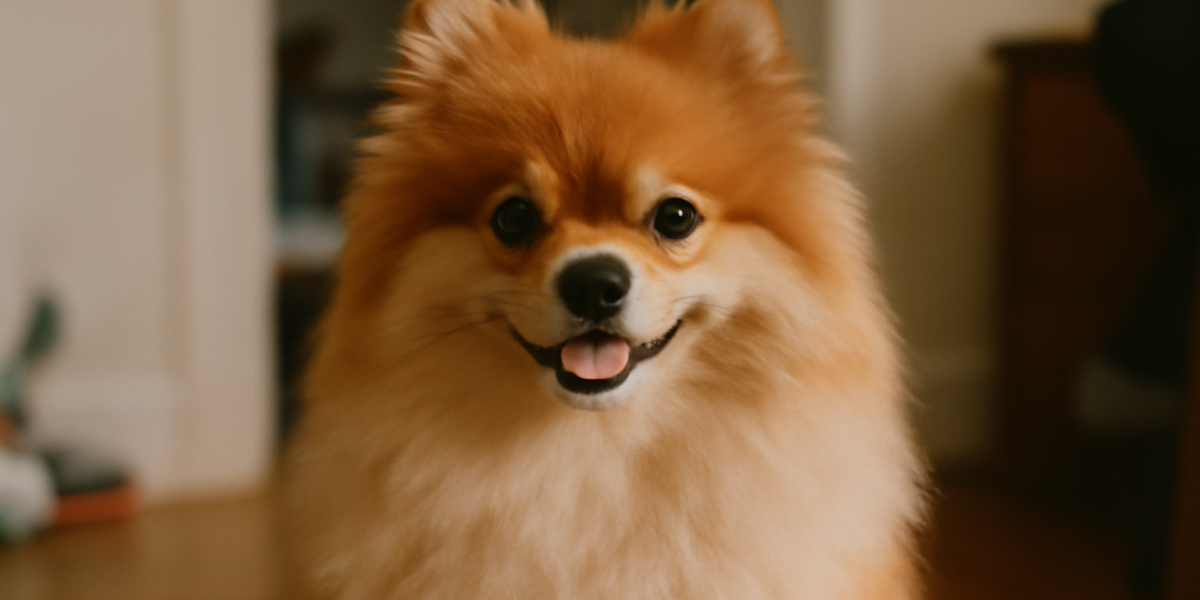
The Pomeranian is one of the most recognizable toy breeds in the world, instantly identified by its brilliant puffed coat, foxlike face, and animated personality. What surprises most people who meet one for the first time is how much confidence and character lives inside such a compact body. Pomeranians typically weigh between three and seven pounds, yet they carry themselves with the bearing of a much larger dog — curious, alert, and utterly unaware of their own small stature. They are spirited companions that form strong bonds with their families and bring an enormous amount of energy and entertainment into daily life. Their striking appearance and vivid personality have made them favorites of royalty, celebrities, and everyday dog lovers alike for well over a century. If you are considering welcoming a Pomeranian into your home, this profile covers everything you need to know — from temperament and grooming to health and training — so you can make an informed and confident decision.
Quick Facts
| Attribute | Details |
|---|---|
| Breed Group | Toy |
| Size | Toy |
| Weight | 3–7 lbs (1.4–3.2 kg) |
| Height | 6–7 inches at the shoulder |
| Lifespan | 12–16 years |
| Coat | Dense double coat — soft undercoat, harsh outer coat |
| Common Colors | Orange, red, cream, sable, black, blue, white, parti-color |
| Shedding Level | Moderate to High |
| Energy Level | High |
| Good With Kids | Older children recommended |
| Good With Other Pets | Generally Yes, with proper introduction |
| Trainability | High, but can be stubborn |
| Hypoallergenic | No |
Personality and Temperament
The Pomeranian is the definition of a big dog in a small body. Bold, lively, and brimming with self-assurance, this breed approaches the world with a confidence that often startles people who expect a timid lapdog. Pomeranians are intensely curious, always eager to investigate their surroundings, and highly alert to anything happening in or around their home. They make surprisingly effective watchdogs — quick to bark when something catches their attention and thoroughly invested in keeping their family informed.
Despite their independent streak, Pomeranians are deeply affectionate with the people they love. They thrive on attention and closeness, often shadowing their owners from room to room and inserting themselves into whatever activity is happening. They enjoy being the center of attention and have a natural flair for performing — many Pomeranians learn tricks enthusiastically because they relish the engagement and the praise.
They can be wary of strangers initially, but warm up quickly once they feel comfortable. Early socialization helps develop a well-rounded temperament and prevents the excessive wariness or yappiness that poorly socialized Pomeranians can sometimes display. With the right foundation, a Pomeranian is a joyful, spirited companion that brings life to any household.
Appearance
The Pomeranian’s most defining feature is its spectacular double coat. A dense, soft undercoat supports a long, harsh outer coat that stands away from the body, creating the full, cloud-like silhouette the breed is known for. The coat forms a pronounced frill around the neck and chest, which frames the face beautifully and adds to the breed’s regal impression. The tail is equally dramatic — heavily plumed and carried flat over the back, it fans out in a full arc of flowing fur.
The face is distinctly foxlike, with a fine, wedge-shaped muzzle, small erect ears set high on the skull, and bright, almond-shaped eyes that radiate intelligence and alertness. The overall expression is lively and attentive. The body beneath all that coat is compact and well-balanced, with a short back, well-sprung ribs, and a proud, upright carriage.
Pomeranians come in the widest range of coat colors of almost any breed, including orange, red, cream, sable, black, chocolate, blue, white, and various parti-color patterns. Despite their glamorous exterior, they are sturdy little dogs built for activity.
Exercise Needs
Despite their small size, Pomeranians have a surprisingly high energy level and genuinely enjoy physical activity. Two short walks per day, each lasting around fifteen to twenty minutes, combined with interactive indoor play sessions, are generally enough to meet their daily exercise requirements. They are agile and quick, and many Pomeranians participate enthusiastically in dog sports such as agility and rally obedience, where their intelligence and nimbleness give them a natural advantage.
Because of their small frame and delicate bones, Pomeranians should not be pushed into high-impact activities such as jumping from significant heights or running long distances on hard surfaces. Rough play with much larger dogs should also be supervised carefully, as size differences can lead to accidental injury.
Mental stimulation is just as important as physical exercise for this breed. Puzzle feeders, training games, and interactive toys can help channel their sharp minds and prevent boredom-related behaviors like excessive barking or destructive chewing. A well-exercised Pomeranian is a calmer, more content companion. For broader guidance on keeping your dog active and healthy, visit our dog care blog.
Grooming Needs
The Pomeranian’s magnificent double coat requires consistent grooming to keep it healthy, tangle-free, and looking its best. Brushing should be done at least three to four times per week, using a pin brush and a slicker brush to work through both the outer coat and the dense undercoat. Daily brushing is ideal during heavy shedding periods. Mats and tangles form most commonly behind the ears, in the armpits, and around the collar area, so these spots need particular attention.
Pomeranians experience a seasonal coat blow — a period of heavy shedding, typically twice a year, during which the undercoat sheds out in large amounts. During this time, daily brushing and more frequent baths can help manage the volume of loose fur and speed along the process. A high-velocity dryer used after bathing helps separate and remove the loosened undercoat efficiently.
Beyond coat care, ears should be checked weekly and cleaned as needed. Nails grow quickly in toy breeds and should be trimmed every two to three weeks. Dental hygiene is especially important for Pomeranians, as toy breeds are prone to tartar buildup and periodontal disease. Daily teeth brushing is strongly recommended. Professional grooming every six to eight weeks can help maintain coat shape and overall cleanliness.
Health and Common Issues
The Pomeranian is generally a healthy and long-lived breed, but like all purebreds, they are predisposed to certain conditions that prospective owners should understand. Luxating patella — a condition in which the kneecap slips out of its normal position — is one of the most commonly seen orthopedic issues in toy breeds, including the Pomeranian. Mild cases may require only monitoring, while more severe cases can necessitate surgical correction.
Tracheal collapse is another condition seen with some regularity in the breed. The cartilage rings of the trachea can weaken over time, causing a chronic honking cough and varying degrees of respiratory difficulty. Using a harness rather than a collar helps reduce pressure on the neck and is widely recommended for Pomeranians.
Alopecia X, sometimes called black skin disease, is a poorly understood hormonal skin condition that causes progressive hair loss, most commonly in male Pomeranians. The affected areas of skin gradually darken, and the hair does not regrow without treatment. Dental disease, hypothyroidism, and early-onset cataracts are also noted health concerns. Regular veterinary checkups and a trusted relationship with a knowledgeable vet are essential for proactive care throughout this breed’s long life.
Are Pomeranians Good With Kids and Other Pets?
Pomeranians can be wonderful family companions, but they are best suited to households with older, gentle children who understand how to handle small dogs safely. Their compact size makes them physically vulnerable to accidental injury from rough handling, and they will not always back down from confrontation — a bold Pomeranian may snap if it feels overwhelmed or mishandled, even by a well-meaning child. Interactions between young children and Pomeranians should always be supervised.
With older children who are calm and respectful, a Pomeranian can be a lively and devoted playmate. They tend to enjoy gentle interactive games and will often seek out the company of children who engage with them on their own terms.
With other pets, Pomeranians generally do well when properly introduced, particularly with dogs of similar or smaller size. They can sometimes display boldness toward much larger dogs, which requires careful management. Cats and other small animals can coexist peacefully with a Pomeranian when introductions are gradual and positive. Early socialization significantly improves the likelihood of harmonious multi-pet living.
Training Tips
Pomeranians are highly intelligent dogs that pick up new concepts quickly. They genuinely enjoy learning and respond exceptionally well to positive reinforcement — treats, enthusiastic praise, and short play sessions as rewards all work effectively with this breed. Their eagerness to please in the right moment can make training sessions both productive and entertaining.
The challenge with Pomeranians lies in their stubborn streak. When they decide they are not interested in cooperating, they can be remarkably resistant. Keeping training sessions brief — five to ten minutes at most — and ending on a positive note helps maintain their engagement and enthusiasm. Variety and novelty prevent boredom and keep a Pomeranian’s sharp mind invested in the process.
Housetraining is often one of the greater challenges with this breed. Toy dogs have small bladders and higher metabolisms, which means more frequent bathroom breaks are needed, especially in puppyhood. Consistency, a strict schedule, and crate training used positively can make a significant difference. Avoid punishing accidents after the fact — the association will not be made, and it can damage the trust you are working to build. Barking is another behavior to address early, as Pomeranians have a strong vocal instinct that can become a habit if left unchecked.
History and Origin
The Pomeranian takes its name from Pomerania, a historical region along the southern coast of the Baltic Sea that spans parts of present-day Germany and Poland. The breed is a member of the spitz family — a group of Nordic working dogs characterized by their dense coats, pointed ears, and bushy, curled tails. The ancestors of the modern Pomeranian were significantly larger dogs used for herding and sledding in arctic climates.
The breed was progressively bred down in size over centuries, but it was the patronage of Queen Victoria of England that truly transformed the Pomeranian’s profile and popularity. After the Queen acquired a small Pomeranian while visiting Florence, Italy, in 1888, she became a devoted enthusiast of the breed and began selectively breeding for smaller specimens. Her influence on the dog fancy was enormous, and the Pomeranian’s size dropped dramatically during the Victorian era as breeders followed her lead.
The American Kennel Club officially recognized the Pomeranian in 1888, and the breed has been a consistent presence in the AKC’s most popular breeds list ever since. Today the Pomeranian is cherished worldwide as a companion dog — a glamorous, spirited descendant of powerful working dogs that has found its most enduring role as a beloved family pet.
Frequently Asked Questions About Pomeranians
Do Pomeranians bark a lot?
Pomeranians are naturally vocal dogs with a strong instinct to alert their owners to anything they perceive as noteworthy — visitors at the door, sounds outside, unfamiliar animals, or changes in their environment. Without early training, this tendency can escalate into persistent barking that becomes difficult to manage. Teaching a reliable quiet command from a young age and avoiding inadvertently rewarding barking with attention are the most effective strategies for keeping this behavior in check.
How long do Pomeranians live?
Pomeranians are a long-lived breed with an average lifespan of twelve to sixteen years. Many Pomeranians remain active and healthy well into their early to mid-teens with proper nutrition, regular veterinary care, appropriate exercise, and attentive grooming. Their longevity is one of the appealing qualities of the breed for families looking for a companion that will be part of their lives for many years.
Can Pomeranians be left alone during the day?
Pomeranians form strong attachments to their owners and do not always tolerate extended periods of solitude well. While they are more independent than some toy breeds, long hours alone can lead to boredom, separation anxiety, and excessive barking. If you work away from home for extended periods, arranging for a dog walker, pet sitter, or a canine companion can help meet their social and physical needs while you are away.
Are Pomeranians good apartment dogs?
Yes, Pomeranians can thrive in apartment settings. Their small size and relatively moderate exercise requirements make them physically well-suited to smaller living spaces. However, their tendency to bark should be considered in buildings with close neighbors. With consistent training, sufficient daily activity, and plenty of mental engagement, a Pomeranian can be a very content and manageable apartment companion.
Adopt a Pomeranian
If the Pomeranian sounds like the right match for your home and lifestyle, adoption is a meaningful way to give one of these vibrant little dogs a second chance at a loving life. Pomeranians do enter rescue — sometimes through no fault of their own — and many are waiting for families who appreciate their bold personalities and are prepared to meet their grooming and training needs. At Walk Me Home Rescue, we work to match every dog with the household best suited to their individual temperament and needs.
Visit our adopt a dog page to browse currently available dogs and learn more about our adoption process. You are also welcome to explore our dog care blog for practical guidance on preparing your home, building a routine, and giving your new companion the best possible start.


