
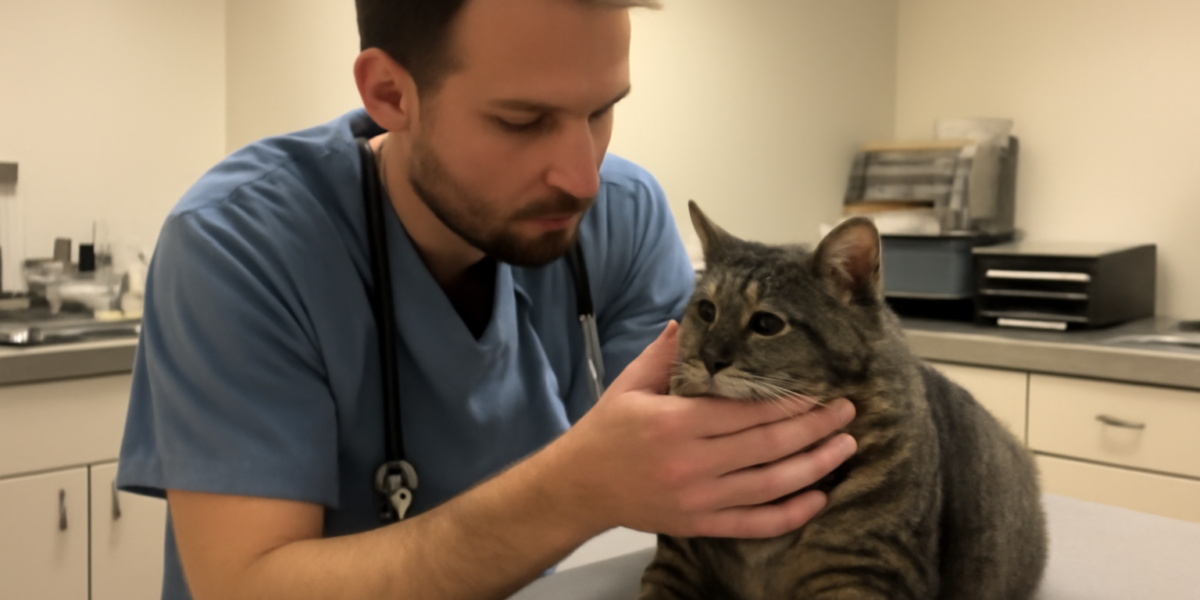
What ProZinc Is and How It Works
ProZinc is a long-acting injectable insulin specifically labeled for diabetic cats in the United States. The active ingredient is protamine zinc recombinant human insulin, which combines the insulin molecule with protamine and zinc to slow its release from the injection site. That delayed-release profile is what gives ProZinc its longer duration of action compared with regular insulin, making it well-suited to twice-daily dosing in many cats.
In this article
- What ProZinc Is and How It Works
- U-40 Concentration and Why Syringes Matter
- How ProZinc Is Dosed in Cats
- Storage, Handling, and Drawing the Dose
- Giving the Injection at Home
- Monitoring Blood Glucose
- Hypoglycemia: The Most Serious Risk
- Side Effects and Long-Term Considerations
- When to Call Your Veterinarian
- Frequently Asked Questions
Diabetes mellitus in cats is most commonly type 2, which means the pancreas still produces some insulin but the body’s tissues respond poorly to it. Without supplemental insulin, blood glucose stays high, the cat loses weight despite a ravenous appetite, drinks and urinates excessively, and can ultimately develop life-threatening complications. ProZinc steps in as the missing signal, allowing glucose to move from the bloodstream into cells where it can be used for energy.
If you are new to feline diabetes, it helps to understand the bigger picture before focusing on any one drug. Our overview of diabetes mellitus in cats walks through diet, monitoring, and the goal of remission, while our guide to continuous glucose monitors for diabetic cats explains how modern sensors are changing daily management. For dogs facing the parallel disease, our diabetic ketoacidosis in dogs guide covers the most dangerous complication of poorly controlled diabetes.
U-40 Concentration and Why Syringes Matter
Here is the single most important practical detail about ProZinc for cats: it is a U-40 insulin, meaning each milliliter contains 40 international units. Most human insulins and many veterinary insulins are U-100, with 100 units per milliliter. The two concentrations are not interchangeable and cannot be measured with the same syringes.
If you accidentally draw ProZinc into a U-100 syringe and dose your cat by the unit markings, you will give roughly 2.5 times the intended dose. That kind of overdose can cause severe hypoglycemia within hours and is one of the most common preventable insulin emergencies veterinarians see in cats. Always use U-40 syringes with ProZinc, and double-check the box and the syringe wrapper every single time you refill.
Your veterinary team should send you home with the right syringes, but pharmacies sometimes substitute. If a refill looks different from what you used last time, stop and call the clinic before injecting. The syringe is a more common point of error than the insulin itself.
How ProZinc Is Dosed in Cats
Veterinarians typically start ProZinc at a low dose, often around 1 to 2 units per cat twice daily, and adjust based on a glucose curve performed at the clinic or at home. Dosing is per cat rather than strictly by body weight because feline insulin needs vary so much with diet, activity, body condition, and underlying disease.
The standard schedule is twice-daily dosing, given roughly twelve hours apart and ideally paired with meals. Many cats stay on a low-carbohydrate canned diet that further reduces insulin demand. Some cats end up on once-daily dosing, but this is the exception rather than the rule, and your vet will determine the schedule based on your cat’s glucose curve.
Never adjust the dose on your own based on a single glucose reading. Cats can have wide swings, and an isolated high or low value does not justify a permanent change. Bring the numbers to your vet, who can interpret them in context and make conservative adjustments.
Storage, Handling, and Drawing the Dose
ProZinc must be refrigerated at all times, both before and after the bottle is opened. Heat damages insulin proteins and can quietly reduce potency over weeks. Keep the vial in the main body of the fridge, not in the door where temperatures fluctuate, and never freeze it.
Before drawing each dose, gently roll or invert the vial several times to resuspend the protamine zinc particles. Never shake it vigorously, which can damage the insulin and create foam that interferes with accurate measurement. The liquid should look uniformly cloudy after mixing.
Inspect the vial for clumps, discoloration, or particles that do not redisperse with gentle inversion. If anything looks off, set it aside and use a fresh bottle. Most opened ProZinc vials are stable for the duration of normal home use, but always follow the labeling and your vet’s guidance on when to discard.
Giving the Injection at Home
ProZinc is injected just under the skin, usually along the side of the body or over the shoulder area, rotating sites to avoid scar buildup. The needles are very small, and most cats tolerate injections well, especially when the routine is paired with a favorite food or quiet location.
Pinch a fold of skin, slide the needle in at a shallow angle, and depress the plunger smoothly. Withdraw the needle and reward your cat with affection or a treat. If you see the dose drip back out, do not redose blindly — that risks doubling up. Note what happened and call your vet for guidance.
Build a calm ritual around dosing. Cats thrive on predictability, and a relaxed cat is a cooperative cat. Some owners find that giving the injection while their cat eats works beautifully, since the food provides distraction and pairs the dose with a positive experience.
Monitoring Blood Glucose
Tracking how ProZinc is actually working is just as important as giving the dose. The traditional method is a blood glucose curve, which involves measuring glucose every two hours over a twelve-hour period to map the peak effect and the lowest point. Curves can be done at the clinic or at home with a pet-validated glucometer.
Many cat owners now use continuous glucose monitors, small wearable sensors that report glucose every few minutes for up to two weeks. These devices have transformed feline diabetes management by removing the need for repeated ear or paw pricks and by revealing patterns that spot checks miss entirely.
Your vet may also order periodic fructosamine levels, a blood test that reflects average glucose over the previous one to two weeks. Fructosamine is helpful when stress hyperglycemia at the clinic makes spot checks unreliable. The combination of curves, fructosamine, and clinical signs gives the most complete picture.
Hypoglycemia: The Most Serious Risk
Low blood sugar is the most dangerous side effect of any insulin, including ProZinc. Signs in cats can include weakness, wobbliness, disorientation, drooling, twitching, and in severe cases seizures or collapse. Hypoglycemia can develop if a dose is doubled, if a meal is skipped, if the cat goes into diabetic remission, or if another illness changes insulin needs suddenly.
Every cat owner using insulin should keep corn syrup or honey on hand. If you suspect hypoglycemia and your cat is conscious, rub a small amount on the gums and head straight to the nearest emergency vet. Do not try to feed a cat that cannot swallow safely, and never delay professional care while waiting to see if symptoms resolve.
Tell your veterinarian immediately if your cat ever has a hypoglycemic episode. The next dose may need to be reduced, skipped, or rechecked. Do not assume the previous schedule is still safe.
Side Effects and Long-Term Considerations
Beyond hypoglycemia, side effects of ProZinc are usually mild. A small percentage of cats develop reactions at the injection site, such as redness or temporary discomfort, which usually resolves with site rotation. Insulin antibodies are uncommon with the human-recombinant formulation in ProZinc.
Some cats achieve diabetic remission with good early control, especially when started promptly on insulin and a low-carbohydrate diet. Remission means the cat may eventually need a lower dose or even no insulin at all, though many will relapse later in life. Frequent monitoring is essential during the first few months because insulin needs can fall sharply as the pancreas recovers.
Concurrent illnesses such as dental disease, urinary tract infections, pancreatitis, or hyperthyroidism can throw off glucose control. If your cat suddenly needs more or less insulin without an obvious reason, your vet will look for one of these underlying problems before adjusting the dose long term.
When to Call Your Veterinarian
Call your vet promptly if your cat vomits and refuses food, becomes lethargic or wobbly, drinks and urinates dramatically more or less than usual, develops a sweet-smelling breath, or shows any sign of distress. Diabetic ketoacidosis is a true emergency, and recognizing the warning signs early can prevent a hospital stay or worse.
Routine rechecks every three to six months are standard for stable diabetic cats. Bring a written log of doses, meals, glucose readings, water intake, and weight. Patterns over time matter more than any single number, and your vet can spot drift before it becomes a crisis.
Never start, stop, or change ProZinc doses without veterinary guidance. Insulin therapy is a partnership between you and your veterinary team, and the safest approach is to communicate early and often.
Frequently Asked Questions
How fast does ProZinc start working in cats?
ProZinc begins lowering blood glucose within a few hours of injection, with peak activity typically several hours after dosing and a duration that supports twice-daily administration in most cats. Your vet will confirm the actual timing with a glucose curve.
Can I use a U-100 syringe with ProZinc if my pharmacy is out of U-40?
No. Using a U-100 syringe with U-40 ProZinc dramatically miscalculates the dose and can cause life-threatening hypoglycemia. Call your vet or another pharmacy before giving any dose with the wrong syringe.
What if I miss a dose of ProZinc?
If you remember within an hour or two and your cat has eaten normally, give the dose. If many hours have passed, skip it and resume the next scheduled dose rather than doubling up. Always confirm with your veterinarian if you are unsure.
Can ProZinc be combined with oral medications like glipizide?
Combining insulin with oral hypoglycemics is not standard practice in cats. Most diabetic cats do better on insulin alone with a low-carbohydrate diet. Discuss any combination therapy with your veterinarian before adding medications.
How long can my cat stay on ProZinc?
Many cats use ProZinc for years. Some go into remission and can be weaned off insulin with veterinary guidance, while others remain on it lifelong. Regular monitoring keeps the dose right as your cat ages and circumstances change.
Is ProZinc safe for cats with kidney disease?
ProZinc can be used in cats with concurrent kidney disease, but insulin needs may shift as kidney function changes. Your vet will tailor monitoring and dose adjustments to your cat’s overall health picture.


