
Last updated: April 27, 2026
In this article
Puli Dog Breed Profile
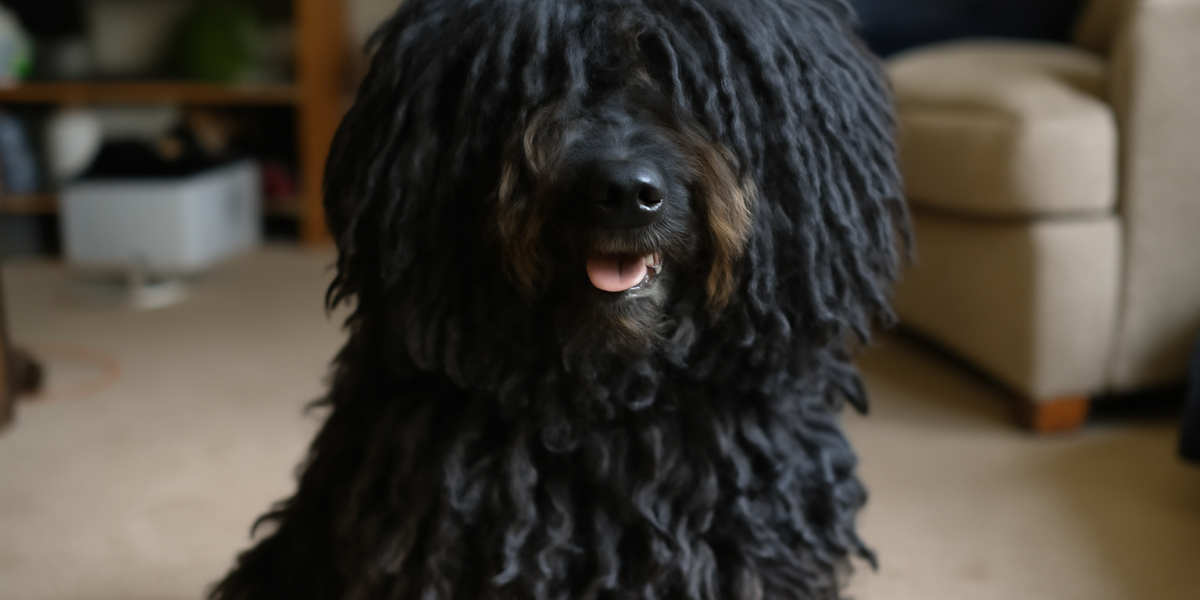
The Puli dog is one of the most visually striking breeds in the world. Often called the “mop dog,” the Puli is instantly recognizable thanks to its extraordinary corded coat — a dense mass of natural dreadlocks that covers the entire body from head to tail. But beneath that dramatic exterior lives an alert, energetic, and deeply loyal companion with centuries of working dog heritage behind it. The Puli was bred to herd and guard livestock across the vast plains of Hungary, and that tenacity and intelligence are very much alive in the modern breed. If you are searching for a unique, active, and devoted dog, the puli dog deserves a serious look — though it comes with grooming demands unlike almost any other breed on earth.
Puli Quick Facts
| Attribute | Details |
|---|---|
| Breed Group | Herding |
| Height | 16–17 inches (males); 14–16 inches (females) |
| Weight | 25–35 pounds |
| Lifespan | 10–15 years |
| Coat Type | Corded double coat (natural dreadlocks) |
| Common Colors | Black, gray, white, cream |
| Shedding | Low (coat cords rather than sheds freely) |
| Energy Level | High |
| Good with Kids | Yes, with socialization |
| Good with Other Pets | Generally yes, with early introduction |
| Origin | Hungary |
| AKC Recognition | Yes (Herding Group) |
Personality
The Puli dog is a study in contrasts: compact in size but enormous in presence, gentle with family yet fiercely alert to strangers, playful yet purposeful. Pulik (the correct plural) were bred for centuries to work independently on the Hungarian plains, making decisions without constant human supervision. That heritage produces a dog that is highly intelligent but also notably stubborn. A Puli does not simply obey — it evaluates your request and decides whether it agrees.
Loyalty is perhaps the defining trait of the breed. The Puli bonds deeply with its family and tends to be somewhat reserved or suspicious around strangers, making it a natural watchdog. They are vocal dogs and will bark to alert you to anything unusual — sometimes enthusiastically so. Their herding instinct remains strong, and you may find your Puli attempting to herd children, other pets, or even adults by nudging, circling, or nipping at heels. This behavior can be managed with training but rarely disappears entirely. Despite the independent streak, Pulik crave human companionship and do not thrive when left alone for long periods. They are agile, quick, and love to run, jump, and play.
Appearance
The most arresting feature of the puli dog is, without question, its coat. The dense double coat begins to form natural cords as the dog matures, eventually covering the entire body in long, rope-like dreadlocks that can reach the ground in adult dogs. Far from being merely decorative, the corded coat historically served as protection against both harsh weather and the bites of predators in the field.
Beneath the cords, the Puli is a medium-sized, muscular, and square-proportioned dog built for agility and endurance. Males typically stand 16 to 17 inches at the shoulder and weigh between 25 and 35 pounds. The breed’s movement is light, springy, and almost bouncy — reflecting its athletic ability. Black is by far the most common and widely recognized color, though Pulik also appear in gray, white, and cream. The face is largely obscured by cords that hang over the eyes, but the expression beneath is sharp and alert.
Exercise
Despite its medium size, the Puli dog is a high-energy breed that requires consistent daily exercise. These dogs were built to work all day in the fields, and a short walk around the block will not satisfy them. Most Pulik need at least 60 minutes of vigorous activity per day. This can take the form of off-leash play in a securely fenced yard, hiking, fetch, or canine sports such as agility, obedience, or herding trials — activities where the breed genuinely excels.
Mental stimulation is equally important. A bored Puli is a destructive Puli. Puzzle toys, training sessions, and interactive games help channel their intelligence productively. Because of their herding instinct and prey drive, Pulik should always be exercised in secure areas or on a leash. They are remarkably agile and can change direction and speed with startling quickness. Owners who enjoy an active lifestyle — running, hiking, or dog sports — will find the Puli an enthusiastic and tireless partner.
Grooming
Grooming a puli dog is unlike grooming any other breed. The corded coat must never be brushed — doing so would destroy the natural cording process and damage the coat permanently. Instead, the cords form on their own as the puppy coat transitions to the adult double coat, typically beginning around nine months to two years of age. The owner’s job during this period is to separate the cords by hand as they form, preventing large mats from developing and ensuring each cord is distinct and well-shaped. This hand-separation process must be done regularly — sometimes weekly — during cord formation.
Once the cords are established, the grooming challenge shifts to bathing. Thoroughly wetting all those dense cords requires patience and effort. Rinsing out shampoo completely is even more demanding. After a bath, drying a fully corded Puli can take anywhere from several hours to an entire day, even with the help of a high-velocity dryer. Allowing cords to remain damp can lead to mildew and skin problems. Some owners opt to keep their Puli in a shorter trim, which dramatically reduces grooming time, though it eliminates the breed’s signature look.
Health
The Puli dog is generally a healthy and long-lived breed, with a typical lifespan of 10 to 15 years. Responsible breeders screen for several hereditary conditions that can affect the breed. Hip dysplasia, an abnormal formation of the hip socket that can lead to arthritis and pain, is a concern and dogs should be tested before breeding. Progressive Retinal Atrophy (PRA), a degenerative eye condition that can eventually lead to blindness, has been identified in the breed, so eye clearances are important. Hereditary deafness has also been documented in some lines, particularly in white Pulik.
Keeping a Puli at a healthy weight is important, as obesity can exacerbate joint issues. Regular veterinary checkups, up-to-date vaccinations, dental care, and parasite prevention are all standard components of responsible ownership. Because the thick cords can trap moisture and debris, owners should also monitor for skin infections beneath the coat. Overall, the puli dog tends to be a robust and resilient breed when bred responsibly and given proper care.
Puli Dogs with Kids and Other Pets
The Puli’s natural loyalty and playfulness make it a good companion for children, particularly in families where the dog has been raised alongside kids from puppyhood. Pulik often enjoy the energy and activity that children bring, and their sturdy build means they can handle lively play. However, the breed’s strong herding instinct means it may attempt to herd young children — circling them, nudging them, or nipping at their heels. Teaching children how to interact respectfully with the dog, and training the Puli to redirect its herding impulses, helps the relationship thrive.
With other dogs, Pulik can coexist peacefully when properly socialized from an early age. They may display some assertiveness or territorial behavior, particularly with dogs of the same sex, but well-socialized Pulik generally get along fine in multi-dog households. Cats and small animals present more of a challenge due to the prey drive and herding instinct; careful, supervised introductions and early socialization give the best chance of success. A Puli that grows up alongside cats is far more likely to accept them than one introduced to cats as an adult.
Training
Training a puli dog requires patience, consistency, and a sense of humor. These dogs are highly intelligent and learn quickly — the challenge is not their capacity but their willingness. The Puli’s centuries of independent work mean it is perfectly accustomed to making its own decisions, and it will not blindly follow commands it finds pointless or repetitive. Harsh, repetitive, or punishment-based training methods are particularly ineffective and can cause a Puli to shut down or become stubborn.
Positive reinforcement — rewarding desired behaviors with treats, praise, or play — is the most effective approach. Training sessions should be kept short, varied, and engaging to hold the Puli’s attention. Early socialization is essential: exposing puppies to a wide range of people, animals, sounds, and environments helps prevent the breed’s natural wariness from developing into anxiety or aggression. Enrolling in a puppy class and continuing into basic obedience provides a strong foundation. Pulik can excel in advanced canine sports such as agility and herding, which give them both mental engagement and an appropriate outlet for their instincts.
History
The puli dog has a history stretching back more than 1,000 years, originating in Hungary where it was bred by the Magyar people as a herding and livestock-guarding dog. Working alongside the larger Komondor — which guarded the flock at night — the agile Puli managed the movement of sheep during the day, often working at such close quarters with the flock that its corded coat helped it blend in among the sheep. The breed nearly disappeared during World War II but was revived through dedicated breeding efforts.
The Puli was officially recognized by the American Kennel Club in 1936. Outside Hungary, the breed has remained relatively rare, appreciated by devoted enthusiasts but never achieving mainstream popularity. That changed briefly in 2011 when Facebook founder Mark Zuckerberg introduced the world to his Puli named Beast, generating enormous global interest in the breed. Today, the Puli remains a working herding dog in Hungary and a cherished companion around the world, celebrated for its unique appearance and spirited personality.
Frequently Asked Questions About the Puli Dog
Is the Puli dog hypoallergenic?
No dog is truly hypoallergenic, but the Puli is sometimes considered more suitable for allergy sufferers because its corded coat traps loose hair and dander rather than releasing it freely into the environment. However, individual reactions vary, and anyone with dog allergies should spend time with a Puli before committing to ownership.
How long does it take for a Puli’s coat to fully cord?
The corded coat typically begins forming when the puppy coat starts to transition to the adult double coat, usually around nine months to one year of age. The full cord formation process — with cords reaching significant length — generally takes two to four years. During this period, regular hand-separation is essential to ensure the cords form correctly rather than matting together.
Do Puli dogs smell bad because of their cords?
A well-maintained Puli does not smell any worse than other dogs. The concern is that cords that are not dried thoroughly after bathing can develop a mildew odor. Proper bathing technique and ensuring cords are completely dry after every bath — which can take many hours — prevents this problem. Regular cord separation also allows air to circulate to the skin.
How much does a Puli dog bark?
Pulik are vocal dogs. Their history as alert working dogs means they are quick to announce strangers, unusual sounds, or anything they consider noteworthy. They can become nuisance barkers if not given sufficient exercise and mental stimulation, or if their herding instincts go unaddressed. Consistent training and providing appropriate outlets for their energy helps manage excessive barking.
Adopt a Puli Dog
If the spirited, loyal, and wonderfully unique puli dog sounds like the right match for your home, please consider adoption before purchasing from a breeder. Pulik occasionally appear in shelters and breed-specific rescues, and there are dogs of every age — including adults whose cords are already formed and whose personalities are fully established — waiting for loving families. Adopting a rescue dog changes a life, and the right match can be found with patience and an open heart.
Browse our current adoptable dogs and start your adoption journey today. Visit our adoption page to see available dogs, learn about our adoption process, and take the first step toward welcoming a rescue into your home.


