Last updated: May 4, 2026
In this article
Overview
This sarplaninac breed profile is for the reader who has come across one of the rarest livestock guardians in North America and is wondering whether the Yugoslav Mountain Dog could fit a non-farm home. The honest answer is rarely. The Sarplaninac (sometimes spelled Šarplaninac, also called the Illyrian Sheepdog or Yugoslavian Shepherd) is named for the Šar Mountains of southern Kosovo and northern Macedonia, and the breed has guarded sheep flocks across that range for centuries. The Sarplaninac is widely considered one of the most powerful, most independent, and least pet-suitable of all working LGDs.
The breed is genuinely uncommon outside the Balkans and is rare in North American rescue. When Sarplaninacs do appear here, they typically come through working-farm channels, breed enthusiasts, or large-breed rescues that took in a dog that landed somewhere unexpected. The temperament has been preserved largely intact because the breed has never been refined for show or pet life — it has been kept as a working dog by Balkan shepherds who depend on it.
Quick facts: Group: livestock guardian (working). Origin: Šar Mountains, southern Kosovo and northern Macedonia (former Yugoslavia). Size: giant, typically 22–24 inches and 65–100 pounds (compact giant). Coat: medium-long double coat, dark gray, iron gray, sable, or fawn, often with darker mask and tips. Energy: moderate, with calm working baseline. Lifespan: large-breed range. Grooming: weekly brushing, seasonal heavy shed. Best for: working farms with predator pressure, very experienced LGD owners.
History and Origin
The Sarplaninac descends from ancient mountain guardian dogs of the Balkans, with origins likely tied to the molosser-type dogs that spread across Europe in antiquity. The breed takes its modern name from the Šar Mountains, the range that runs along the border of present-day Kosovo and North Macedonia. Yugoslav shepherds preserved the breed for centuries as the principal livestock guardian of the southern Balkans, where wolves and bears remained active predators long after they had been reduced or eliminated in much of Western Europe.
The Sarplaninac was used in some Yugoslav military contexts during the twentieth century, though the breed’s strength and independence reportedly made it a less practical choice for service-dog work than more biddable breeds. After the dissolution of Yugoslavia, the breed continued to be maintained by working shepherds across the region, and small numbers were exported to Western Europe and North America. The breed is recognized internationally by the FCI but is not AKC-recognized.
Temperament and Personality
Calm, brooding, watchful, and intensely independent. Sarplaninacs do not posture, do not bluff, and do not waste energy on threats they do not consider serious. The breed is among the most independent LGDs, which is saying something. The dog cooperates with people it has decided are family and assesses every other interaction on the merits.
With family, the Sarplaninac is typically deeply bonded, often quietly affectionate, and patient with children it has grown up with. With strangers, the breed is reserved at minimum and openly suspicious at maximum. There is no greeting protocol; visitors should not expect one. Force-free training works, but the breed’s motivation profile is independent and trust-based — Sarplaninacs are not driven by treats and praise the way pet breeds are.
Same-sex dog aggression is common and often intense in adults. Strange dogs entering territory are typically met with serious territorial defense. Cats and other animals raised with the dog are generally accepted; new animals introduced to an adult Sarplaninac is much harder.
Size and Appearance
The Sarplaninac is described as a “compact giant” — shorter at the shoulder than many LGDs but extremely heavy and powerful for its height. Males typically stand 22–24 inches and weigh 75–100+ pounds; females run 22–23 inches and 65–85 pounds. The build is dense, well-muscled, and bear-like in silhouette rather than tall and athletic.
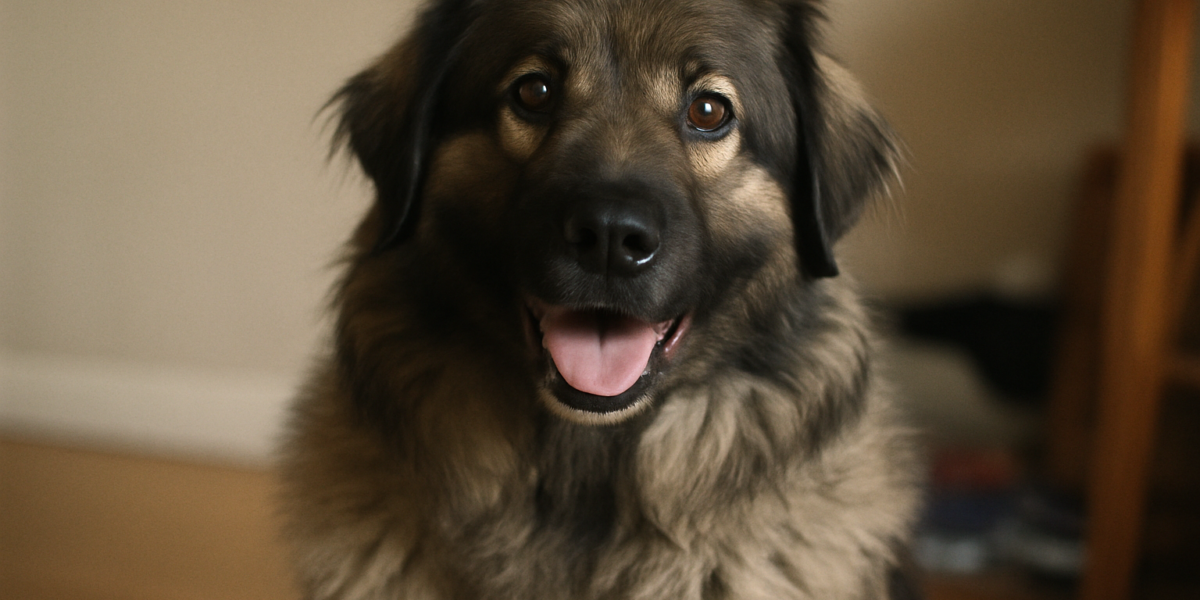
The coat is medium-long, dense, and double, with a wide range of colors — iron gray, dark gray, sable, fawn, and various tipped patterns, often with a darker mask, ears, and tail tip. White markings are not preferred in the breed standard. The expression is calm and serious.
Exercise and Activity Needs
Sarplaninacs need space and a job. The natural activity pattern is long stretches of calm observation punctuated by deliberate movement when the dog decides movement is needed. A working Sarplaninac in the Šar Mountains covers significant ground at a comfortable pace; replicating that without livestock requires daily walks, securely fenced acreage, and an honest acceptance that the breed is not built for high-intensity exercise.
Off-leash freedom in unfenced areas is a poor idea. The breed is territorial and willing to expand its perceived territory. Recall is unreliable in adults — Sarplaninacs were selected to make their own calls, not to come when called. Six-foot perimeter fencing minimum, with serious attention to gates and dig-prevention. The breed is strong enough to cause significant damage to compromised fencing.
Grooming and Care
The double coat sheds year-round and blows heavily twice a year. Weekly brushing in normal seasons, daily during coat blow, occasional baths. The coat is generally self-cleaning when maintained and weather-resistant in both cold and hot conditions.
Never shave the coat. It insulates against both cold and heat, and shaving disrupts the regulation system. Standard ear, nail, and dental care otherwise. Watch weight; the breed’s compact-giant build cannot tolerate the joint stress of obesity. Diet should be a quality large- or giant-breed formula, with deliberate slow growth in puppies for joint health.
Health and Lifespan
Sarplaninacs are generally a healthy, hardy breed because the working population has not been narrowly bottlenecked the way some show-line breeds have been. Hip and elbow dysplasia remain concerns and worth screening. Bloat is a real risk in any deep-chested breed. Cardiac issues, hypothyroidism, and certain skin conditions are also worth monitoring in adults.
Lifespan tends to fall in the upper end of the large-breed range, generally longer than the true giants but shorter than smaller dogs. A working Sarplaninac kept lean and joint-protected often does well into older age. Plan for large-breed veterinary costs and budget appropriately for any rare-breed care issues that may require travel to a vet experienced with the breed.
Living With a Sarplaninac
The functional home is a working farm with predator pressure or very large rural acreage with a household experienced in LGDs. Suburban environments do not work. Apartment life is incompatible with the breed in every dimension — size, vocalization, territorial drive, exercise needs.
Visitors require active management and the breed will not accommodate frequent stranger traffic. Children in the family are typically safe with well-socialized Sarplaninacs, although the size and density of the breed mean supervision is non-negotiable; even friendly contact from a 100-pound dense dog can knock a child down. Other dogs entering the property is a serious territorial event and should be avoided in most cases.
Training and Socialization
Start socialization the day the puppy comes home and continue through the first two to three years. Sarplaninacs mature mentally over a long timeline, and adolescence often brings out the deepest expression of independence and territorial behavior — typically between 12 and 30 months. Consistent, force-free handling through this period builds the trust the rest of training depends on. Heavy-handed correction is counterproductive and damages the relationship for years.
Realistic obedience expectations: solid sit, down, stay, leave-it, and a recall that works when nothing more interesting is happening. The breed will not perform precision obedience for treats. The breed will cooperate with a person it trusts when the request makes sense in the dog’s value system. Reading dog body language well matters more than any obedience drill, because Sarplaninacs warn quietly and briefly before they act.
Is the Sarplaninac Right for You?
For most readers, no — and the breed is honest enough about itself that it should not be in homes that cannot meet its needs. The Sarplaninac is among the most demanding LGDs in temperament and home requirements, and the rarity of the breed in North America means good support networks for owners are limited. If you have rural acreage, livestock with active predator pressure, deep experience with guardian breeds, and a household built around the dog’s calm rhythm, the breed can be exceptional. If you are looking for a giant family dog without the heavy guarding drive, the Saint Bernard or Bernese Mountain Dog are far better matches.
If you have read this far and the home is genuinely right, work through breed-specific or general LGD rescue. Sarplaninac rescue networks are small and many dogs go through broader large-breed channels. Read about rescue decompression and adopting an adult dog before bringing one home — adult Sarplaninacs in particular need quiet, predictable conditions to settle. Start at the adopt a dog hub.
Frequently Asked Questions
How is Sarplaninac pronounced?
Roughly “shar-pla-NEE-natz” in English, though pronunciation varies. The breed name comes from the Šar (or Shar) Mountains in the southern Balkans.
Are Sarplaninacs aggressive?
Not in a reactive, unpredictable sense. The breed is deliberate, calm, and willing to escalate when it perceives a real threat — and the threshold for that escalation is lower than in most pet breeds. With proper socialization and management they are stable; without it, they become serious liabilities.
Are Sarplaninacs banned anywhere?
The breed is restricted in some military and service contexts because of its independence and power. Some jurisdictions also include the breed under broader large-breed or guardian-breed restrictions. Check local regulations before adoption.
Are Sarplaninacs good with other dogs?
Same-sex dog aggression is common and often intense in adults. Dogs raised together generally coexist. Introducing new dogs to an adult Sarplaninac is difficult and not always successful.
Can a Sarplaninac live in a city or suburb?
No. The breed is incompatible with urban and suburban environments. Size, vocalization, territorial instincts, and need for space all rule it out completely.
Looking to adopt a Sarplaninac Breed Profile?
Browse Sarplaninac Breed Profile dogs and mixes available for adoption from shelters and rescues near you.
Find Sarplaninac Breed Profile Dogs for Adoption