Last updated: May 4, 2026
In this article
Schipperke Overview
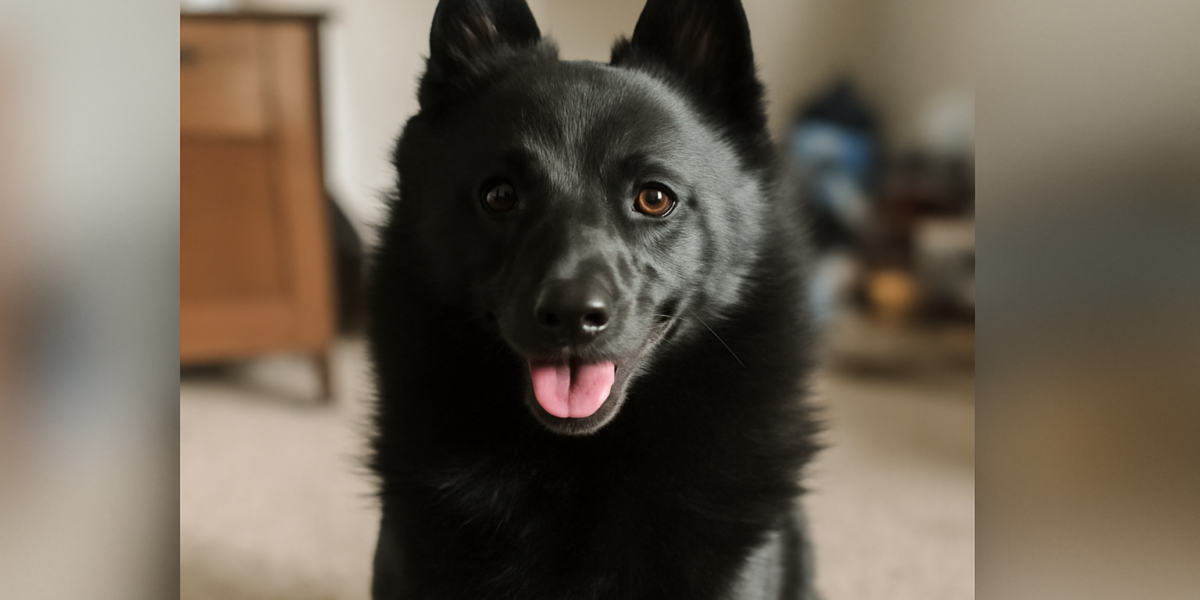
This schipperke breed profile introduces a small but high-octane Belgian spitz known affectionately as the “little black devil.” The Schipperke (pronounced SKIP-er-kee) is a compact, foxy-faced, jet-black dog that originated as a working watchdog and ratter on the canal barges of Flanders in Belgium. The name itself comes from the Flemish word for “little boatman” or “little captain,” and the breed lived its working life patrolling barges, alerting bargemen to intruders, and dispatching rats in the cargo hold.
The honest version is that the Schipperke is a high-energy, vocal, opinionated little dog who looks like a stuffed-animal version of a Belgian shepherd but acts like a much larger working dog crammed into a small body. Adopters drawn to the size should know they are getting a dog that thinks like a watchdog and barks like one — the “little black devil” nickname is earned. With the right home the breed is delightful; with the wrong one it is a barking, escaping, frustrated package of pent-up drive.
Quick facts: Group: spitz / non-sporting. Origin: Belgium. Size: 10–13 inches, typically 12–18 pounds. Coat: medium-length double coat, traditionally solid black. Energy: high, alert. Lifespan: 13–16 years. Grooming: weekly brushing, heavy seasonal coat blow. Best for: active homes, experienced spitz owners, fenced yards, tolerant neighbors.
History and Origin
The Schipperke developed in Flanders alongside larger Belgian shepherd-type dogs. Working bargemen valued small dogs that could fit into tight spaces on a barge, alert to anything unusual, and keep the rat population manageable. Belgian shoemakers and tradesmen also kept the breed in town homes for similar reasons. Selective breeding over generations produced the consistent type we see today: small, black, tail-naturally-bobbed in some lines, and intensely watchful.
The breed received Belgian royal attention in the late nineteenth century when Queen Marie Henriette became fond of the type, which boosted recognition and helped formalize the breed standard. International recognition followed, and the Schipperke is now seen worldwide, though it remains uncommon enough that most adopters have to travel or work with breed clubs to find one. Many in rescue come from owners who underestimated the energy and noise level of the breed.
Temperament and Personality
Expect alert, curious, mischievous, and bold. The Schipperke is famously self-confident and treats the world as an interesting puzzle to investigate. They bond closely with their family and can be very affectionate, but they treat strangers with watchful caution and the breed will absolutely tell you when something has changed in the environment.
Independence is real. Schipperkes are not obedience-trial robots. They have opinions about what is worth doing and when, and they can be stubborn about following cues that conflict with their interests. Force-free training works well; harsh methods damage the relationship and the breed’s confident temperament can become stubborn or anxious in response.
Prey drive is moderate to high — historical ratters do not lose that drive. Small animals can trigger pursuit, and many Schipperkes never become fully reliable around small pets. The breed is also typically vocal, alerting to noises both significant and trivial. This trait is the main reason many Schipperkes end up in rescue.
Size and Appearance
The Schipperke is small and compact. Adults stand 10–13 inches at the shoulder and weigh 12–18 pounds. The build is square and athletic — short-coupled, with a strong neck, deep but compact chest, and clean strong legs. The breed should look like a small working dog, not a delicate companion.
The coat is the breed’s defining feature: a medium-length, harsh double coat that forms a distinct ruff around the neck, a cape over the shoulders, and culottes (longer feathering) on the back of the thighs. The traditional and breed-standard color is solid black, though some registries accept other solid colors. The ears are pricked and triangular, the eyes dark and almond-shaped, the expression alert and foxy.
Exercise and Activity Needs
Schipperkes need real daily exercise — much more than their size suggests. A long walk, plus play, plus mental work usually settles a healthy adult. Without it expect barking, chewing, and escape attempts. The breed enjoys agility, scent work, structured play, and most active dog sports adapted to small dogs.
Off-leash work outside fenced spaces is risky. Recall is mediocre at best, and the breed’s small size and quick movement make it hard to catch a Schipperke who has decided to chase something. Secure fencing is necessary; the breed climbs and digs, so paying attention to fence integrity matters. Apartments can work for Schipperkes only if exercise and noise management are handled actively.
Grooming and Care
Plan for weekly brushing during normal months and daily brushing during the seasonal coat blow, which is dramatic. Use a slicker brush and undercoat rake. The double coat sheds throughout the house during blow season — Schipperke owners who do not brush regularly find black coat hair on every surface. Never shave a double-coated spitz; the coat regulates temperature in both directions.
Bathing is occasional. Schipperkes are generally clean by nature and self-groom well. Trim nails monthly, clean ears as needed, brush teeth regularly. Small dogs are particularly prone to dental disease, and the Schipperke is no exception — committed dental care matters across the lifespan.
Health and Lifespan
The Schipperke is generally a healthy small breed with a long lifespan — 13–16 years is realistic. Specific concerns to discuss with a vet include MPS IIIB (a recessive lysosomal storage disease unique to the breed; reputable breeders test for it), patellar luxation, hip dysplasia, hypothyroidism, and Legg-Calve-Perthes disease. Genetic testing for MPS IIIB before breeding is now standard among responsible breeders.
Annual wellness exams, weight management, dental care, and a quality diet appropriate for a small active dog cover most needs. The breed is generally hardy and rarely fragile in the way some toy breeds are. Spay and neuter timing should be discussed with a vet familiar with small-breed considerations.
Living With a Schipperke
The functional setup is an active home with a fenced yard, tolerant neighbors, and a household that values an alert vocal small dog. Apartments work for committed owners who prioritize exercise, training, and noise management. The breed is not a lap dog, despite the size — they want to be involved in everything.
The Schipperke is generally good with children inside the family, particularly if raised together. The breed is not naturally fragile and can hold its own in active households, but small children should be supervised — Schipperkes have limited tolerance for rough handling. Cats and small pets are case-by-case; raised together from puppyhood often works, but adult Schipperkes can be sharp with unfamiliar small animals.
Training and Socialization
Start socialization early. The breed forms opinions early, and a poorly socialized Schipperke can become reactive in adulthood. Calm, varied exposure to people, dogs, environments, and sounds builds a balanced adult. Force-free training methods work very well; the breed loves food rewards and play, and training sessions are usually fun for both sides.
Realistic obedience expectations: solid sit, down, stay, leave-it, and a recall that works in low to moderate distractions. Do not expect the breed to ignore squirrels in full chase. Read dog body language early to catch warning signals. Compare with the Keeshond and Finnish Spitz for spitz-family context.
Is the Schipperke Right for You?
The Schipperke suits active adopters who want a small dog with big-dog energy, a watchdog temperament, and a tolerance for vocal alerting. They suit experienced spitz owners or first-time owners who have done their research. They do not suit households needing a quiet companion or a casual lap dog.
If you are drawn to the spitz family, the Keeshond is a calmer larger relative and the Finnish Spitz shares the vocal alert temperament. If you want a small dog with companion temperament and less drive, look at toy or companion breeds. Read the 3-3-3 rule before bringing one home, and visit the adopt a dog hub to start.
Frequently Asked Questions
Why is the Schipperke called the “little black devil”?
The nickname reflects the breed’s traditional solid black coat plus a high-energy mischievous temperament. They are bold, opinionated, and busy, which earned the affectionate nickname over generations of Belgian owners.
Are Schipperkes good apartment dogs?
They can be, with active owners who prioritize exercise and noise management. The breed barks and the barks carry; consider neighbors before adopting.
How much exercise does a Schipperke need?
More than the size suggests. A long daily walk plus play and mental stimulation typically settles an adult. Young dogs need more.
Are Schipperkes good with children?
Generally yes within the family, especially if raised together. They are not fragile, but small children should be supervised because the breed has limited tolerance for rough handling.
Where can I adopt a Schipperke?
Through breed-specific rescues (Schipperke rescue networks exist in the US, UK, and Europe), through general shelters that occasionally receive surrendered Schipperkes, and through breed clubs. Visit the adopt a dog hub to start looking.
Looking to adopt a Schipperke Breed Profile?
Browse Schipperke Breed Profile dogs and mixes available for adoption from shelters and rescues near you.
Find Schipperke Breed Profile Dogs for Adoption