Last updated: May 17, 2026
In this article
Scottish Straight Cat Breed Profile: The Straight-Eared Scottish Charmer
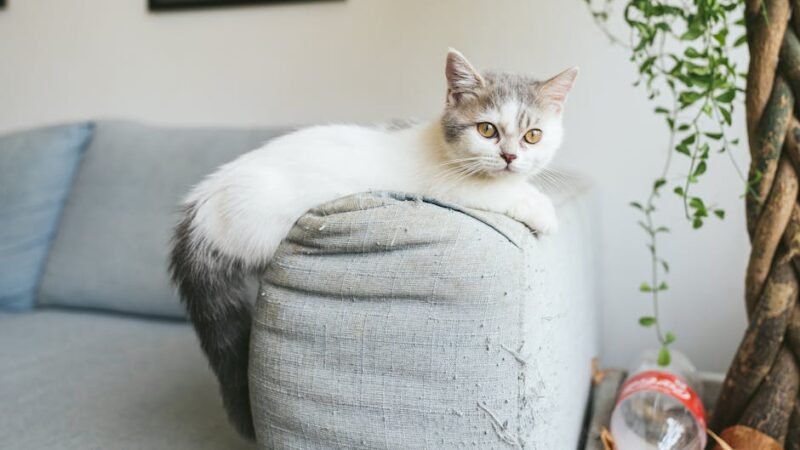
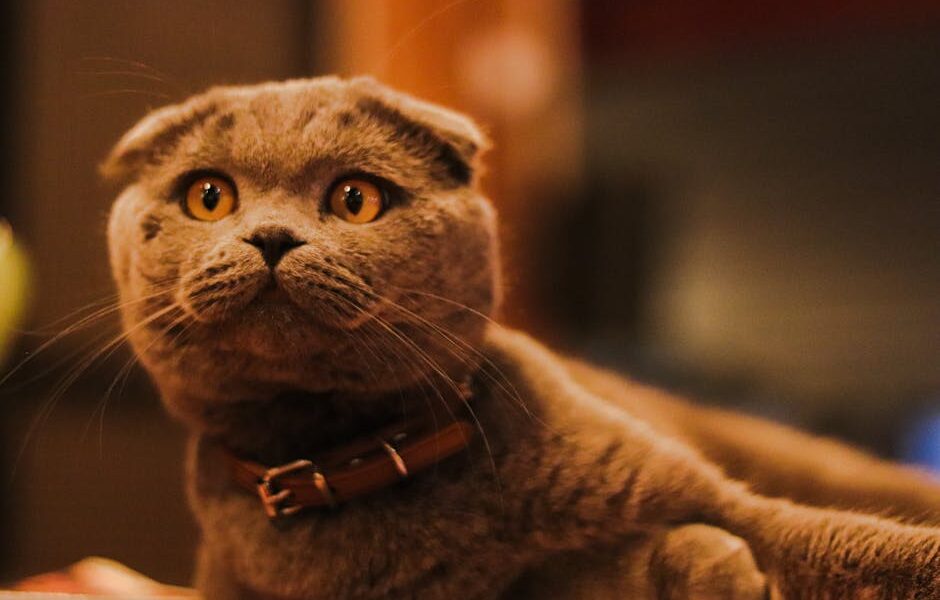
The Scottish Straight lives somewhat in the shadow of its more famous sibling, the Scottish Fold. While the Scottish Fold captures attention with its distinctive folded ears and owl-like expression, the Scottish Straight — born into the same litters but with normal, upright ears — offers all of the breed family’s beloved traits without the health controversies associated with the fold gene. In recent years, the Scottish Straight has been gaining recognition and popularity in its own right, and for very good reasons.
With its round face, large expressive eyes, and plush coat, the Scottish Straight is an undeniably beautiful cat. But it is the breed’s personality — gentle, affectionate, adaptable, and endlessly sweet — that truly wins hearts. If you have ever admired the Scottish Fold but been concerned about the ethical implications of the fold mutation, the Scottish Straight offers a wonderful alternative that delivers the same delightful companionship in a healthier package.
History and Origin of the Scottish Straight
The Scottish Straight’s history is inextricably linked to that of the Scottish Fold. The story begins in 1961 on a farm in Perthshire, Scotland, where a shepherd named William Ross noticed a white barn cat named Susie with unusual folded ears. When Susie had kittens, some inherited her folded ears while others had normal straight ears. Ross acquired one of the folded-ear kittens, named Snooks, and began a breeding program with the help of geneticist Pat Turner.
From the very beginning, straight-eared kittens have been an essential part of Scottish Fold breeding programs. The gene responsible for the folded ears (Fd) is dominant, meaning that only one copy is needed to produce the fold. However, cats that inherit two copies of the fold gene (homozygous Fd/Fd) develop severe, painful cartilage and bone abnormalities known as osteochondrodysplasia. To prevent this devastating condition, responsible breeders never breed two folded-ear cats together. Instead, they breed folded-ear cats with straight-eared cats, producing litters where roughly half the kittens have folded ears and half have straight ears.
For decades, these straight-eared kittens were considered less desirable than their folded-ear siblings, often sold as pets at lower prices and given little recognition in the show world. But attitudes have been changing. Several cat registries now recognize the Scottish Straight as a breed in its own right, and breeders and cat lovers increasingly appreciate these cats for their excellent health, beautiful appearance, and wonderful personalities.
The Scottish Straight shares much of its genetic heritage with the British Shorthair, which has been extensively used as an outcross breed in Scottish Fold/Straight breeding programs. This British Shorthair influence is evident in the Scottish Straight’s robust build, dense coat, and calm, dignified temperament.
Today, the Scottish Straight is recognized by TICA, the World Cat Federation (WCF), and several other international registries. While CFA does not currently register Scottish Straights as a separate breed, this may change as the breed’s popularity continues to grow.
Appearance and Physical Characteristics
The Scottish Straight is a medium-sized cat with a well-rounded, compact body that gives an impression of solid substance. Males typically weigh between 9 and 13 pounds, while females weigh between 6 and 9 pounds. The body is moderately muscular with a broad chest, well-rounded ribcage, and medium-length legs that end in neat, round paws.
The head is round with full cheeks and a well-defined chin. The profile shows a gentle curve from the forehead to the nose, without the flat face seen in some other round-headed breeds. The ears — the feature that distinguishes the Scottish Straight from the Scottish Fold — are medium-sized, broad at the base, and set wide apart on the head. They stand upright with slightly rounded tips, framing the face in a way that emphasizes its roundness.
The eyes are one of the Scottish Straight’s most appealing features. They are large, round, and wide-set, giving the cat a sweet, open expression that many people find irresistible. Eye color corresponds to coat color and can include gold, copper, green, blue, or odd-eyed (two different colors).
The coat comes in two varieties: shorthair and longhair. The shorthair has a dense, plush coat that stands away from the body due to its thickness, similar to the British Shorthair’s coat. It has a soft, resilient texture that is a pleasure to touch. The longhair variety has a medium-long coat with a full ruff, britches, and a plumed tail. Both varieties come in virtually every color and pattern, including solid, tabby, bicolor, Calico, tortoiseshell, colorpoint, and silver/golden shaded.
The tail is medium to long, proportional to the body, and tapers to a rounded tip. Unlike Scottish Folds, which can sometimes have stiff or shortened tails due to the fold gene’s effects on cartilage, Scottish Straights consistently have flexible, normal tails — one of the health advantages of the straight-eared variety.
Temperament and Personality
The Scottish Straight shares the Scottish Fold family’s famously sweet, gentle temperament. These cats are affectionate without being demanding, playful without being hyperactive, and sociable without being clingy. They strike a beautiful balance that makes them adaptable to almost any household and lifestyle.
Scottish Straights are devoted companions that enjoy being near their people. They will follow you from room to room, sit beside you while you work, and curl up next to you on the couch. However, they are not typically lap cats in the traditional sense — they prefer to sit beside you rather than on you, maintaining their dignity while still staying close. When they do decide to settle in your lap, it feels like a genuine honor.
The breed is notably calm and even-tempered. Scottish Straights rarely become agitated or aggressive, and they handle changes in routine, new environments, and unfamiliar people with a quiet composure that many other breeds lack. This calm demeanor makes them excellent companions for seniors, people living alone, and anyone who values a peaceful home environment.
Despite their calm nature, Scottish Straights are playful and enjoy interactive play sessions. They are particularly fond of puzzle toys and games that challenge their intelligence. They are not as acrobatic as some other breeds — you will not find your Scottish Straight performing aerial acrobatics from the top of the refrigerator — but they enjoy batting at toys, chasing balls, and engaging in moderate play that suits their dignified personality.
The breed is generally quiet, communicating through soft, gentle vocalizations rather than loud meows. Scottish Straights may chirp or trill to get your attention, but they are unlikely to engage in the persistent, demanding vocalizations that some breeds are known for. This quiet nature makes them excellent apartment cats.
Scottish Straights are among the best cats for families thanks to their patient, tolerant nature with children and their ability to get along with other pets. They adapt well to multi-cat households and can form close bonds with cat-friendly dogs. Their gentle temperament makes them less likely to scratch or bite when annoyed, though they should always be treated with respect and given the option to retreat when they need space.
Exercise and Training
The Scottish Straight has moderate exercise needs that are easily met in most home environments. Two or three interactive play sessions per day, each lasting 10 to 15 minutes, will keep your Scottish Straight physically active and mentally stimulated. Feather wands, laser pointers, and rolling toys are popular choices for interactive play.
While Scottish Straights are not the most athletic cats, they do enjoy climbing and surveying their territory from elevated positions. A sturdy cat tree with multiple levels provides both exercise and entertainment. Window perches are also appreciated, as Scottish Straights enjoy watching the outdoor world from the safety of their indoor vantage point.
Puzzle feeders and food-dispensing toys can help keep your Scottish Straight mentally engaged during the times you cannot play with it directly. These cats are intelligent enough to figure out most puzzle toys and seem to enjoy the challenge of working for their food.
Training a Scottish Straight is a pleasant experience. These cats are intelligent, attentive, and responsive to positive reinforcement. Many Scottish Straights can learn tricks such as sit, high-five, and come when called. Clicker training works particularly well with this breed, as they quickly learn to associate the click with a reward.
The breed’s calm, adaptable nature makes it an excellent candidate for therapy cat programs. Scottish Straights handle unfamiliar environments and people with composure, and their gentle, approachable demeanor puts people at ease. If you are interested in therapy animal work, the Scottish Straight’s temperament is well suited to this role.
Health and Lifespan
The Scottish Straight has a significant health advantage over its folded-ear sibling. Because the Scottish Straight does not carry the fold gene in its expressed form, it is not susceptible to osteochondrodysplasia — the painful cartilage and bone disorder that can affect Scottish Folds. This single difference makes the Scottish Straight a healthier choice for anyone who loves the Scottish breed family’s personality but is concerned about the ethical implications of breeding for the fold mutation.
The Scottish Straight has a lifespan of 12 to 15 years, with many individuals living well beyond that with proper care. The breed is generally robust and healthy, though like all cats, it can be susceptible to certain health conditions.
Hypertrophic cardiomyopathy (HCM) is the most common heart disease in all cats and can affect Scottish Straights. Regular veterinary checkups with cardiac auscultation can help detect this condition early. Breeders should screen their breeding cats with echocardiography.
Polycystic kidney disease (PKD) has been reported in some Scottish breeding lines, likely introduced through British Shorthair and Persian outcrosses. A DNA test is available for PKD, and responsible breeders test their breeding stock to ensure they do not produce affected kittens.
Obesity is a concern for Scottish Straights due to their calm nature and moderate activity levels. These cats can easily gain weight if their food intake is not carefully managed. Feed a high-quality, portion-controlled diet and encourage regular play to maintain a healthy weight. Your veterinarian can help you determine the appropriate caloric intake for your individual cat.
Dental disease is common in all cat breeds and the Scottish Straight is no exception. Regular dental care, including tooth brushing and professional cleanings as recommended by your veterinarian, can help prevent periodontal disease.
Grooming and Coat Care
Grooming requirements for the Scottish Straight depend on its coat length. Shorthaired Scottish Straights need weekly brushing with a soft bristle brush or rubber grooming tool to remove loose hair and maintain the coat’s plush texture. The dense coat can trap loose hair close to the skin, so regular brushing helps prevent hairballs and keeps the coat looking its best.
Longhaired Scottish Straights need more frequent grooming — ideally two to three times per week — to prevent matting and tangles. A wide-toothed comb followed by a slicker brush works well for the longer coat. Pay particular attention to the ruff, britches, and belly, where tangles are most likely to form.
Both coat varieties shed moderately year-round, with heavier shedding during spring and fall. During shedding season, daily brushing can help manage loose hair and reduce the amount of fur on your furniture and clothing.
Bathing is rarely necessary for Scottish Straights, as they are typically thorough self-groomers. If a bath is needed, use a gentle, cat-specific shampoo and rinse thoroughly. Most Scottish Straights tolerate bathing well if introduced to it early.
Ear care is straightforward for Scottish Straights, as their upright ears allow for good air circulation. Check ears weekly and clean them with a cotton ball dampened with a veterinarian-approved ear cleaner if you notice wax buildup. Trim nails every two to three weeks and brush teeth regularly to prevent dental disease.
Who Is the Scottish Straight Best For?
The Scottish Straight is one of the most versatile cat breeds available, suitable for a remarkably wide range of households and lifestyles. Its calm, gentle temperament makes it an excellent choice for first-time cat owners, seniors, and families with children. Its adaptable nature means it can thrive in apartments, condominiums, and houses of all sizes.
The breed is particularly well suited for people who want a companion cat that is affectionate but not overly demanding. If you appreciate a cat that enjoys your company without constantly demanding attention, the Scottish Straight delivers beautifully. It is content to sit near you while you work, watch television beside you in the evening, and sleep at the foot of your bed at night — a quiet, reassuring presence that enriches your daily life without disrupting it.
Families with children will appreciate the Scottish Straight’s patience and tolerance. These cats handle the unpredictability of young children with remarkable composure and rarely react with aggression, even when handling is less than gentle. Of course, children should always be taught to treat cats with kindness and respect, and supervision is recommended for interactions between young children and any cat.
The Scottish Straight is also an excellent choice for multi-pet households. Its non-confrontational nature and social temperament mean it generally gets along well with other cats and with cat-friendly dogs. Introductions should still be managed carefully, but the Scottish Straight’s adaptability makes the process smoother than with more territorial breeds.
People who are drawn to the Scottish Fold’s appearance and personality but are concerned about the health implications of the fold gene should give the Scottish Straight serious consideration. You will get the same wonderful temperament, similar good looks, and the peace of mind that comes with choosing a cat that is not genetically predisposed to painful skeletal abnormalities.
Frequently Asked Questions
What is the difference between a Scottish Straight and a Scottish Fold?
The primary difference is ear shape. Scottish Folds have ears that fold forward and downward due to a genetic mutation affecting cartilage, while Scottish Straights have normal, upright ears. Both types can appear in the same litter — the fold gene is dominant, so kittens either inherit it (becoming Folds) or do not (becoming Straights). The most significant practical difference is health: Scottish Straights are not susceptible to osteochondrodysplasia, the painful bone and cartilage disorder that can affect Scottish Folds. In terms of personality, both types share the same sweet, gentle temperament.
Are Scottish Straight cats expensive?
Scottish Straight kittens from reputable breeders typically cost between $800 and $1,500, which is often less than Scottish Fold kittens from the same breeders. Historically, straight-eared kittens were considered less desirable and were priced lower, but as awareness of the breed’s health advantages grows, prices are increasing to reflect their true value. Show-quality Scottish Straights may command higher prices. Always purchase from a breeder who performs health testing and raises kittens in a home environment with proper socialization.
Do Scottish Straight cats like to be held?
Scottish Straights vary in their tolerance for being held. Most enjoy physical contact and appreciate gentle petting, but they tend to prefer sitting beside their owners rather than being carried or restrained. Some individuals are more tolerant of being held than others, and this often depends on early handling and socialization. If having a cat that enjoys being picked up is important to you, look for a kitten that has been handled frequently from birth and that shows relaxation rather than tension when picked up during your visit to the breeder.
Can Scottish Straight cats be left alone during the day?
Scottish Straights can tolerate being left alone during normal working hours, but they do best when they have companionship for at least part of the day. If you work full-time, having a second cat or a cat-friendly dog can provide the social interaction your Scottish Straight needs while you are away. Provide plenty of enrichment options — puzzle toys, window perches, cat trees, and rotating toys — to keep your cat occupied during your absence. If your Scottish Straight will be the sole pet, try to spend quality time with it when you are home to compensate for the hours spent alone.
Looking to adopt a Scottish Straight Cat Breed Profile?
Browse Scottish Straight Cat Breed Profile cats and mixes available for adoption from shelters and rescues near you.
Find Scottish Straight Cat Breed Profile Cats for Adoption