Last updated: May 6, 2026
In this article
Scottish Straight vs Scottish Fold: An Overview
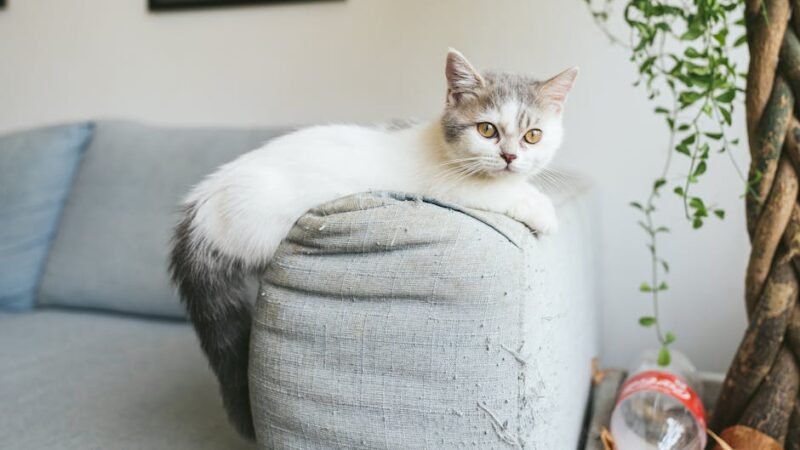
The Scottish Straight and Scottish Fold are two variations of the same breed, sharing nearly identical genetics, temperaments, and body types. The defining difference between Scottish Straight vs Scottish Fold cats comes down to one striking feature: their ears. Scottish Folds have the breed’s signature forward-folding ears that give them an owl-like appearance, while Scottish Straights have conventional upright ears.
Both variations originate from the same breeding programs and can even appear in the same litter. A litter of Scottish kittens may include both folded-ear and straight-ear kittens, and breeders cannot predict which kittens will develop the fold until they are about three to four weeks old. Understanding the differences between these two cats helps you make an informed decision if you are considering adding one to your family.
Quick Comparison
- Ear type: Fold has forward-folding ears; Straight has upright ears
- Weight: Both 6-13 pounds
- Lifespan: Straight 12-15 years; Fold 11-14 years
- Temperament: Both gentle, affectionate, adaptable
- Health: Straight has fewer genetic health concerns
- Recognition: Varies by cat registry
The Ear Gene: What Makes Them Different
The folded ears of the Scottish Fold are caused by a natural genetic mutation affecting cartilage throughout the body. This mutation is caused by the Fd gene, which produces a protein that affects how cartilage develops. In Scottish Folds, this gene causes the ear cartilage to fold forward and downward, creating that distinctive flat-eared look.
Scottish Straights carry two copies of the normal (non-fold) gene, meaning their cartilage develops normally. Their ears stand upright like those of most other cat breeds. This is actually a significant health advantage, which we will discuss in detail later.
Responsible breeders always cross a Fold with a Straight, never two Folds together. When two Fold cats are bred, the resulting kittens can inherit two copies of the fold gene, which leads to a severe and painful condition called osteochondrodysplasia. This is why Scottish Straights are essential to the breed’s continued existence and health.
Temperament and Personality
When it comes to personality, the Scottish Straight and Scottish Fold are remarkably similar. Both are known for being gentle, easygoing, and deeply affectionate with their families. These are cats that want to be near you without being demanding about it.
Both variations are moderately playful and retain a kitten-like curiosity well into adulthood. They enjoy interactive toys, puzzle feeders, and watching birds from a window perch. Neither is particularly vocal, though they will communicate with soft chirps and trills when they want attention or dinner.
One charming trait shared by both types is the tendency to sit in unusual positions. Scottish Folds, in particular, are famous for sitting upright in what fans call the “Buddha sit,” but Straights do this too. Both may also be found sprawled flat on their backs or perched in other amusing poses.
These cats are excellent companions for families with children and tend to get along well with other pets, including dogs. They are adaptable and handle changes in routine better than many breeds. If you are looking for a calm, companionable cat that fits easily into most household situations, either variation is a wonderful choice.
Size and Appearance
Apart from the ears, Scottish Straights and Scottish Folds look virtually identical. Both are medium-sized cats with rounded, well-padded bodies that give them a cuddly appearance.
Adults typically weigh between 6 and 13 pounds, with males running larger than females. They have round heads, large round eyes, and short noses that give them an endearing, sweet expression. The round facial features are present in both ear types, though the folded ears of the Fold tend to emphasize the roundness even more.
Both come in a wide variety of coat colors and patterns, including solid, tabby, bicolor, Calico, and pointed. Coat length can be either short or long, with the longhaired variety sometimes called the Highland Fold or Highland Straight. The coat is dense and plush, with a soft texture that invites petting.
The eyes can be any color, including copper, gold, green, and blue, depending on the coat color. White or bicolor cats may have odd eyes (one eye a different color from the other), which is particularly striking in both Straights and Folds.
Health Considerations
This is where the Scottish Straight vs Scottish Fold comparison reveals the most significant difference. The fold gene that creates those adorable ears also affects cartilage throughout the body, which can lead to serious health issues in Scottish Folds.
Scottish Folds are prone to osteochondrodysplasia, a condition where cartilage and bone do not develop properly. This can cause stiff, painful joints, a thickened tail that lacks flexibility, and difficulty moving comfortably. The severity varies, but all Folds carry some degree of cartilage abnormality, even if symptoms are mild.
Scottish Straights, by contrast, do not carry the fold gene and are not susceptible to osteochondrodysplasia. This gives them a notable health advantage. Their cartilage and joints develop normally, and they are generally considered a healthier variation of the breed.
Both types can be prone to hypertrophic cardiomyopathy (a heart condition common in many cat breeds) and polycystic kidney disease. Regular veterinary checkups, including heart screenings, are recommended for both Straights and Folds. With proper care, Scottish Straights typically live 12 to 15 years, while Folds average 11 to 14 years.
Grooming and Care
Grooming needs are virtually identical for both variations. Shorthaired Straights and Folds need weekly brushing to remove loose fur and keep the coat healthy. Longhaired varieties benefit from brushing two to three times per week to prevent mats and tangles.
One area where care differs slightly is ear maintenance. Scottish Folds require more attentive ear cleaning because their folded ears can trap moisture and debris, creating an environment conducive to ear infections. Check Fold ears weekly and clean them gently with a vet-approved ear cleaner. Scottish Straights need standard ear care, similar to any other upright-eared breed.
Both types benefit from regular nail trimming, dental care, and annual veterinary checkups. Keep their weight in check, as the stocky build of both Straights and Folds can make them prone to obesity if overfed or under-exercised. Interactive play sessions and puzzle feeders help keep them physically and mentally stimulated.
Diet should be high-quality cat food appropriate for their age and activity level. Consult your veterinarian for specific dietary recommendations, especially if your cat has any health conditions.
Adoption and Ethical Considerations
If you are considering adding a Scottish cat to your family, it is worth understanding the ethical debate surrounding Scottish Fold breeding. Some countries and veterinary organizations have raised concerns about breeding cats with the fold gene due to the associated health problems.
Scottish Straights offer a way to enjoy the wonderful Scottish breed personality and appearance without the health risks tied to the fold gene. Many breeders and adoption advocates recommend considering Straights as the more ethical choice, and some registries are increasingly recognizing Straights as a breed in their own right.
Adopting from a rescue is always a wonderful option. While purebred Scottish cats are less common in shelters, breed-specific rescues do exist. You can also find Scottish mixes that share many of the breed’s lovable traits. Check our cat adoption hub to browse cats currently available for adoption, and consider giving a rescue cat a loving home.
If you choose to work with a breeder, look for one who health-tests their breeding cats, never breeds Fold-to-Fold, and prioritizes the wellbeing of their animals over appearance. A responsible breeder will be transparent about the health risks of the fold gene and will have veterinary records available for all their cats.
Which One Is Right for You?
Choosing between a Scottish Straight and a Scottish Fold ultimately comes down to your priorities. If you are drawn to the unique folded-ear look and are prepared for the potential health considerations that come with it, a Scottish Fold can be a wonderful companion. Just ensure you budget for regular veterinary monitoring and are prepared to manage any joint issues that may develop.
If health and longevity are your top priorities, the Scottish Straight is the smarter choice. You get the same affectionate, easygoing personality and the same round, adorable face, just with conventional upright ears and significantly fewer health concerns.
Both variations thrive in homes where they receive regular attention and companionship. They do not do well being left alone for extended periods, so consider whether your lifestyle allows for the quality time these social cats need. If you are comparing other cat breeds as well, you might enjoy reading about the Devon Rex vs Cornish Rex or exploring our cat care blog for more breed insights.
Frequently Asked Questions
Can Scottish Straight kittens develop folded ears later?
Scottish kittens are all born with straight ears. The fold begins to develop at around two to four weeks of age. If a kitten’s ears have not folded by four weeks, they are a Scottish Straight and their ears will remain upright for life. The ear type is determined by genetics, not by age or development after the four-week mark.
Are Scottish Straights recognized by all cat registries?
Recognition varies by registry. Some organizations, like TICA and WCF, recognize Scottish Straights as a distinct breed eligible for competition. Others register them only as breeding stock for Scottish Fold programs. The trend is moving toward broader recognition as the breed’s popularity and the ethical conversation around fold breeding continue to grow.
Do Scottish Straights cost less than Scottish Folds?
Generally, yes. Scottish Folds typically command higher prices from breeders due to the demand for folded ears. Scottish Straights are often more affordable, though prices vary based on pedigree, coat color, and breeder reputation. Adopting from a rescue is the most affordable option and gives a cat in need a second chance at a happy home.
Can I breed a Scottish Straight with another Scottish Straight?
Yes, you can breed two Scottish Straights together, but the resulting kittens will all have straight ears since neither parent carries the fold gene. This pairing produces healthy kittens but will not produce any Scottish Folds. To produce Fold kittens, one parent must be a Fold and the other must be a Straight.
Looking to adopt a Scottish Straight vs Scottish Fold?
Browse Scottish Straight vs Scottish Fold cats and mixes available for adoption from shelters and rescues near you.
Find Scottish Straight vs Scottish Fold Cats for Adoption