
Last updated: May 6, 2026
In this article
- When Is a Cat Considered a Senior?
- Common Health Issues in Senior Cats
- Chronic Kidney Disease
- Hyperthyroidism
- Dental Disease
- Arthritis and Joint Pain
- Diet Changes for Senior Cats
- Litter Box Modifications
- Comfort and Warmth
- How Often Should a Senior Cat See the Vet?
- Cognitive Changes in Senior Cats
- Assessing Quality of Life
- Frequently Asked Questions
Senior Cat Care: Health Tips, Diet & Comfort for Aging Cats
Cats are masters at hiding discomfort, which makes caring for an aging feline both important and challenging. As your cat enters her senior years, her body undergoes gradual changes that affect everything from kidney function to joint mobility. The good news is that with the right approach to senior cat care, many cats live well into their late teens and even early twenties with a high quality of life.
Whether you’ve had your companion since kittenhood or recently adopted an older cat, this guide covers the health conditions, dietary adjustments, and home modifications that can make a meaningful difference during your cat’s golden years.
When Is a Cat Considered a Senior?
Cats age faster than most people realize. The widely repeated “seven human years for every cat year” rule is a rough approximation at best. In reality, cats mature rapidly during their first two years of life and then age more steadily afterward.
Most veterinarians consider cats to be senior at around 11 years old and geriatric at 15 and beyond. However, the aging process isn’t uniform across all cats. Breed, genetics, weight, indoor versus outdoor lifestyle, and prior health history all influence how quickly a cat ages. Indoor-only cats tend to live significantly longer than outdoor cats, and some breeds — such as Siamese and Burmese — are known for their longevity.
By the time a cat reaches 11, her body has already begun subtle shifts. Metabolism slows, muscle mass decreases, the immune system weakens, and organs begin working less efficiently. These changes don’t happen overnight, which is exactly why proactive senior cat care is so valuable. Catching issues early gives you the best chance of managing them effectively.
If your cat is approaching double digits, it’s time to think of her as a senior — even if she still acts like a kitten when the treat bag rustles. Explore our cat breeds directory to learn more about breed-specific lifespans and age-related tendencies.
Common Health Issues in Senior Cats
Aging cats are vulnerable to a range of health conditions. Some develop gradually, while others can appear suddenly. Understanding the most common issues helps you recognize warning signs before they become emergencies.
Chronic Kidney Disease
Chronic kidney disease (CKD) is the leading cause of illness and death in older cats. Some estimates suggest that up to 50% of cats over 15 have some degree of kidney impairment. The kidneys gradually lose their ability to filter waste products from the blood, leading to toxin buildup.
Early signs include increased thirst and urination, weight loss, decreased appetite, and occasional vomiting. Because these symptoms develop slowly, many owners don’t notice them until the disease is moderately advanced. Regular blood work and urinalysis are the most reliable way to catch CKD early — often before your cat shows any obvious symptoms at all.
While CKD is not curable, it is highly manageable when detected early. Prescription kidney diets, subcutaneous fluids, phosphorus binders, and medications to control nausea and blood pressure can significantly extend both lifespan and comfort. Many cats live years after a CKD diagnosis with proper management.
Hyperthyroidism
Hyperthyroidism is the most common hormonal disorder in senior cats, caused by an overactive thyroid gland that produces excessive thyroid hormone. This accelerates the body’s metabolism to an unsustainable pace.
Affected cats often eat ravenously while losing weight. Other signs include hyperactivity or restlessness, increased thirst and urination, vomiting, diarrhea, and a scruffy or unkempt coat. Some owners initially mistake the increased appetite and energy for a sign that their cat is feeling great — when in fact the opposite is true.
Left untreated, hyperthyroidism damages the heart, kidneys, and other organs. Treatment options include daily medication, a prescription iodine-restricted diet, radioactive iodine therapy, or surgical removal of the affected thyroid tissue. Your veterinarian can help determine which approach suits your cat’s situation best.
Dental Disease
Dental problems affect the vast majority of cats by middle age, and they worsen significantly in the senior years. Periodontal disease, tooth resorption, and stomatitis can all cause severe pain that your cat may hide remarkably well.
Watch for subtle signs: eating on one side of the mouth, dropping food, drooling, bad breath, pawing at the face, or a sudden preference for wet food over dry. Some cats stop grooming their faces or resist being touched near the jaw.
Senior cats benefit enormously from professional dental cleanings, even though the prospect of anesthesia in an older cat can feel intimidating. Modern veterinary anesthesia is much safer than many owners assume, and the relief from chronic dental pain often results in a cat that seems years younger after treatment. Pre-anesthetic blood work helps your vet evaluate risks and tailor the anesthesia protocol to your cat’s needs.
Arthritis and Joint Pain
Osteoarthritis is far more common in cats than previously thought. Studies using radiographs have found that over 90% of cats older than 12 show evidence of degenerative joint disease. Yet arthritis in cats remains dramatically underdiagnosed because cats rarely limp the way dogs do.
Instead, arthritic cats show their pain through changes in behavior. They may hesitate before jumping, choose lower resting spots, become less active, resist being picked up, groom less (especially their lower back and hind legs), or have accidents outside the litter box because climbing in is painful.
Your veterinarian can recommend pain management strategies that may include anti-inflammatory medications, joint supplements such as glucosamine and omega-3 fatty acids, laser therapy, acupuncture, or newer monoclonal antibody treatments specifically designed for feline osteoarthritis pain. Simple home modifications — which we’ll cover below — also make a major difference.
Diet Changes for Senior Cats
Nutrition is one of the most impactful aspects of senior cat care. As your cat ages, her dietary needs shift in ways that may not be immediately obvious.
Protein needs actually increase. Contrary to an outdated myth, healthy senior cats generally need more protein, not less. Aging cats lose muscle mass faster than younger cats, and adequate high-quality protein helps slow that decline. Unless your cat has been diagnosed with a condition that requires protein restriction (such as certain stages of kidney disease), look for senior cat foods with high protein content from animal sources.
Calories may need to go up or down. Many cats become less active with age and gain weight, while others lose weight due to decreased absorption efficiency, dental pain, or underlying disease. Monitor your cat’s body condition regularly — you should be able to feel her ribs without pressing hard, and she should have a visible waist when viewed from above.
Hydration becomes critical. Senior cats are prone to dehydration, and adequate water intake supports kidney function and overall health. Wet food is an excellent way to boost hydration because it’s typically 70-80% moisture. If your cat currently eats only dry food, gradually transitioning to include wet food — or even just adding water or low-sodium broth to kibble — can help significantly.
Other dietary considerations for senior cats include:
- Omega-3 fatty acids — support joint health, kidney function, and cognitive function
- Easily digestible ingredients — senior cats may absorb nutrients less efficiently
- Phosphorus control — important for cats with early kidney changes
- Smaller, more frequent meals — easier on aging digestive systems and helpful for cats with nausea
- Elevated food bowls — reduce neck strain for cats with arthritis in the spine or shoulders
Always transition to a new food gradually over 7 to 10 days by mixing increasing amounts of the new food with the old. Sudden diet changes can cause gastrointestinal upset, which is especially problematic for older cats.
Litter Box Modifications
Litter box issues are one of the most common complaints from owners of senior cats — and in many cases, the problem isn’t behavioral. It’s physical. A cat with stiff joints or reduced mobility may struggle with a litter box setup that worked perfectly fine for years.
Switch to low-entry boxes. Standard litter boxes often have high sides that require cats to step or jump over them. For a senior cat with arthritis, this can be painful enough to cause avoidance. Look for boxes with at least one low side, or cut down one side of a standard box. Shallow storage containers or even large baking trays can work in a pinch.
Add more boxes throughout the home. The general rule is one box per cat plus one extra, but senior cats may benefit from even more — especially in multi-level homes. A cat with sore joints may not want to walk across the house or go up and down stairs to reach the only available box. Place a box on every floor your cat uses regularly.
Avoid covered boxes. While covered litter boxes contain odor and litter scatter, they can be difficult for stiff cats to maneuver in and out of. Open boxes are easier to access and also allow you to monitor your cat’s output more easily, which becomes important for tracking health changes.
Choose softer litter. Fine-grained, softer litters are gentler on sensitive paws. Some senior cats develop thinner paw pads or become more sensitive to rough textures. If your cat suddenly starts avoiding the box, an uncomfortable litter texture may be the culprit.
If your senior cat has started having accidents, resist the urge to assume it’s a behavioral problem. A veterinary exam should always be the first step to rule out urinary tract infections, kidney disease, diabetes, and other medical causes.
Comfort and Warmth
Senior cats feel the cold more acutely than younger cats. Their metabolism slows, they carry less muscle mass, and they may have thinner coats. Creating a warm, comfortable environment is a simple but significant part of senior cat care.
Provide heated beds or pads. Heated cat beds designed specifically for pets maintain a gentle, safe warmth that arthritic cats especially appreciate. Place them in your cat’s favorite resting spots. If a heated bed isn’t an option, a thick fleece blanket in a warm area of the house serves a similar purpose.
Create easy-access resting spots. If your cat loves the couch, the bed, or a particular window perch, add ramps or pet stairs so she doesn’t have to jump. This reduces joint stress and encourages her to continue using her preferred spots rather than retreating to the floor.
Maintain a predictable environment. Senior cats, especially those experiencing cognitive changes, do best with routine and familiarity. Avoid rearranging furniture unnecessarily, keep food and water in consistent locations, and maintain a stable daily schedule. Predictability reduces stress, which in turn supports immune function and overall health.
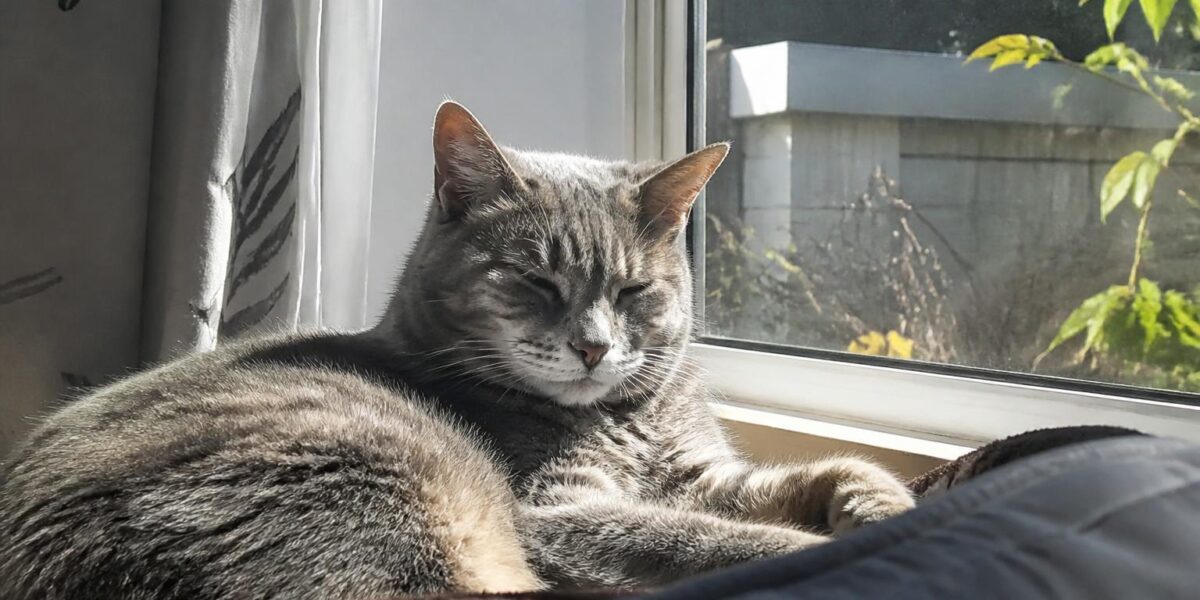
Keep the house at a comfortable temperature and ensure your cat has access to sunlit resting areas during the day. A window perch with a soft pad positioned to catch afternoon sun can become a senior cat’s most treasured spot.
How Often Should a Senior Cat See the Vet?
While annual checkups are sufficient for most healthy adult cats, senior cats should see the veterinarian at least twice per year. Conditions like kidney disease, hyperthyroidism, and diabetes can develop and progress significantly within a six-month window. Semi-annual visits give your vet the best chance of catching problems early.
Each senior wellness visit should ideally include:
- Complete blood count (CBC) — checks for anemia, infection, and blood cell abnormalities
- Blood chemistry panel — evaluates kidney function, liver values, blood sugar, and electrolytes
- Thyroid level (T4) — screens for hyperthyroidism
- Urinalysis — assesses kidney concentrating ability and checks for infection or crystals
- Blood pressure measurement — hypertension is common in senior cats and can damage the eyes, kidneys, and brain
- Weight check and body condition score — tracks trends that may signal underlying disease
- Thorough physical exam — including dental assessment, joint palpation, and abdominal palpation for masses
Keep a journal of any changes you notice at home — weight fluctuations, appetite shifts, litter box habits, activity level, behavioral quirks — and bring it to each appointment. These observations provide your vet with invaluable context that a brief exam alone might miss.
Cognitive Changes in Senior Cats
Just like humans, cats can experience cognitive decline as they age. Feline cognitive dysfunction syndrome (CDS) affects a significant percentage of cats over 15, though it can begin earlier. It’s essentially the feline equivalent of dementia.
Signs of cognitive dysfunction in cats include:
- Disorientation — staring at walls, getting stuck in corners, appearing confused in familiar rooms
- Altered sleep-wake cycles — sleeping all day and becoming restless or vocal at night
- Excessive vocalization — loud, plaintive meowing, especially at night, for no apparent reason
- Forgetting learned behaviors — such as litter box habits or responses to their name
- Decreased interest in interaction — withdrawing from family members or other pets
- Changes in grooming habits — either neglecting grooming entirely or overgrooming certain areas
- Anxiety or irritability — becoming easily startled or uncharacteristically aggressive
If you notice these signs, bring them to your veterinarian’s attention. Other medical conditions — including hyperthyroidism, hypertension, pain, and sensory decline — can mimic cognitive dysfunction, so a thorough workup is important to rule out treatable causes.
While there’s no cure for CDS, several strategies can help. Environmental enrichment, a consistent routine, nightlights for nighttime navigation, puzzle feeders for mental stimulation, and dietary supplements like omega-3 fatty acids and antioxidants may slow progression. Some veterinarians also prescribe medications to manage anxiety and improve nighttime rest.
Assessing Quality of Life
One of the most difficult aspects of senior cat care is honestly evaluating whether your cat is still enjoying life. It’s a question every devoted cat owner eventually faces, and there’s no single right answer — but there are frameworks that can help.
Consider these factors when assessing your senior cat’s quality of life:
- Pain management — Is your cat’s pain being adequately controlled? Does she still seem comfortable at rest?
- Appetite and hydration — Is she eating and drinking enough to maintain her weight and hydration?
- Hygiene — Can she groom herself, or is she becoming matted and soiled?
- Mobility — Can she get to food, water, and the litter box without significant difficulty?
- Happiness — Does she still seek interaction, purr, or show interest in her surroundings?
- Good days versus bad days — Are the good days still outnumbering the bad?
Your veterinarian is an essential partner in this assessment. They can provide objective perspective on your cat’s condition and help you understand what treatment options remain. Many veterinary practices also offer palliative care and hospice services that focus on comfort and dignity.
It’s worth remembering that adopting a senior cat is one of the most compassionate things a person can do. Older cats in shelters are often overlooked in favor of kittens, yet they have so much love and companionship to offer. If you’re considering adding a feline companion to your family, don’t overlook the graying faces — they might just be the perfect fit.
Frequently Asked Questions
At what age is a cat considered senior?
Most veterinarians classify cats as senior at around 11 years old. Cats aged 15 and older are typically considered geriatric. However, individual health, breed, and lifestyle factors influence how quickly a cat ages. Indoor cats and certain breeds tend to have longer lifespans. Regular veterinary checkups become especially important once your cat reaches her senior years.
What are the first signs of kidney disease in cats?
The earliest signs of chronic kidney disease in cats are increased thirst and more frequent urination. You may notice your cat visiting the water bowl more often, drinking from unusual sources like faucets or sinks, or producing larger clumps in the litter box. Weight loss, decreased appetite, and occasional vomiting may follow. Because these signs develop gradually, routine blood work is the most reliable way to detect kidney disease in its early, most manageable stages.
Should I switch my senior cat to wet food?
Incorporating wet food into a senior cat’s diet is generally a good idea. Wet food provides significantly more moisture than dry food, which supports kidney health and helps prevent dehydration — a common concern in older cats. It’s also softer and easier to eat for cats with dental issues. You don’t necessarily need to eliminate dry food entirely; many owners successfully feed a combination of both. Discuss your cat’s specific nutritional needs with your veterinarian.
How often should a senior cat visit the vet?
Senior cats should have veterinary wellness exams at least twice per year rather than the once-yearly schedule recommended for healthy adult cats. Semi-annual visits allow your veterinarian to monitor trends in blood work, weight, and overall condition, catching problems like kidney disease, hyperthyroidism, and diabetes before they become advanced. More frequent visits may be needed if your cat has a diagnosed chronic condition.
Why does my old cat yowl at night?
Nighttime vocalization in senior cats can have several causes. Cognitive dysfunction syndrome — similar to dementia in humans — is one of the most common reasons and causes confusion, disorientation, and anxiety after dark. However, hyperthyroidism, high blood pressure, pain, hearing loss, and vision decline can also trigger excessive vocalization. A veterinary exam is essential to identify and treat any underlying medical cause before assuming the behavior is purely cognitive.
How can I help my arthritic senior cat?
Start by making your home easier to navigate: provide low-entry litter boxes, pet stairs or ramps to favorite perches, heated beds for sore joints, and elevated food bowls. Talk to your veterinarian about pain management options, which may include anti-inflammatory medications, joint supplements, laser therapy, or newer injectable treatments designed specifically for feline arthritis. Keeping your cat at a healthy weight also reduces stress on joints significantly.


