
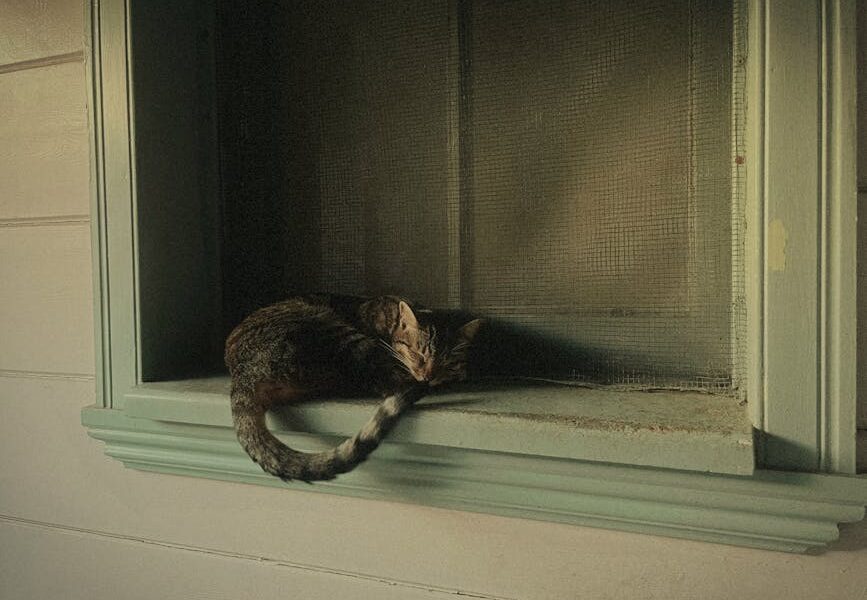
Why Senior Cats Need Wellness Exams Every Six Months
The American Association of Feline Practitioners (AAFP) Senior Care Guidelines recommend wellness examinations at least every six months for cats aged ten and older — some references push the threshold to eleven, but the spirit is the same. Cats are stoic. They mask disease behaviorally until late, which is exactly why an external structured check at a defined cadence catches what owners cannot.
In this article
- Why Senior Cats Need Wellness Exams Every Six Months
- When a Cat Becomes “Senior”
- The Feline-Specific Challenges
- What the Senior Cat Wellness Exam Covers
- Diagnostics That Belong at Senior Cat Visits
- Carrier Conditioning and Cat Friendly Practice
- Housecall and Mobile Veterinary Options
- Pre-Visit Pharmaceuticals for Senior Cats
- What to Bring to the Senior Cat Visit
- When to Call Sooner Than Six Months
- Senior Cat Adoption
- How AAFP Defines Life Stages
- The Anesthesia and Procedure Conversation
- Multi-Cat Households and Senior Wellness
- Frequently Asked Questions
The senior cat wellness exam frequency conversation is also a conversation about stress reduction. A six-month cadence built on Fear Free, AAFP Cat Friendly Practice, carrier-conditioning, and where appropriate housecall medicine looks nothing like the once-a-year stress event many owners remember from their own childhood cats.
This guide is informational and not a substitute for veterinary advice. Your veterinarian — and a DACVIM internist or DACVB behaviorist where indicated — directs your individual cat’s care.
When a Cat Becomes “Senior”
AAFP classifies cats aged eleven to fourteen as senior and cats fifteen-plus as geriatric. Many practices begin q6mo wellness at age ten as a practical entry point. See our companion piece on when a cat is considered senior.
Indoor lifestyle, body condition, and concurrent conditions all matter. A lean indoor twelve-year-old with no known disease is on a different trajectory from a fifteen-year-old hyperthyroid CKD cat — but both benefit from twice-yearly check-ins.
The Feline-Specific Challenges
Cats are exceptional at hiding disease. Early chronic kidney disease, early hyperthyroidism, oral pain, and osteoarthritis routinely present as subtle behavior changes that owners attribute to “just getting older.” A senior cat that hides more, drinks slightly more, vomits weekly, or stops jumping to high perches is often a cat with stage 2 CKD, early hyperthyroid disease, or arthritis — not a cat slowing down naturally.
The veterinary-visit experience itself can be the barrier. Stressed cats present skewed clinical pictures (stress hyperglycemia, stress hypertension, suppressed appetite reports), and an unpleasant carrier-and-clinic experience makes owners postpone the next visit. See our piece on vet-visit anxiety in cats for the framework.
What the Senior Cat Wellness Exam Covers
A thorough senior cat exam includes:
- Detailed history — water intake (jug-method measurement is gold), appetite, vomiting frequency, hairball frequency, litter box habits, jumping ability, grooming, vocalization, and any cognitive changes
- Weight, body condition score, and muscle condition score — sarcopenia is common
- Full physical — thyroid palpation (look for a “slip” of a nodule), abdominal palpation (small kidneys, large kidneys, thickened bowel), oral exam, lymph nodes, cardiopulmonary auscultation, joint palpation
- Blood pressure — especially for cats with CKD, hyperthyroidism, or retinopathy concerns
Diagnostics That Belong at Senior Cat Visits
A senior cat database typically includes a CBC, chemistry panel with SDMA, total T4, urinalysis with specific gravity and UPC, and blood pressure. The interpretation framework is covered in our senior blood panel and urinalysis interpretation guide.
Thyroid screening is high-value in cats — the T4-then-free T4 by ED workflow is the standard senior cat approach.
Specific gravity is the single most useful screening test for early CKD in cats. A cat with USG below approximately 1.035 plus subtle clinical changes warrants further workup even with normal creatinine.
Carrier Conditioning and Cat Friendly Practice
The single biggest lever for senior-cat wellness adherence is fixing the carrier experience. Read our cat carrier training for vet visits guide and start weeks before the appointment — the carrier should live as furniture in your home, not as the predator-shaped box that emerges only for vet trips.
AAFP Cat Friendly Practice certification signals a clinic that has invested in low-stress feline handling — pheromone use, species-separated waiting, gentle handling, and exam-room scales. Ask whether your clinic is certified or has a Fear Free Certified Professional on staff.
Housecall and Mobile Veterinary Options
For cats with severe vet-visit anxiety, end-stage carrier resistance, or significant osteoarthritis that makes transport itself a welfare issue, in-home wellness exams can transform adherence. See our overview of Fear Free housecall veterinary medicine.
Mobile-vet limitations exist — diagnostic imaging and complex bloodwork sometimes need a hospital — but for routine senior wellness, the housecall model is increasingly the standard.
Pre-Visit Pharmaceuticals for Senior Cats
Gabapentin given at home before the appointment is well-supported in feline veterinary medicine as a pre-visit anxiolytic. Trazodone is used variably. Your veterinarian prescribes and adjusts; this is not a self-medication decision. The goal is a calmer cat, a more accurate exam, and a less traumatized animal at the next visit.
What to Bring to the Senior Cat Visit
- Written notes on water intake, appetite, litter habits, vomiting frequency
- Photos or short videos of any odd gait, grooming, or behavior
- Current medications and supplements list
- The carrier set up to be familiar (towel from home, favorite treats inside)
- A fresh urine sample where feasible
When to Call Sooner Than Six Months
Do not wait for the next scheduled visit if your senior cat shows sudden appetite change, marked increase or decrease in water intake, vomiting more than once a week, weight loss, hiding behavior change, litter-box accidents, breathing changes, or vocalization changes that are out of character. Senior cats compensate for disease until they cannot — by the time decompensation appears, the underlying condition is usually well established.
Senior Cat Adoption
Senior cats are some of the most rewarding adoptions in any shelter — known temperaments, calm energy, low maintenance. The q6mo wellness framework keeps care predictable and budget-able. Senior cat adoption is genuinely worth it. The standard adopted-senior workflow includes a full new-patient exam, a senior bloodwork database, urinalysis, blood pressure, and a thoughtful conversation about the cat’s history, vaccination status, and any pre-existing conditions. The first months at home benefit from a slightly closer cadence; once stable, the q6mo rhythm settles in.
How AAFP Defines Life Stages
AAFP recognizes four feline life stages relevant to senior care: mature adult (seven to ten), senior (eleven to fourteen), geriatric (fifteen and older), and end-of-life. The q6mo wellness recommendation begins at the senior stage threshold and accelerates further (some practices move to every three to four months) at the geriatric threshold for cats with concurrent disease.
The life-stage framework matters because it shapes screening intensity. A mature adult cat at age eight might still be on an annual wellness cadence; the same cat at eleven moves to q6mo. A geriatric cat at sixteen with stable CKD might need quarterly recheck visits. Your veterinarian individualizes the cadence to the cat, not just the age.
The Anesthesia and Procedure Conversation
Senior cat wellness visits often surface findings that warrant brief anesthetic procedures — dental cleaning, mass aspirate, biopsy. The q6mo framework integrates pre-anesthetic planning naturally: the recent bloodwork is fresh, the BP and weight are documented, and concurrent disease is staged. Senior age alone is not a contraindication to anesthesia in cats; properly staged anesthesia with appropriate monitoring is the standard, and the q6mo wellness exam is the entry point to that planning.
Many senior cats have undiagnosed hypertrophic cardiomyopathy that can complicate anesthesia. Screening — auscultation at every visit, NT-proBNP or echocardiography when indicated — fits into the wellness framework rather than waiting for an anesthetic event to reveal the problem.
Multi-Cat Households and Senior Wellness
In multi-cat homes, age cohorts often span widely — a household with a three-year-old, an eight-year-old, and a fourteen-year-old. The wellness cadence diverges accordingly. Practical tips: stagger appointments to reduce carrier-stress on any one cat, label each carrier clearly, and keep separate medication routines per cat to avoid mix-ups. Multi-cat households benefit particularly from individualized BCS/MCS tracking, since feeding stations and free-feed cultures can mask weight changes in any one cat.
The Specific-Gravity Argument for Fresh Urine Samples
USG is the single most useful early-CKD signal in cats, and it requires a fresh sample. Home-collection techniques (non-absorbable litter for one collection, transfer to clean container, refrigerate, deliver within hours) make the test feasible for owners willing to try. Some clinics provide collection kits; some prefer to obtain a free-catch or cystocentesis sample at the visit. Either route, the data point matters — a senior cat with normal creatinine and dilute urine is in a different surveillance bracket than one with normal creatinine and well-concentrated urine.
Frequently Asked Questions
Why does AAFP say twice a year for cats and AAHA say twice a year for dogs at age seven?
Species aging biology differs. Cats compress aging into a different curve and tend to mask disease longer, but both guidelines converge on twice-yearly wellness as the senior cadence.
My cat panics at the vet. Is q6mo really worth it?
Yes — and the way to make it sustainable is carrier conditioning, Cat Friendly Practice clinics, pre-visit gabapentin where vet-prescribed, and housecall options where appropriate. A frightening visit once a year is often worse welfare than two well-prepared low-stress visits.
What is SDMA and why does it matter for senior cats?
SDMA (symmetric dimethylarginine) is a renal biomarker that detects approximately 40 percent reduction in GFR, well before creatinine shifts (which lags until roughly 75 percent nephron loss). It is one of the most useful early-CKD signals in cats.
Does my indoor cat really need vaccines as a senior?
Vaccination decisions are individualized and lifestyle-based. See our senior pet vaccination decisions piece on titer testing and reduced-schedule conversations with your vet.
When should my senior cat see a DACVIM internist?
When primary-care diagnostics raise complex questions — borderline thyroid panels with concurrent CKD, multi-organ disease, unexplained weight loss, or resistant hypertension. Your veterinarian initiates the referral.


