
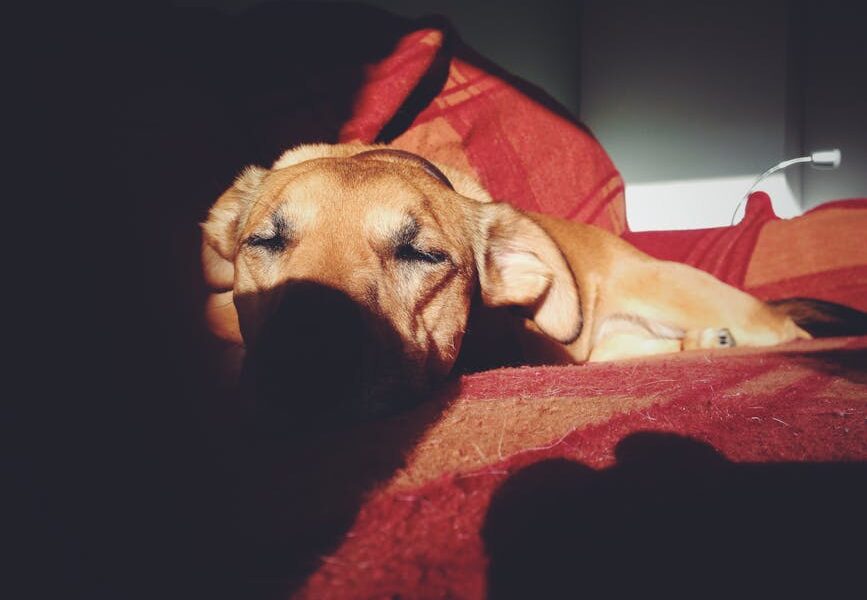
When Nighttime Pacing Becomes a Pattern
If your senior dog is restless at night — pacing the hallway, whimpering, panting, or unable to settle down — you are dealing with more than a minor inconvenience. Nighttime restlessness in older dogs is usually a symptom of an underlying issue that deserves attention.
In this article
Occasional restless nights happen to every dog. But when it becomes a pattern — several times a week or nightly — something is going on beneath the surface. The causes range from treatable physical conditions to cognitive changes, and pinpointing the right one makes all the difference in finding an effective solution.
You know your dog best. Changes in nighttime behavior in a dog who used to sleep soundly through the night are significant and worth investigating with your veterinarian.
Common Causes of Nighttime Restlessness
Understanding the potential causes helps you have a more productive conversation with your vet and narrow down what is happening with your dog.
Pain and Discomfort
Arthritis, hip dysplasia, and spinal issues are extremely common in senior dogs and tend to worsen when the dog is lying in one position for extended periods. A dog who is uncomfortable may get up repeatedly to shift positions, pace to try to find relief, or pant from discomfort.
Dental pain, urinary tract infections, gastrointestinal discomfort, and bloating can also disrupt sleep. Pain is often the first thing your veterinarian will investigate when a senior dog is restless at night.
Canine Cognitive Dysfunction (CCD)
CCD is essentially the dog equivalent of dementia. It affects an estimated 28 percent of dogs aged 11 to 12 and over 60 percent of dogs over 15. Disrupted sleep-wake cycles are one of the hallmark symptoms.
Dogs with CCD may sleep more during the day and become restless, confused, or vocal at night. Other signs include disorientation in familiar spaces, staring at walls, getting stuck in corners, forgetting house training, and decreased interaction with family members.
Anxiety
Senior dogs can develop anxiety that was not present in their younger years. This can be triggered by declining vision or hearing (the dark becomes more disorienting), changes in household routine, loss of a companion pet, or generalized anxiety related to cognitive decline.
Noise sensitivity can also increase with age. Sounds that never bothered your dog before — the furnace kicking on, a distant siren — may suddenly trigger restlessness.
Medical Conditions
Several medical conditions common in senior dogs can cause nighttime restlessness:
- Cushing’s disease — Causes increased thirst, urination, hunger, and panting, all of which can disrupt sleep.
- Hypothyroidism — Can cause lethargy during the day and restlessness at night.
- Heart disease — Fluid buildup in the lungs can make lying down uncomfortable, leading to pacing and panting.
- Urinary incontinence or increased urination — A full bladder or discomfort from incontinence wakes the dog repeatedly.
Getting the Right Diagnosis
Because the causes of nighttime restlessness are so varied, a thorough veterinary workup is essential. Before your appointment, document your dog’s behavior:
- When did the restlessness start?
- How often does it occur?
- What does it look like (pacing, whining, panting, seeking you out)?
- Have there been any other behavioral or physical changes?
- Is your dog sleeping more during the day?
- Has anything changed in your household recently?
A video of your dog’s nighttime behavior can be incredibly helpful for your vet. Set up a phone to record for 30 to 60 minutes during a restless episode.
Your vet will likely perform a physical exam, bloodwork, urinalysis, and possibly X-rays. If pain and medical conditions are ruled out, cognitive dysfunction becomes the likely focus. There is no single test for CCD, but your vet may use a behavioral checklist and brain imaging in some cases.
Pain Management Solutions
If pain is the underlying cause, addressing it often resolves the nighttime restlessness quickly. Your veterinarian may recommend:
Anti-inflammatory medications like carprofen or meloxicam to reduce joint inflammation and pain. These are available by prescription only and require regular bloodwork to monitor organ function.
Joint supplements containing glucosamine, chondroitin, and omega-3 fatty acids. These work best as part of a long-term management plan and may take several weeks to show full effect.
An orthopedic bed. Memory foam or gel-filled beds distribute body weight more evenly and reduce pressure on sore joints. Place the bed in a warm, draft-free location — cold temperatures worsen arthritis pain.
Physical therapy and gentle exercise. Controlled walks, swimming, and range-of-motion exercises maintain muscle mass and joint flexibility. Consistent gentle activity throughout the day can improve sleep quality at night.
If your dog’s pain management plan includes medication, give the evening dose on a schedule that provides maximum coverage through the night.
Managing Canine Cognitive Dysfunction
CCD is not curable, but it can be managed to slow progression and improve quality of life. A multi-pronged approach works best:
Medication. Selegiline (Anipryl) is the only FDA-approved medication for CCD in dogs. It works by increasing dopamine levels in the brain and can improve alertness, reduce confusion, and help normalize sleep-wake patterns. Results typically take four to six weeks.
Diet and supplements. Diets rich in antioxidants, medium-chain triglycerides (MCTs), and omega-3 fatty acids support brain health. Your vet may recommend a prescription brain-health diet or supplements like SAMe or melatonin.
Melatonin. A natural sleep-regulating hormone that can help reset your dog’s disrupted sleep-wake cycle. Always check with your vet on the appropriate dose before giving melatonin — some formulations contain xylitol, which is toxic to dogs.
Environmental enrichment. Mental stimulation during the day — puzzle feeders, gentle training sessions, sniff walks — helps maintain cognitive function. A mentally engaged dog during the day is more likely to sleep at night.
Routine and predictability. Dogs with CCD thrive on consistency. Keep feeding, walking, and bedtime schedules as regular as possible. Avoid rearranging furniture or making major household changes that could increase confusion.
Nighttime Environment Adjustments
Regardless of the underlying cause, optimizing your dog’s sleep environment can make a meaningful difference.
- Night lights. Dogs with declining vision or cognitive confusion feel less disoriented when they can see their surroundings. Place small night lights in hallways, near water bowls, and in the room where your dog sleeps.
- White noise. A fan or white noise machine muffles sudden sounds that might startle a noise-sensitive senior dog awake.
- Temperature control. Senior dogs are less efficient at regulating body temperature. Make sure the sleeping area is warm in winter and cool in summer. A heated pet pad (with auto-shutoff for safety) can soothe arthritic joints on cold nights.
- Close proximity. Many restless senior dogs settle better when they can sleep near their owner. If your dog is pacing the house looking for you, moving their bed into your bedroom may be all it takes to calm them.
- Last call potty break. Take your dog outside right before bed for a final bathroom break. A full bladder is a common and easily fixable cause of nighttime waking.
If your senior dog was recently adopted, nighttime restlessness can also be part of the adjustment period. Rescue dogs may take several weeks to feel secure enough to sleep soundly in a new home. Patience, routine, and a comfortable sleeping setup help enormously.
When to Seek Veterinary Help
Schedule a vet appointment if nighttime restlessness is occurring more than twice a week, is getting worse over time, is accompanied by other behavioral or physical changes, or if your dog seems to be in pain.
Seek urgent care if your dog is panting heavily without exertion, has a distended abdomen, seems unable to get comfortable in any position, or collapses. These can indicate serious conditions like bloat, heart failure, or severe pain that need immediate attention.
Many causes of nighttime restlessness are very treatable, especially when caught early. Do not dismiss the behavior as “just old age” — your senior dog deserves comfort and quality of life, and your vet has tools to help.
Frequently Asked Questions
Is it safe to give my senior dog melatonin for sleep?
Melatonin is generally considered safe for dogs at appropriate doses, but you should always consult your veterinarian first. Some melatonin products contain xylitol, an artificial sweetener that is toxic to dogs. Your vet can recommend a safe product and dosage based on your dog’s size and health status.
Should I let my restless senior dog sleep in my bed?
If it helps your dog settle and you are comfortable with it, there is no harm in letting a restless senior dog sleep near you or on your bed. Many dogs are calmed by proximity to their owner. If sharing the bed disrupts your sleep, placing their bed next to yours on the floor can offer the same reassurance.
Can canine cognitive dysfunction be prevented?
There is no guaranteed prevention, but research suggests that lifelong mental stimulation, regular physical exercise, a diet rich in antioxidants and omega-3 fatty acids, and consistent social interaction may reduce the risk or delay the onset. Keeping your dog mentally and physically active throughout their life is the best strategy.
My senior dog is panting at night but not during the day. What does that mean?
Nighttime panting without daytime panting can indicate pain that worsens when the dog lies down (common with arthritis and heart disease), anxiety triggered by the dark or nighttime sounds, or a response to the sleeping position putting pressure on sore areas. It can also be a sign of Cushing’s disease or respiratory issues. A veterinary evaluation is important to determine the cause.


