
Last updated: May 4, 2026
In this article
Shiba Inu Dog Breed Profile
Few dogs command attention quite like the Shiba Inu. With their alert, fox-like expression, plush double coat, and confident bearing, these compact Japanese spitz-type dogs look like they stepped out of a folktale. But there is far more to them than good looks. The Shiba Inu is one of the oldest and most primitive dog breeds still in existence, carrying centuries of hunting instinct, fierce independence, and surprising devotion toward the people they trust. Whether you are an experienced dog owner drawn to their spirited personality or a first-time adopter captivated by their appearance, understanding what makes a Shiba Inu tick is essential before welcoming one into your home. This profile covers everything you need to know — from temperament and training to grooming and health — so you can decide whether this remarkable breed is the right fit for your lifestyle.
Quick Facts
| Attribute | Details |
|---|---|
| Breed Group | Non-Sporting (AKC) / Primitive / Spitz |
| Size | Small to Medium |
| Weight | 17 – 23 lbs (males slightly larger) |
| Height | 13.5 – 16.5 inches at the shoulder |
| Life Expectancy | 13 – 16 years |
| Coat Type | Double coat — stiff outer coat, soft dense undercoat |
| Colors | Red, sesame, black and tan, cream |
| Energy Level | Moderate to High |
| Good With Kids | With supervision and early socialization |
| Good With Other Dogs | Can be selective; better as sole pet |
| Shedding | High — especially during seasonal coat blows |
| Trainability | Moderate — intelligent but strong-willed |
| Barking Level | Low, but capable of the distinctive “Shiba scream” |
Personality and Temperament
The Shiba Inu is often described as cat-like, and for good reason. They are clean, self-grooming, fiercely independent, and operate very much on their own terms. A Shiba Inu will not follow you from room to room seeking constant approval. Instead, they observe their surroundings with quiet intensity, choosing when to offer affection and when to keep their own company. This independence is not a flaw — it is a defining characteristic of the breed, rooted in centuries of hunting and survival without heavy human direction.
Despite their aloof exterior, Shiba Inus are deeply loyal to their family. They form strong bonds with their core household members and can be surprisingly affectionate behind closed doors, even if they maintain an air of dignity in public. They are bold without being aggressive, alert without being neurotic, and confident without tipping into recklessness. That said, their spirited nature means they can be possessive over food, toys, and territory — a trait that requires consistent management from day one. They tend to be reserved with strangers, making early and broad socialization essential. Owners who appreciate a dog with personality, substance, and a touch of stubbornness tend to find the Shiba Inu endlessly rewarding.
Appearance
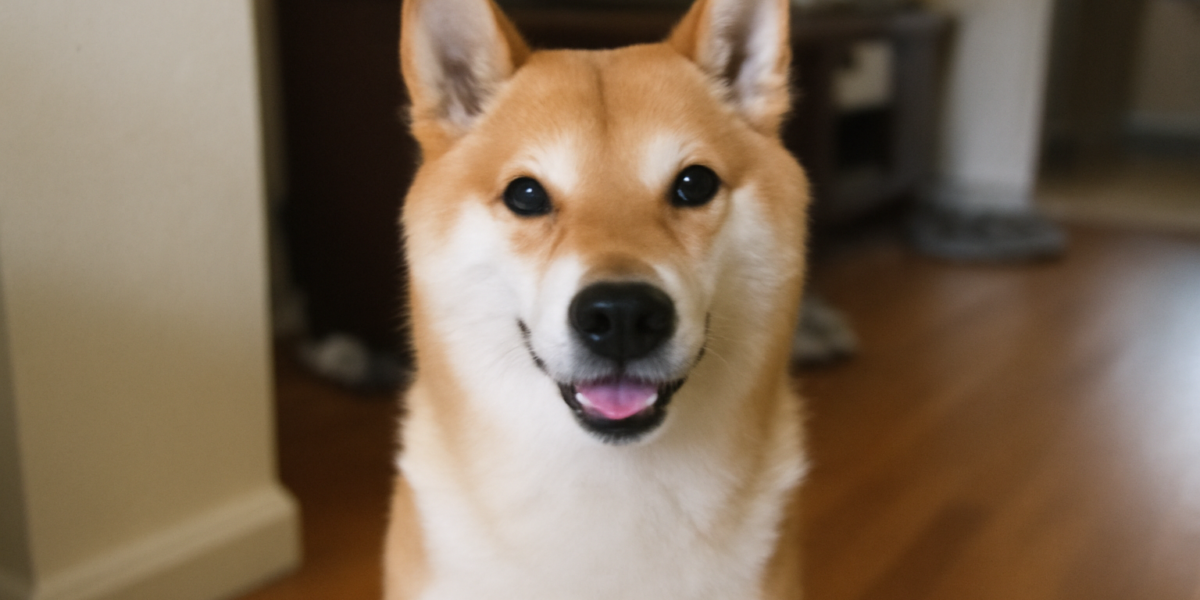
The Shiba Inu is a compact, well-muscled dog built for agility and endurance in mountainous terrain. Their most striking feature is a fox-like face: triangular, upright ears, dark almond-shaped eyes, and a broad forehead that gives them an expression of constant alertness. Their tightly curled tail — carried over the back in a sickle or curl — is a hallmark of the spitz family and one of the Shiba’s most recognizable traits.
Their double coat consists of a stiff, straight outer coat and a thick, soft undercoat that insulates against cold and heat alike. The most common and iconic color is red — a rich, vivid rust tone — but Shiba Inus also come in sesame (red with black-tipped hairs), black and tan, and cream. The AKC breed standard calls for “urajiro,” a specific pattern of cream or white markings on the cheeks, muzzle, throat, chest, and underside, which contrasts beautifully against the main coat color. Overall, the breed projects a sense of refined athleticism — compact but never fragile, bold but always balanced.
Exercise Needs
Despite their small-to-medium size, the Shiba Inu is not a low-energy lapdog. These dogs were bred to hunt small game through dense mountain terrain in Japan, and that working heritage translates into a daily need for meaningful physical activity. A Shiba Inu that does not receive adequate exercise is likely to become restless, vocal, and potentially destructive.
Plan for at least 45 to 60 minutes of exercise per day, split across two walks or a walk combined with active play. They enjoy brisk walks, hiking on trails, and exploring new environments — their curious nature means mental stimulation is just as important as physical output. A securely fenced yard is a significant advantage, as Shiba Inus have a strong prey drive and are known escape artists who will bolt after a squirrel without a second thought. Off-leash parks carry risk unless recall is exceptionally reliable, which is rare for this breed. Puzzle toys, scent games, and structured training sessions can supplement physical exercise and help keep a Shiba Inu’s sharp mind engaged. For more guidance on keeping active dogs stimulated, visit our dog care blog.
Grooming Needs
The Shiba Inu is a naturally clean dog with minimal odor — they actively groom themselves much like a cat and rarely require frequent baths. However, their dense double coat is a serious shedder, and owners must be prepared for that reality year-round, with two dramatic periods known as “blowing coat” each year, typically in spring and autumn.
During these seasonal coat blows, the undercoat releases in large, fluffy clumps over a period of two to four weeks. Daily brushing with a slicker brush and an undercoat rake during these periods is essential to manage the volume of loose fur and prevent matting. Outside of shedding season, a weekly brushing is usually sufficient to keep the coat tidy and healthy. Bathing every six to eight weeks — or only when truly dirty — is generally adequate. Nails should be trimmed every three to four weeks, ears checked and cleaned monthly, and teeth brushed regularly. Despite being a moderate-maintenance breed overall, the twice-yearly coat blow is something every prospective owner should factor into their expectations before adopting.
Health and Common Issues
The Shiba Inu is generally a robust and long-lived breed, with many individuals reaching 13 to 16 years. Their primitive genetic background contributes to a relatively sound constitution, but like all purebred dogs, they carry predispositions to certain health conditions that owners and rescue adopters should know.
Allergies are among the most commonly reported issues in the breed. These can manifest as skin irritation, itching, hot spots, or recurring ear infections, and are often triggered by environmental allergens or food sensitivities. Patellar luxation — a condition where the kneecap slips out of position — is seen with some frequency and may range from mild to severe, occasionally requiring surgical correction. Eye conditions, including progressive retinal atrophy (PRA) and glaucoma, are also noted in the breed and can lead to vision impairment if not caught early. Hypothyroidism and certain cardiac conditions are occasionally reported. Regular veterinary check-ups, a high-quality diet, appropriate weight management, and routine screening for genetic conditions all go a long way in supporting a long, healthy life for a Shiba Inu. Always ask rescues or breeders about health histories and any available screening records.
Are Shiba Inus Good With Kids and Other Pets?
The answer, as with most things related to the Shiba Inu, is nuanced. They can absolutely live alongside children and other animals, but they are not naturally the patient, roll-with-anything family dog that some other breeds offer. A Shiba Inu raised with children from puppyhood and given clear, consistent boundaries is far more likely to be tolerant and even affectionate toward younger family members. However, their independent streak and tendency toward possessiveness — especially around food and toys — means supervision is always warranted, and small children should be taught to respect the dog’s space.
With other pets, outcomes vary widely. Some Shiba Inus coexist peacefully with cats, particularly if introduced early, while others maintain a high prey drive that makes feline cohabitation stressful. Same-sex aggression toward other dogs is not uncommon, and many Shiba Inus do best as the only dog in the household. A slow, properly managed introduction process gives multi-pet households the best chance of success. Consulting with a rescue organization that has assessed the individual dog’s history and temperament is invaluable when matching a Shiba Inu to the right home.
Training Tips
Training a Shiba Inu is a rewarding challenge — emphasis on both words. They are highly intelligent dogs who pick up concepts quickly, but their independent nature means they will decide for themselves whether following a command is worth their while. Harsh corrections, punishment-based methods, or heavy-handed handling are not only ineffective with this breed — they are actively counterproductive, causing a Shiba Inu to shut down, become defensive, or simply disengage entirely.
Positive reinforcement is the only approach that works consistently. Use high-value treats, short training sessions of five to ten minutes, and keep the energy upbeat and rewarding. Shiba Inus respond especially well when training feels like a game rather than a drill. Focus on building a strong recall from puppyhood — it is arguably the most important command for this prey-driven breed. Leash manners, impulse control, and socialization should begin early and continue throughout adolescence. Enrolling in a structured obedience class taught by a trainer experienced with independent breeds is strongly encouraged. Patience, consistency, and a sense of humor are the three essential tools for anyone training a Shiba Inu.
History and Origin
The Shiba Inu is one of Japan’s oldest native dog breeds and the smallest of the six original Japanese spitz breeds. Archaeological evidence suggests the Shiba’s ancestors arrived in Japan with the Jomon people as far back as 300 BC, making them one of the most ancient domestic dog lineages still in existence. Historically, they were used to hunt small game — birds, rabbits, and occasionally wild boar — across the rugged mountain terrain of the Chubu region. The name “Shiba Inu” loosely translates to “brushwood dog,” likely referencing either the brushwood forests where they hunted or the reddish-orange color of the brushwood leaves in autumn.
The breed came perilously close to extinction during World War II. A combination of wartime food shortages, Allied bombing campaigns, and a devastating post-war distemper epidemic reduced the Shiba Inu population to critically low numbers. Dedicated Japanese breeders rescued the remaining bloodlines and carefully rebuilt the breed through a coordinated preservation effort in the 1950s. The first Shiba Inu was imported to the United States in 1954, and the breed was officially recognized by the American Kennel Club in 1992. Today, the Shiba Inu is the most popular companion dog in Japan and has built an enthusiastic following worldwide.
Frequently Asked Questions About the Shiba Inu
Do Shiba Inus bark a lot?
Shiba Inus are not considered heavy barkers. They tend to be quiet compared to many other breeds, using vocalization selectively. However, they are famous for a phenomenon known as the “Shiba scream” — a high-pitched, dramatic vocalization they produce when highly excited, frustrated, or handled in ways they dislike (such as during nail trims). While not common in day-to-day life, the Shiba scream can be startling if you are not expecting it.
Are Shiba Inus a good choice for first-time dog owners?
The Shiba Inu is generally not recommended as a first dog for owners with no prior experience. Their independence, stubbornness, and strong prey drive require a confident, consistent handler who understands how to use positive reinforcement effectively and set clear expectations from day one. That said, a highly motivated first-time owner who thoroughly researches the breed, commits to training, and connects with a knowledgeable rescue or breed community can absolutely thrive with a Shiba Inu.
How much do Shiba Inus shed?
Quite a lot. The Shiba Inu sheds year-round at a moderate level, but twice a year — typically in spring and fall — they “blow” their undercoat in a dramatic, multi-week shedding event. During this time, daily brushing is necessary and even then, fur will appear on furniture, clothing, and floors in abundance. Owning a high-quality vacuum cleaner is a genuine practical necessity for Shiba Inu households.
Can Shiba Inus live in apartments?
Yes, provided their exercise needs are met consistently. The Shiba Inu’s relatively compact size and low-barking nature make them more apartment-friendly than many active breeds. However, daily walks and mental stimulation are non-negotiable regardless of living situation. A Shiba Inu in an apartment without adequate exercise will quickly become restless and difficult. Access to nearby parks, trails, or green space makes apartment living with a Shiba Inu significantly more manageable.
Adopt a Shiba Inu
If the Shiba Inu’s bold personality, striking appearance, and loyal nature resonate with you, adoption is a wonderful way to bring one of these remarkable dogs into your life. Shiba Inus do enter rescue — surrendered due to owner life changes, misunderstood temperaments, or the simple reality that some families underestimate the breed’s needs. Rescue Shiba Inus are often already house-trained and temperament-assessed, giving adopters a clearer picture of the dog they are welcoming home.
At Walkmehome Rescue, we believe every dog deserves a home that truly understands and appreciates them. Browse our available dogs and take the first step toward meeting your match. Visit our dog adoption page to see current listings, learn about our adoption process, and connect with a team that is passionate about placing dogs in the right homes. The right Shiba Inu is out there — and they are worth the effort.


