Last updated: April 27, 2026
In this article
Two Ancient Breeds, One Independent Spirit
If you are drawn to dogs with cat-like independence, fastidious grooming habits, and a streak of stubborn intelligence, the Shiba Inu vs Basenji comparison is likely on your radar. Both are primitive breeds — meaning they are genetically closer to wolves than most modern breeds — and both have earned reputations as challenging, rewarding, and utterly captivating companions.
The Shiba Inu hails from Japan, where it was bred to hunt small game in mountainous terrain. The Basenji originates from Central Africa, where it served as a versatile hunting dog in dense forests. Despite their geographic distance, these two breeds share a remarkable number of personality traits while differing in some significant ways.
This comparison breaks down temperament, size, exercise needs, grooming, health, and lifestyle compatibility to help you determine which of these spirited breeds — if either — is the right match for you.
Temperament and Personality
Both the Shiba Inu and the Basenji are fiercely independent, but they express it differently.
The Shiba Inu is bold, confident, and alert. They are loyal to their family but can be aloof with strangers. Shibas are known for the “Shiba scream” — a distinctive vocalization they produce when excited, annoyed, or simply dramatic. They are territorial, can be possessive of toys and food, and often prefer to do things on their own terms. Training a Shiba requires patience, consistency, and a good sense of humor.
The Basenji is curious, energetic, and mischievous. Often called the “barkless dog,” Basenjis do not bark in the traditional sense but produce a unique yodeling sound called a “barroo.” They are affectionate with their family but can be reserved with strangers. Basenjis are escape artists who will test every fence, gate, and enclosure you own. They are highly intelligent but use that intelligence to solve problems that benefit them — not necessarily you.
Both breeds require experienced owners. First-time dog owners may find the stubbornness and independence of either breed frustrating. Neither responds well to heavy-handed training. Positive reinforcement, short training sessions, and acceptance that you are negotiating rather than commanding are keys to success with both.
Size and Appearance
In the Shiba Inu vs Basenji size comparison, both breeds fall into the small-to-medium range but have distinct builds.
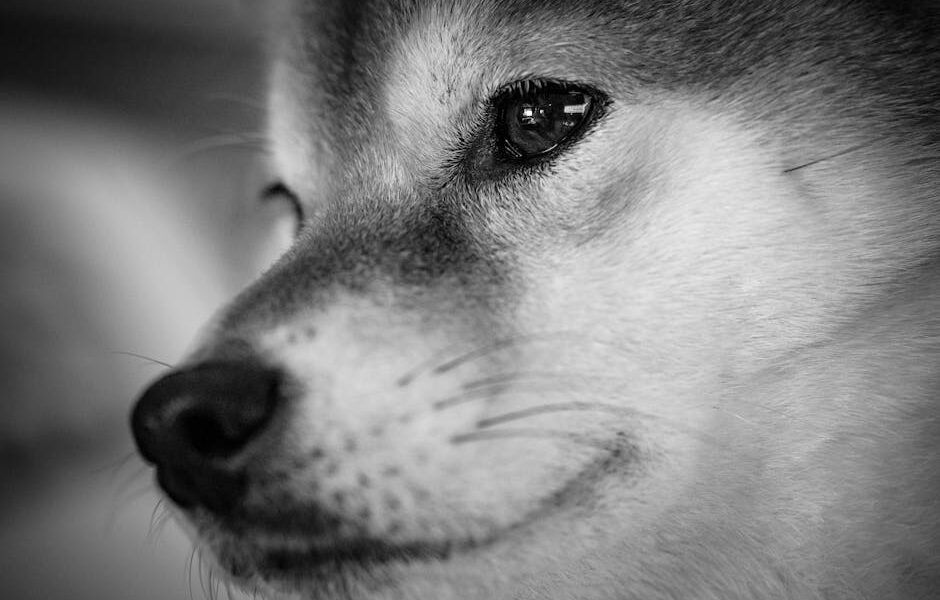
The Shiba Inu stands 13.5 to 16.5 inches tall and weighs 17 to 23 pounds. They have a compact, muscular build with a curled tail, erect triangular ears, and a double coat that gives them a plush, fox-like appearance. Coat colors include red, sesame, black and tan, and cream.
The Basenji stands 16 to 17 inches tall and weighs 22 to 24 pounds. They have a leaner, more elegant build with a tightly curled tail, large erect ears, and a short, fine coat. Their forehead wrinkles give them a perpetually thoughtful expression. Coat colors include red, black, tricolor, and brindle, all with white markings.
Both breeds are strikingly attractive and attract attention wherever they go. The Shiba’s plush coat gives them a cuddly appearance (which contrasts amusingly with their sometimes standoffish personality), while the Basenji’s sleek build and wrinkled brow give them an exotic, athletic look.
Exercise and Activity Needs
Both breeds need regular exercise, but their activity styles differ.
The Shiba Inu needs 45 to 60 minutes of exercise daily. They enjoy walks, hikes, and exploring with their noses. Shibas can be happy with moderate activity as long as it includes variety and mental stimulation. They are not typically obsessive ball-chasers or endless runners — they prefer purposeful activity with interesting scents and environments.
The Basenji has higher energy and needs 60 to 90 minutes of daily exercise. They are athletic, fast, and love to run. Lure coursing is a natural fit for their sighthound instincts. Basenjis need secure, fenced areas for off-leash running — their prey drive and escape tendencies make off-leash work in open areas risky unless recall is exceptionally solid (which, with a Basenji, is a tall order).
Both breeds become destructive when under-exercised. A bored Shiba may redecorate your furniture; a bored Basenji may dismantle your kitchen cabinets. Mental enrichment — puzzle feeders, scent games, and training challenges — is essential for both.
Grooming and Care
Grooming is one area where these breeds diverge significantly.
The Shiba Inu has a thick double coat that sheds heavily twice a year during “coat blowing” season. During these periods, fur comes out in alarming quantities, and daily brushing is necessary to manage the deluge. Outside of shedding season, weekly brushing keeps the coat in good condition. Shibas are famously clean dogs who groom themselves almost like cats and are often easy to house-train.
The Basenji has a short, fine coat that sheds minimally and requires very little brushing — a weekly wipe-down with a grooming mitt is sufficient. Basenjis are also fastidious self-groomers and have little to no doggy odor. Bathing is rarely needed. If low grooming maintenance is a priority, the Basenji has a clear advantage.
Both breeds need regular nail trims, ear checks, and dental care. Neither has breed-specific grooming challenges beyond the Shiba’s seasonal shedding.
Health and Lifespan
Both the Shiba Inu and the Basenji are generally healthy breeds with respectable lifespans.
Shiba Inu health considerations:
- Lifespan: 13–16 years
- Allergies (environmental and food-related)
- Patellar luxation
- Hip dysplasia
- Eye conditions (glaucoma, cataracts)
Basenji health considerations:
- Lifespan: 13–14 years
- Fanconi syndrome (a kidney disorder — a DNA test is available)
- Progressive retinal atrophy (PRA)
- Hip dysplasia
- Hypothyroidism
- Immune-related hemolytic anemia (IRHA)
The Basenji’s Fanconi syndrome is the most notable breed-specific concern. This kidney disorder affects the tubules’ ability to reabsorb nutrients, leading to glucose, amino acids, and electrolytes being lost in the urine. A DNA test allows breeders to identify carriers and avoid producing affected puppies. If you acquire a Basenji, ensure the breeder has tested for Fanconi.
Both breeds benefit from annual wellness exams, appropriate genetic testing, and keeping vaccinations and parasite prevention current. Consult your veterinarian about breed-specific screening schedules.
Which Breed Is Right for You?
Choosing between a Shiba Inu vs Basenji comes down to lifestyle and temperament preferences.
Choose a Shiba Inu if:
- You want a slightly calmer, more moderate energy dog
- You prefer a plush, fox-like appearance
- You can handle seasonal heavy shedding
- You appreciate a bold, confident personality
- You want a breed with wide availability and established breeder networks
Choose a Basenji if:
- You want a low-shedding, low-odor dog
- You prefer a sleek, athletic build
- You can provide higher levels of daily exercise
- You appreciate a quiet dog (no traditional barking)
- You enjoy the challenge of an exceptionally clever, escape-prone breed
Neither breed is recommended for first-time dog owners, households with very small children, or homes where the dog will be left alone for extended periods without enrichment. Both thrive with experienced owners who respect their independence while providing structure and boundaries.
Explore adoptable dogs if you are ready to welcome one of these remarkable breeds into your home. For more breed insights, read the Peruvian Inca Orchid breed profile for another independent primitive breed, or explore the best dogs for families with young children if your household needs a more tolerant temperament.
Frequently Asked Questions
Do Shiba Inus and Basenjis get along with other dogs?
Both breeds can coexist with other dogs but may be selective about their companions. Shibas can be dog-aggressive, especially with same-sex dogs. Basenjis generally do better with other dogs but may compete with them. Early socialization is critical for both breeds.
Can either breed be trusted off-leash?
Neither breed is reliably off-leash in unsecured areas. Both have strong prey drives and independent natures that override recall commands when something interesting catches their attention. Always use a leash or a securely fenced area.
Are Shiba Inus or Basenjis better for apartments?
Both can live in apartments with sufficient exercise. The Basenji’s minimal shedding and quiet nature (no traditional barking) give it a slight edge for apartment living, though its yodeling can still be noisy. The Shiba’s heavier shedding is more noticeable in small spaces.
Which breed is easier to train?
Neither is “easy” to train in the conventional sense. Both are intelligent but stubborn. The Shiba may be slightly more willing to cooperate once motivated, while the Basenji tends to question every request. Short, positive, reward-based sessions work best for both.
Do Basenjis really not bark?
Basenjis do not produce a standard bark due to their uniquely shaped larynx. However, they are far from silent. They yodel, whine, howl, and produce a range of vocalizations that can be quite loud. “Barkless” does not mean quiet.
Looking to adopt a Shiba Inu vs Basenji?
Browse Shiba Inu vs Basenji dogs and mixes available for adoption from shelters and rescues near you.
Find Shiba Inu vs Basenji Dogs for Adoption