
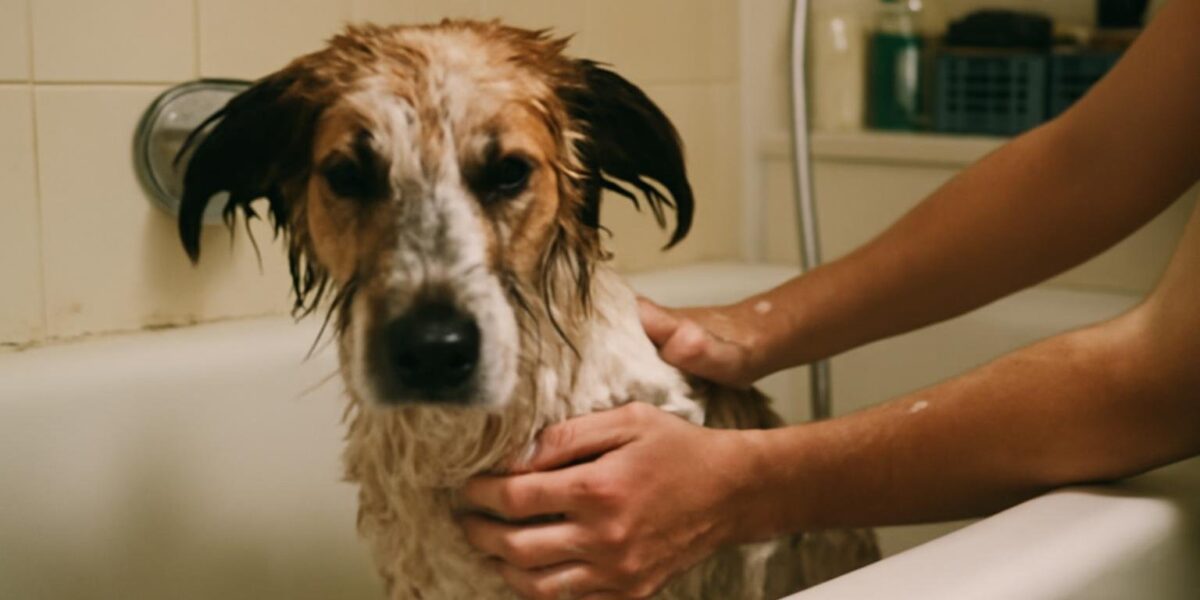
Should you bathe your cat? For most healthy cats, the answer is no — cats are meticulous self-groomers and rarely need a bath at all. Their tongues and saliva do an impressive job of keeping their coats clean, and unnecessary bathing can strip natural oils, dry out the skin, and create a stressful experience for an animal that mostly hates getting wet. That said, there are specific situations where a bath is the right call: a cat who’s gotten into something sticky or toxic, a senior or overweight cat who can no longer groom well, certain skin conditions, or a hairless breed who needs regular cleaning. The key is knowing the difference between “needs a bath” and “I think baths are part of pet care.”
In this article
Let’s look at why most cats don’t need bathing, when they genuinely do, and how to do it safely and calmly if the moment comes.
Why Most Cats Don’t Need Baths
Cats are built to groom themselves. The tiny backward-facing barbs on a cat’s tongue act like a comb, pulling dirt and loose hair from the coat. A healthy cat spends a large part of her waking hours grooming, which keeps her remarkably clean without any help from you.
Their skin also produces natural oils that condition the coat and provide a protective barrier. Frequent bathing washes those oils away, which can leave the skin dry, flaky, and itchy — the opposite of what you intended. Over-bathing can actually create skin problems where none existed.
On top of that, most cats find water frightening. Forcing a bath when it isn’t needed can damage your bond and make your cat fearful of handling in general. For the average indoor cat, brushing is far more useful than bathing.
When a Bath Is Actually Necessary
There are clear situations where bathing your cat is the responsible choice:
- She’s gotten into something dangerous or sticky — paint, oil, glue, or a substance she shouldn’t lick off her fur. Here a bath protects her health.
- She can no longer groom herself. Senior cats, very overweight cats, or those with arthritis may not reach all of their body, leading to a greasy or matted coat.
- A skin condition for which your vet has prescribed a medicated shampoo.
- Hairless breeds like the Sphynx, which lack a coat to absorb skin oils and need regular gentle bathing.
- Severe flea infestation as part of a vet-guided treatment plan.
Outside of these cases, if your cat simply looks a little dusty, a thorough brushing or a wipe with a damp cloth usually does the job without a full bath.
How to Decide for Your Cat
Ask whether the coat is genuinely dirty in a way grooming can’t fix, or whether you’re bathing out of habit. A cat with a clean, well-maintained coat who grooms normally doesn’t need a bath on a schedule.
Pay attention to changes. If your cat suddenly looks unkempt, greasy, or matted when she used to be tidy, that’s a signal worth investigating — it can point to obesity, dental pain, arthritis, or illness that’s stopping her from grooming. Bathing treats the symptom; the cause needs a vet’s eye.
Consider your cat’s temperament too. A calm, water-tolerant cat handles the occasional bath fine, while a panicky cat may do better with waterless options or professional grooming. Often a good brushing routine prevents most situations that would otherwise call for a bath, so it’s worth reading up on how to brush your cat properly, understanding how often your cat needs brushing, and avoiding the over-grooming-then-shaving trap covered in whether you should shave your cat.
How to Bathe a Cat Safely
If a bath is needed, preparation makes it far less stressful for both of you. Gather everything first so you’re never reaching for supplies with a wet, unhappy cat.
- Trim the claws beforehand and brush out any tangles, since wet mats tighten.
- Use lukewarm water a few inches deep, and a rubber mat or towel in the sink or tub for footing.
- Use cat-specific shampoo only. Human and dog products can be irritating or toxic to cats.
- Wet from the neck down, avoiding the face, eyes, and ears. Use a damp cloth for the face.
- Lather gently, then rinse thoroughly until the water runs clear — residue irritates skin.
- Wrap in a warm towel and let her dry in a draft-free room. Skip noisy blow dryers unless she tolerates one.
Keep the whole thing calm and quick, talk softly, and reward her afterward. If your cat becomes severely distressed, stop — a partial clean and a different approach is better than a battle.
Alternatives to a Full Bath
You often don’t need to put your cat in water at all. For light dirt, a damp washcloth wiped over the coat lifts surface grime. Pet-safe grooming wipes are handy for paws and spot cleaning.
Waterless cat shampoos — foams or sprays you work in and wipe or brush out — are a low-stress option for cats who panic at water. Regular brushing remains the single most effective tool for keeping a coat clean and healthy, distributing oils and removing loose hair before it has a chance to mat.
For cats who truly need bathing but can’t tolerate it at home, a professional groomer or veterinary technician experienced with cats can do it more safely than a stressful home struggle.
When to Talk to Your Vet
Call your veterinarian if your cat has suddenly stopped grooming, developed a greasy or smelly coat, or has skin that’s red, flaky, scabby, or itchy. These can be signs of an underlying medical problem that bathing won’t fix, from dental disease to skin infection to arthritis.
Always check with your vet before using any medicated or flea shampoo, and ask which product is safe for your cat. If your cat has gotten into a toxic substance, contact your vet or an animal poison line right away rather than only bathing — some substances need specific handling and your cat may need treatment.
Helping a Nervous Cat Through Bath Time
If a bath is genuinely necessary but your cat is anxious about water, a little preparation can prevent the experience from becoming traumatic. The aim is to keep her calm and confident rather than to win a wrestling match, because a frightened, struggling cat can hurt herself or you.
A few tactics make a big difference:
- Get her used to the room first. Let her sit in the dry tub or sink with treats on quiet days so the space isn’t only associated with bathing.
- Have a helper if possible. One person can gently support and reassure while the other washes, halving the time the cat spends restrained.
- Work quickly and confidently. A short, efficient bath is far less stressful than a long, hesitant one. Have everything within reach before you start.
- Use a gentle voice and steady hands. Cats read your tension, so staying calm yourself helps your cat stay calmer.
- Stop if she truly panics. A partial clean now and a different approach later beats forcing the issue and damaging her trust.
For some cats, no amount of preparation makes a full bath workable, and that’s okay. Recognizing your individual cat’s limits and choosing a low-stress alternative is good care, not giving up.
Bathing Kittens and Senior Cats
Different life stages call for extra caution. Kittens chill easily because they’re small and can’t regulate their temperature well, so bathe them only when truly necessary, use comfortably warm water, work fast, and dry them thoroughly in a warm, draft-free room afterward. Early, gentle, positive handling can also help a kitten grow into a cat who tolerates the occasional bath.
Senior cats need gentleness too. Older cats are more likely to have arthritis, fragile skin, or health conditions, and the stress of a bath can be harder on them. They’re also the group most likely to need help with grooming because they can no longer reach everywhere — but that often points to an underlying problem your vet should address rather than a bath being the real solution.
For both kittens and seniors, keep sessions short, support the body carefully, and watch closely for signs of stress or chilling. When in doubt about whether a vulnerable cat can handle a bath at home, ask your vet or use a professional experienced with delicate cats.
Drying and Aftercare
What happens after the bath matters as much as the bath itself. A wet cat loses body heat quickly, so the first priority is drying her gently and thoroughly. Wrap her in a warm, absorbent towel and blot rather than rub, which can tangle the coat and irritate the skin. Have a second dry towel ready, since the first will soak through fast.
Most cats prefer to finish air-drying on their own in a warm, draft-free room. Blow dryers are loud and frightening to many cats, so only use one on a low, cool setting if your cat genuinely tolerates it. Never leave a damp cat in a chilly spot, and keep her indoors until she’s completely dry.
Once she’s dry, a gentle brushing removes any remaining loose hair and helps the coat settle, especially for long-haired cats prone to post-bath tangles. Finish with a treat and some calm attention so the whole experience ends on a positive note. Good aftercare not only protects her health but also makes the next necessary bath a little easier, because she remembers it ending well rather than in distress.
Frequently Asked Questions
How often should I bathe my cat?
Most cats rarely need bathing at all — sometimes never. Bathe only when there’s a real reason, such as getting into something harmful, a skin condition, or an inability to self-groom. Over-bathing dries out the skin.
Can I use human or dog shampoo on my cat?
No. Human and dog shampoos can be irritating or even toxic to cats. Use only a shampoo formulated for cats, and check with your vet if a medicated product is involved.
My cat hates water — is there another way to clean her?
Yes. Damp cloths, pet-safe grooming wipes, and waterless cat shampoos clean the coat without a full bath. Regular brushing also keeps most cats clean without water.
Why has my cat stopped keeping herself clean?
A decline in self-grooming often signals a problem like obesity, arthritis, dental pain, or illness. See your vet to find the cause rather than relying on baths to compensate.
Do hairless cats need baths?
Yes. Breeds like the Sphynx have no coat to absorb skin oils, so they need regular gentle bathing with a cat-safe product to prevent buildup. Ask your vet how often is right for your cat.


