
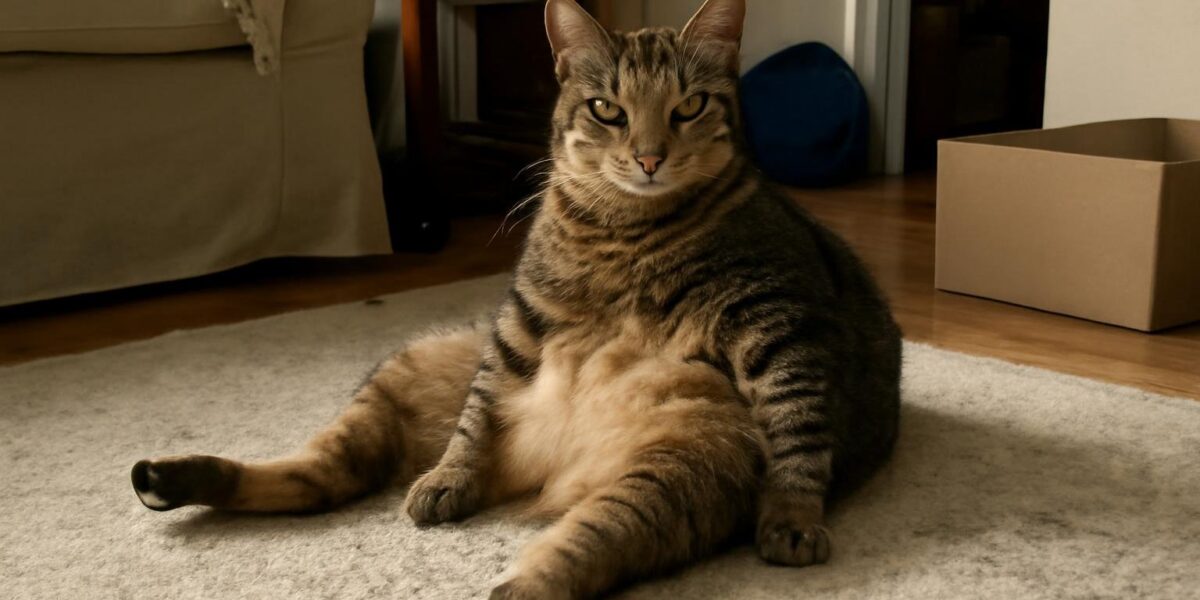
Should you shave your cat? In nearly all cases, no — shaving a healthy cat for convenience, shedding, or heat is generally discouraged, and most cats are better served by regular brushing than by losing their coat. A cat’s fur isn’t just decoration; it insulates against both heat and cold, protects skin from sun and injury, and helps regulate body temperature. Shaving disrupts all of that. There are legitimate medical reasons to clip a cat’s coat, and those should always be decided with your veterinarian, but the default answer for a typical pet cat is to leave the coat intact and manage it with grooming.
In this article
- What a Cat’s Coat Actually Does
- When Shaving Is Genuinely Appropriate
- Why Shaving Usually Backfires
- What to Do Instead of Shaving
- How to Decide for Your Cat
- When to Talk to Your Vet
- Keeping Your Cat Cool Without Shaving
- Special Cases: Breeds and Senior Cats
- What to Do About Shedding Without Shaving
- Frequently Asked Questions
This is one of those decisions where good intentions can cause harm, so it’s worth understanding what a coat actually does before reaching for the clippers. Let’s look at when shaving genuinely helps, why it usually doesn’t, and what to do instead.
What a Cat’s Coat Actually Does
A cat’s coat is a sophisticated, self-regulating system. Many cats have a double coat — a soft insulating undercoat beneath longer guard hairs — that traps air to keep them warm in cool weather and, importantly, helps shield them from heat too. The coat also reflects sunlight and protects the skin underneath.
Because the fur plays a role in temperature regulation, shaving a cat to “cool her down” can backfire. A shaved cat loses natural sun protection and can be more prone to sunburn, especially on pale skin or thin-furred breeds. The skin is also left exposed to scratches and irritation it would normally be protected from.
Cats are also far better at self-cooling than people assume. They seek shade, stretch out on cool surfaces, groom to spread cooling saliva, and adjust their activity. Removing their coat doesn’t help these mechanisms — it often interferes with them.
When Shaving Is Genuinely Appropriate
There are real, valid reasons to clip a cat’s coat, and all of them are medical or welfare-driven rather than cosmetic:
- Severe matting that can’t be safely brushed out and is pulling on the skin or hiding sores.
- Surgery or medical procedures where the area needs to be clipped for cleanliness and access.
- Wound care or skin conditions where fur traps moisture, debris, or medication poorly.
- Severe flea infestations or feces matting in cats who can no longer groom themselves, often elderly or arthritic cats.
In these situations, a professional groomer or your veterinary clinic should do the clipping. Mat-clipping in particular is easy to get wrong at home — a cat’s skin is thin and loose, and scissors or clippers can nick it badly. If matting has reached this point, that’s a sign the coat needs more routine attention, which brings us to prevention.
Why Shaving Usually Backfires
Beyond losing temperature regulation and sun protection, shaving carries other downsides owners don’t anticipate. Some cats experience changes in how their coat grows back, with patchy regrowth or altered texture, particularly in older cats. Regrowth can take months.
Shaving is also stressful and sometimes physically risky for the cat. The buzz of clippers, restraint, and handling can frighten a cat enough that sedation is needed for safety, which carries its own small risks. A grooming session that leaves your cat traumatized isn’t a fair trade for tidier fur.
And critically, shaving doesn’t stop shedding — it just changes the length of what sheds. The hair grows back and the cycle continues. The real solution to loose hair, dander, and hairballs is consistent brushing, not removal of the coat.
What to Do Instead of Shaving
For the vast majority of cats, regular grooming solves the problems people hope shaving will fix. Brushing removes loose hair before it mats, cuts down on shedding around your home, and reduces hairballs. It also lets you spot skin issues early.
Build a routine that matches your cat’s coat. Short-haired cats often do well with a weekly brush, while long-haired cats may need brushing several times a week or even daily to prevent mats. Our guide to brushing your cat the right way walks through the tools and gentle technique that make this easy on both of you, and our overview of whether you really need to brush your cat helps you set the right frequency.
For small mats, work them loose gently with your fingers or a mat comb rather than cutting near the skin. If your cat gets dirty in a way brushing can’t handle, a proper bath done correctly is usually a better option than shaving. For heat, focus on shade, fresh water, cool resting spots, and good airflow.
How to Decide for Your Cat
Ask yourself what problem you’re actually trying to solve. If it’s shedding, hairballs, or general tidiness, the answer is a better brushing routine, not clippers. If it’s heat, the answer is environmental cooling, not a coat removal that may make sun exposure worse.
If the issue is severe matting in a cat who can no longer groom — common in seniors or overweight cats — that’s a conversation for your vet or a professional groomer, who can clip safely and help you prevent it from recurring. Be especially cautious with hairless or thin-coated breeds, where the little coat they have matters even more.
The honest bottom line stays the same: shave only for a medical or welfare reason, decided with professional guidance, and never as a routine cosmetic choice.
When to Talk to Your Vet
Talk to your veterinarian before shaving for any reason. They can confirm whether clipping is truly needed, rule out skin conditions that mimic “needing a shave,” and do it safely if it is warranted. If your cat has stopped grooming herself, that’s an important medical clue — it can signal pain, obesity, dental disease, or illness, and the underlying cause needs attention as much as the coat does.
Your vet can also advise on safe heat management, recommend a groomer for difficult coats, and check whether sedation would be needed for a stressed cat. When in doubt, ask first rather than reaching for the clippers — your cat’s coat is doing more work than it looks like.
Keeping Your Cat Cool Without Shaving
Since heat is one of the most common reasons people consider shaving, it’s worth knowing how to actually keep a cat comfortable in warm weather without touching her coat. Cats handle heat better than we tend to assume, but they still appreciate help on hot days, and the right environment matters far more than fur length.
Focus on these practical steps during warm spells:
- Provide plenty of shade and cool surfaces. Tile floors, a spot in front of a fan, or a cooling mat give your cat somewhere to lower her body temperature.
- Keep fresh water everywhere. Multiple water bowls, and even a pet water fountain, encourage drinking and support temperature regulation.
- Improve airflow. Fans, cracked windows with secure screens, or air conditioning during heat waves all help more than removing fur.
- Brush regularly to thin the loose undercoat, which lets air move through the coat naturally without removing the protective layer.
- Limit activity during the hottest hours, and never leave a cat in a hot room, conservatory, or parked car.
These measures work with your cat’s natural cooling system instead of against it. A well-brushed coat that still has its full structure breathes surprisingly well, which is exactly why brushing is the better tool than clippers for a hot-weather cat.
Special Cases: Breeds and Senior Cats
A few situations deserve extra thought. Long-haired breeds like Persians and Maine Coons mat more easily and may tempt owners toward shaving, but they’re far better served by a committed daily brushing routine that prevents mats from forming in the first place. If mats have already taken hold, a professional groomer can do a controlled clip of just the affected areas rather than shaving the whole cat.
Senior and overweight cats are the group most likely to genuinely need clipping help, because arthritis, reduced flexibility, or extra body mass can stop them from reaching parts of their body to groom. The result is greasy, matted fur, especially around the rear. Here the priority is addressing the underlying cause with your vet — pain relief, weight management, or treatment of illness — while a groomer keeps the coat manageable.
Even in these cases, the goal is targeted, professional, welfare-driven clipping, never a routine full-body shave for looks or convenience. Hairless and thin-coated breeds, meanwhile, need their minimal coat left alone and benefit from skin care and warmth rather than any clipping at all.
What to Do About Shedding Without Shaving
If the real motivation behind considering a shave is the amount of hair your cat leaves around the house, there are far better solutions than removing her coat. Shedding is normal and seasonal for most cats, and it can’t be eliminated, but it can be managed so it’s much less of a nuisance.
The most effective tool is consistent brushing, which captures loose hair before it ends up on your furniture and clothes. Short-haired cats benefit from a weekly brush, while long-haired cats may need it several times a week. A deshedding tool can help thin a heavy undercoat, removing the dead hair while leaving the protective coat intact — the opposite of what a shave does.
Beyond grooming, support your cat’s coat from the inside with a complete, balanced diet, since skin and coat health depend on good nutrition. Keep her well hydrated, manage stress, and address any parasites or skin issues with your vet, all of which influence how much she sheds. With these habits in place, the loose-hair problem usually shrinks to something manageable, and the idea of shaving loses its appeal entirely.
Frequently Asked Questions
Will shaving my cat keep her cooler in summer?
Usually not. A cat’s coat helps regulate temperature and protects against sunburn, so shaving can make heat and sun exposure worse, not better. Provide shade, water, and cool surfaces instead.
Does shaving stop my cat from shedding?
No. Shaving only shortens the hair that sheds; it doesn’t reduce shedding overall. Regular brushing is the effective way to control loose hair and hairballs.
My cat is badly matted — should I shave her myself?
No. A cat’s skin is thin and easily cut. Severe mats should be handled by a professional groomer or your vet, who can clip safely and help you prevent future matting with a grooming routine.
Can shaving harm my cat’s coat?
It can. Some cats, especially older ones, regrow patchy or differently textured fur, and regrowth can take months. Shaving is also stressful and sometimes requires sedation.
When is shaving a cat actually okay?
Only for medical or welfare reasons — surgery, wound care, severe matting in a cat who can’t groom, or certain skin conditions — and ideally done by a professional under your vet’s guidance.


