
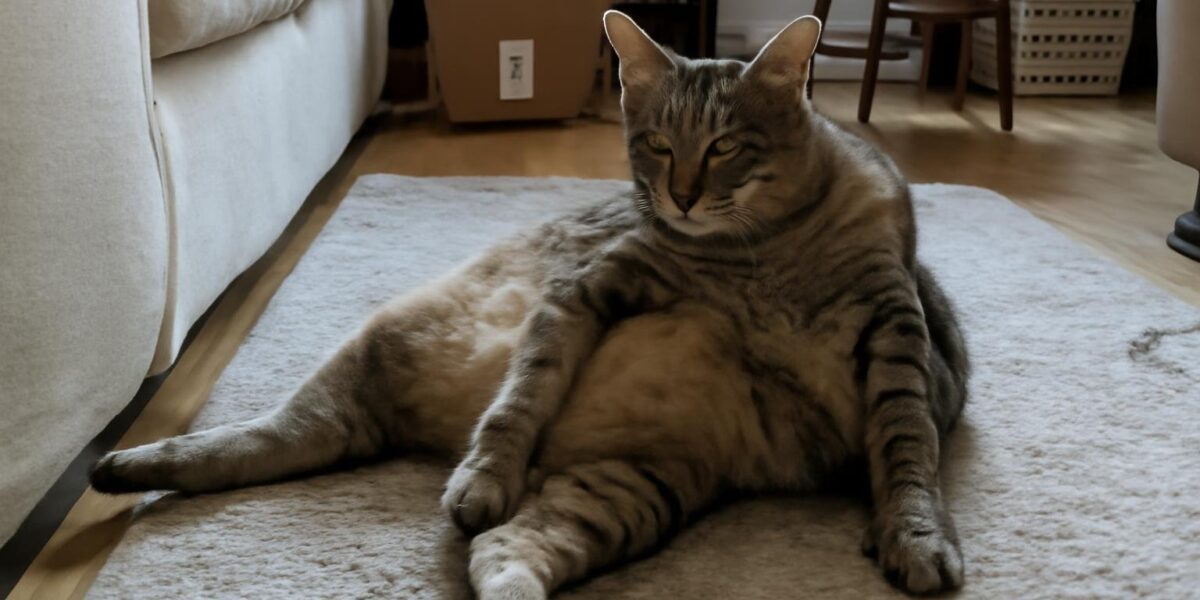
If you’re asking should I spay my cat, the honest answer for nearly every pet cat is a clear yes. Spaying — surgically removing the ovaries and uterus — prevents unwanted litters, eliminates the stress of heat cycles, and significantly reduces the risk of several serious health problems. As a rescue volunteer, I see firsthand the consequences of unspayed cats: overflowing shelters and preventable illness. For the vast majority of owners, spaying is one of the best things you can do for both your cat’s health and the wider welfare of cats.
In this article
Let’s walk through the real benefits, the rare situations where timing or circumstances differ, and exactly what to expect from the procedure and recovery.
The Case For Spaying Your Cat
The benefits of spaying are substantial and well established. Topping the list is preventing unwanted litters. Cats are remarkably prolific — a single female and her offspring can produce an enormous number of kittens over just a few years, contributing directly to feline overpopulation and the constant crowding at shelters. Spaying is the single most effective way to stop that cycle at the source.
Spaying also delivers real, measurable health advantages.
- Lower cancer risk: Spaying greatly reduces the risk of mammary (breast) cancer, especially when done before the first heat cycle, and it eliminates the risk of ovarian and uterine cancers entirely.
- No pyometra: It prevents pyometra, a life-threatening uterine infection that’s common and dangerous in unspayed older females.
- No heat cycles: No more loud yowling, restlessness, and roaming behavior driven by hormones every few weeks during breeding season.
- Calmer behavior: Many cats are noticeably less prone to the agitation and frantic escape attempts that come with being in heat.
These aren’t minor perks. Pyometra and mammary cancer can both be fatal, and spaying dramatically lowers those odds — which is why it’s considered routine preventive care rather than an optional extra.
Behavior and Lifestyle Benefits
An unspayed female cat in heat is genuinely hard to live with — and harder on herself. Heat cycles bring loud, persistent yowling that can go on for days, increased affection-seeking or restlessness, rolling and posturing, and a powerful drive to get outside and find a mate. For many owners, it’s the behavior alone that finally prompts the decision.
That escape drive is dangerous. A cat desperate to roam is at far greater risk of slipping out, getting lost, being hit by a car, or getting into fights with other cats. Spaying removes the hormonal urge behind this behavior, keeping your cat calmer and much safer at home.
For your household, this means no recurring weeks of disruptive heat behavior throughout the year and no anxiety about an accidental pregnancy if your cat happens to slip outside. It’s a meaningful quality-of-life improvement for both you and your cat, and the calm is often immediate once the hormones settle.
Is There a Case Against It?
For pet cats, there’s very little genuine case against spaying. The main reasons people hesitate — cost, anxiety about surgery, or a vague feeling that it’s “unnatural” — don’t hold up against the clear, well-documented health and welfare benefits.
The one legitimate exception is responsible, intentional breeding by experienced breeders following ethical practices and proper health testing. That’s a narrow, specialized category, and it simply doesn’t apply to typical pet owners.
Cost concerns are real but very addressable: many shelters and clinics offer low-cost or subsidized spay programs, precisely because preventing litters benefits the whole community. The surgery itself is routine and performed countless times every day, with a strong safety record in healthy cats. The brief recovery is a small trade for a lifetime of reduced health risk. If cost is the main thing holding you back, it’s well worth asking your vet or a local rescue about reduced-fee options before deciding to put it off, because delaying carries its own risks as your cat matures and starts coming into heat.
When Should You Spay — Timing and Decisions
Traditionally, cats were spayed around five to six months of age, but many vets and shelters now perform the surgery earlier — sometimes in healthy kittens of only a couple of months — specifically to ensure it happens before the first heat and any chance of pregnancy. Cats can come into heat surprisingly young, so waiting too long risks an accidental litter.
The exact timing depends on your cat’s health, weight, and your vet’s protocol. The key takeaway is that spaying before the first heat cycle maximizes the protective effect against mammary cancer, so earlier is generally better when your cat is healthy enough.
You can spay an older cat too — it’s never too late to gain the benefits of preventing pyometra and reducing cancer risk. The same overall logic applies on the male side; if you’re weighing both pets, our guide on whether you should neuter your cat covers the male counterpart and the shared reasons to alter both.
What to Expect From the Procedure and Recovery
Spaying is performed under general anesthesia, and most cats go home the same day. Recovery is usually quick and uncomplicated with proper aftercare, and most cats are back to their normal selves within a couple of weeks.
- Keep her calm. Limit jumping, climbing, and vigorous activity for the recovery period your vet recommends, usually about ten to fourteen days.
- Protect the incision. Use a cone or recovery suit to stop licking, and check the site daily for swelling, redness, or discharge.
- Manage comfort. Give any prescribed pain medication exactly as directed, and provide a quiet, warm resting spot away from other pets.
- Watch appetite. A slightly reduced appetite for a day is normal; contact your vet if it persists or she seems unwell or lethargic.
The general recovery principles are similar across spay and neuter surgeries, and our overview of recovery after spay and neuter for cats walks through aftercare in detail so you know exactly what’s normal and what isn’t. Knowing the warning signs ahead of time makes the recovery far less stressful for both of you.
Common Myths About Spaying
A few persistent myths make some owners hesitate, so it’s worth clearing them up. The first is the idea that a female cat should have one litter before being spayed. There’s no health benefit to letting her have a litter first — in fact, spaying before the first heat offers the strongest protection against mammary cancer, so waiting actually increases risk rather than reducing it.
Another common worry is that spaying will inevitably make a cat fat. Spaying does lower a cat’s metabolic rate somewhat, but weight gain comes from overfeeding, not the surgery itself. With appropriately measured portions and regular play, a spayed cat stays just as trim as any other. You simply adjust her food to match her needs after surgery, and most cats do beautifully.
Some people also believe that indoor cats don’t need to be spayed because they can’t get pregnant anyway. But indoor cats still experience the stress and discomfort of heat cycles, complete with the yowling and the desperate drive to escape — which is exactly how supposedly indoor cats end up pregnant after slipping out a door or window. The health benefits, like protection from pyometra and cancer, apply regardless of whether your cat ever goes outside.
Finally, there’s a vague sense that surgery is risky or cruel. In reality, spaying is one of the most routine procedures in veterinary medicine, performed safely on countless healthy cats every day. The brief recovery is a small, one-time event weighed against years of reduced health risk and a calmer, safer life. For nearly every pet cat, the math strongly favors spaying.
When to Ask Your Vet
Your veterinarian is your best partner in this decision and in the procedure itself.
- Deciding the ideal age to spay based on your cat’s health and weight
- Spaying a cat with an existing health condition or an older cat
- Any concern during recovery — swelling, discharge, lethargy, or appetite loss
- Questions about low-cost spay and neuter programs in your area
It’s also a convenient time to take care of other preventive steps. Many owners arrange to have their cat microchipped during the same anesthetic, since she’s already under and it’s a quick, permanent way to ensure she can be identified and returned home if she’s ever lost.
For an overwhelming majority of pet cats, the answer to “should I spay my cat” is yes, and the sooner you discuss timing with your vet, the better. It protects your cat’s long-term health, spares her the stress of repeated heat cycles, and helps address the much larger problem of too many cats needing homes — a win on every front. Few routine decisions you’ll make as an owner deliver this much benefit for so little downside.
Frequently Asked Questions
At what age should I spay my cat?
Many vets recommend spaying before the first heat cycle, traditionally around five to six months, though early-age spay is increasingly common. Spaying before the first heat maximizes the protective effect against mammary cancer. Your vet will advise based on your cat’s health.
What are the health benefits of spaying?
Spaying prevents pyometra, a life-threatening uterine infection, greatly reduces mammary cancer risk, and eliminates ovarian and uterine cancers. It also ends heat cycles and the roaming and yowling that come with them, keeping your cat calmer and safer.
Is it too late to spay an older cat?
No. Spaying an older cat still prevents pyometra and reduces cancer risk, so it remains worthwhile. Your vet may run pre-surgical bloodwork to confirm she’s a good candidate for anesthesia, but age alone rarely rules it out.
How long is recovery after spaying?
Most cats recover within about ten to fourteen days. Keep her calm, prevent her from licking the incision with a cone or recovery suit, give any prescribed pain medication, and watch for swelling, discharge, or lethargy. Contact your vet with any concerns.
Will spaying change my cat’s personality?
It removes hormone-driven behaviors like heat-related yowling and roaming, which usually makes a cat calmer, but it won’t change her core personality. She’ll still be the same affectionate, playful companion — just without the stressful hormonal cycles.


